
Volvo Conventional Sleeper Trucks For Sale
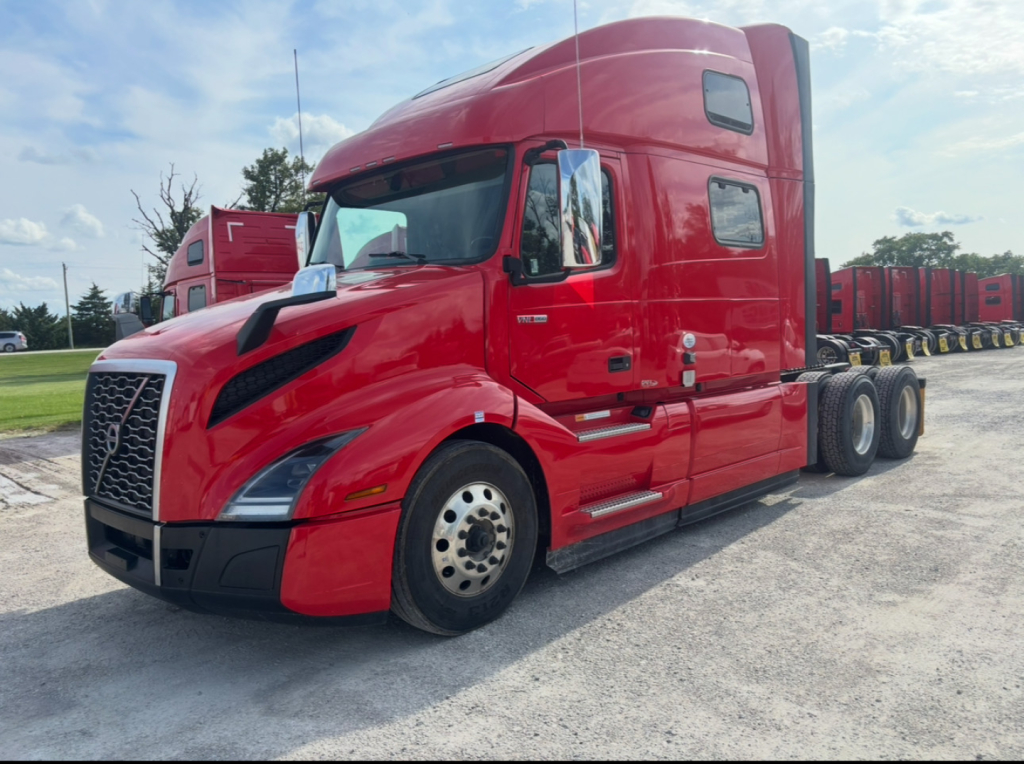
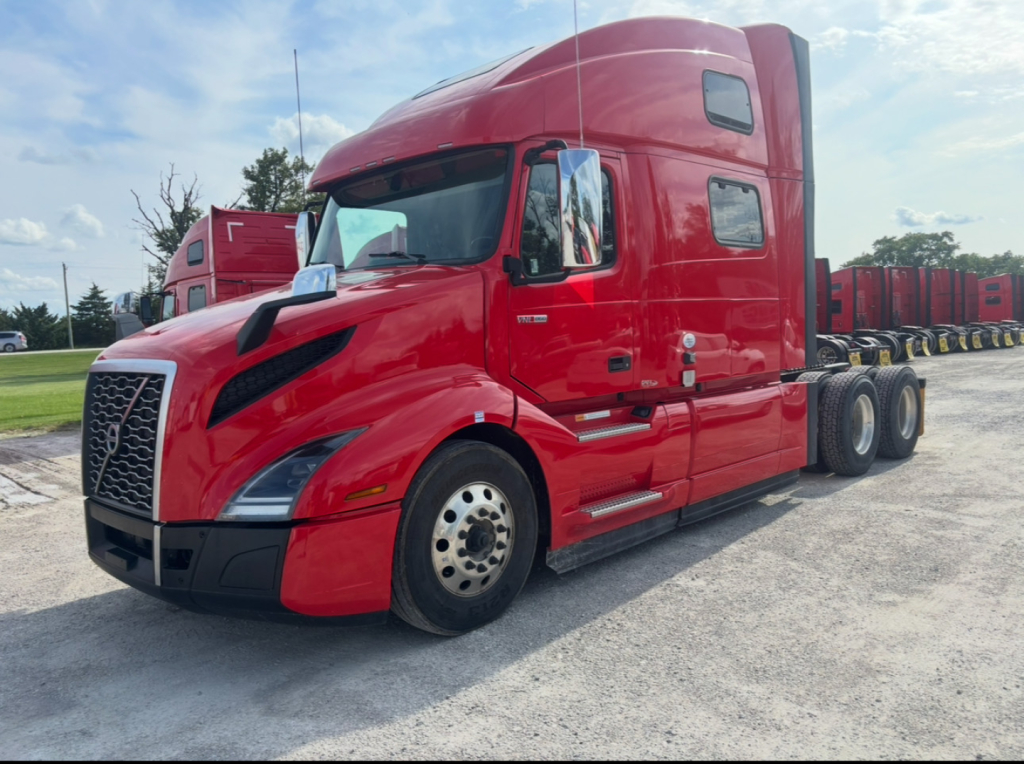
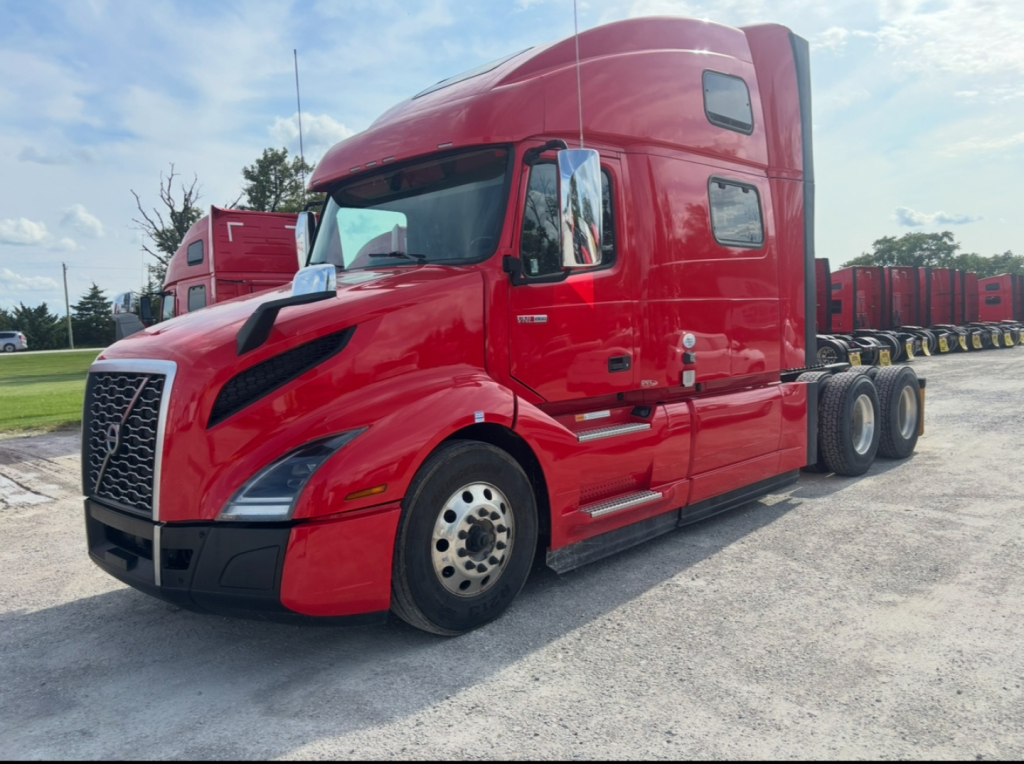
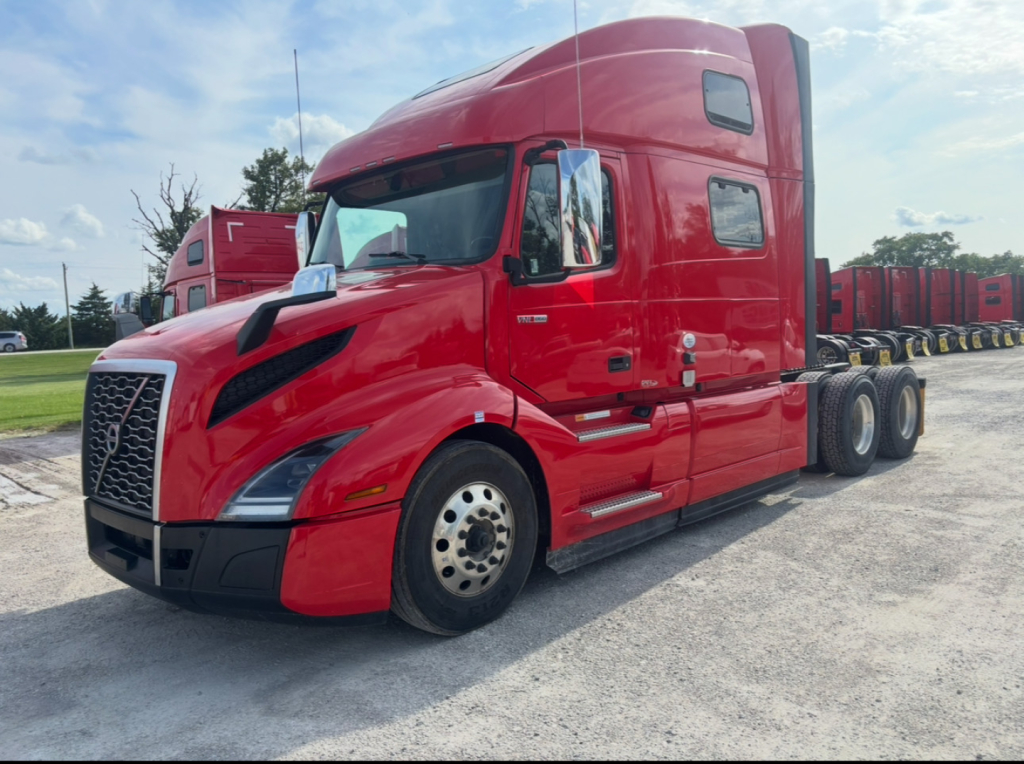
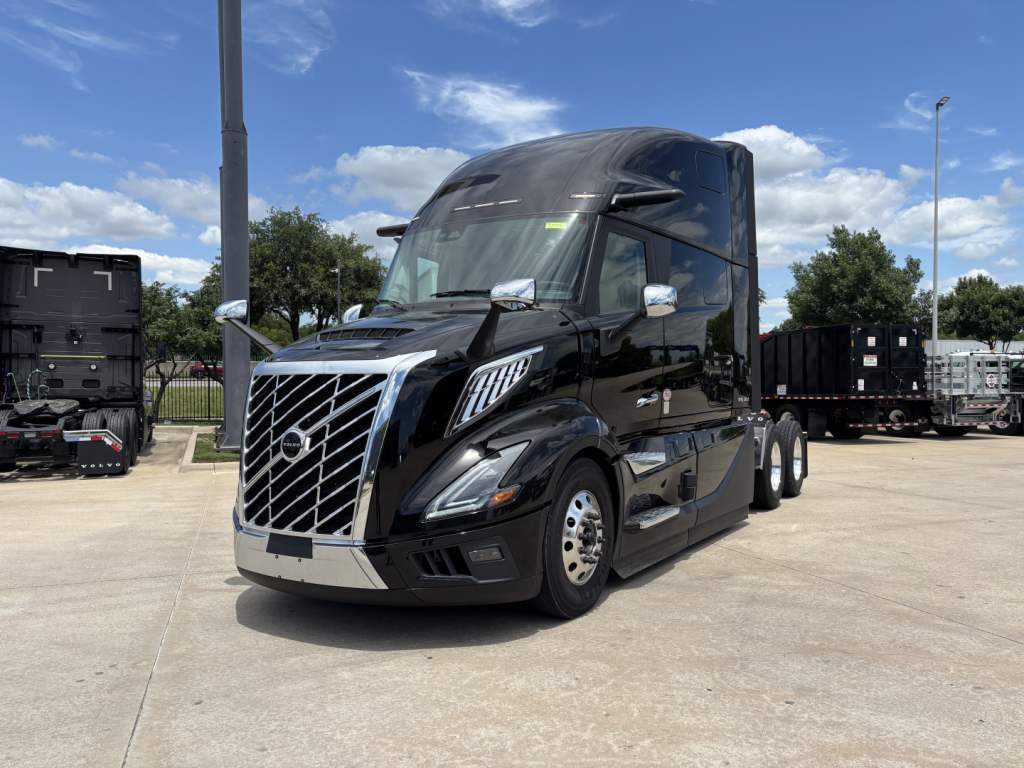
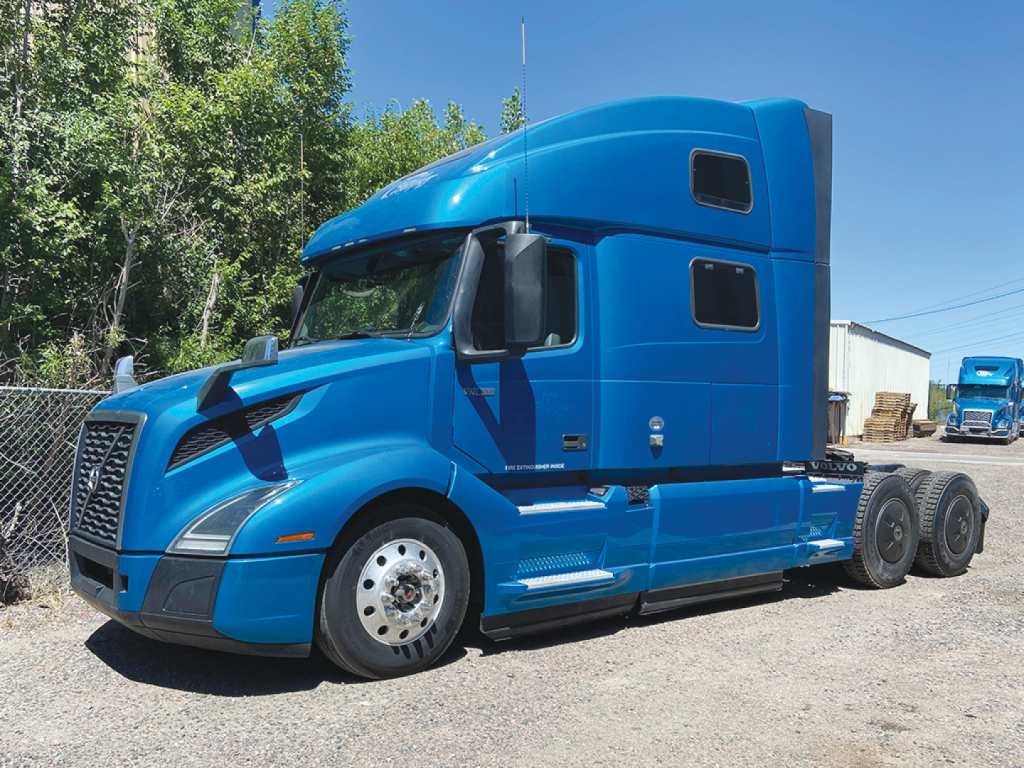
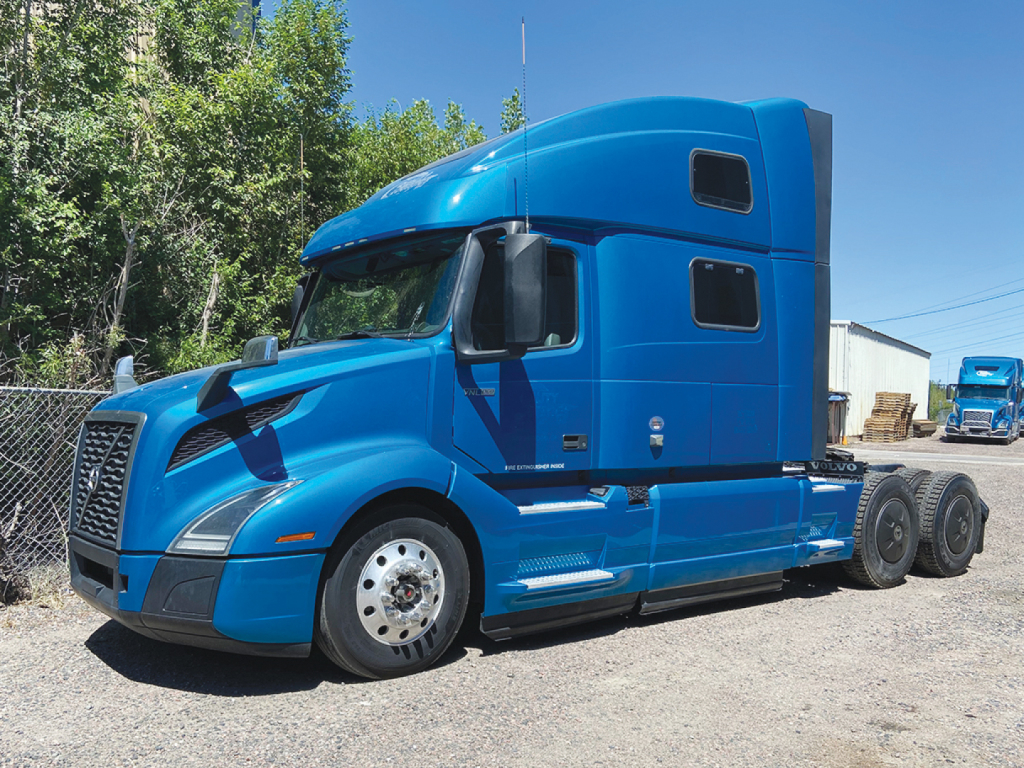
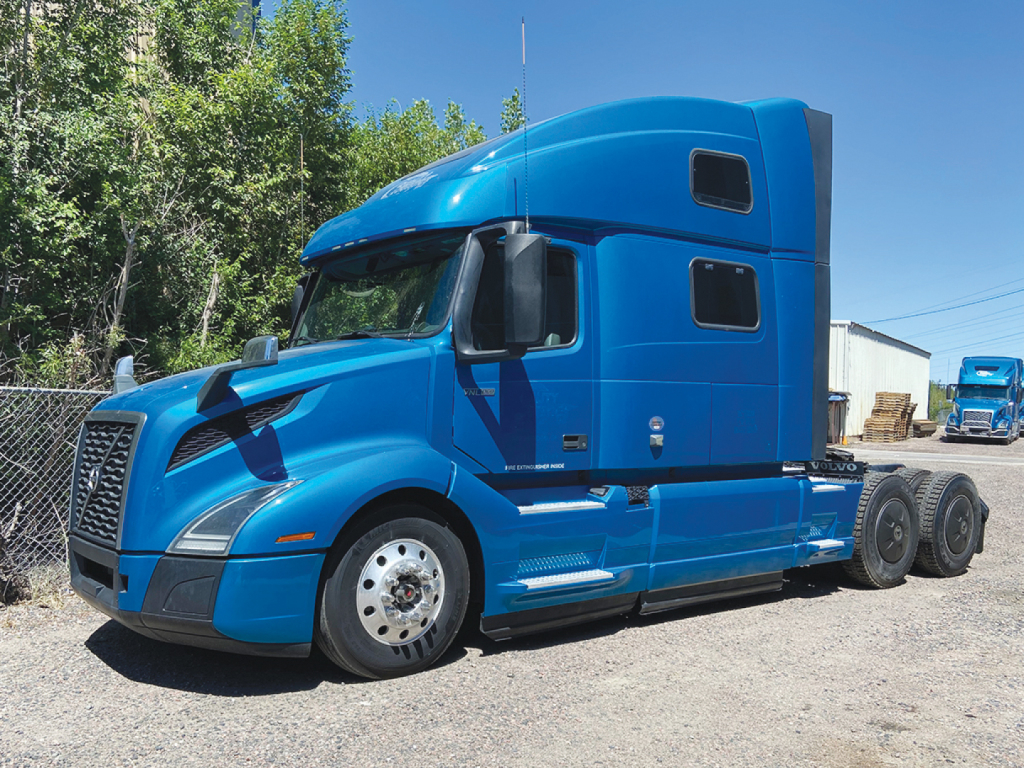
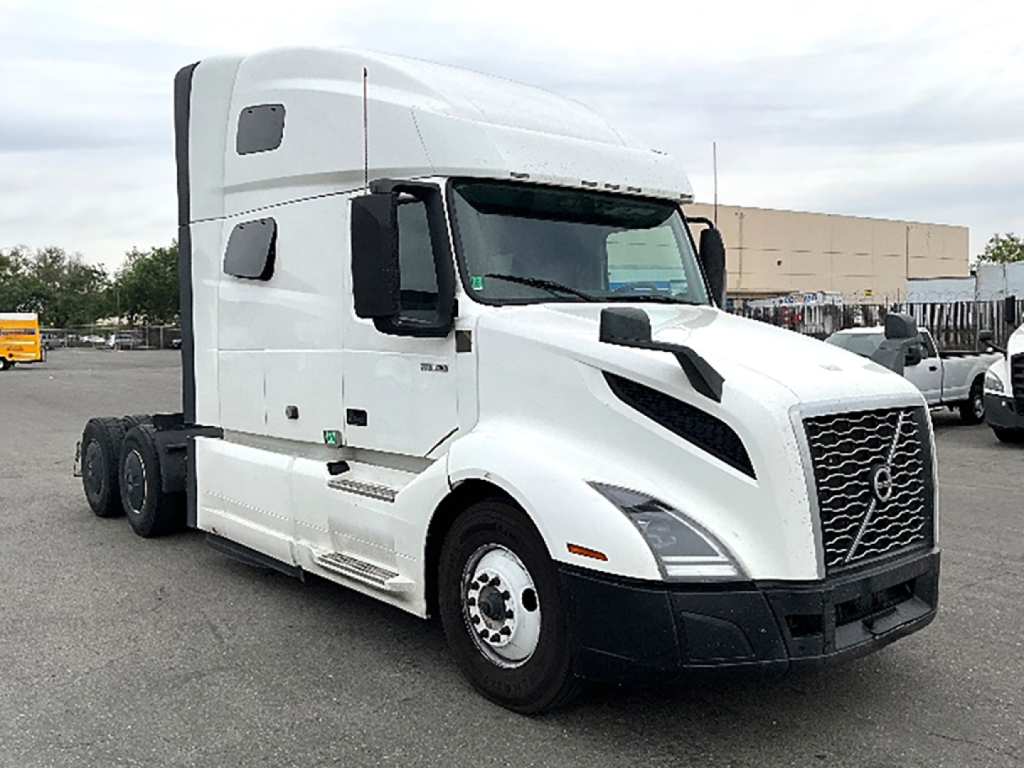
2024 Volvo VNL64T860
514,675 mi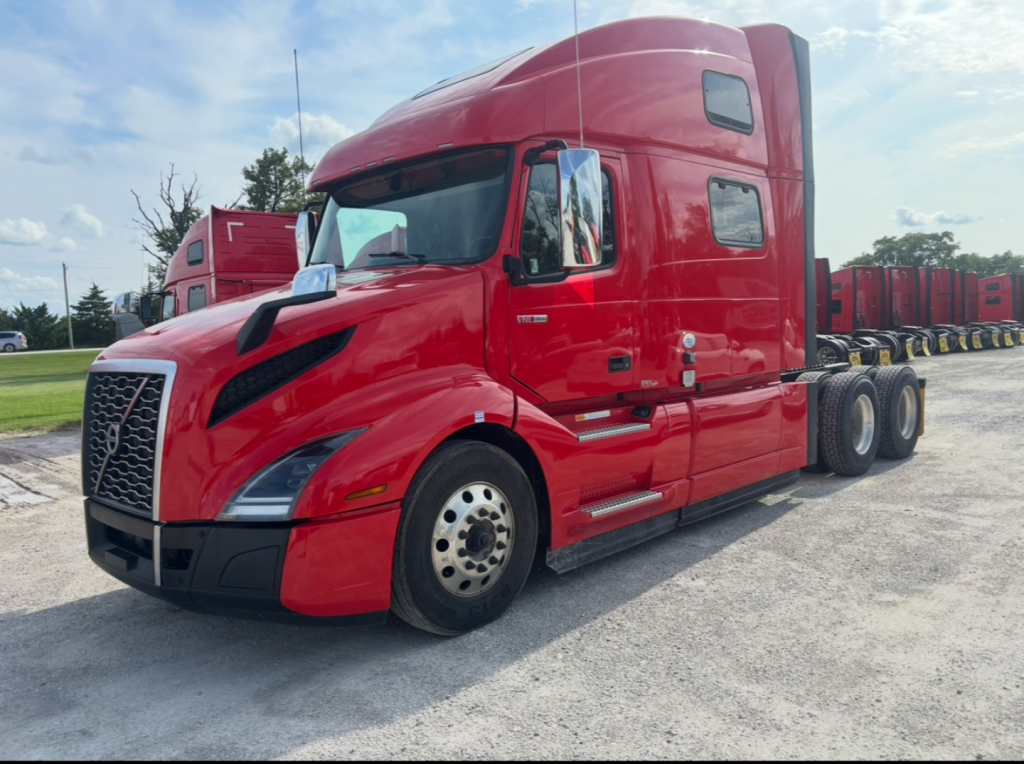

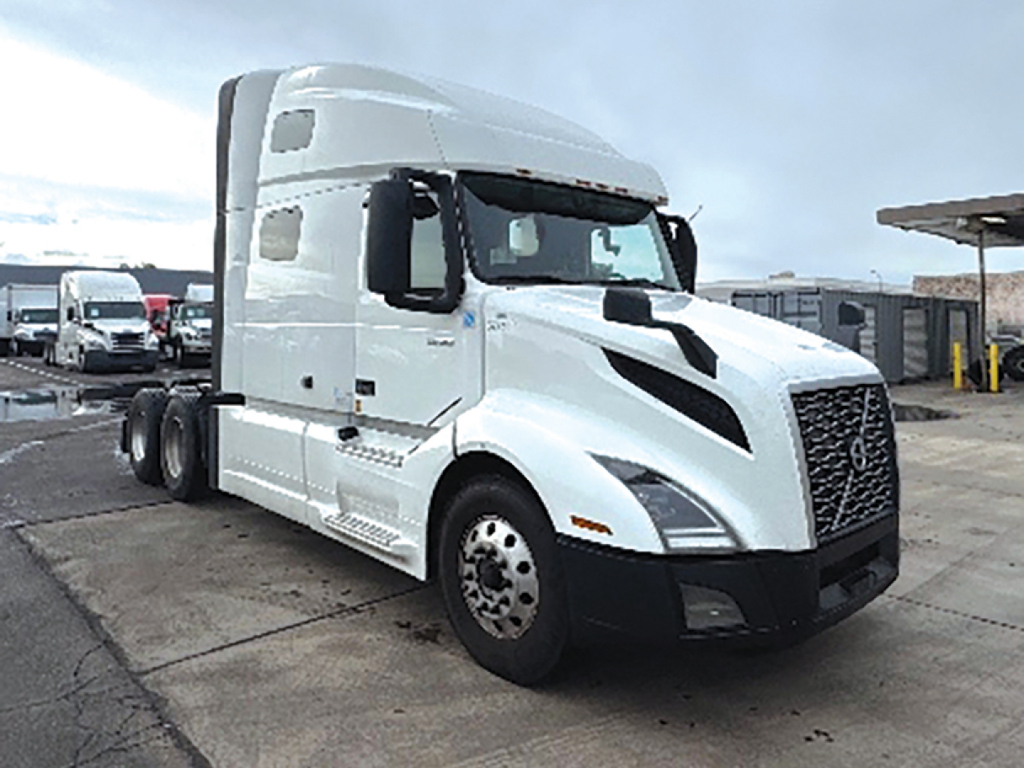
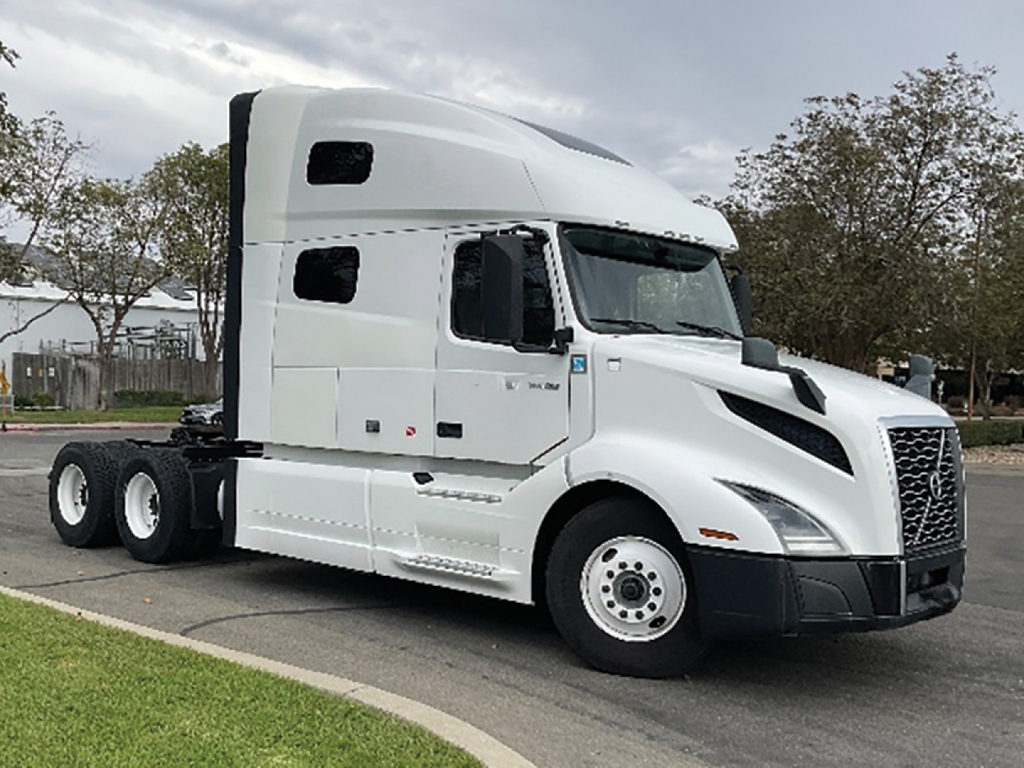
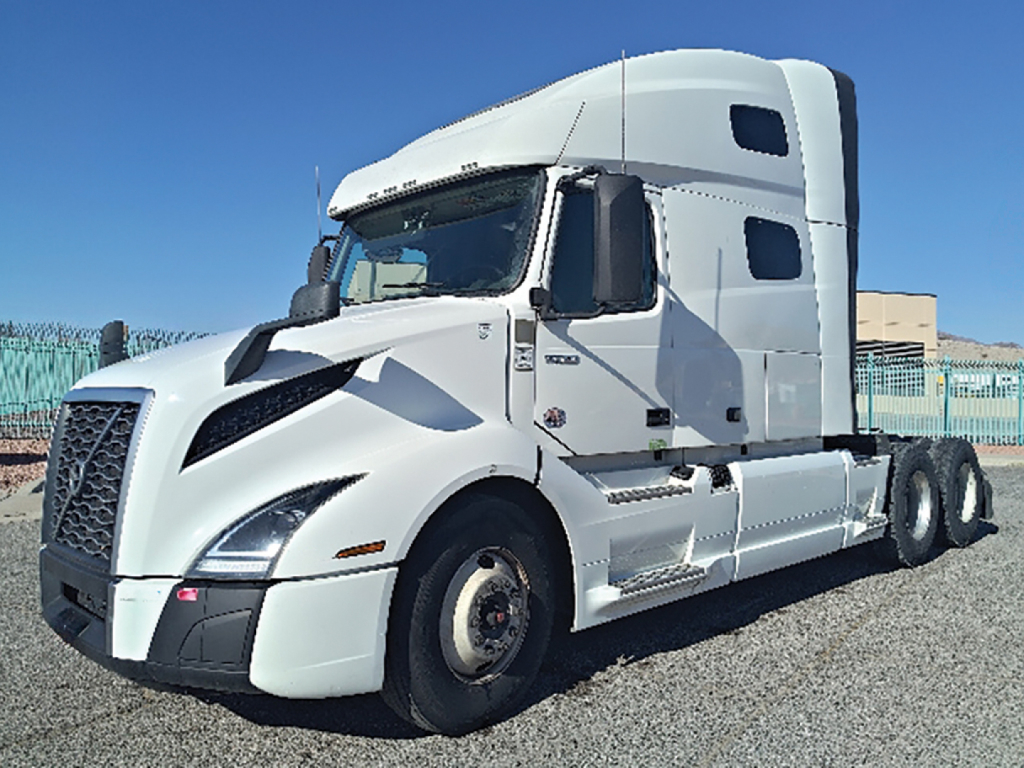
Showing 1 to 24 of 217 results
Have volvo conventional sleeper truck to sell? List it here to reach thousands of buyers.
Volvo Conventional Sleeper Trucks
Engine and transmission spec is a major part of the buying decision on a Volvo sleeper. Many units are powered by the Volvo D13, often in ratings around 425 to 455 horsepower, paired with the Volvo I-Shift automated manual transmission. That combination is popular because it balances drivability, fuel efficiency, and reduced driver fatigue. Rear axle ratios in the mid-2s are common on highway specs and can help keep cruise RPM down, but the right ratio still depends on gross weight, terrain, and average road speed. Buyers should also compare suspension type, engine brake performance, disc versus drum brakes, and whether the truck is spec'd with features such as adaptive cruise, collision mitigation, and tire pressure monitoring.
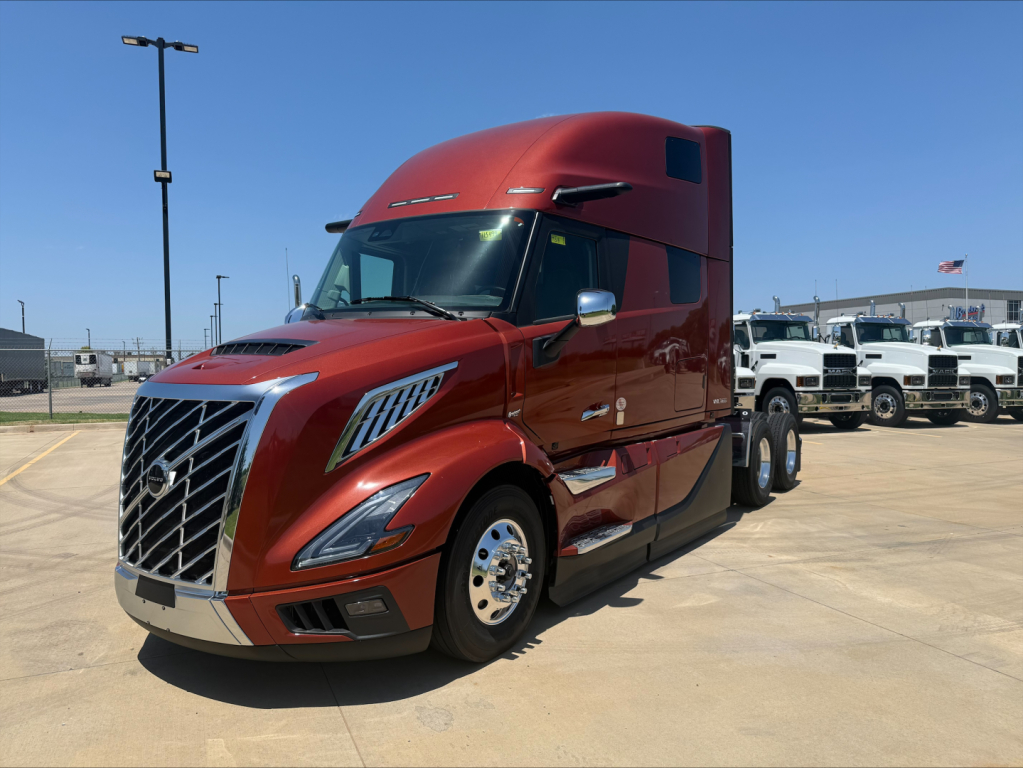
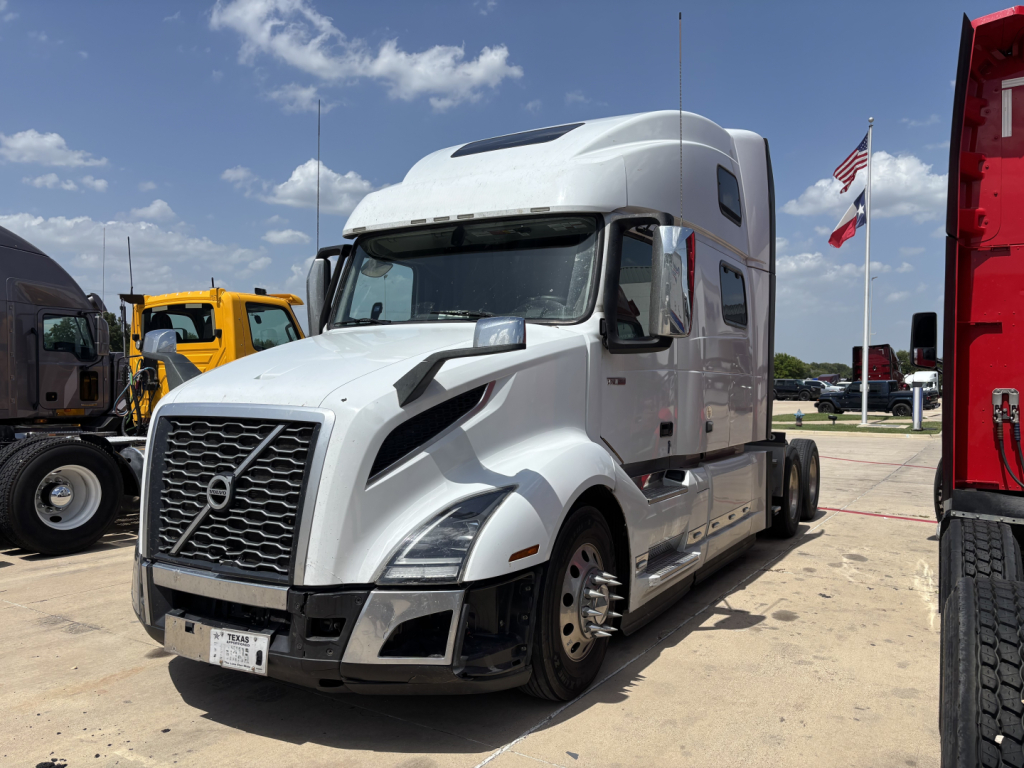
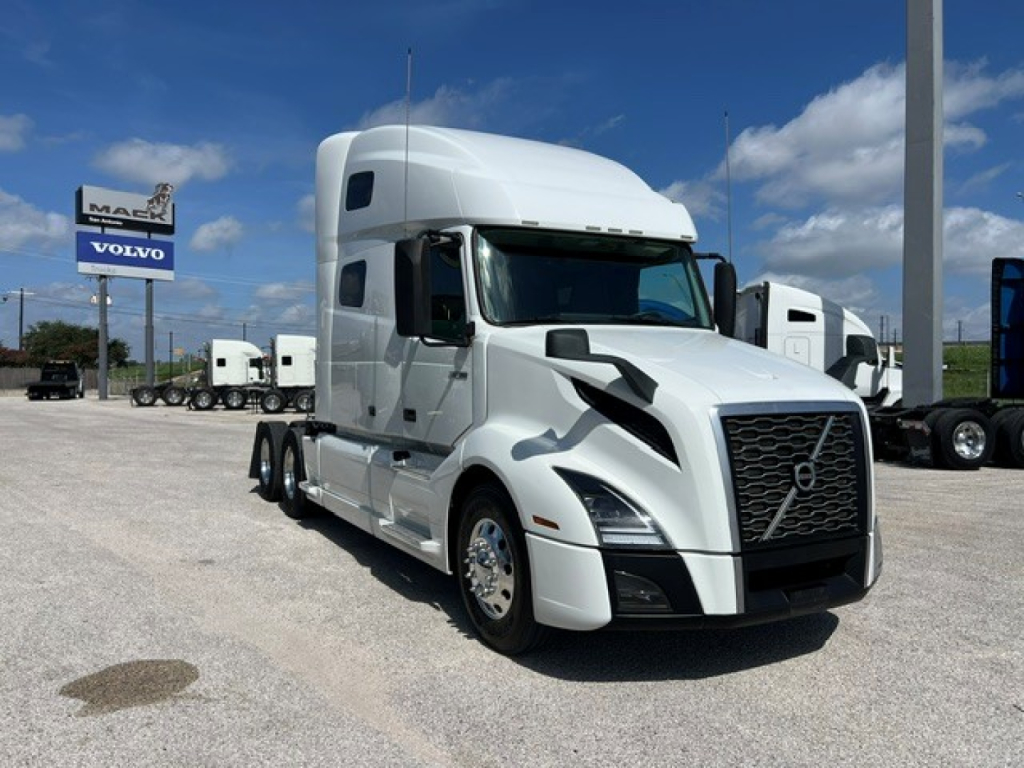
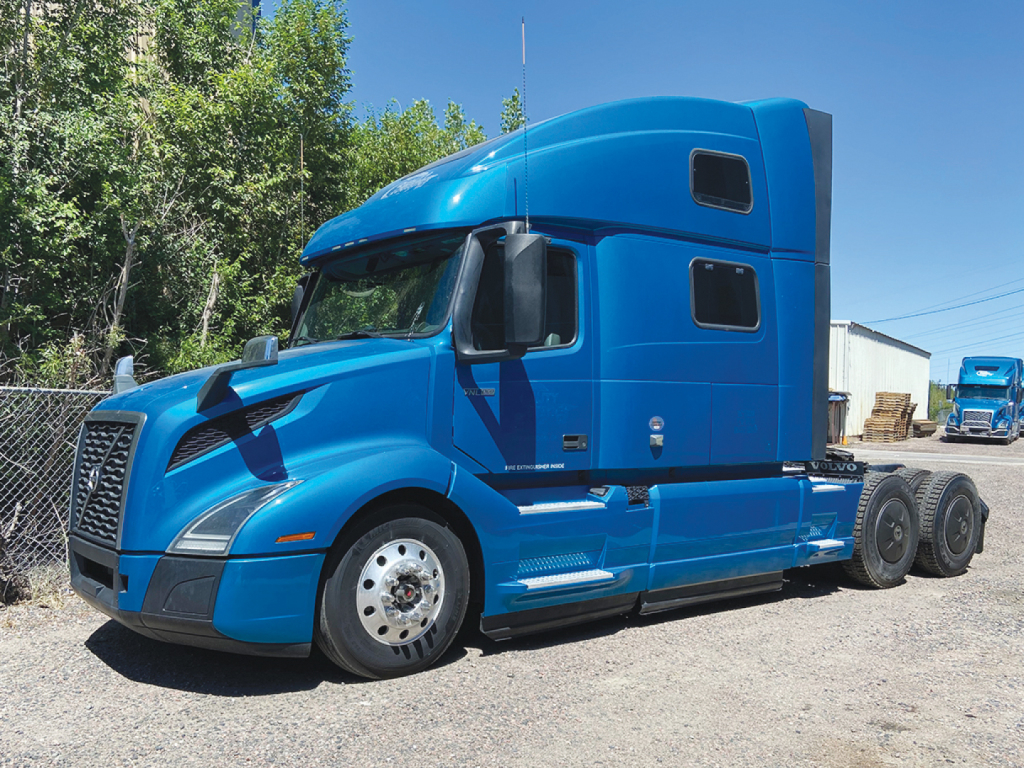
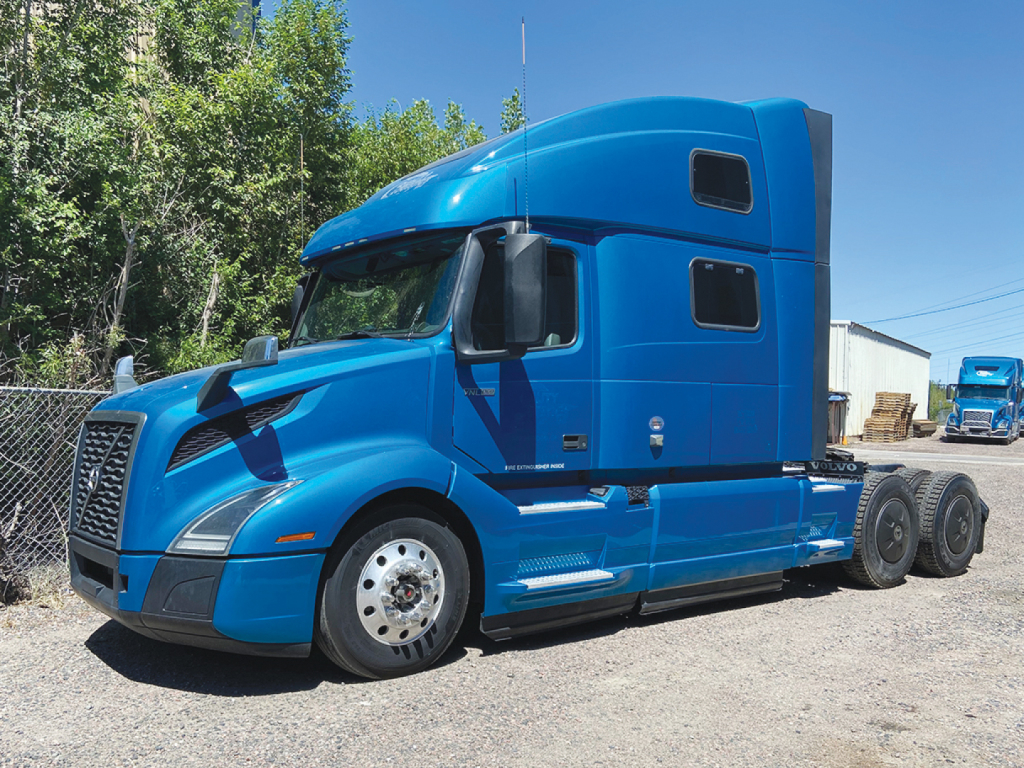
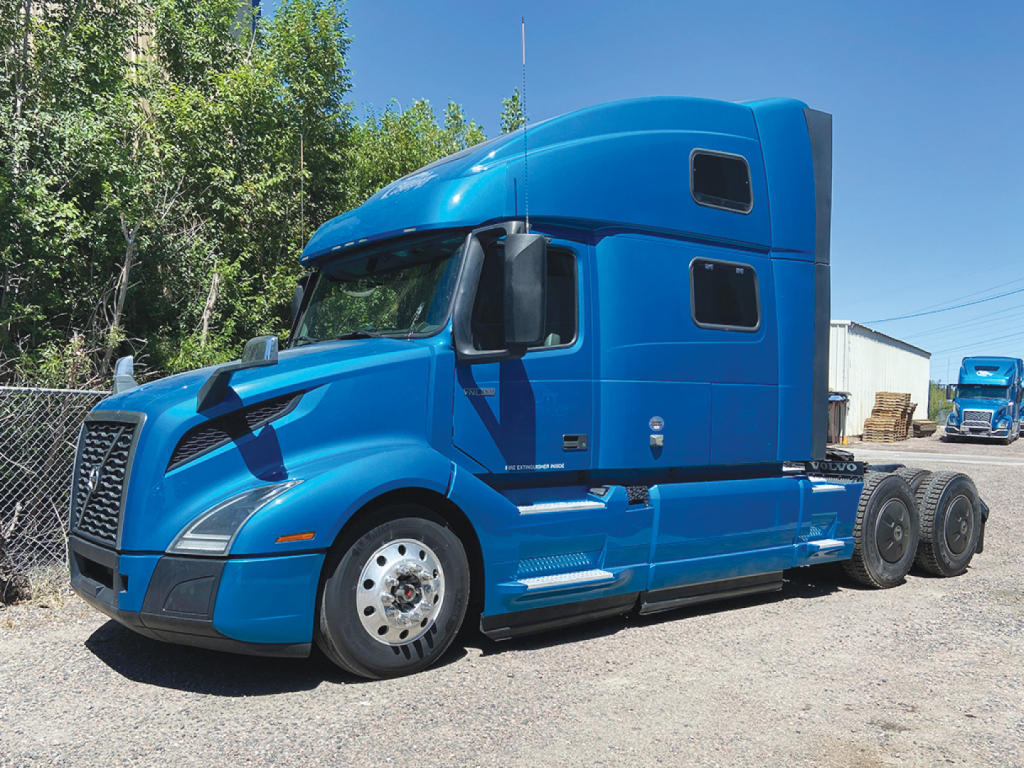
Cab layout is one of the strongest reasons fleets and owner-operators shop Volvo conventional sleepers. High-roof configurations like the VNL 760 and VNL 860 are designed to give drivers more standing room, better storage, and a more livable bunk area for multi-day runs. Common details include upper bunks, workstation-style dash layouts, air ride seating, efficient HVAC performance, and aerodynamic fairings that support highway fuel economy. On used trucks, interior wear, bunk condition, idle hours, and the function of cab electronics deserve as much attention as engine history. A clean service record, emissions system documentation, and transmission calibration history can tell you a lot about how the truck was maintained.
For buyers comparing listings, the important question is not just model year but total operating spec. A Volvo conventional sleeper can be optimized for van freight, reefer work, or general long-haul applications depending on fuel tank size, PTO needs, suspension rating, and sleeper amenities. Look closely at GVWR, front axle rating, rear axle rating, wheelbase, and tire size, especially if the truck will be assigned to specific trailer pools or regional routes. Volvo sleeper trucks have a strong reputation for highway manners, cab ergonomics, and efficient powertrain integration, so the best choice usually comes down to matching the spec to the freight rather than simply choosing the newest truck.
Frequently Asked Questions about Volvo Conventional Sleeper Trucks
What is the most common Volvo conventional sleeper model for long-haul trucking?
The Volvo VNL is the most common conventional sleeper platform in long-haul service. Popular versions include high-roof models such as the VNL 760 and VNL 860, which are designed for extended highway use and provide more interior space, storage, and driver comfort than shorter sleeper configurations.
What engine and transmission are commonly found in Volvo sleeper trucks?
Many Volvo conventional sleeper trucks are equipped with the Volvo D13 engine and the Volvo I-Shift automated manual transmission. This powertrain is widely used because it delivers a strong mix of fuel efficiency, smooth shifting, highway performance, and lower driver fatigue. Horsepower ratings often fall in the 425 to 455 horsepower range, depending on the truck's intended application.
What should I check when buying a used Volvo conventional sleeper truck?
Focus on service history, engine hours, idle hours, emissions system repairs, transmission performance, and brake condition. It is also important to inspect bunk condition, HVAC operation, cab electronics, suspension wear, and tire condition. On a highway tractor, axle ratio, wheelbase, and fifth wheel setup should also be reviewed to make sure the truck matches the trailer and freight it will be pulling.
Are Volvo conventional sleeper trucks good for fuel economy?
Volvo sleeper trucks are generally well regarded for fuel-efficient highway operation, especially when equipped with aerodynamic bodywork, a properly matched rear axle ratio, and the I-Shift transmission. Actual fuel economy depends on speed, terrain, load, idle time, and maintenance, but Volvo's integrated powertrain and aerodynamic cab design are major reasons buyers consider them for over-the-road use.
How do I choose the right sleeper size in a Volvo VNL?
The right sleeper size depends on route length, driver preferences, and how the truck will be dispatched. Larger high-roof sleepers are better suited for multi-day runs where standing room, storage, and bunk comfort matter. Smaller sleeper setups may make sense for regional applications where the truck returns more frequently and maximizing maneuverability or reducing weight is a higher priority.