
Used Pines Trailers For Sale
Browse used Pines trailers, including dry van models, with insights on specs, construction, suspension, doors, floors, and service use.
Learn more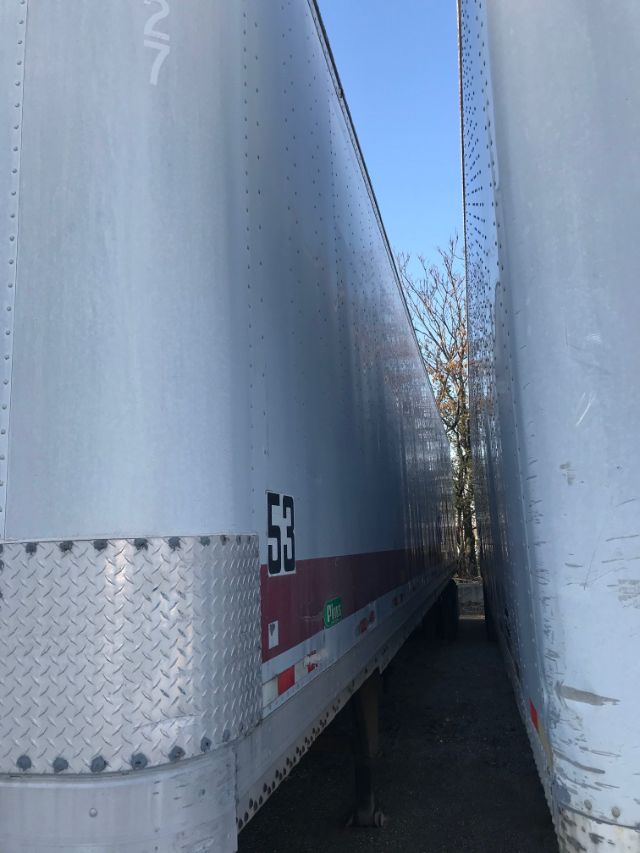
Have used pines trailer to sell? List it here to reach thousands of buyers.
About Used Pines Trailers
For a used Pines dry van, the key decisions usually come down to trailer length, suspension, rear door configuration, and floor type. Many units in this class are 53-foot vans with wood floors and swing doors, though exact specs can vary by year. Spring ride suspension is common on older van trailers and can be a practical fit for regional freight, storage use, and operations where simplicity and lower acquisition cost matter more than ride quality. A translucent roof is another feature buyers often like for added daylight inside the trailer during loading and unloading.
A good used van trailer should be evaluated like a working asset, not just a low-cost box. Check for floor soft spots, wall scuffs, roof leaks, brake and air system condition, tire age, wheel-end maintenance, and signs of alignment issues. Door seal condition and frame squareness are especially important on older swing-door vans, since misalignment can create loading problems and water intrusion. If the trailer will be used for dock freight, verify overall height, interior clearance, and door opening dimensions so it matches the freight profile and facility requirements.
Pines trailers can make sense for fleets, owner-operators, and yard applications where a basic dry van is the priority. Also known as a van trailer or enclosed freight trailer, this equipment class is used for palletized freight, boxed goods, packaged materials, and non-temperature-controlled cargo. The best value in a used Pines trailer usually comes from a clean, serviceable unit with a sound floor, dry interior, solid rear structure, and maintenance records that show the running gear and brake system have been kept up.
Frequently Asked Questions
What should I inspect first on a used Pines dry van trailer?
Start with the structure and the cargo box. Look closely at the floor, crossmembers, sidewalls, roof, rear frame, and landing gear mounts. On older dry vans, water intrusion, floor rot, cracked welds, and rear frame damage are common value drivers. After that, inspect brakes, air lines, suspension components, tires, and wheel ends to understand what the trailer may need immediately after purchase.
Are Pines trailers mainly dry van trailers?
On the used market, Pines trailers are often seen as dry van trailers, also called van trailers or enclosed freight trailers. These are designed for general non-refrigerated freight and are commonly used for palletized goods, boxed freight, and warehouse-to-dock service. Specific configurations can vary by age and prior use, so buyers should verify dimensions, door type, suspension, and floor construction on each trailer.
Is spring ride suspension a drawback on a used van trailer?
Not necessarily. Spring ride is common on older van trailers and is valued for its simplicity and lower repair complexity. It may not offer the ride quality of air ride for sensitive freight, but it can still be a practical choice for general freight, storage applications, and operations focused on lower purchase cost. The real issue is condition, including worn bushings, broken leaves, axle alignment, and uneven tire wear.
Why does a translucent roof matter on a used dry van?
A translucent roof lets more natural light into the trailer, which can improve visibility during loading, unloading, and cargo checks. That can be useful in yard service, warehouse work, and daytime dock operations. The roof still needs to be checked carefully for leaks, cracks, patches, and seal condition, because roof repairs on older dry vans can affect long-term weather protection.
What freight is a used Pines dry van trailer best suited for?
A used Pines dry van trailer is generally best suited for standard dry freight that does not require temperature control. Typical loads include palletized consumer goods, paper products, boxed materials, and other packaged freight. It can also be a cost-effective option for stationary storage if the floor, doors, and structure are still sound. Buyers hauling heavier or high-cycle freight should confirm floor condition, legal tare considerations, and the overall health of the running gear before putting the trailer into regular service.