
Used Hino Cab and Chassis Trucks For Sale
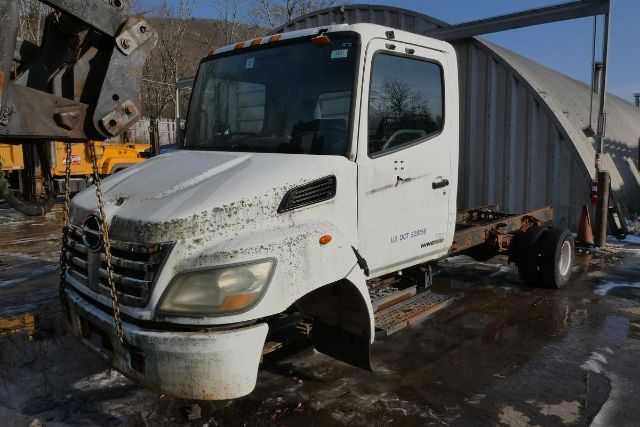
Shop used Hino cab and chassis trucks with diesel power, versatile wheelbases, and body-ready frames for box, flatbed, dump, or service use.
Learn more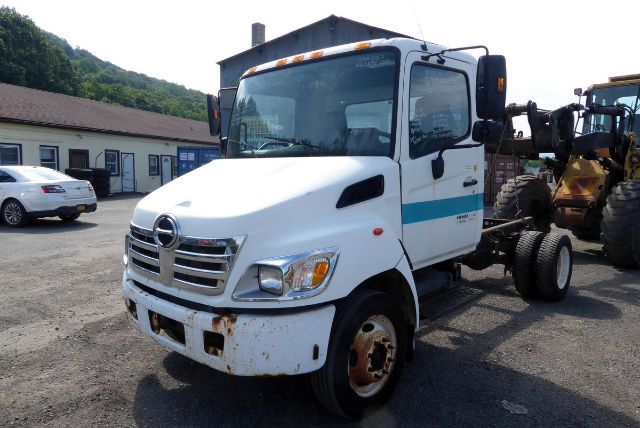
Have used hino cab and chassis truck to sell? List it here to reach thousands of buyers.
About Used Hino Cab and Chassis Trucks
In the used market, Hino cab and chassis models often fall into Class 4 through Class 7 ranges, including trucks like the Hino 145, NB165, and 338. Lighter models commonly carry GVWR ratings around 14,500 to 16,000 pounds with 4-cylinder diesel engines and hydraulic disc brakes, while larger chassis such as the 338 move into heavier GVWR ranges with 6-cylinder diesel power, higher rear axle ratings, and suspension choices such as spring or air ride. Automatic transmissions are common, especially on delivery and vocational specs. Single-axle 4x2 configurations dominate this category, and wheelbases can vary widely depending on whether the truck was ordered for a short city body or a longer van or platform application.
The most important inspection point on a used cab and chassis truck is how well the chassis spec matches the intended upfit. Cab-to-axle length affects body fitment, rear overhang, and weight distribution. Rear axle ratio matters if the truck will spend more time in stop-and-go city work versus higher-speed regional routes. Suspension type influences ride quality and body compatibility, especially for cargo-sensitive applications. Buyers should also look closely at frame condition, any evidence of previous body removal, PTO provisions if a hydraulic system is planned, brake type, tire size, and whether the truck has a single-frame or reinforced frame setup. On diesel Hino trucks, service history, emissions system condition, transmission operation, and signs of blow-by or excessive idle time deserve careful attention.
Hino cab and chassis trucks appeal to fleets and owner-operators who need a body-ready truck without moving into a full heavy-duty platform. They are especially well suited for municipal service, parcel delivery, trades, food distribution, and local freight where maneuverability, visibility, and predictable maintenance costs matter. A well-matched used Hino chassis can save significant upfit time and expense, but only if the axle ratings, wheelbase, and frame dimensions line up with the body and payload requirements from day one.
Frequently Asked Questions
What should I check first on a used Hino cab and chassis truck?
Start with cab-to-axle measurement, wheelbase, GVWR, and rear axle rating. Those specifications determine what body can be installed and how the finished truck will balance and carry weight. After that, inspect frame condition, transmission performance, brake system type, suspension, tire size, and the engine's service history. On used diesel trucks, emissions components and signs of excessive blow-by are also important.
What bodies are commonly installed on a Hino cab and chassis?
Hino cab and chassis trucks are commonly used for box trucks, refrigerated bodies, flatbeds, stake beds, dump bodies, utility bodies, and landscape bodies. The right match depends on cab-to-axle length, wheelbase, GVWR, and the intended payload. A truck spec'd for local delivery may not have the same axle, suspension, or frame requirements as a truck being converted into a dump or crane body.
Are Hino cab and chassis trucks good for local delivery work?
Yes. Hino is a strong fit for local and regional delivery because these trucks are typically easy to maneuver, available with automatic transmissions, and offered in medium-duty GVWR ranges that suit city routes and frequent stops. Many buyers also prefer the visibility from the cab, diesel efficiency, and body-upfit flexibility for parcel, beverage, foodservice, and trade applications.
How do I choose the right wheelbase on a used Hino chassis?
Choose wheelbase based on the body length you plan to install, required cab-to-axle measurement, turning radius needs, and target payload. A shorter wheelbase helps in urban delivery and tighter job sites, while a longer wheelbase supports longer van bodies or platform bodies. The body manufacturer or upfitter should confirm the exact cab-to-axle and frame length needed before purchase.
What is the difference between lighter Hino models and heavier models like the Hino 338?
Lighter Hino chassis such as the 145 or older NB-series trucks are typically used for lower GVWR applications, smaller bodies, and urban routes. Heavier models like the Hino 338 usually offer more horsepower, higher rear axle capacity, larger tires, and heavier-duty suspension options. That makes them better suited for larger van bodies, more demanding payloads, and vocational applications that need more chassis capacity.