
Trucks For Sale in Missouri
Missouri commercial trucks buyer guide on floors, insulation, tare weight, corrosion protection, powertrains, axles, and application-focused specs.
Learn morePopular Trucks Categories

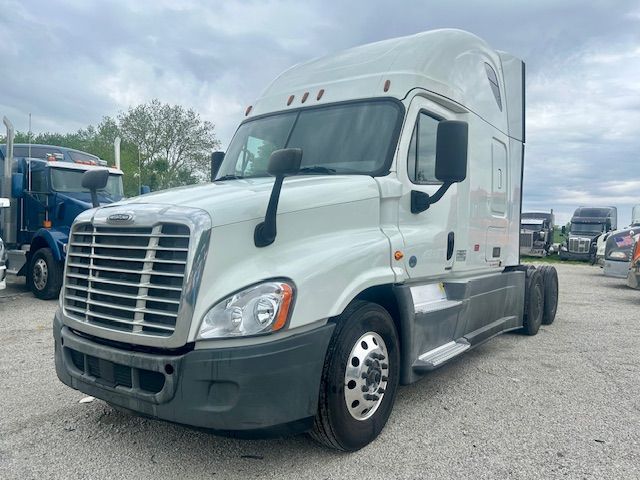
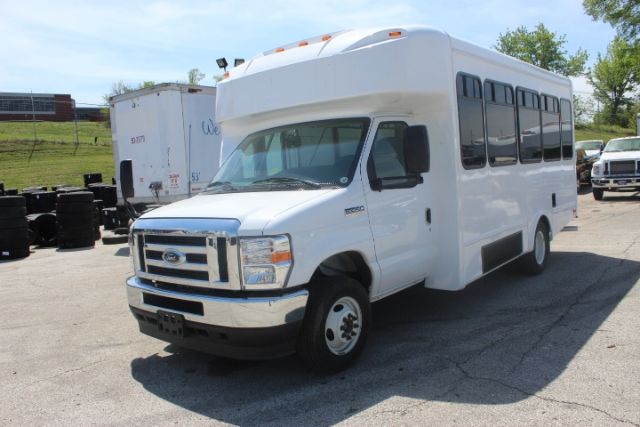
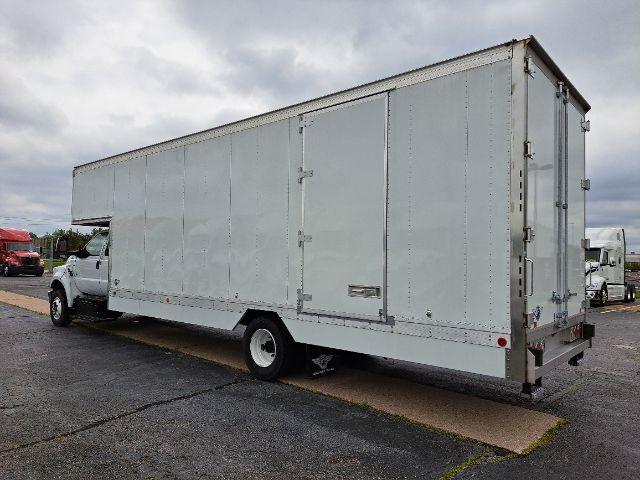
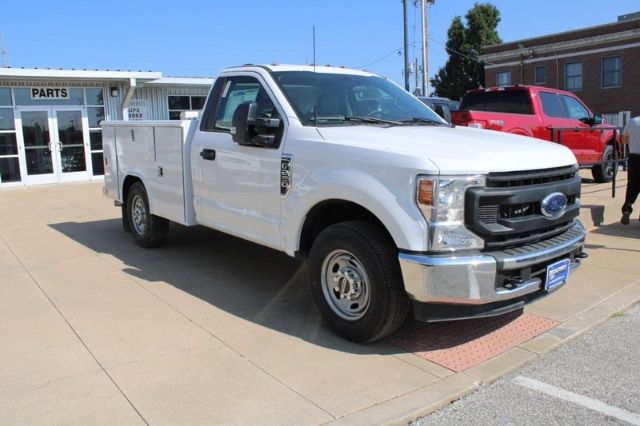
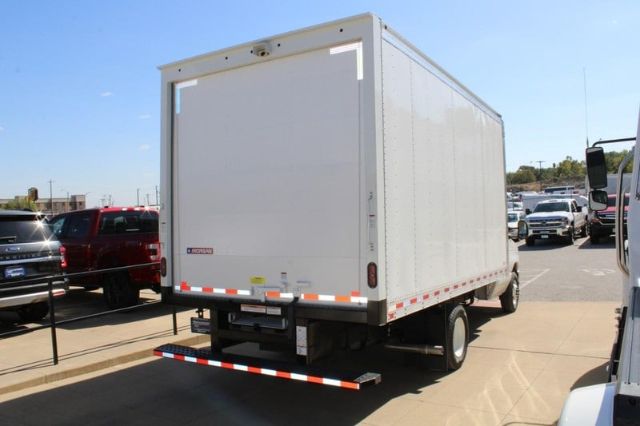
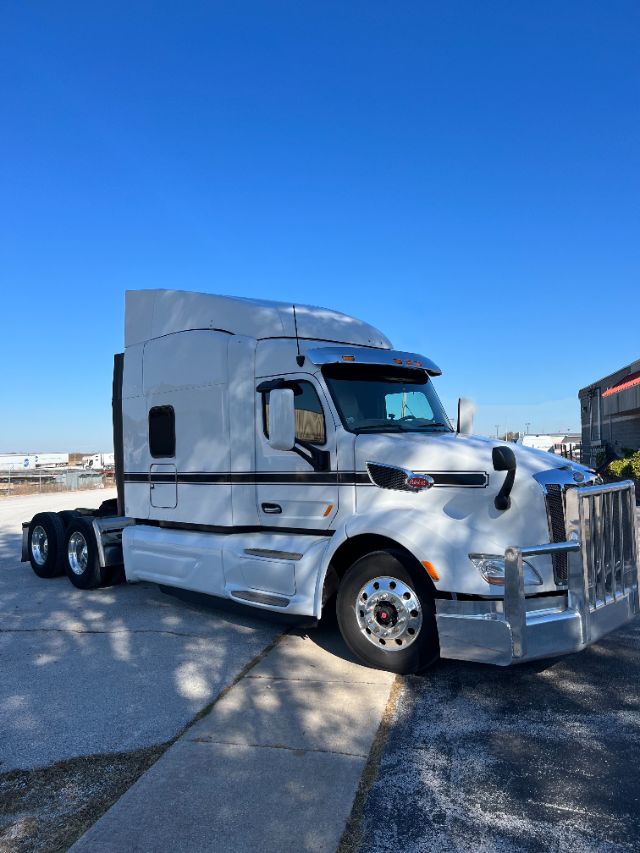
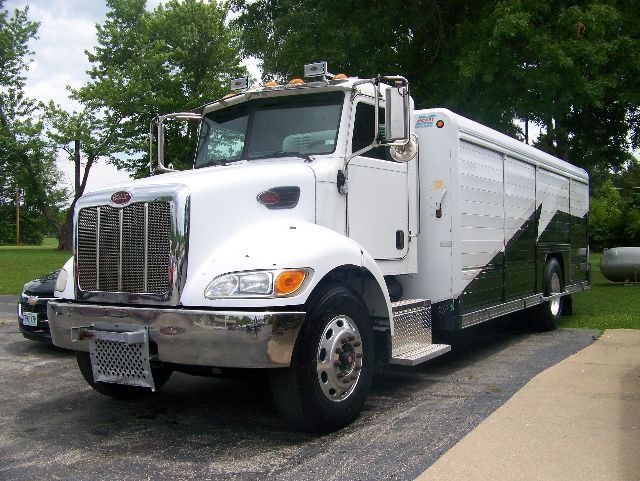
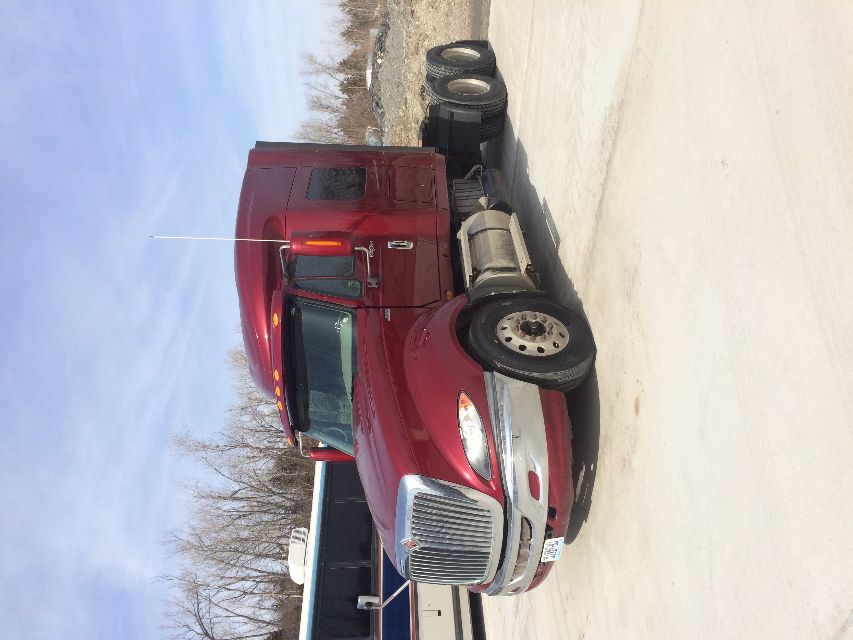
Showing 1 to 12 of 23 results
Have truck to sell? List it here to reach thousands of buyers.
About Trucks in Missouri
Floor strength is a primary buying decision for box, reefer and vocational bodies. For dry van or reefer straight trucks, look at floor rating per axle load of a pallet jack or forklift, 12 inch on center crossmembers with hardwood or apitong laminated floors handle frequent forklift entries, composite floors reduce tare and moisture absorption. Full width rear threshold plates and high scuff liners prevent edge damage. For dump, roll-off or flatbed applications, AR400 or AR450 wear plate floors increase dent resistance, aluminum floors trim weight but deflect more under point loads. Crossmemberless flatbeds save weight and clean up aerodynamics but rely on thicker deck sections, crossmembered designs spread point loads with less deck thickness.
Thermal integrity is critical for reefer trucks that see Missouri heat and humidity, then winter freezes. Foam-in-place polyurethane panels with tight joint design, thermal breaks at posts and door frames, and high quality door seals reduce heat gain and fuel burn. Air chutes and return air management keep setpoint uniform front to back. Thicker floors with embedded ducting protect cargo, but add weight, a stainless rear frame and insulated side doors help retain temperature during multi-stop delivery. Electric standby capability reduces hours on the diesel unit in dock work and can materially cut operating cost.
Powertrain and running gear choices affect both tare weight and cost per mile. Downsped engines with adequate torque and a direct drive or efficient overdrive automated transmission lower fuel use, pair them with rear axle ratios that keep cruise RPM in the sweet spot on I-70 and I-44 grades. 6x2 saves weight and friction losses compared to 6x4, traction packages and liftable pusher axles balance wear and bridge compliance. Wide base singles cut weight and rolling resistance, duals offer redundancy and winter traction. Disc brakes improve fade resistance and serviceability, drums are lighter in heavy vocational specs. Look for sealed electrical harnesses, LED lighting, undercoating in high spray areas, and stainless hardware to fight corrosion. For buyers comparing trucks for sale in Missouri, the best value aligns floor rating and insulation with freight type, trims unnecessary tare, and protects the chassis from corrosion to preserve payload and resale.
Frequently Asked Questions
What floor rating should I target for a box or reefer truck that loads with forklifts?
Match the floor rating to your heaviest expected axle load from the forklift, not just total pallet weight. A common spec is 12 inch on center crossmembers with laminated hardwood or apitong rated for 8,000 to 10,000 pounds per forklift axle, heavier multi-temp fleets sometimes move to 10 inch spacing or composite floors with higher point load tolerance. Add full width rear threshold plates and 12 to 18 inch scuff liners to prevent edge crush and sidewall damage that compromise floor life.
How does insulation level in a reefer body affect fuel use and product protection in Missouri?
Higher insulation value reduces unit run time in summer humidity and stabilizes product temps during winter door openings. Foam-in-place polyurethane with well sealed joints yields low K factor, thicker sidewalls and floors raise R value but add weight. Door design, seal quality, and air management can offset some insulation thickness by cutting infiltration. For multi-stop urban routes, prioritize door seals, insulated side doors, and air chutes. For long haul, prioritize overall panel R value and a tight rear frame. Electric standby can substantially reduce diesel hours at docks.
What are practical ways to reduce tare weight without sacrificing durability?
Start with the chassis, choose the lightest axle and suspension ratings that still meet legal payload and duty cycle. Aluminum wheels, composite or aluminum air tanks, and a single large fuel tank instead of duals remove hundreds of pounds. On the body, consider composite floors and crossmemberless flatbeds where point loads are controlled, or AR plate with optimized thickness for dumps. Automated manual transmissions are typically lighter than traditional automatics. Wide base singles and a 6x2 layout can save significant weight, but evaluate traction needs and tire replacement logistics.
How can I improve corrosion resistance for Missouri winters and road salts?
Look for frames with e-coat or zinc-rich primer under an OEM topcoat, sealed crossmember and hanger fasteners, and wax-based cavity protection in boxed sections. Aluminum cabs, stainless or composite battery boxes, stainless hardware, and sealed electrical connectors reduce galvanic and chloride corrosion. Apply underbody coatings in high spray areas around wheel ends and behind steer tires, use mud flap hangers that do not trap debris, and wash routinely with fresh water after storms. Spec galvanized or stainless liftgate components and choose LED lighting with potted drivers.
Which axle and suspension choices balance ride quality, traction and compliance with bridge laws?
Air ride drive suspensions protect freight and ride better on broken pavement, steel spring saves weight and is favored in severe vocational use. For heavier payloads, a liftable pusher or tag axle can shift weight to meet bridge and axle limits on Missouri highways, then lift empty to reduce tire scrub and fuel burn. A 6x2 can reduce tare and parasitic loss, traction control and load bias valves help in poor conditions, but fleets running unpaved sites may still prefer 6x4. Match wheelbase to body length and turning constraints to keep curb-to-curb manageable in urban delivery.