
Trucks For Sale in Arkansas
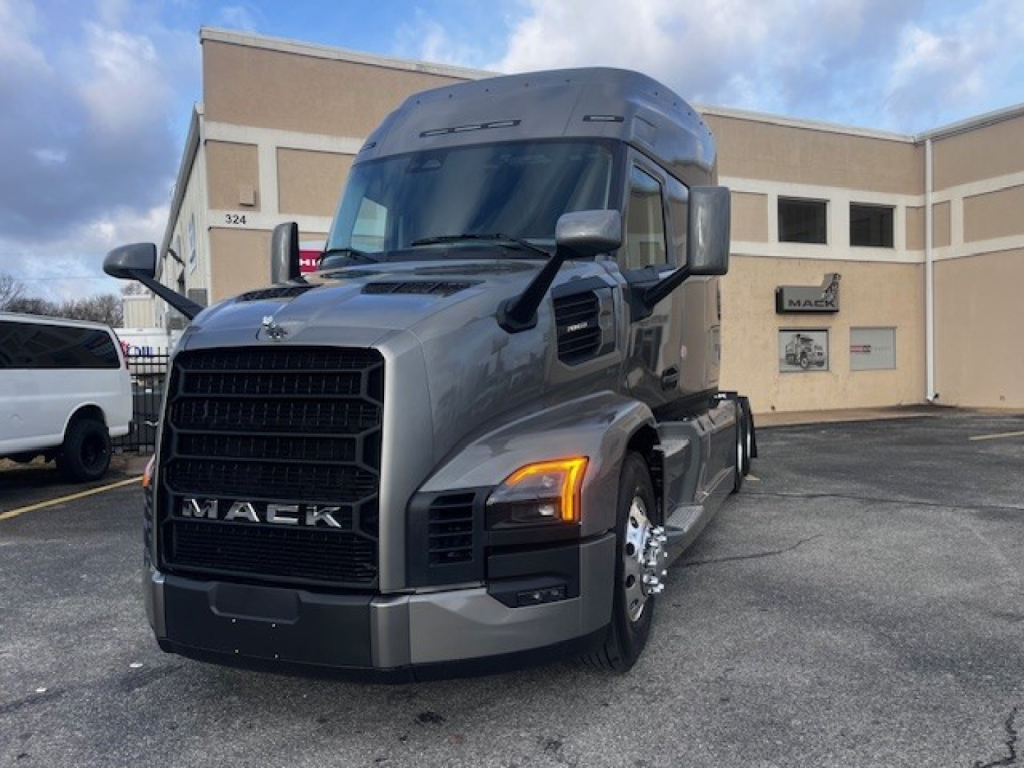
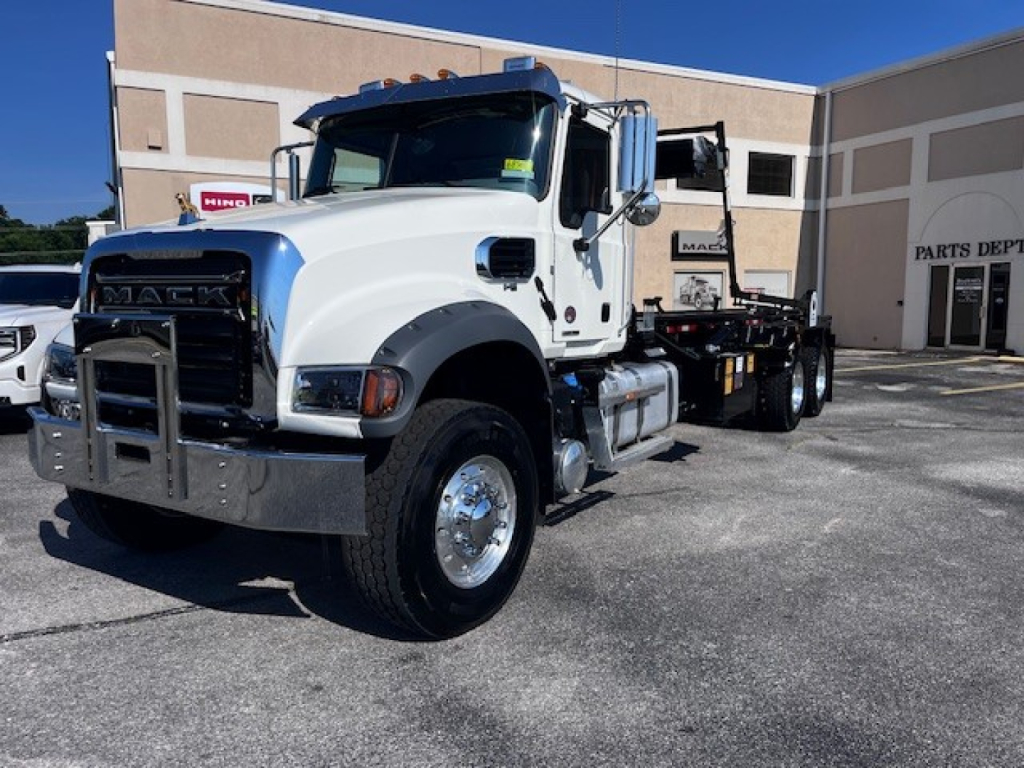
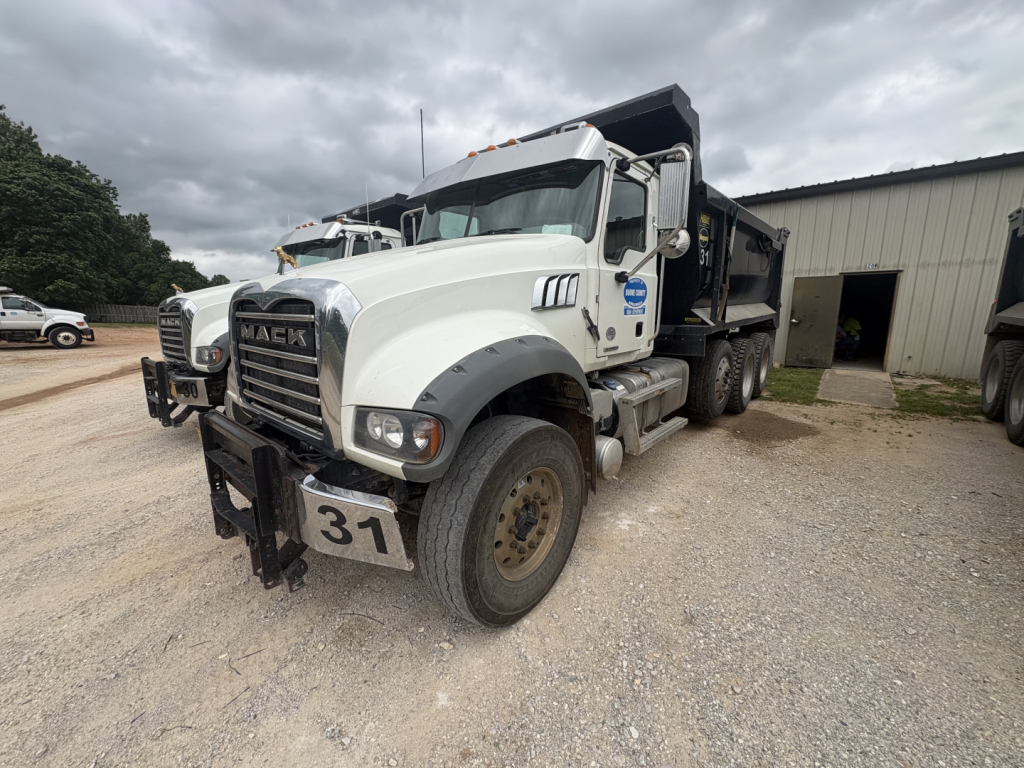
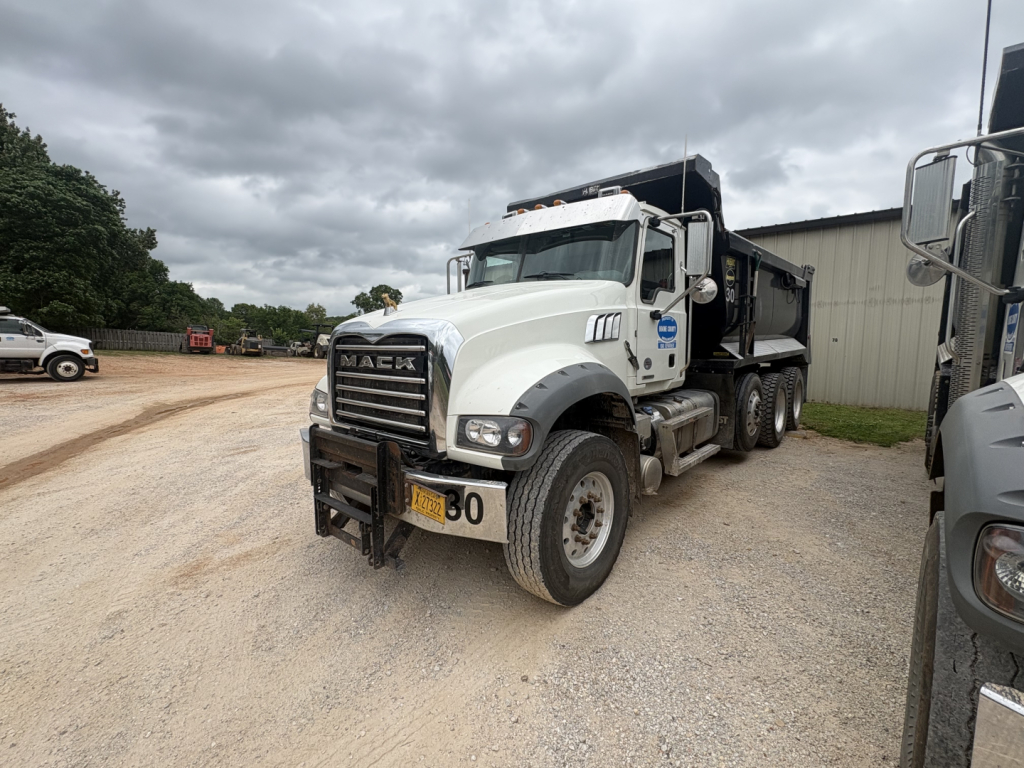
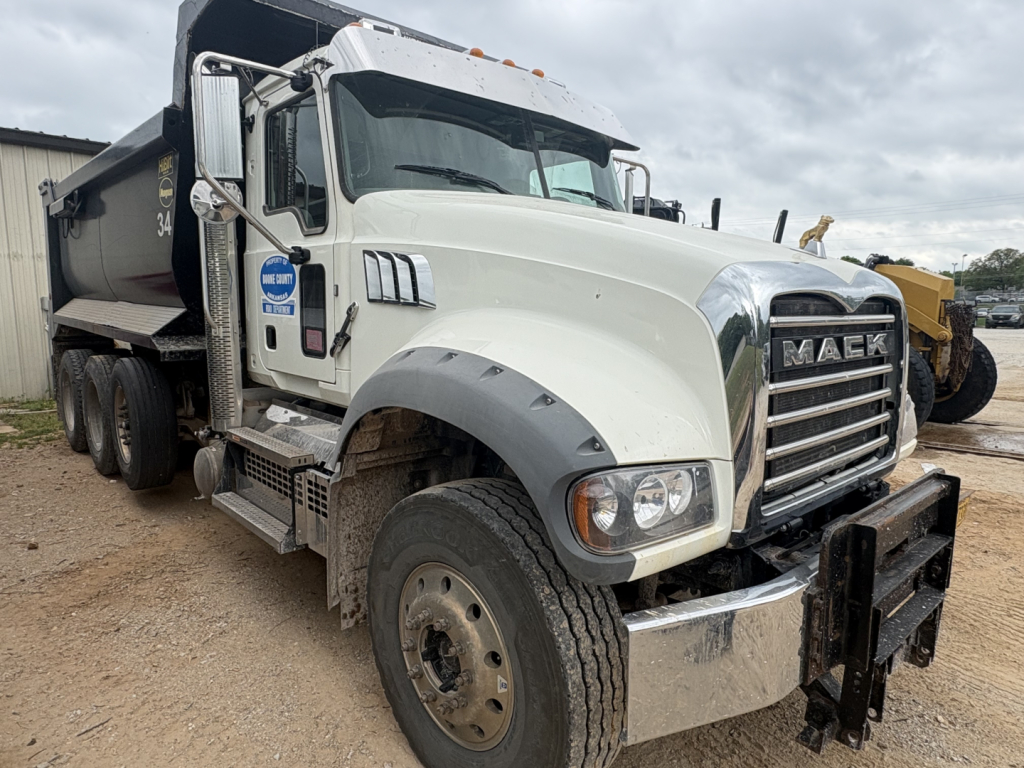
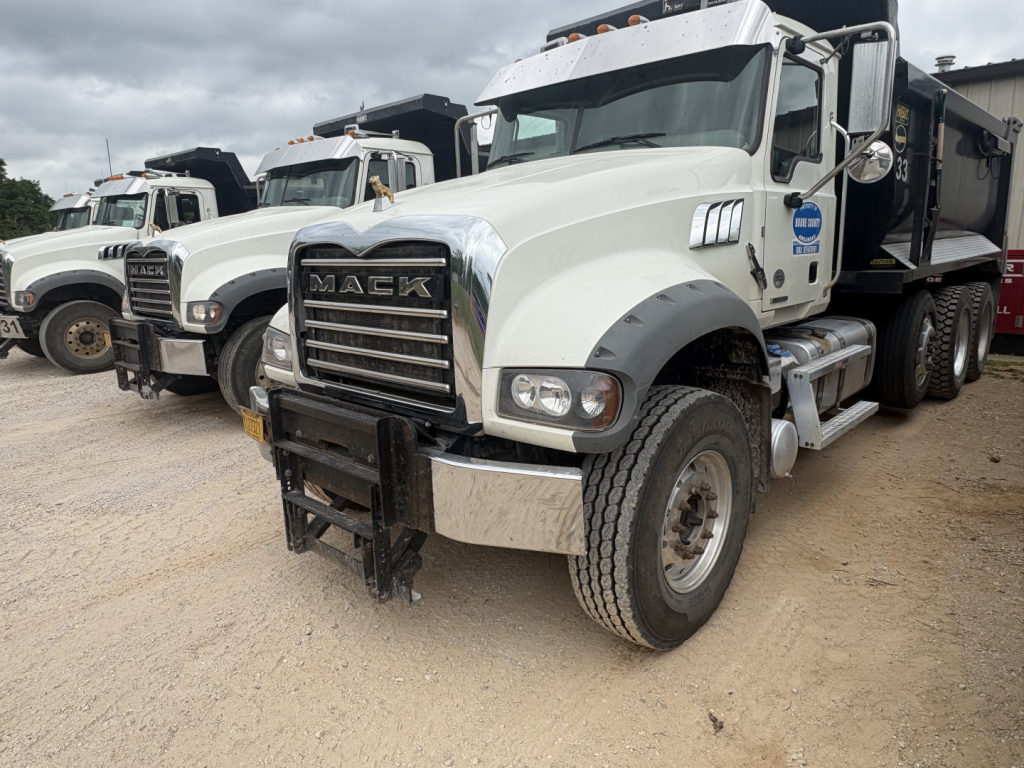
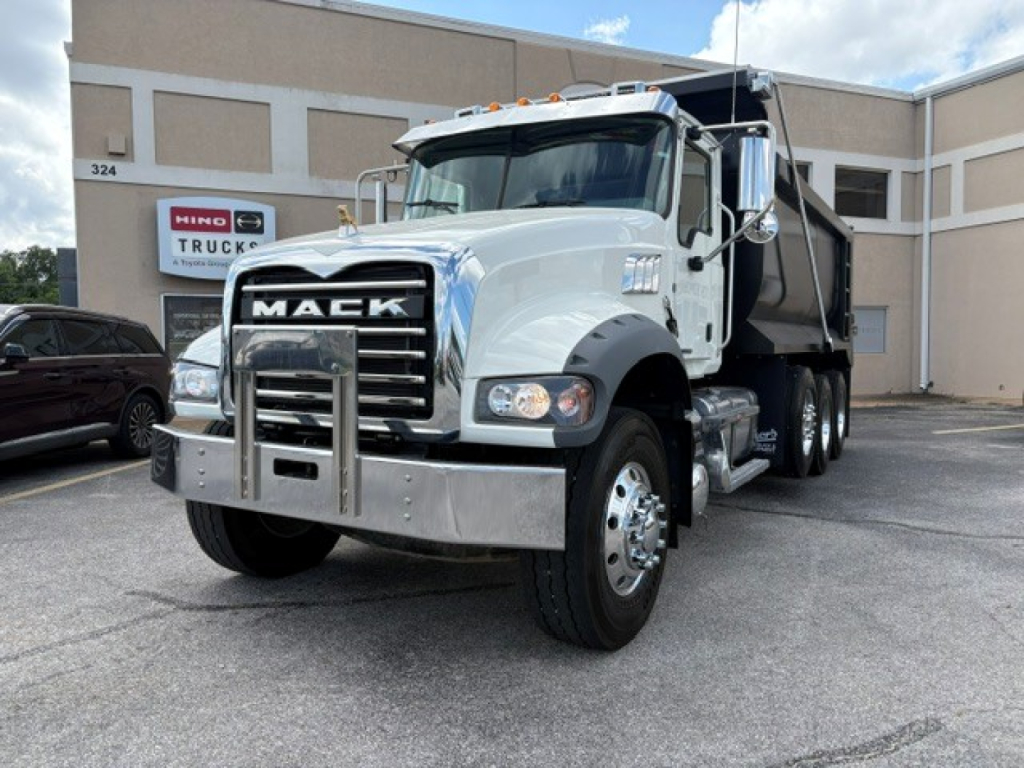
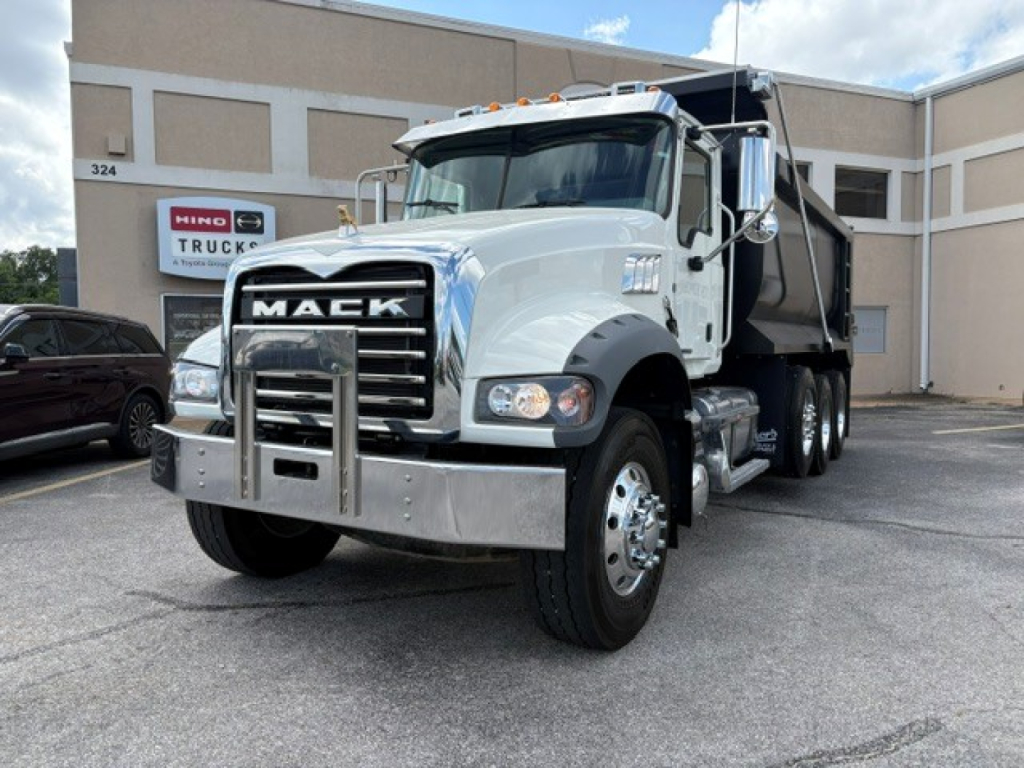

Showing 1 to 24 of 46 results
Have truck to sell? List it here to reach thousands of buyers.
Trucks in Arkansas
Powertrain decisions matter more than buyers sometimes expect. Arkansas operators often balance highway miles, stop-and-go duty cycles, grades, and seasonal heat when choosing engine ratings, rear axle ratios, and transmissions. For linehaul and regional freight, a conventional day cab or sleeper with an automated manual or heavy-duty automatic transmission is common, with horsepower and torque matched to gross combined weight and terrain. For medium-duty work, Cummins B6.7 and similar platforms remain popular because service access, parts support, and PTO compatibility are well understood across many fleets. Buyers comparing vocational trucks should pay close attention to front axle capacity, suspension type, wheelbase, frame reinforcement, and the available space for hoists, pumps, tanks, or auxiliary equipment.
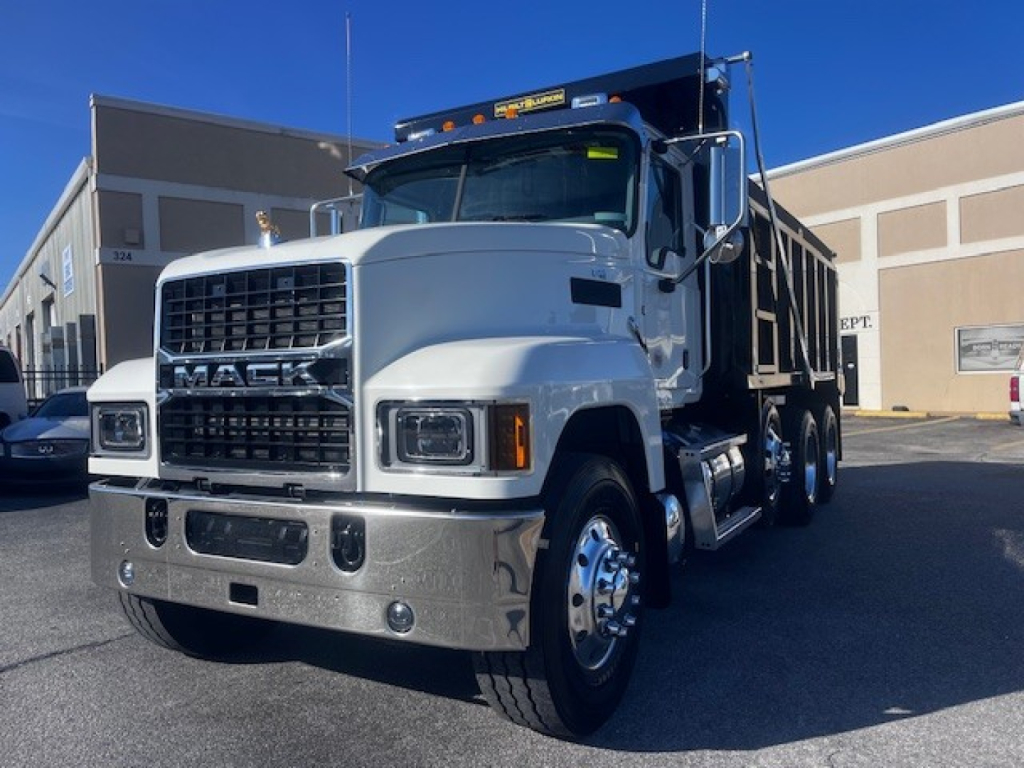
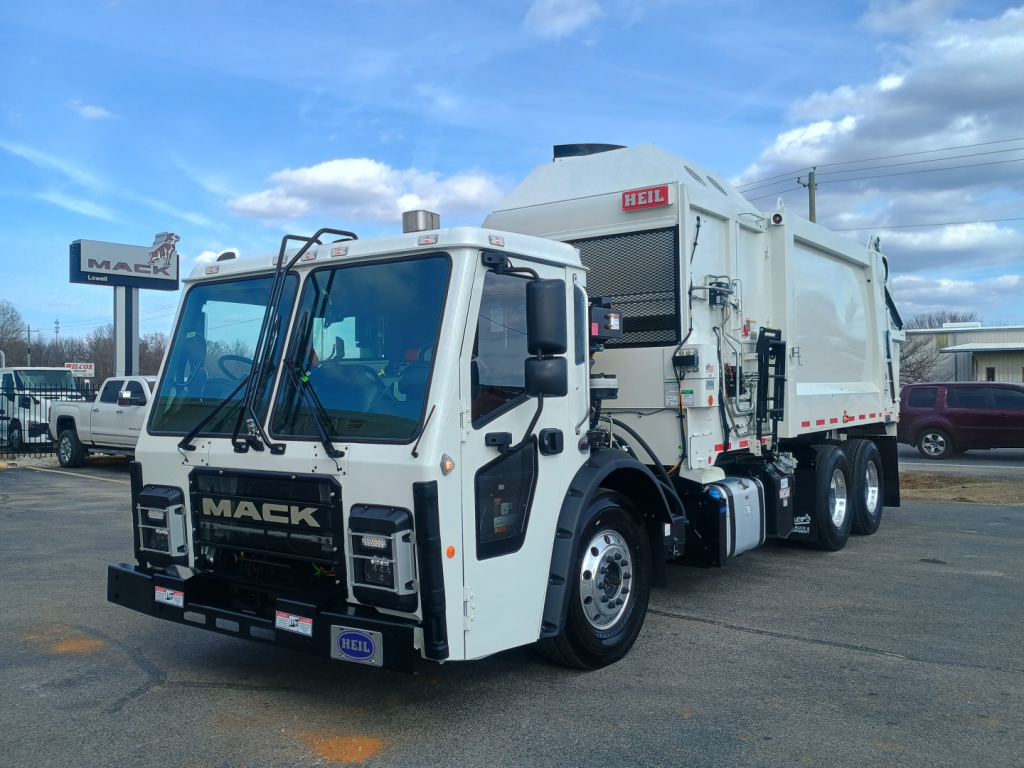
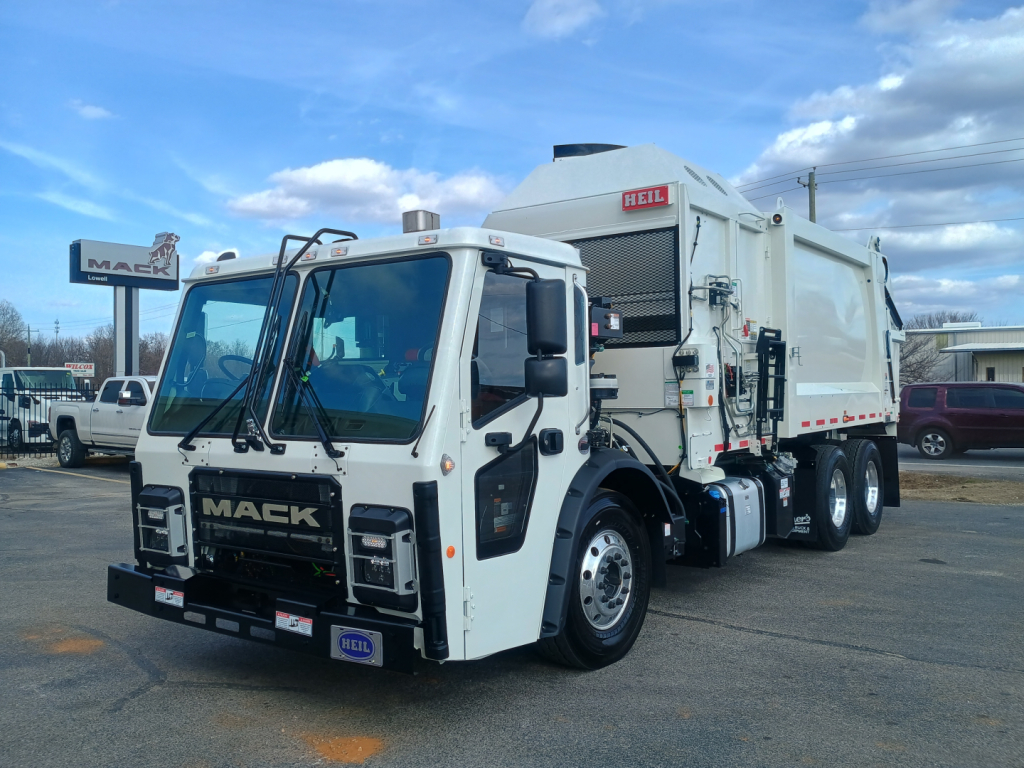
Truck category also drives operating cost. Dump trucks, refuse trucks, and other severe-service units need components built for higher frame stress, tighter turning, and repeated starts, stops, and body cycling. A refuse side loader, for example, typically prioritizes visibility, dual-drive or stand-up friendly cab layout, heavy rear suspensions, and body integration over highway speed efficiency. A dump truck buyer will usually focus on body length, hoist rating, pintle or hitch setup, payload target, and whether the chassis is spec'd to stay under CDL thresholds when needed. Cab-and-chassis trucks offer the most flexibility for fleets that plan to install service bodies, flatbeds, van bodies, or utility equipment later.
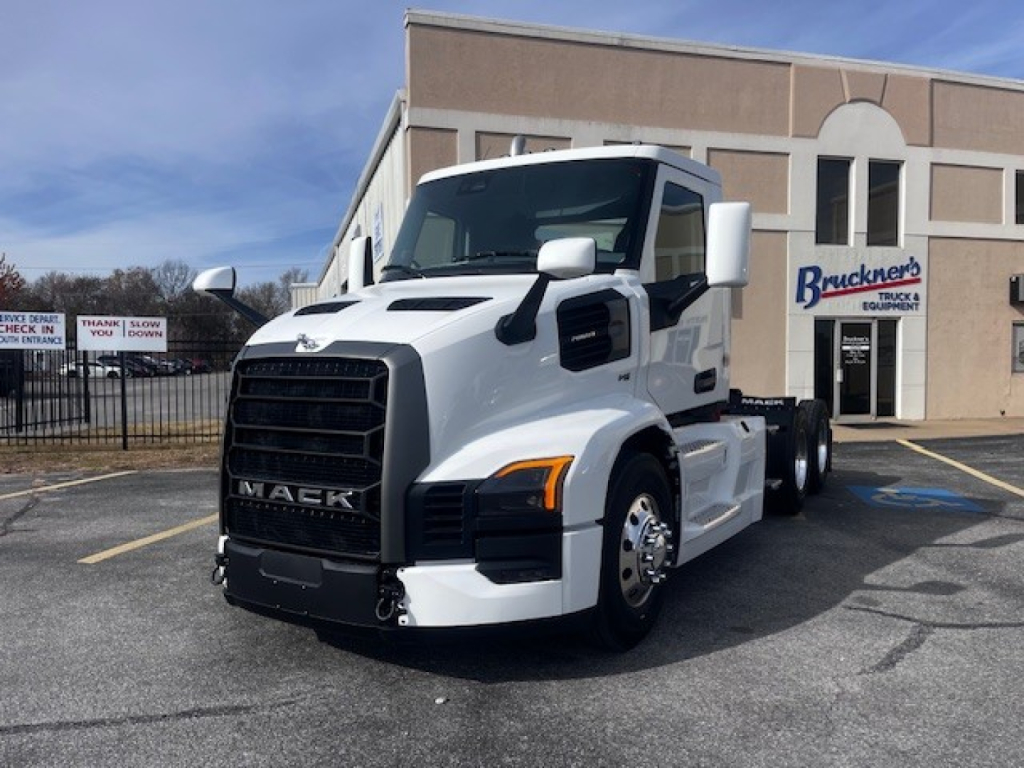
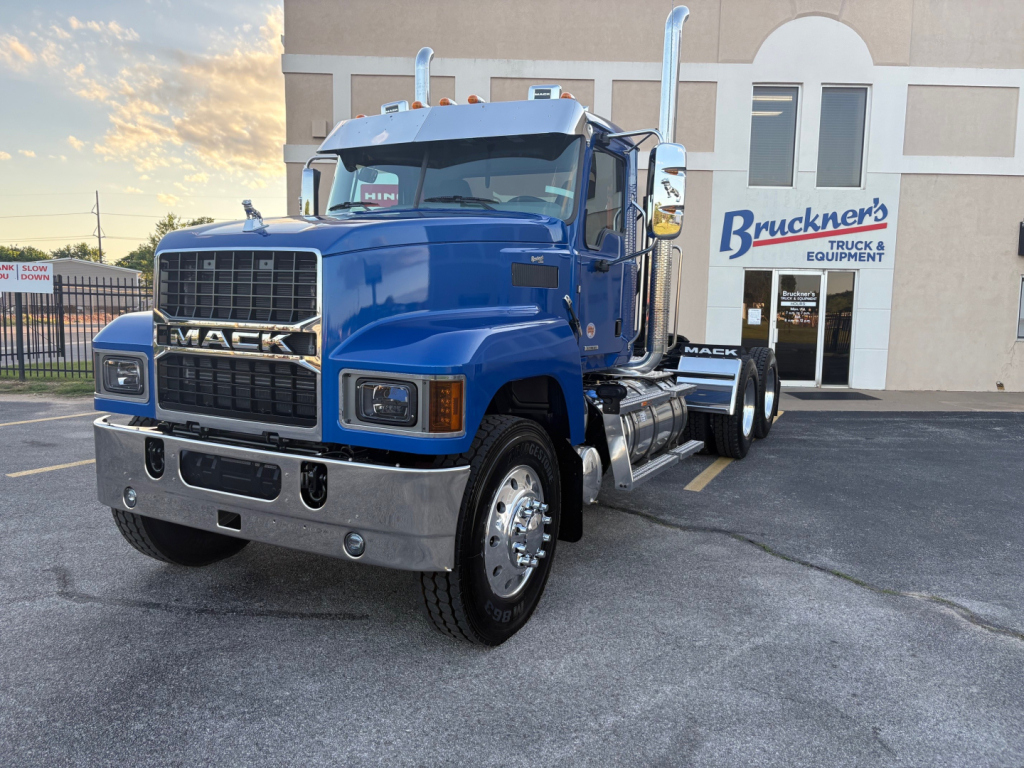
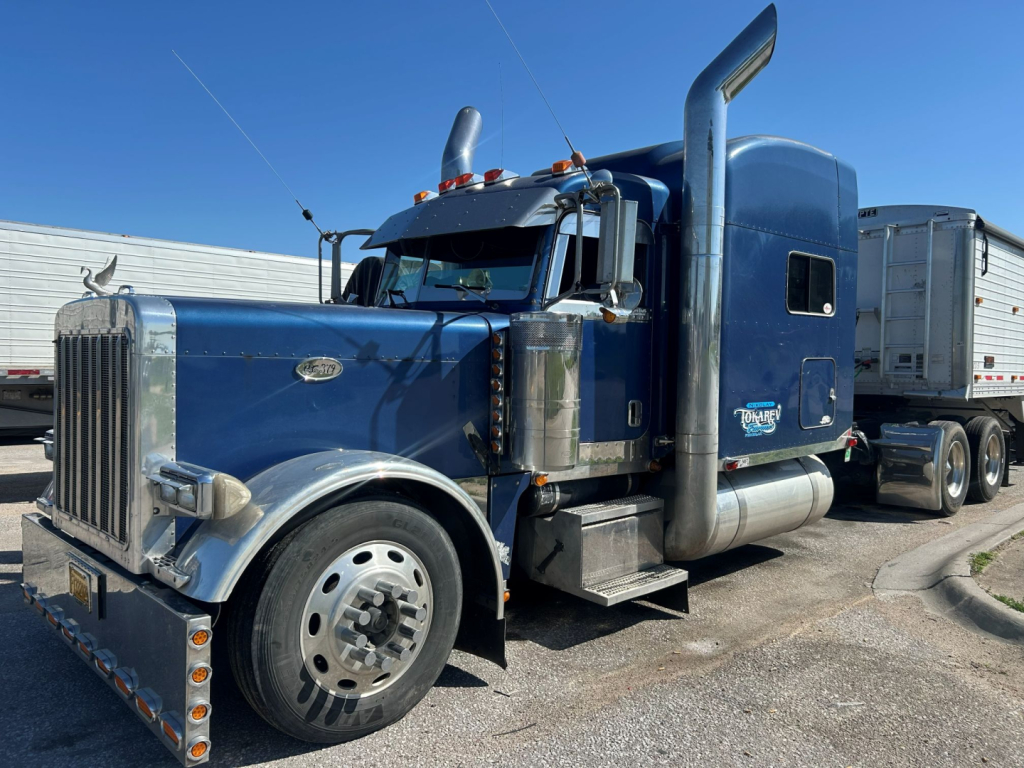
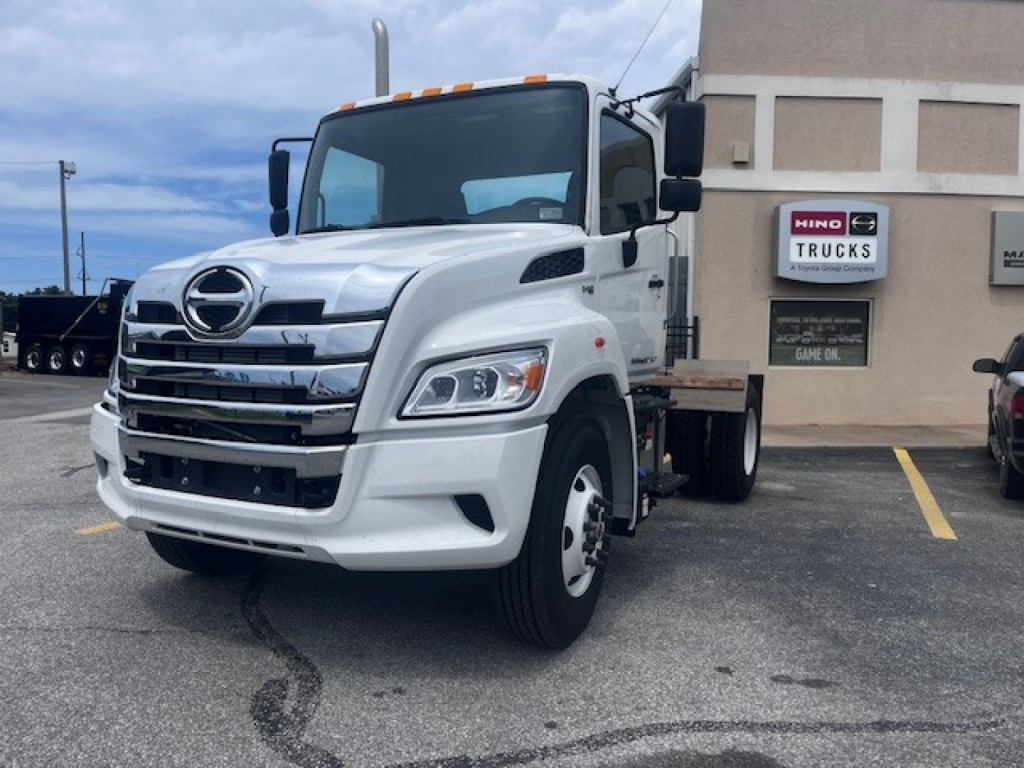
When comparing trucks for sale in Arkansas, look beyond model year and mileage and focus on how the truck is actually spec'd. Check GVWR and GCWR, axle ratings, wheelbase, cab configuration, PTO provisions, transmission model, suspension, and brake setup. On highway tractors, verify fifth wheel position, fuel capacity, and sleeper size if applicable. On vocational units, review body manufacturer integration, hydraulic controls, and any upfit details that affect uptime and serviceability. The best truck in this category is the one matched closely to route, payload, body requirement, and maintenance plan, because correct spec'ing usually matters more than badge alone.
Frequently Asked Questions about Trucks in Arkansas
What types of trucks are commonly listed for sale in Arkansas?
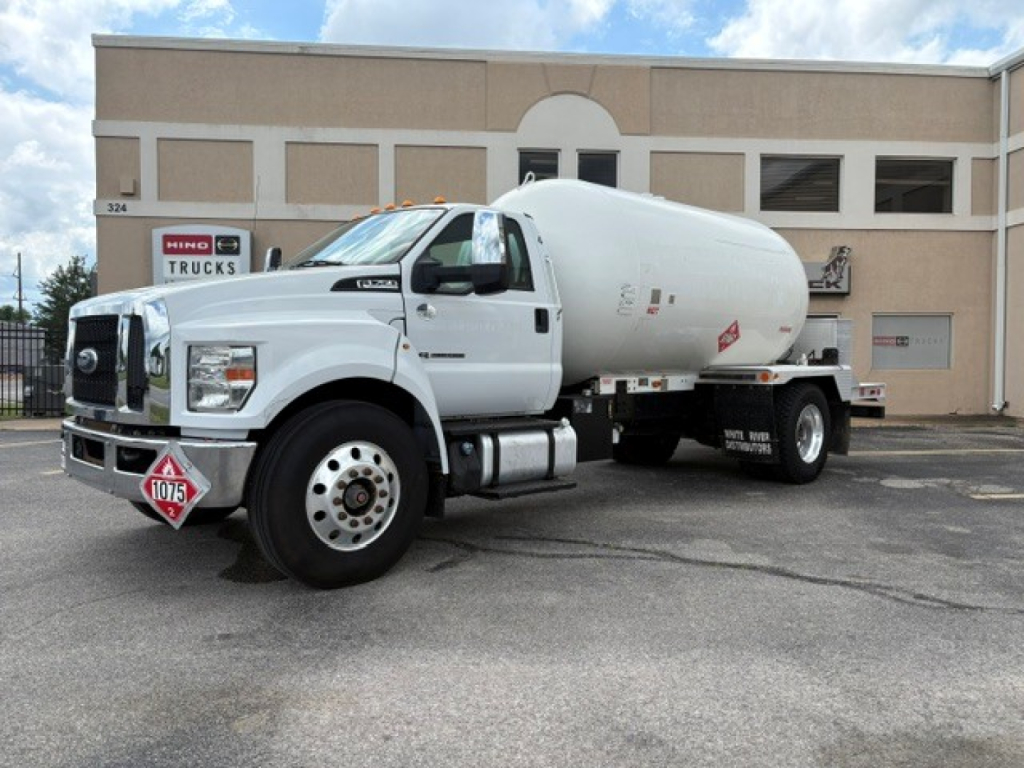
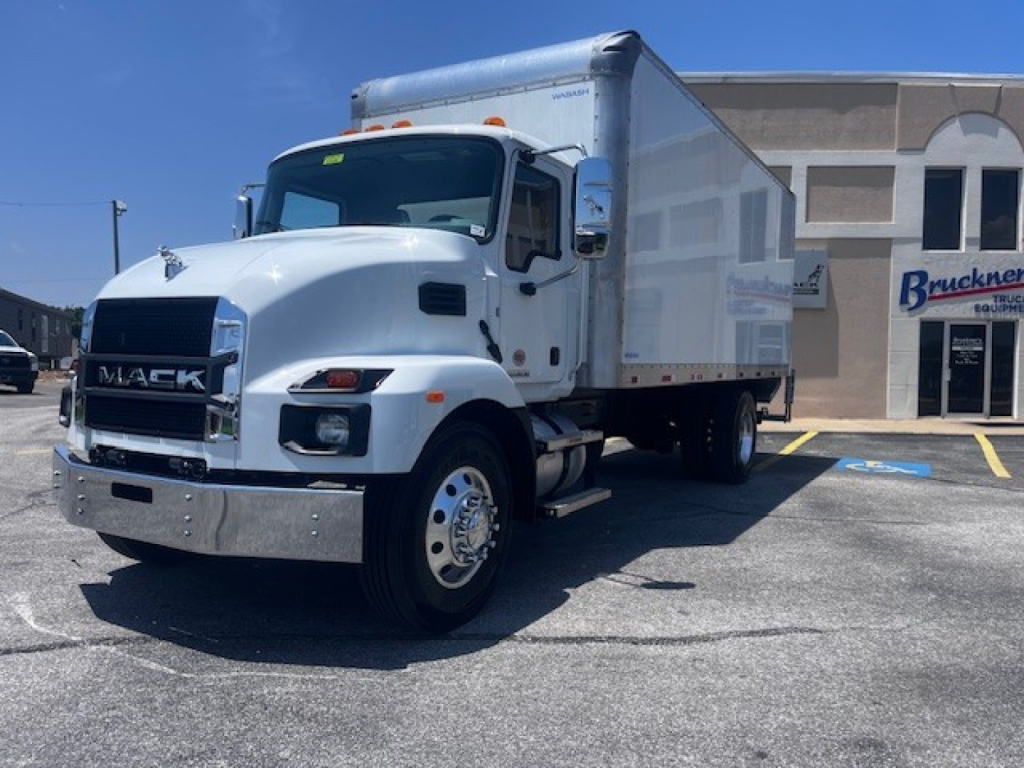
Truck listings in Arkansas commonly include heavy-duty highway tractors, conventional day cabs, sleeper trucks, dump trucks, cab-and-chassis units, medium-duty delivery trucks, and refuse trucks. The mix reflects the state's freight corridors, construction demand, municipal use, and regional distribution work. Buyers will often see both on-road and vocational specs, so the category spans everything from long-haul tractors to body-ready work trucks.
How do I choose between a day cab, sleeper, and vocational truck?
The choice depends on route length, payload, and the type of work the truck performs. Day cabs are common for local and regional hauling where overnight accommodations are not needed. Sleeper trucks are better for long-distance or multi-day runs because they add driver comfort and legal rest capability. Vocational trucks such as dumps, refuse trucks, and cab-and-chassis models are designed around jobsite, municipal, or specialized body applications, so axle capacity, PTO compatibility, and frame layout become more important than sleeper size or fuel range.
What specs matter most when buying a truck for Arkansas routes and job conditions?
The most important specs are GVWR or GCWR, engine horsepower and torque, transmission type, axle ratings, suspension, rear axle ratio, and wheelbase. In Arkansas, buyers should also think about grades, mixed highway and local duty cycles, and jobsite access. A truck that spends time in hilly terrain or stop-and-go service may need different gearing, cooling capacity, and suspension than a truck used mainly for steady interstate freight.
Why is cab-and-chassis a popular truck category?
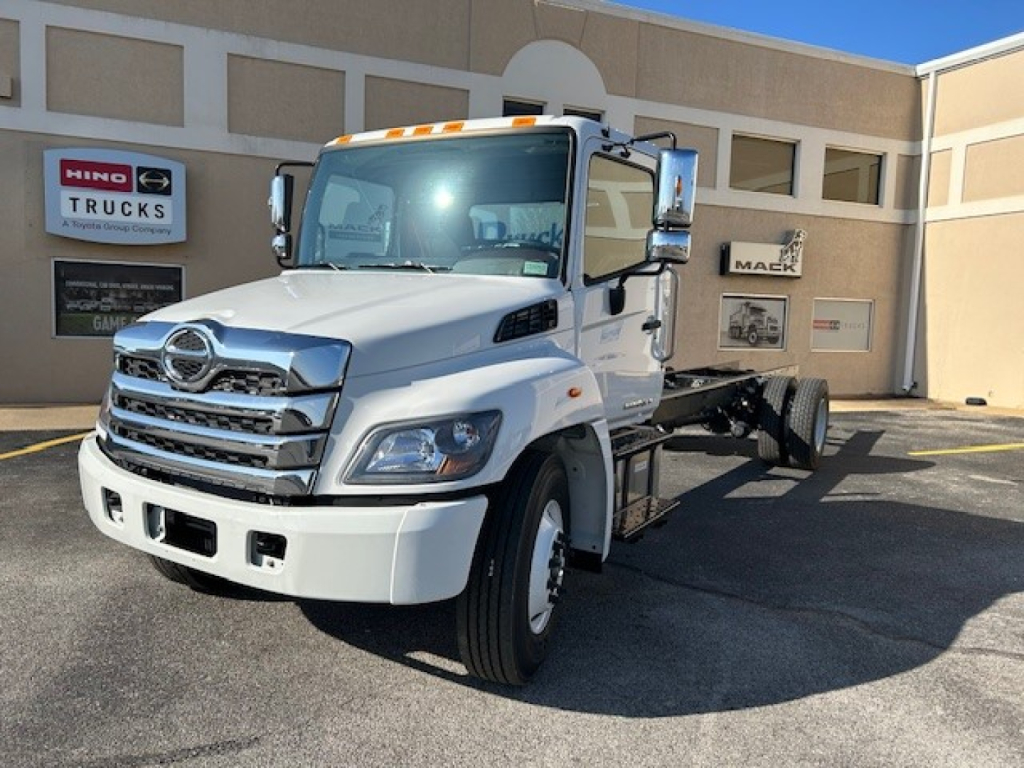
Cab-and-chassis trucks are popular because they give the buyer a body-ready platform that can be upfitted for many uses. Common body types include flatbeds, service bodies, dump bodies, van bodies, utility bodies, and specialty municipal equipment. That flexibility makes cab-and-chassis units a strong fit for contractors, service fleets, local delivery companies, and public sector buyers who need to match a truck to a specific operational role.
What should I inspect on a vocational truck before buying?
On a vocational truck, inspect more than the engine and cab. Review frame condition, axle capacities, suspension type, PTO setup, hydraulic components, body mounting, hoist function, and any evidence of stress or corrosion around the upfit. It is also important to confirm that the wheelbase, frame length, and component placement work for the intended body and payload. On trucks with specialized equipment such as dumps or refuse bodies, integration quality and service access can have a major impact on uptime.