
Trailers For Sale in South Dakota
Browse trailers for sale in South Dakota, including dry vans and reefers. Compare specs, suspension, axle settings, lengths, and applications.
Learn morePopular Trailers Categories

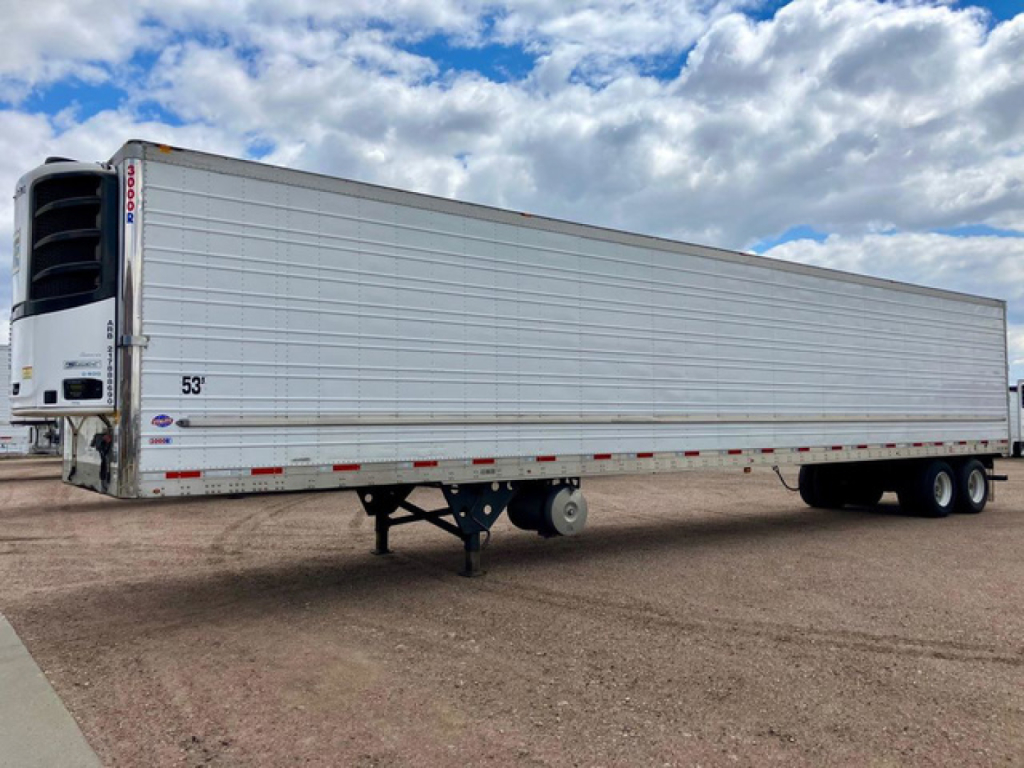
2022 Utility Reefer
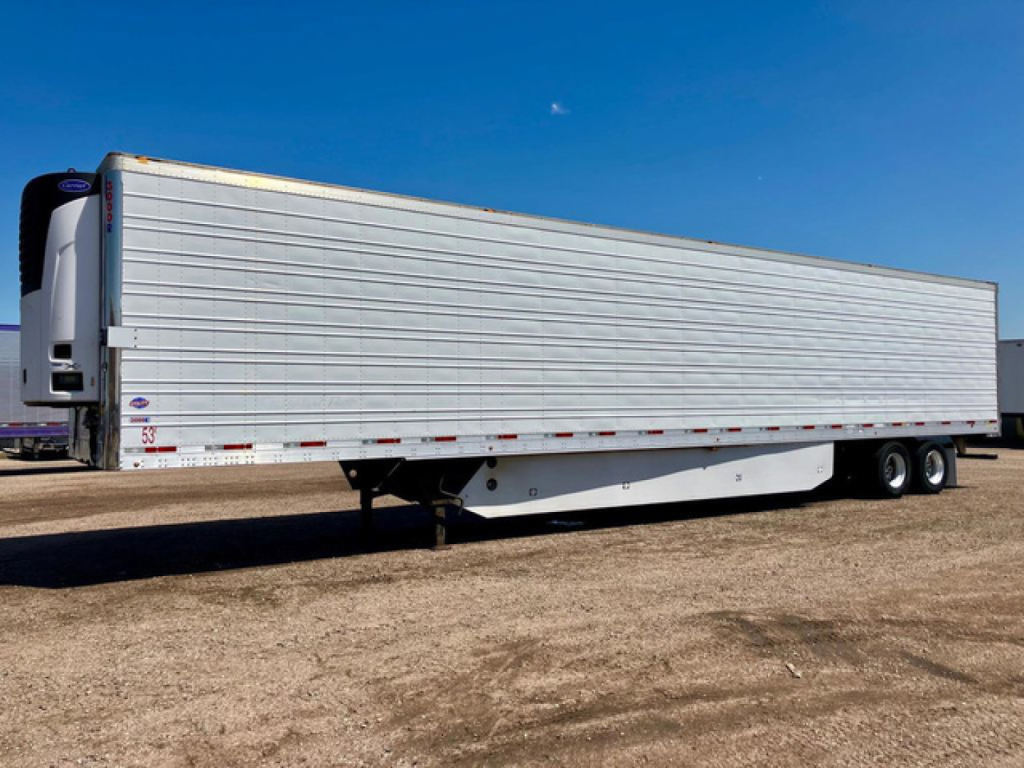
2017 Utility Reefer
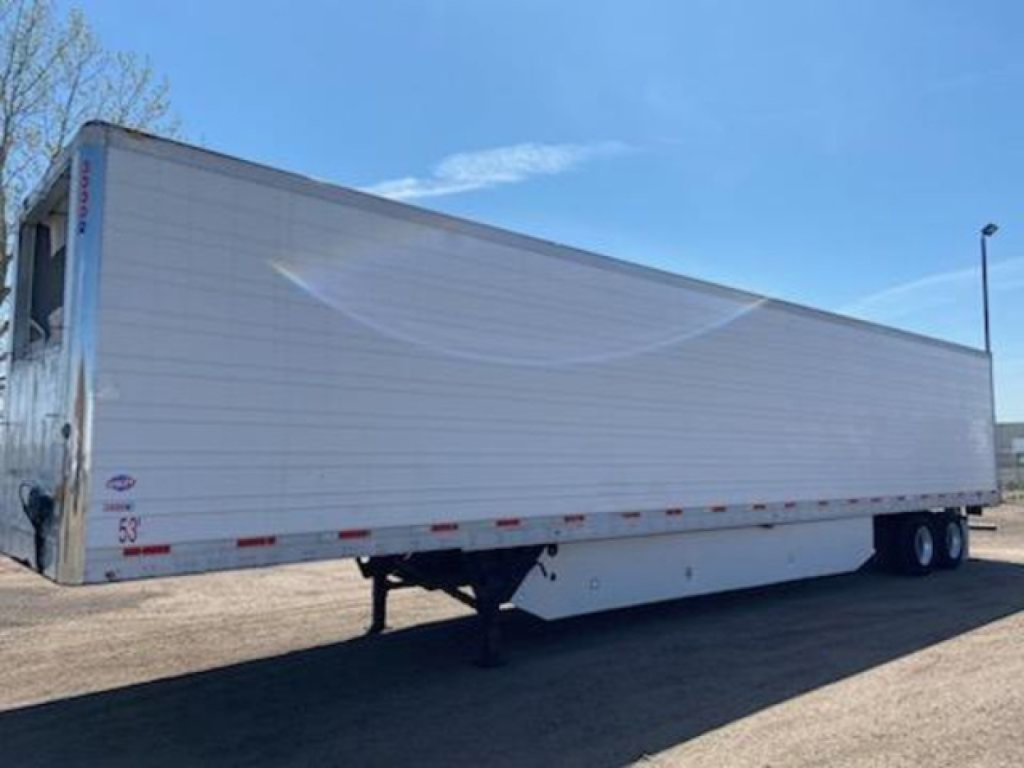
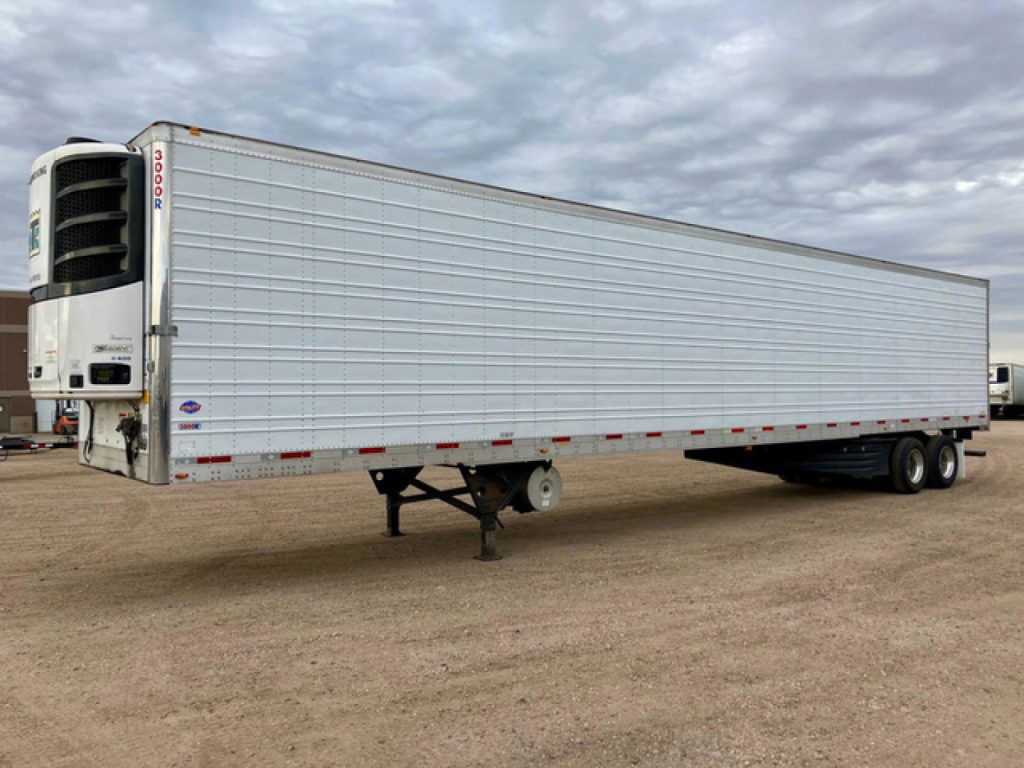
Showing 1 to 12 of 241 results
Have trailer to sell? List it here to reach thousands of buyers.
About Trailers in South Dakota
For van and refrigerated trailers, common specs include aluminum roofs, air ride suspension, 22.5 tires, tandem sliding axles, and swing or roll-up rear doors. A dry van, also known as an enclosed van trailer, is typically chosen for palletized freight, retail loads, and dock-to-dock work where weather protection and cube matter more than floor loading by machine. Reefers add insulated walls and a refrigeration unit for temperature-controlled freight, so buyers should pay close attention to unit hours, chute condition, floor wear, door seals, and fuel tank setup in addition to the trailer body itself. On used vans and reefers, tire tread depth, lining condition, crossmember integrity, and signs of floor soft spots or rear frame damage deserve a close look.
South Dakota buyers also need to think about operating conditions. Winter service puts extra value on sound wiring, ABS function, brake condition, door seal integrity, and suspension components that have not been heavily affected by corrosion or road treatment. If the trailer will run interstate freight, sliding tandems, kingpin setting, and overall weight distribution matter for bridge law compliance and axle scaling flexibility. For regional and agricultural use, ease of maintenance, parts support, and the trailer’s ability to handle uneven yards, seasonal loading conditions, and repeated commodity cycles can matter more than cosmetic appearance.
A good trailer purchase comes down to structure, spec, and serviceability. Check the frame and substructure first, then confirm the trailer has the right dimensions, rear opening, interior lining, and suspension for your freight. Features such as air ride, aluminum wheels, scuff liners, duct floors, tire inflation systems, lift axles, and telematics can improve uptime or resale depending on the application. Buyers comparing multiple trailers should focus on legal payload, maintenance history, body condition, and how easily the trailer can be integrated into the current fleet rather than choosing on model year alone.
Frequently Asked Questions
What types of trailers are most commonly used in South Dakota?
Dry vans, refrigerated trailers, hopper trailers, livestock trailers, flatbeds, and equipment trailers are all common in South Dakota. The right choice depends on the freight mix. Dry vans handle general palletized freight, reefers are used for food and temperature-sensitive cargo, and agricultural operations often rely on hopper bottoms, livestock units, and dump-style trailers for grain, feed, and bulk materials.
What should I inspect first on a used trailer?
Start with the structure. Look at the frame rails, crossmembers, floor condition, rear frame, suspension hangers, brakes, and axle alignment. After that, inspect tires, wheels, lights, ABS, doors, seals, and any visible corrosion or impact damage. On van and reefer trailers, interior lining condition, water intrusion, and floor wear are important because they directly affect freight protection and long-term repair cost.
Why does axle spacing or sliding tandem position matter on a trailer?
Sliding tandems help with bridge law compliance, axle weight distribution, and loading flexibility. A trailer with sliding tandems gives the driver more control over how weight is balanced between tractor and trailer axles, which is important for legal scaling on different loads and routes. Fixed axle setups can be suitable for dedicated applications, but they offer less flexibility in day-to-day freight operations.
Is air ride suspension worth it on a trailer?
Air ride suspension is often worth the extra cost for freight that is sensitive to shock, vibration, or load shift. It can improve ride quality, reduce cargo damage risk, and support better fleet standardization for van and reefer work. Mechanical suspension may still make sense in harsher vocational applications where simplicity and lower repair cost take priority over ride quality.
What is the main difference between a dry van trailer and a reefer trailer?
A dry van is an enclosed trailer for freight that does not require temperature control. A reefer trailer adds insulation and a refrigeration unit to maintain specific temperature ranges during transport. Reefer trailers are more complex and cost more to operate and maintain, so buyers need to evaluate the condition of both the trailer body and the refrigeration system before making a decision.