
Trailers For Sale in Alabama
Browse trailers for sale in Alabama, including flatbeds, drop decks, lowboys, and heavy haul models with specs that fit freight and equipment needs.
Learn morePopular Trailers Categories

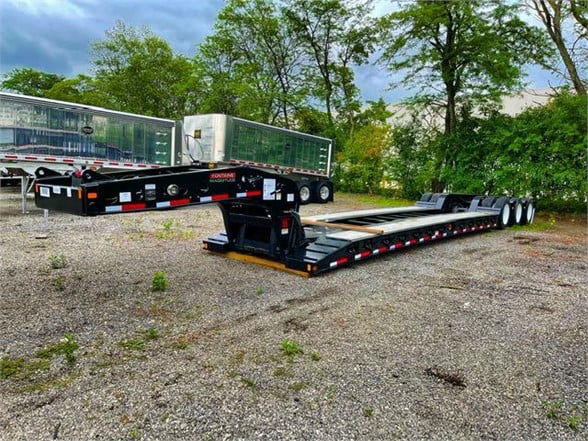
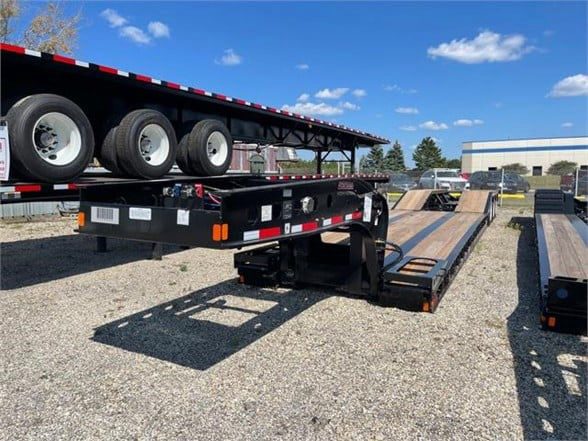
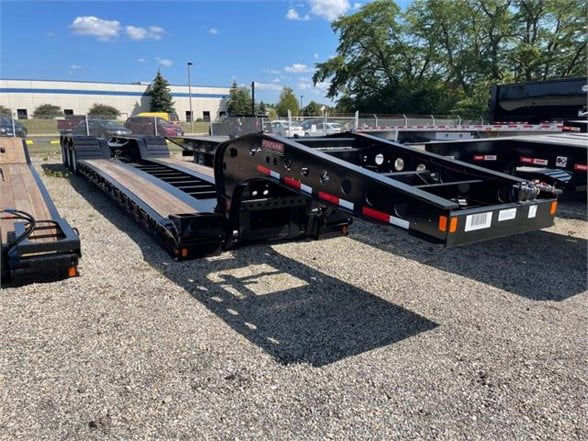
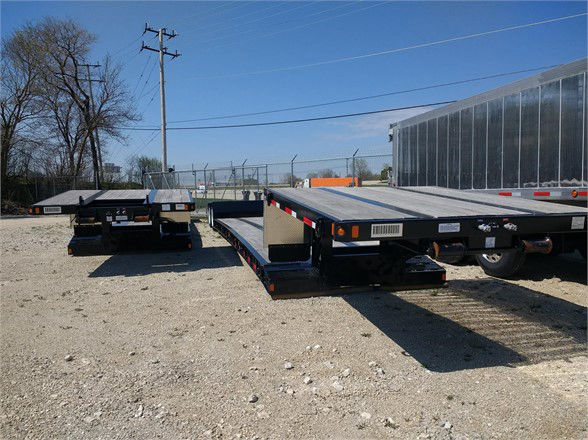
Have trailer to sell? List it here to reach thousands of buyers.
About Trailers in Alabama
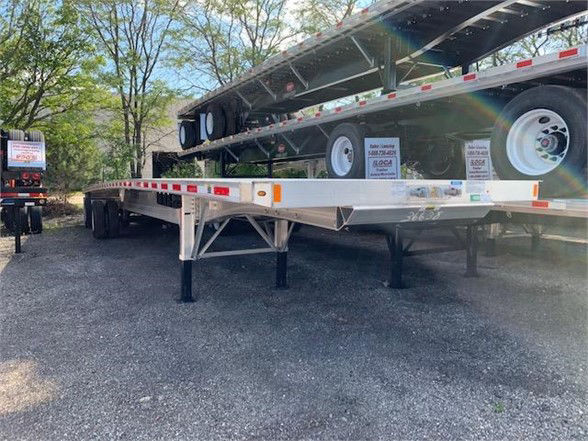
Common specs in this market include 48-foot and 53-foot deck lengths, 102-inch width, tandem or tri-axle configurations, air ride suspension, and sliding or fixed axle arrangements depending on the trailer class. Material choice is a major buying decision. Aluminum flatbeds reduce empty weight and increase payload for general freight, while steel drop decks and lowboys trade added tare for durability, beam strength, and resistance to concentrated equipment loads. Buyers should also pay close attention to floor construction such as aluminum floors, wood floors, and apitong decking, along with crossmember spacing, side rail design, tie-down points, and wheel setup. Details like kingpin setting, axle spread, deck height, and loaded fifth wheel height can directly affect bridge compliance, maneuverability, and tractor compatibility.
Alabama operations often put trailers into a mix of regional construction, agricultural hauling, forestry support, and over-the-road freight, so durability and serviceability count. For flatbeds and step decks, it is worth checking for features such as coil package prep, winch tracks, sliding winches, chain ties, and scuff-resistant flooring or side rail construction. For lowboys, the important items shift to detachable neck type, hydraulic system, deck length in the well, outriggers, D-rings, boom wells, flip axle compatibility, and rated capacity in a specified deck section. A trailer built for legal general freight looks very different from a trailer designed to carry 40-ton to 55-ton equipment, even if both are 102 inches wide and ride on air.
A serious buyer should compare trailers by use case, not just by year or brand. A lightweight all-aluminum flatbed can improve revenue on payload-sensitive freight. A steel step deck with widespread axles may be the better fit for taller mixed freight and jobsite durability. A hydraulic detachable lowboy with adjustable ride height, traction-equipped deck surfaces, and flip axle provisions is built for loaders, excavators, rollers, and pavers that demand controlled loading and concentrated load support. Looking closely at suspension brand, brake and tire spec, ramp or neck design, and available tie-down geometry will tell you more about long-term fit than a basic price comparison.
Frequently Asked Questions
What is the difference between a flatbed trailer, drop deck trailer, and lowboy trailer?
A flatbed trailer has a full-height straight deck and is commonly used for general freight that can be loaded from the side, rear, or top. A drop deck trailer, also called a step deck, has an upper deck and a lower main deck so it can carry taller freight while staying within legal height limits. A lowboy trailer has a much lower deck height and is built for heavy equipment, concentrated loads, and specialized hauling, often with detachable gooseneck configurations for easier loading.
Is aluminum or steel better for a trailer?
Aluminum is generally preferred when payload matters because it reduces trailer weight and can increase legal cargo capacity. Steel is usually the better choice when the trailer will see frequent loading of dense freight, rough jobsite use, or heavy equipment with high point loads. The right material depends on freight profile, operating environment, repair preferences, and how important tare weight is to the business model.
What specs matter most when buying a lowboy trailer?
The most important lowboy specs are rated capacity, deck length, loaded deck height, ground clearance, axle configuration, and neck style. Buyers should also verify whether the trailer accepts a flip axle or booster, how many outriggers and D-rings it has, and what capacity it carries in a defined deck section such as 12 feet or 16 feet. Those details determine whether the trailer matches the equipment being hauled and the permits required for the route.
Why does axle configuration matter on a trailer?
Axle configuration affects payload distribution, bridge law compliance, turning behavior, tire wear, and how the trailer fits a specific freight task. Tandem axles are common for general freight trailers, while tri-axle and specialized heavy haul setups are used to support higher gross weights and concentrated machine loads. Sliding axles can add flexibility for weight distribution, while fixed and widespread axle layouts may be chosen for stability and regulatory needs.
What should I look for on a used or new equipment trailer in Alabama?
Focus on structural condition, deck and floor type, suspension condition, tire and wheel spec, brake setup, and all load securement points. On heavy haul models, inspect the gooseneck system, hydraulic components, frame integrity, ramp or loading surfaces, and any provisions for flip axles or removable sections. In Alabama service, trailers often see construction, paving, agricultural, and regional freight use, so a trailer that is easy to maintain and correctly rated for the job will usually outperform a cheaper unit that is only close to the required spec.