
New XL Specialized Trailers For Sale
Shop new XL Specialized trailers including lowboys, mini decks, and heavy haul models built for equipment, construction, and ag transport.
Learn moreBrowse XL Specialized Trailers by Category
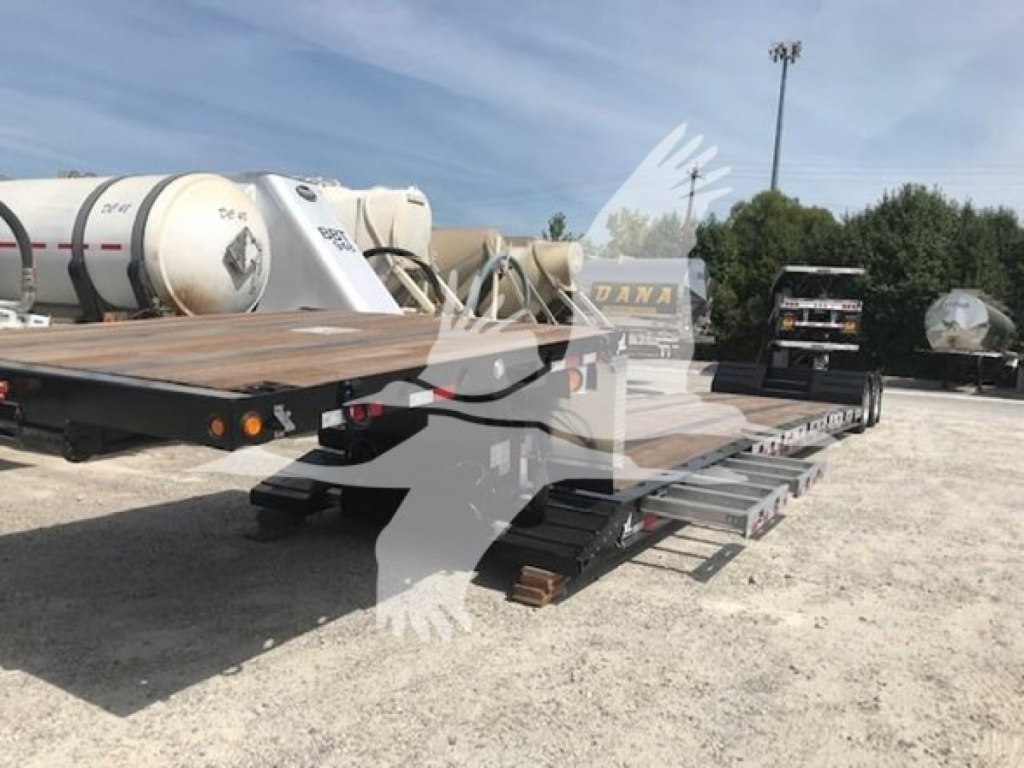
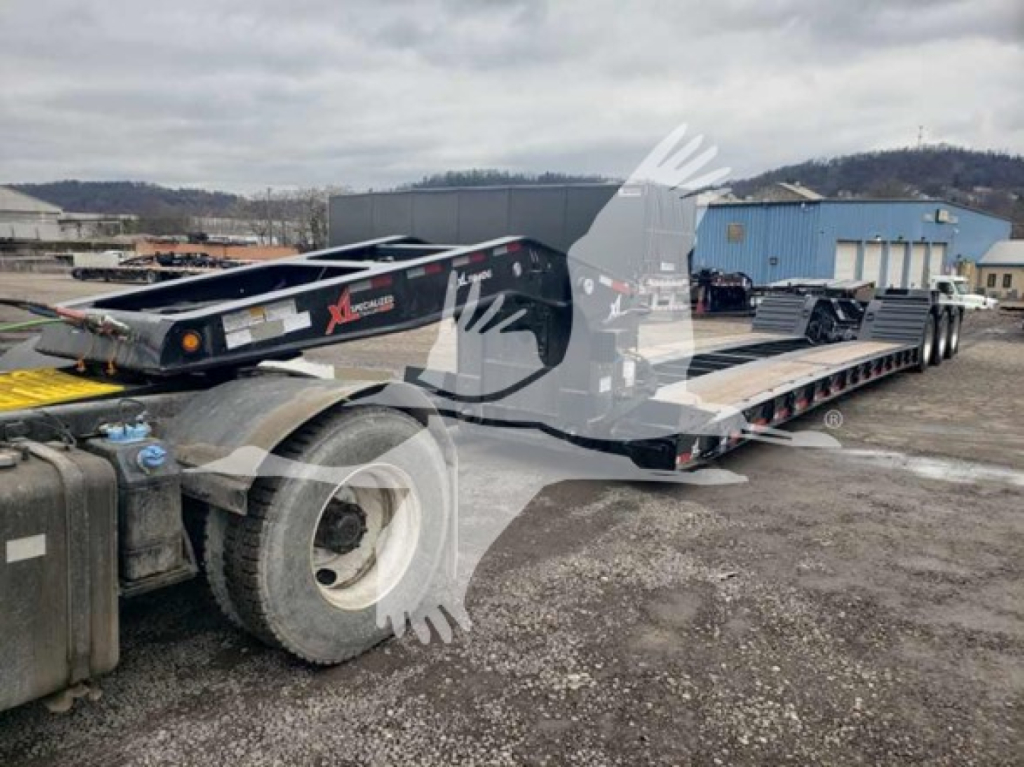
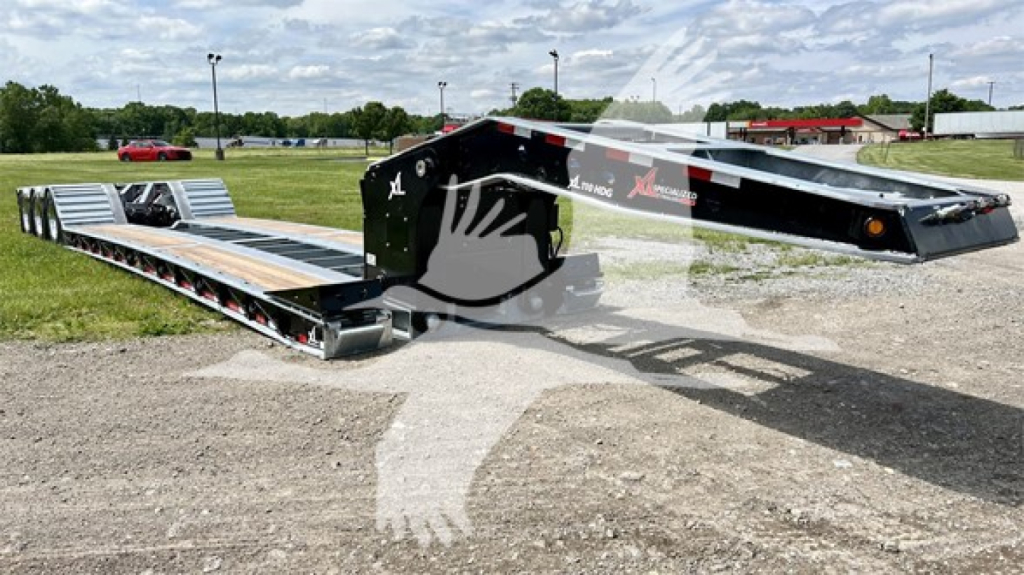
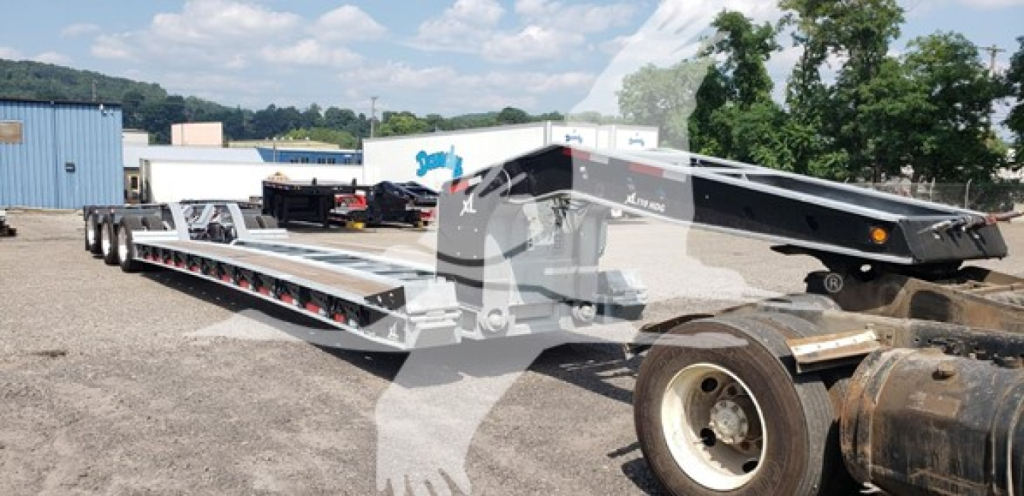
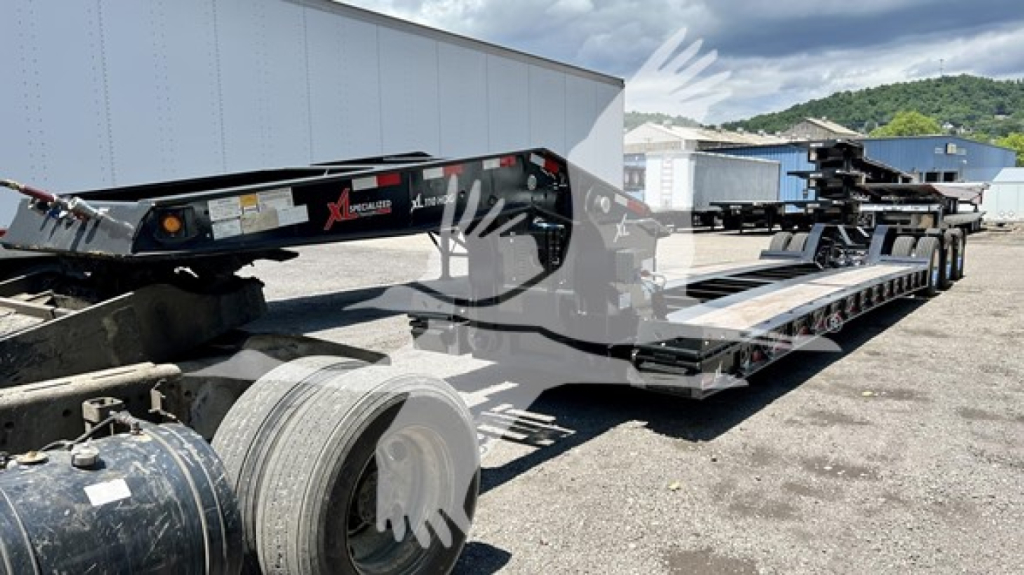
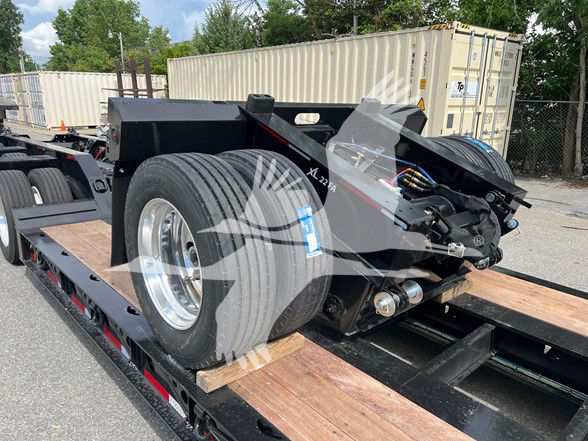
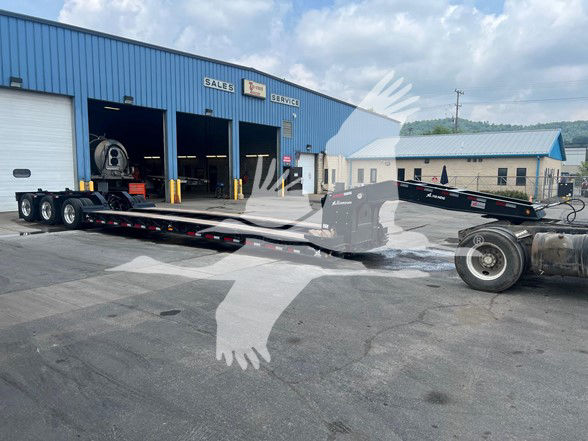
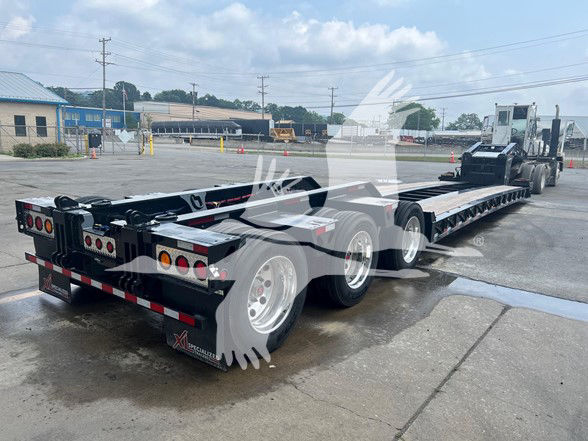
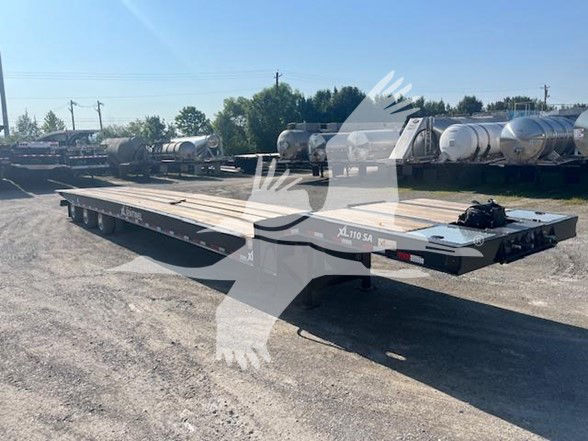
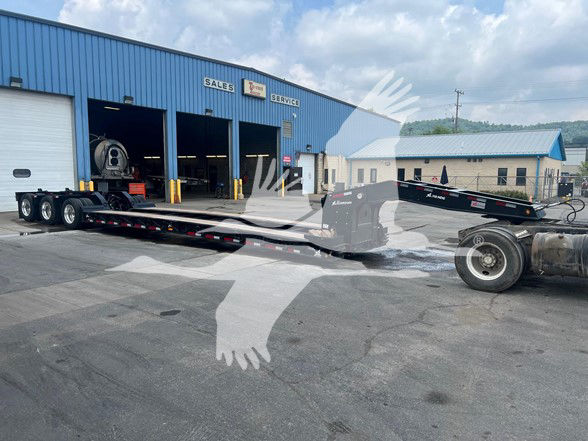
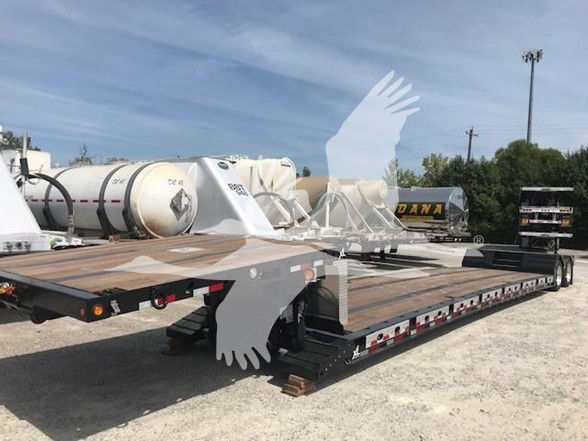
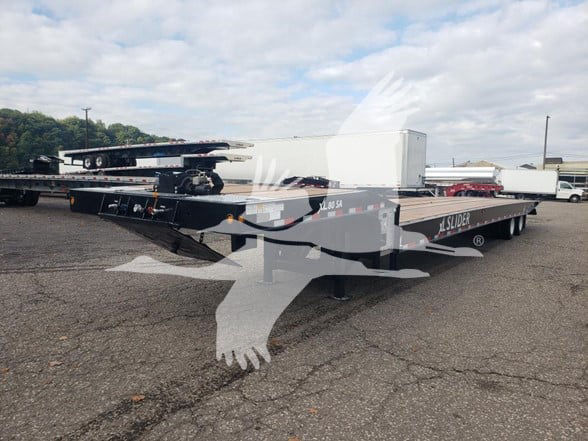
Showing 1 to 12 of 13 results
Have new xl specialized trailer to sell? List it here to reach thousands of buyers.
About New XL Specialized Trailers
A buyer comparing new XL Specialized trailers should start with deck layout and rating. Common specs in this class include 53-foot overall length, 102-inch width, tandem or tri-axle air ride suspensions, and capacity points from 40 ton mini deck applications up into 55 ton and higher heavy equipment work. Main deck height matters because it affects legal loaded height and loading angle. Many XL Specialized trailers in this segment use low main deck heights around 12 to 18 inches, often with 4 to 6 inches of ground clearance. Apitong flooring is common because it stands up well under concentrated machine weight, steel tracks, and repeated loading cycles. Full-width hydraulic detachable necks are especially useful for self-propelled equipment and machines with limited approach clearance, while mini deck designs can help when a lower profile and more deck utility are needed.
Load securement and expandability are also major decision points. Buyers often look for perimeter beam construction, crossmember spacing that matches the intended payload, pull-out or swing-out outriggers, bucket wells, chain drops on consistent centers, and enough D-ring coverage to secure different machine footprints without improvising. Many new XL Specialized trailers are built with future additions in mind, including flip axle connections, spreader bar compatibility, neck extensions, and rear transition details that improve versatility across several types of freight. Suspension brand, axle spacing, kingpin setting, swing clearance, and loaded fifth wheel height should all be checked against the tractor and the permitting environment where the trailer will run. Those details affect turning, bridge compliance, and how easily the trailer fits into an existing heavy haul operation.
For buyers focused on application, XL Specialized trailers are commonly chosen for construction fleets, equipment dealers, rental houses, paving contractors, and agricultural haulers that need a purpose-built detachable trailer instead of a general freight platform. A 40 ton mini deck may suit compact but dense iron, while an 80,000 lb distributed lowboy with pull-outs and flip axle prep gives more flexibility for mixed equipment hauling. Heavier Guardian-style configurations with tri-axle groups, bucket wells, and higher concentrated load ratings are better suited to larger excavators and specialized machinery. The right choice comes down to the machines being hauled most often, the axle group needed for your permit strategy, and how much future growth you want built into the trailer from day one.
Frequently Asked Questions
What are XL Specialized trailers commonly used for?
XL Specialized trailers are commonly used for hauling construction equipment, agricultural machinery, paving equipment, and other heavy or over-dimensional loads. Their low deck heights, detachable goosenecks, and heavy-duty securement features make them well suited for dozers, excavators, loaders, tractors, and similar machinery that cannot be loaded efficiently on a standard flatbed or step deck.
What is the difference between an XL Specialized lowboy and a mini deck trailer?
A lowboy typically refers to a detachable heavy haul trailer with a very low main deck designed to carry tall or heavy equipment while maintaining legal loaded height. A mini deck is a double drop style trailer that can offer a lower deck section and good deck usability for certain machine types. The best choice depends on machine length, ground clearance, loading method, and how much concentrated weight the trailer needs to carry.
Why does deck height matter on a new XL Specialized trailer?
Deck height directly affects loaded overall height, loading angle, and the type of machinery the trailer can handle without clearance issues. A lower deck helps keep tall equipment legal on height and can improve stability, but buyers also need to consider ground clearance for jobsite access and uneven terrain. For heavy haul work, the balance between low deck height and practical clearance is one of the most important spec decisions.
What features should buyers look for on a new XL Specialized heavy haul trailer?
Important features include hydraulic detachable gooseneck design, axle count, air ride suspension, kingpin setting, swing clearance, apitong flooring, D-ring placement, chain drops, outriggers, flip axle compatibility, and concentrated load rating. Buyers should also review deck length, rear deck design, loaded fifth wheel height, and whether the trailer has bucket wells, pull-out ramps, or neck extension capability if those features fit the intended freight.
Are new XL Specialized trailers a good fit for fleets that may need more capacity later?
Yes, many new XL Specialized trailers are spec'd with future expansion in mind. Flip axle connections, spreader bar compatibility, neck extension acceptance, and modular heavy haul options can give a fleet room to adapt as payloads change. That can be valuable for buyers who expect to move into larger equipment or more demanding permit loads over time without replacing the entire trailer immediately.