
New Trailers For Sale in Alaska
Shop new trailers for sale in Alaska, including log and heavy-duty hauling trailers built for tough terrain, payload demands, and remote work.
No exact matches found for your search
Showing New Trailers instead.
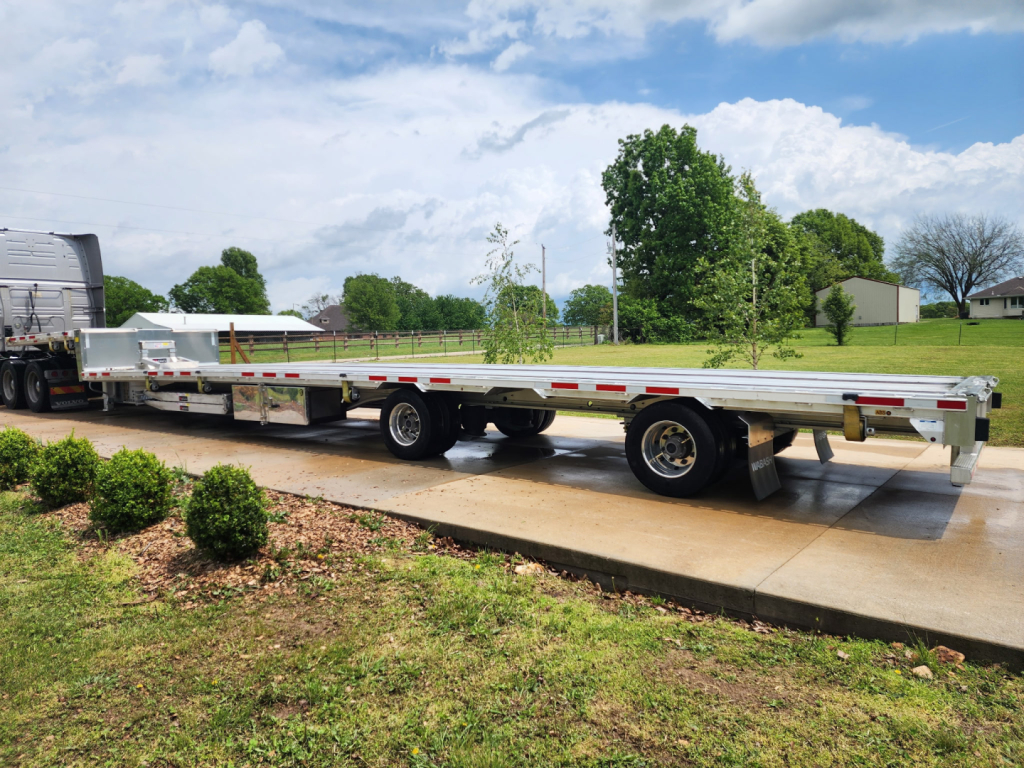
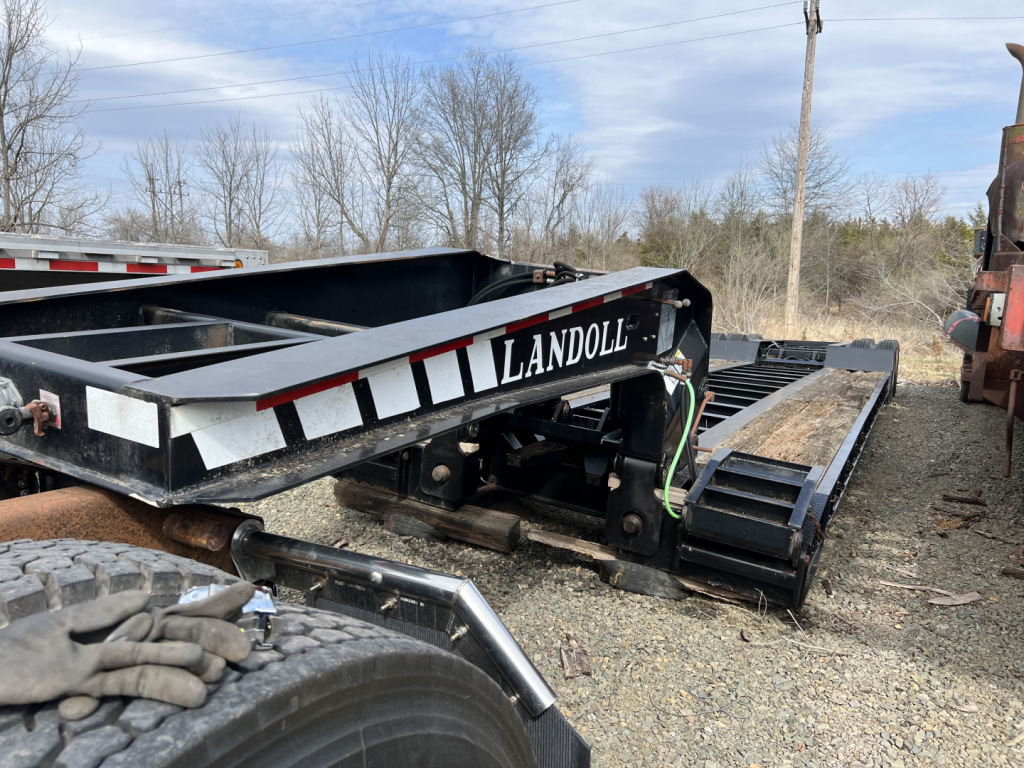
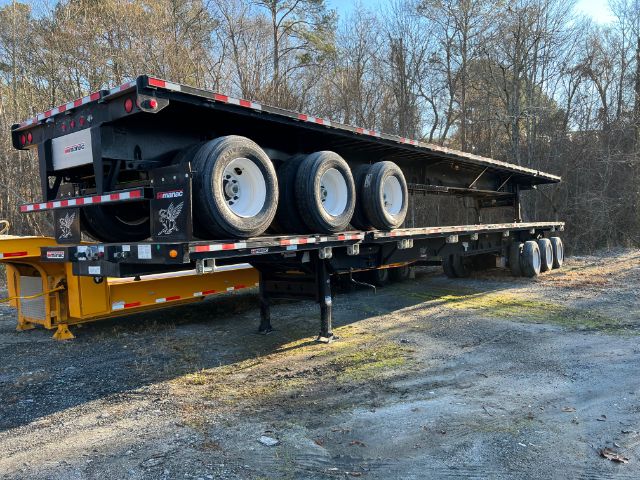
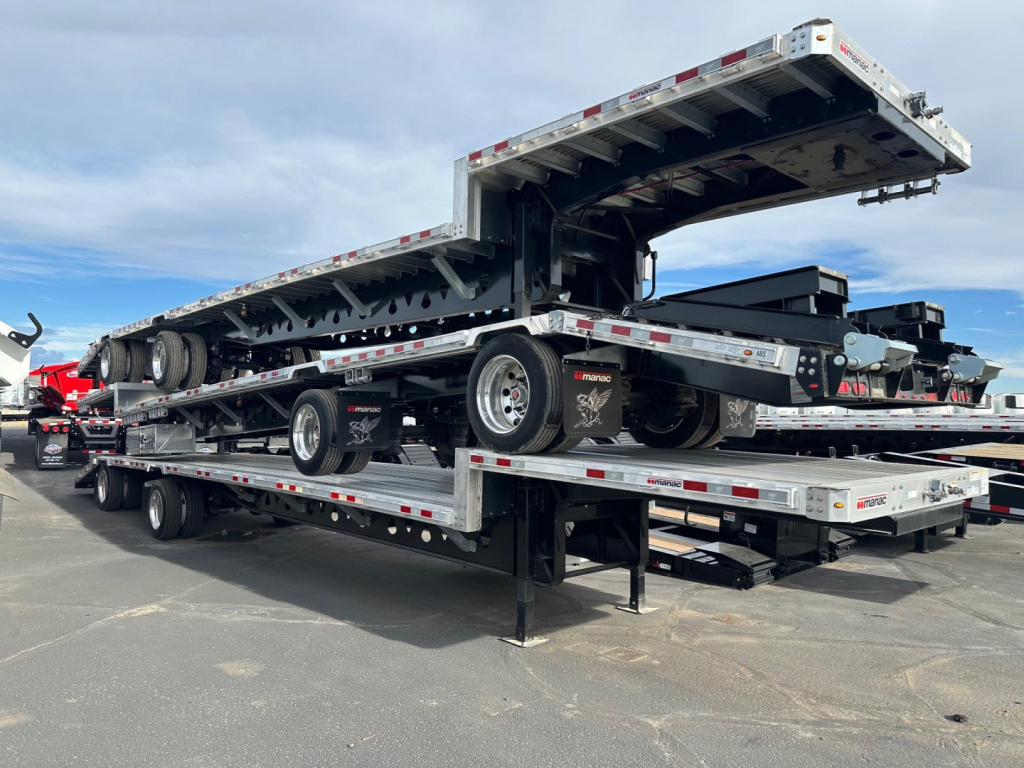
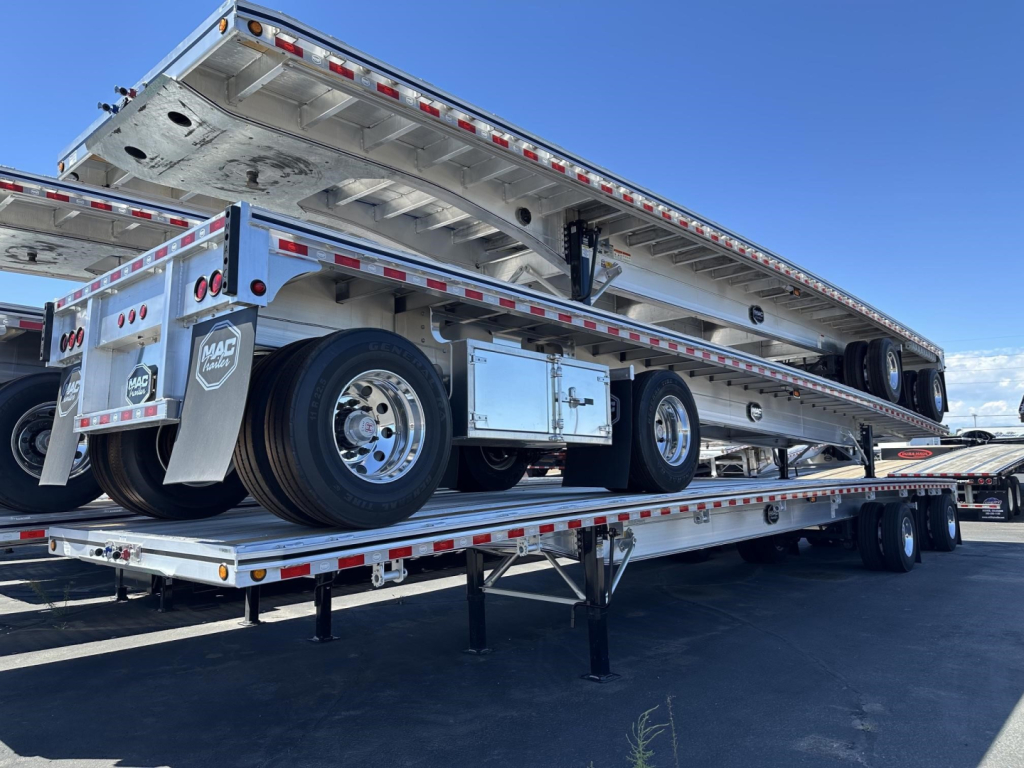
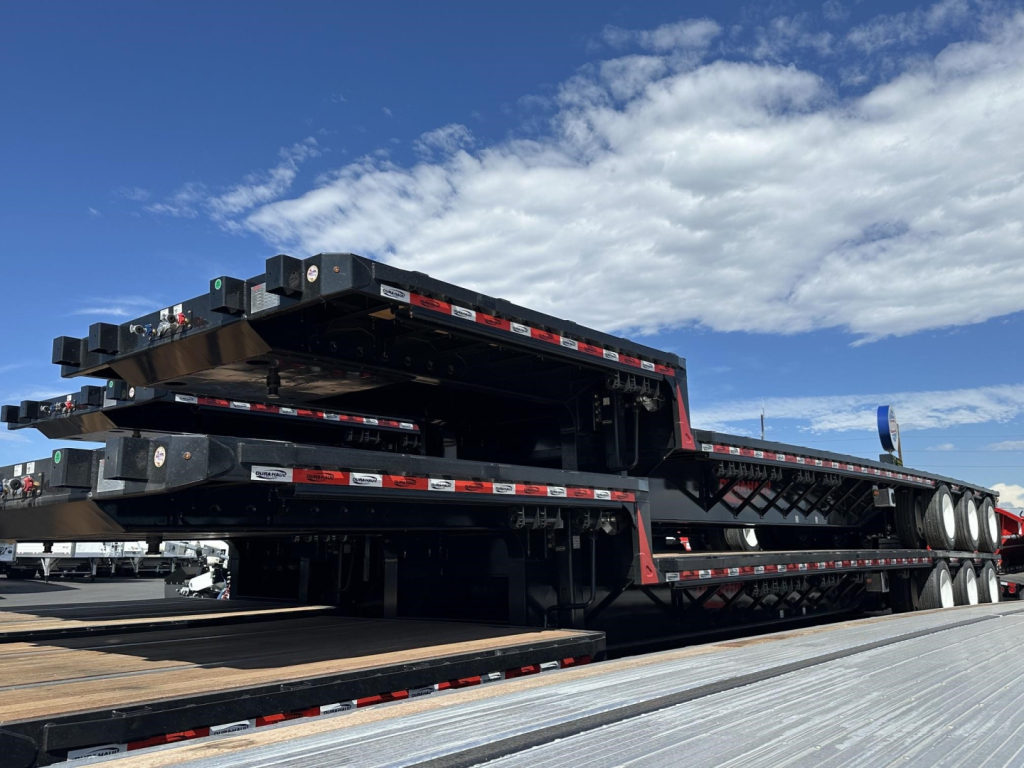
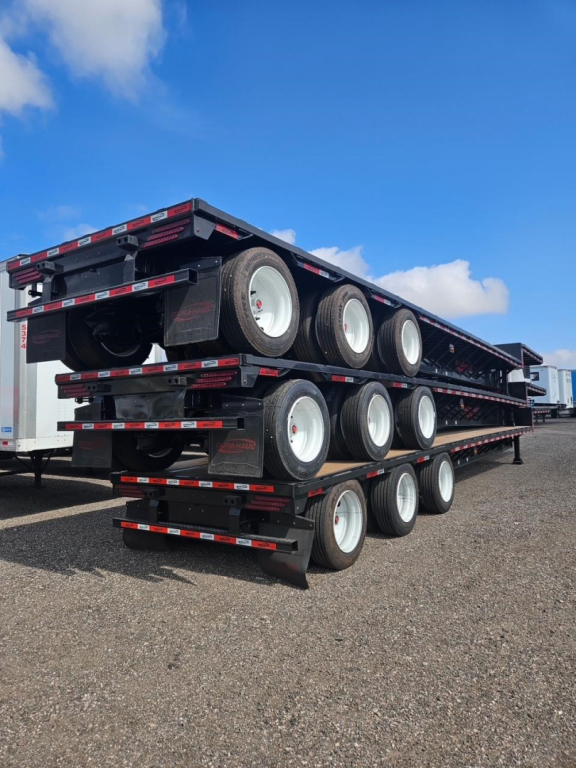
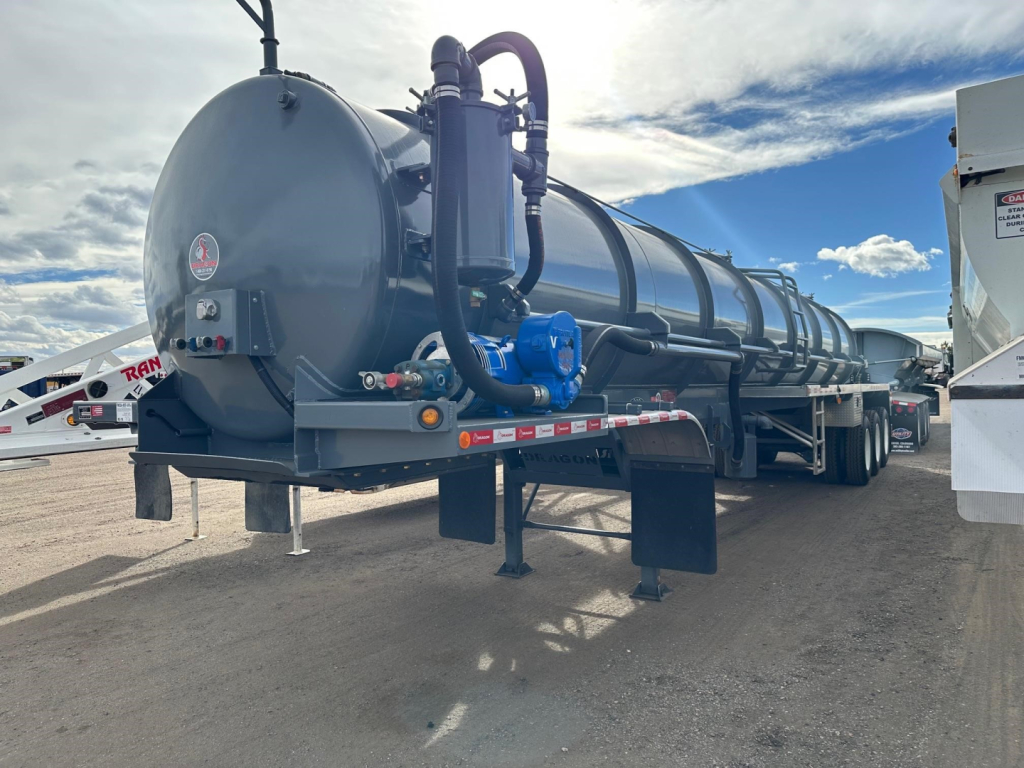
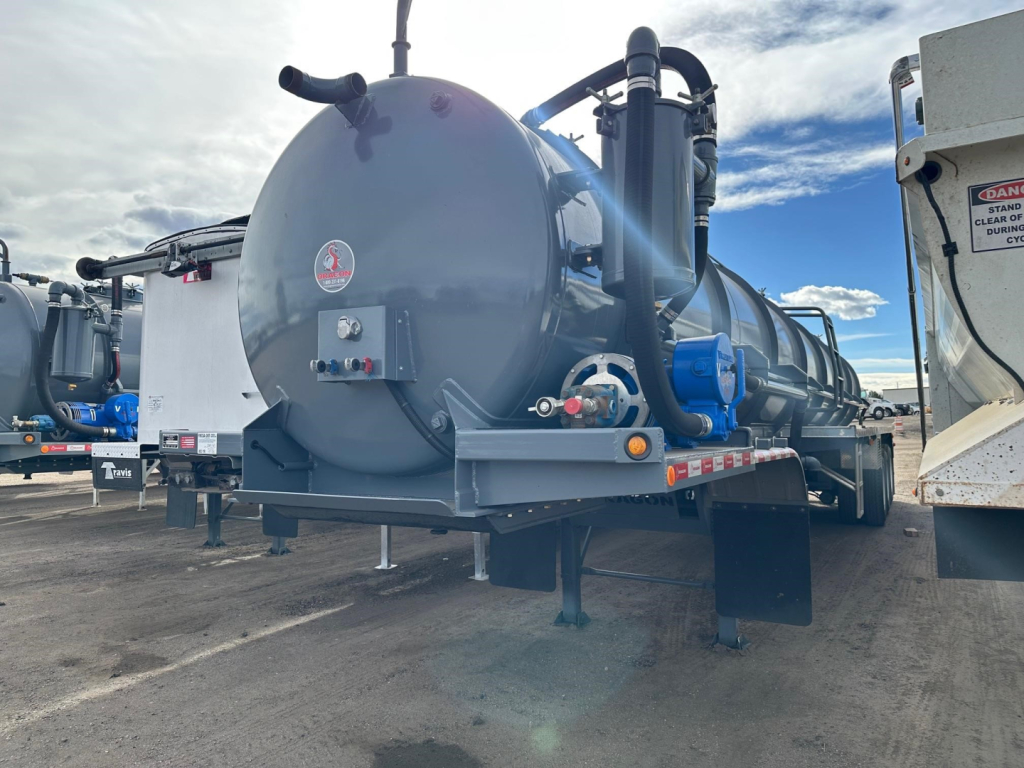
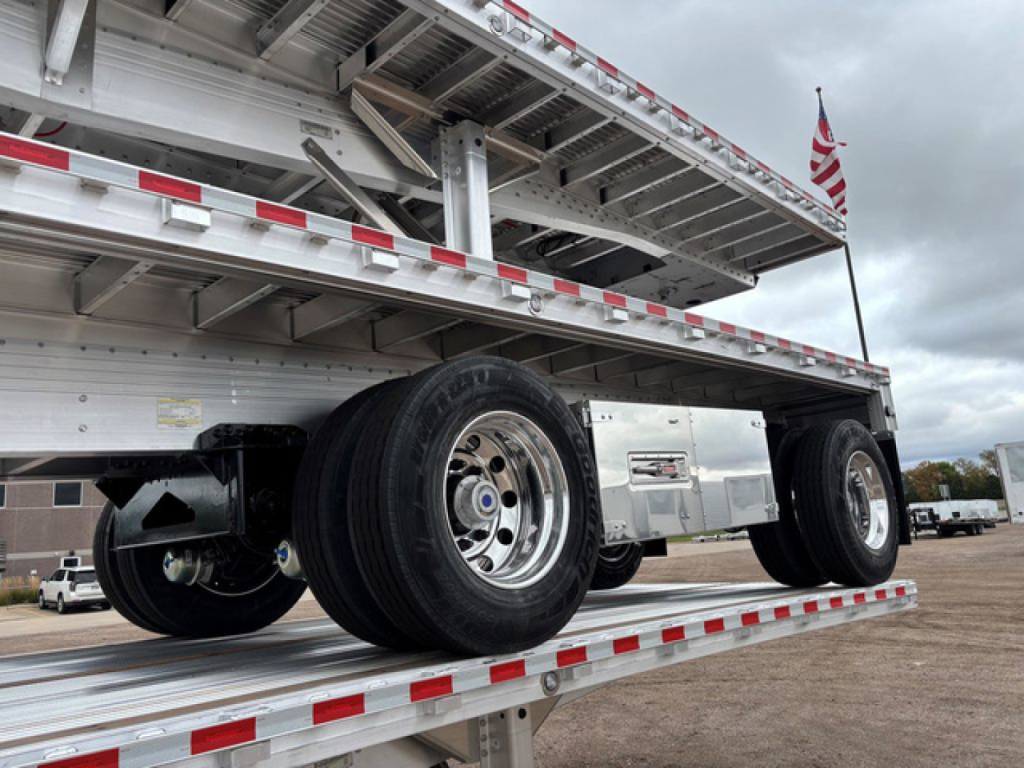
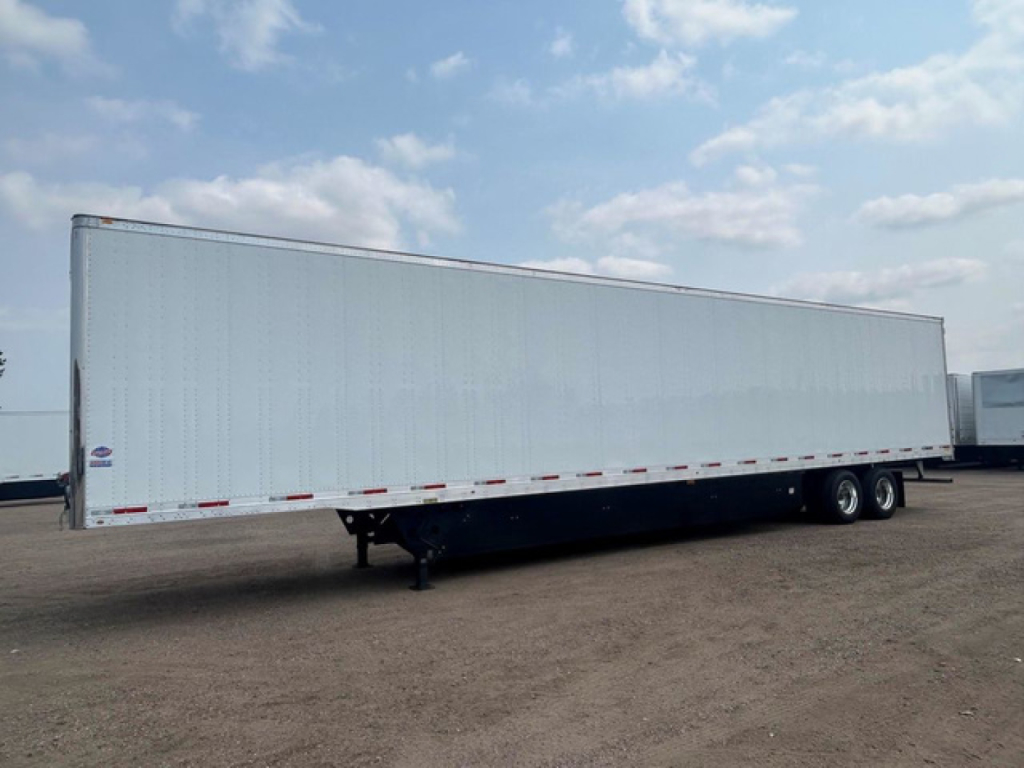
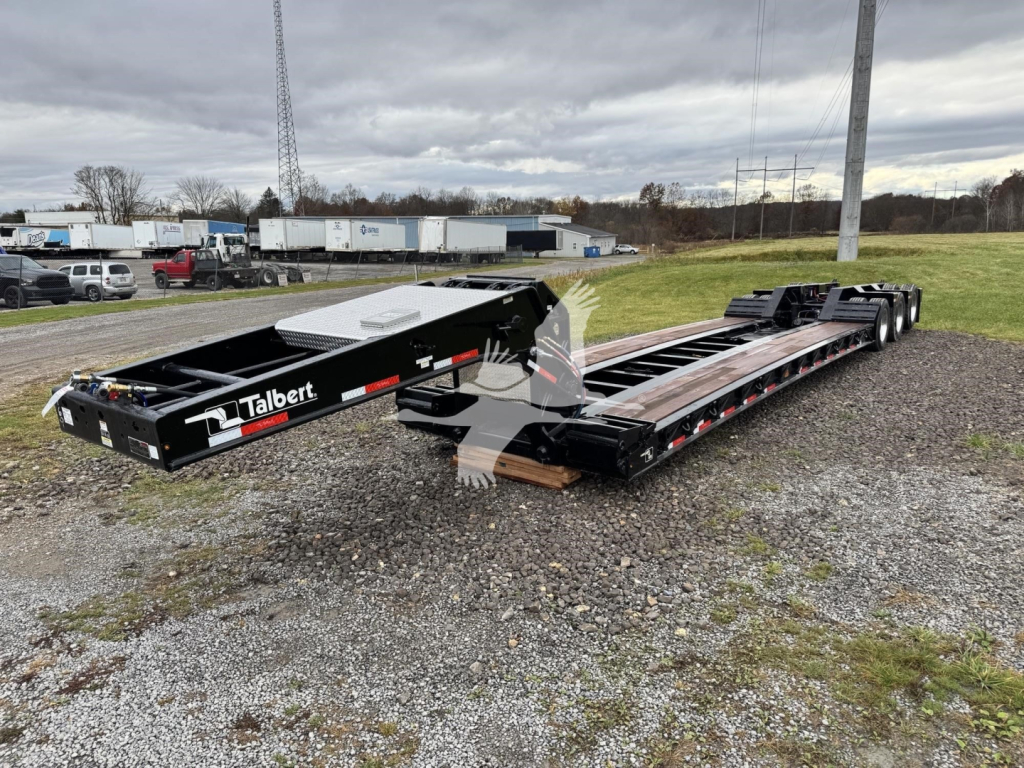
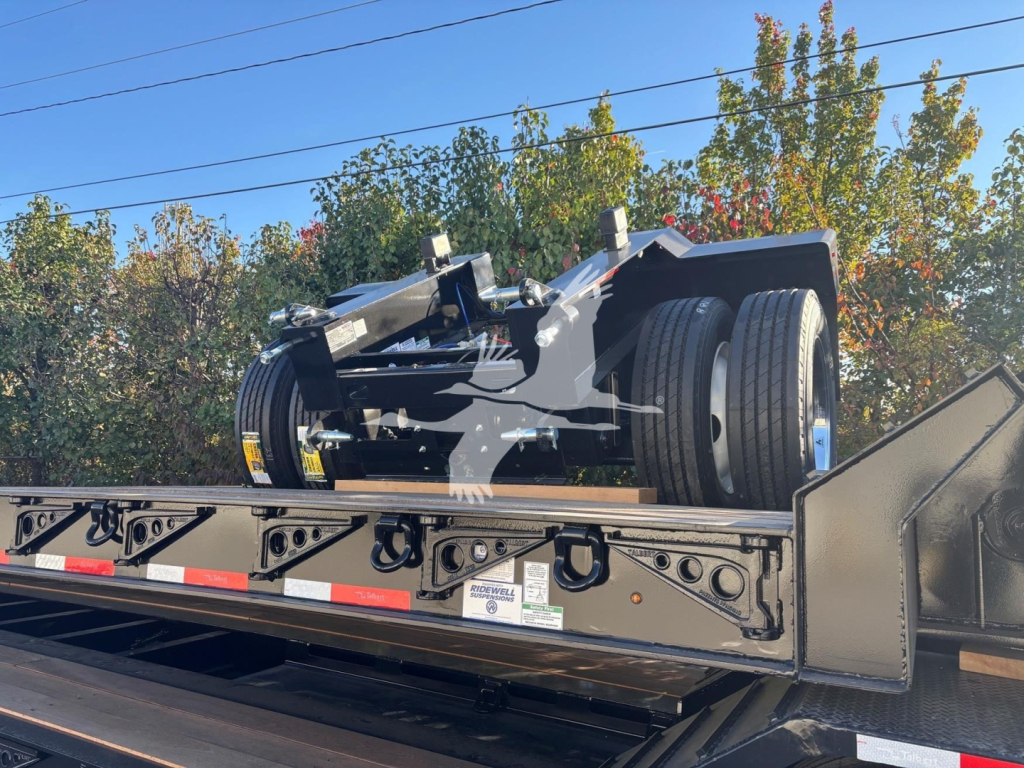
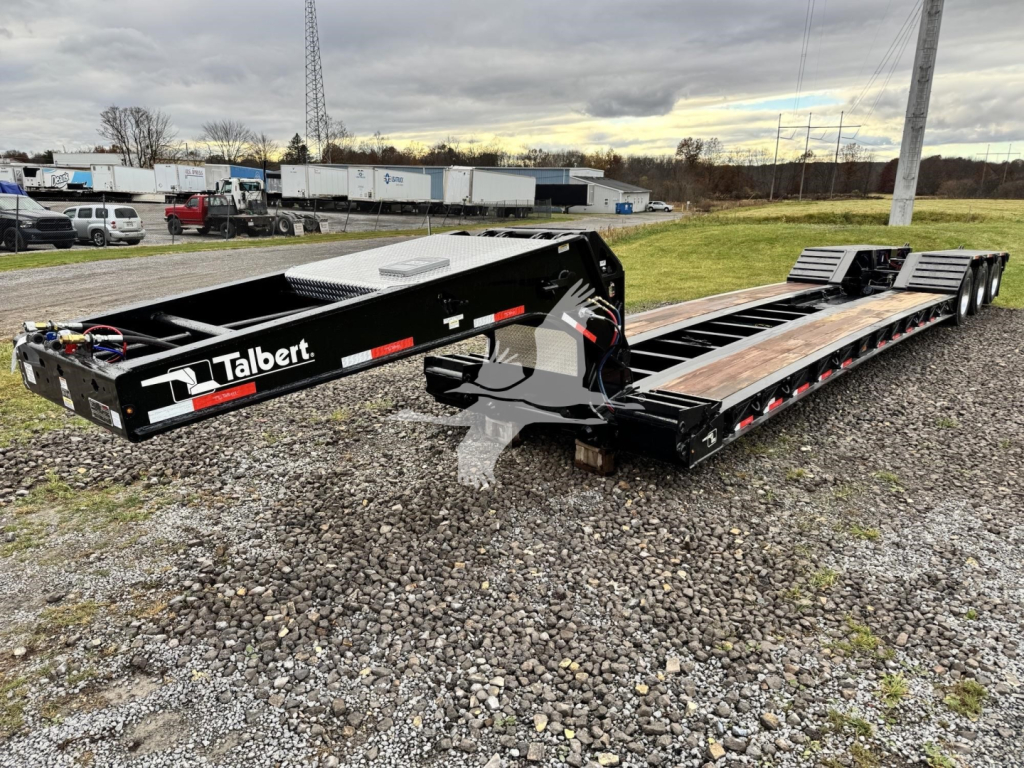
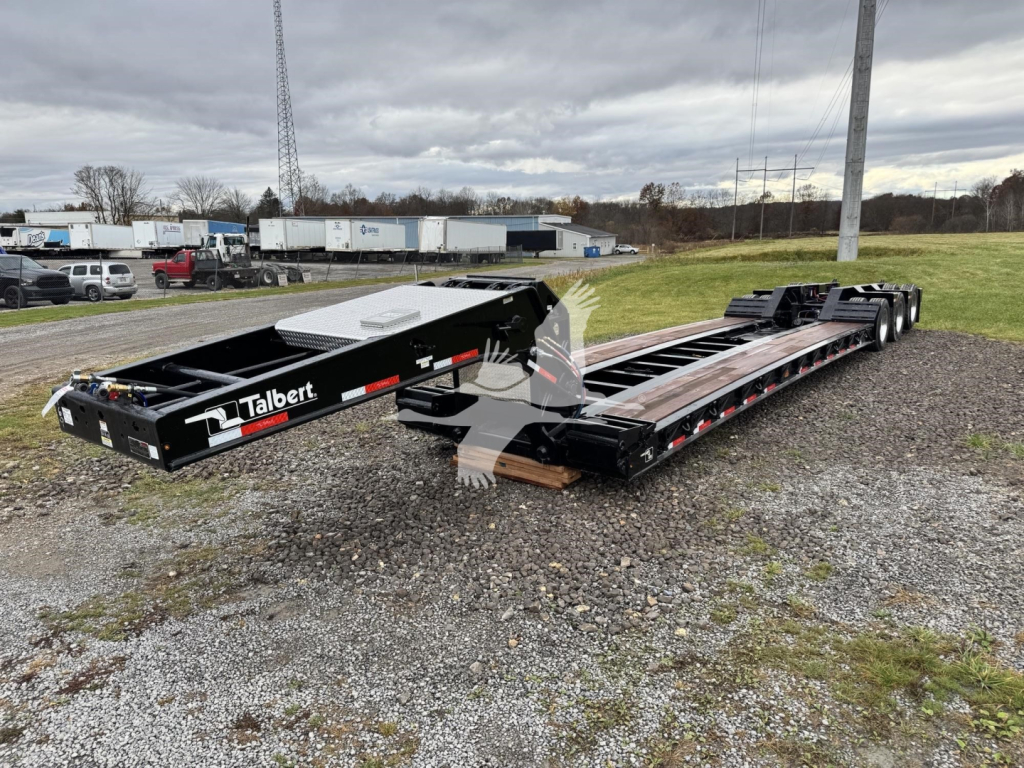
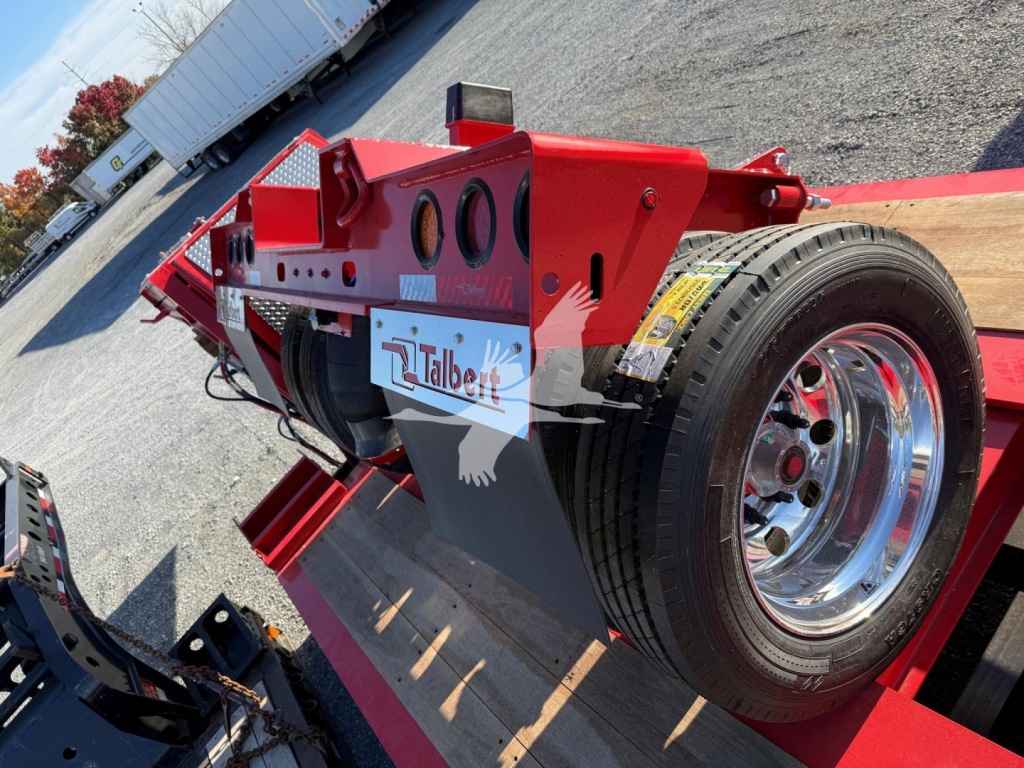
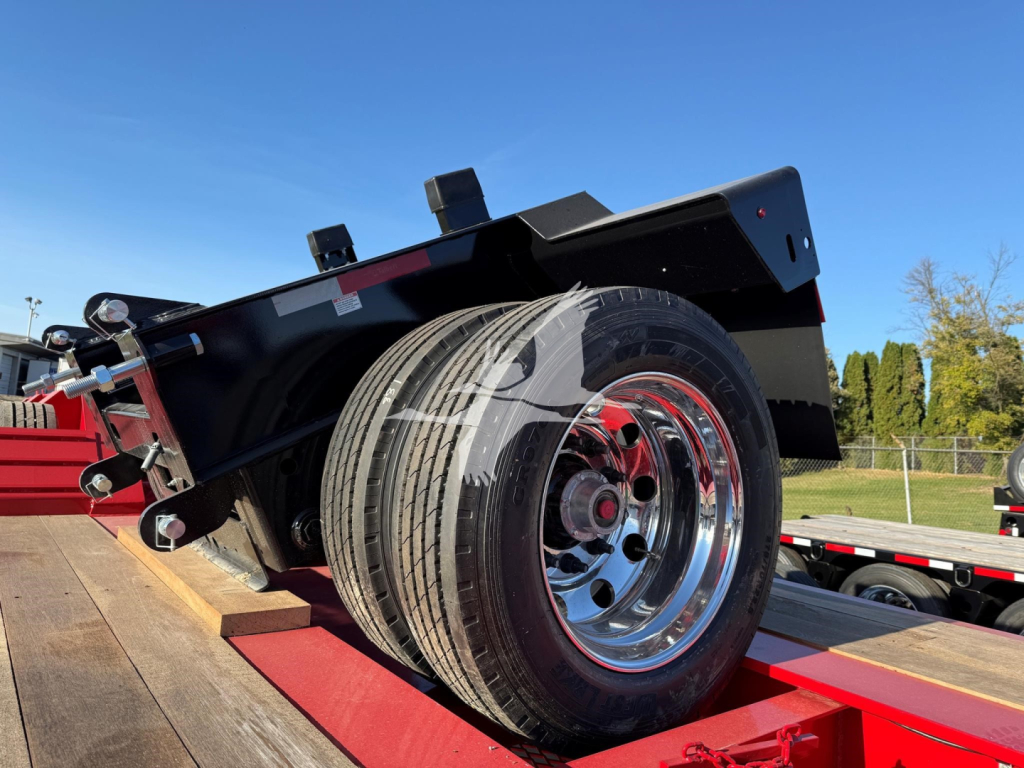
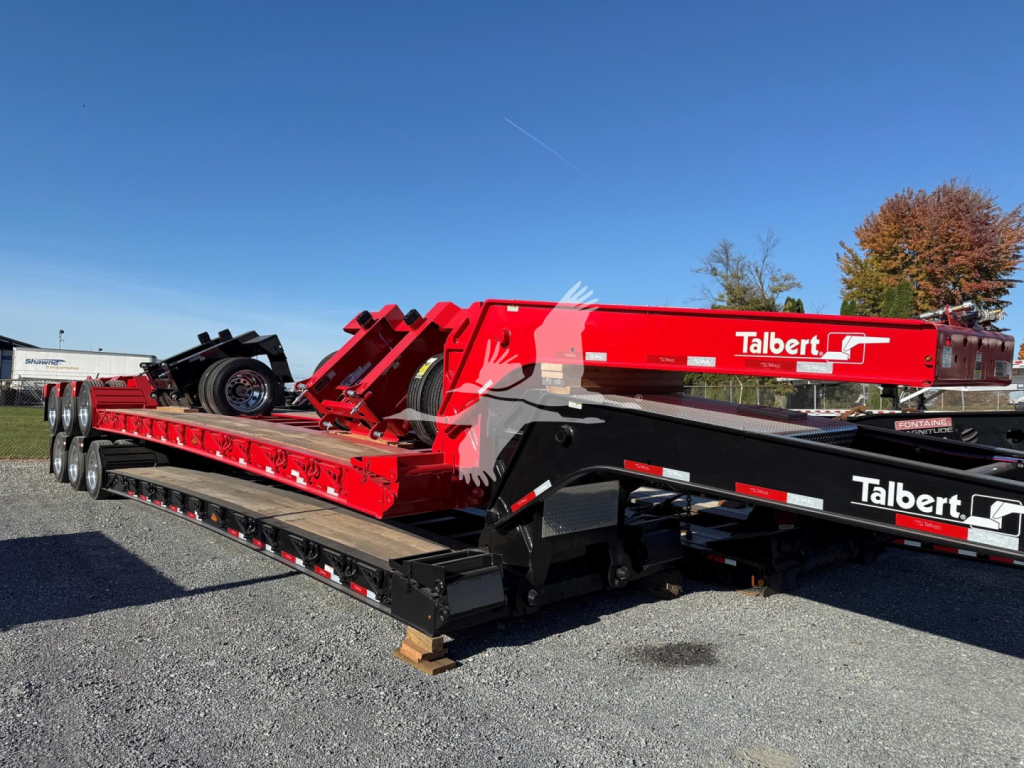
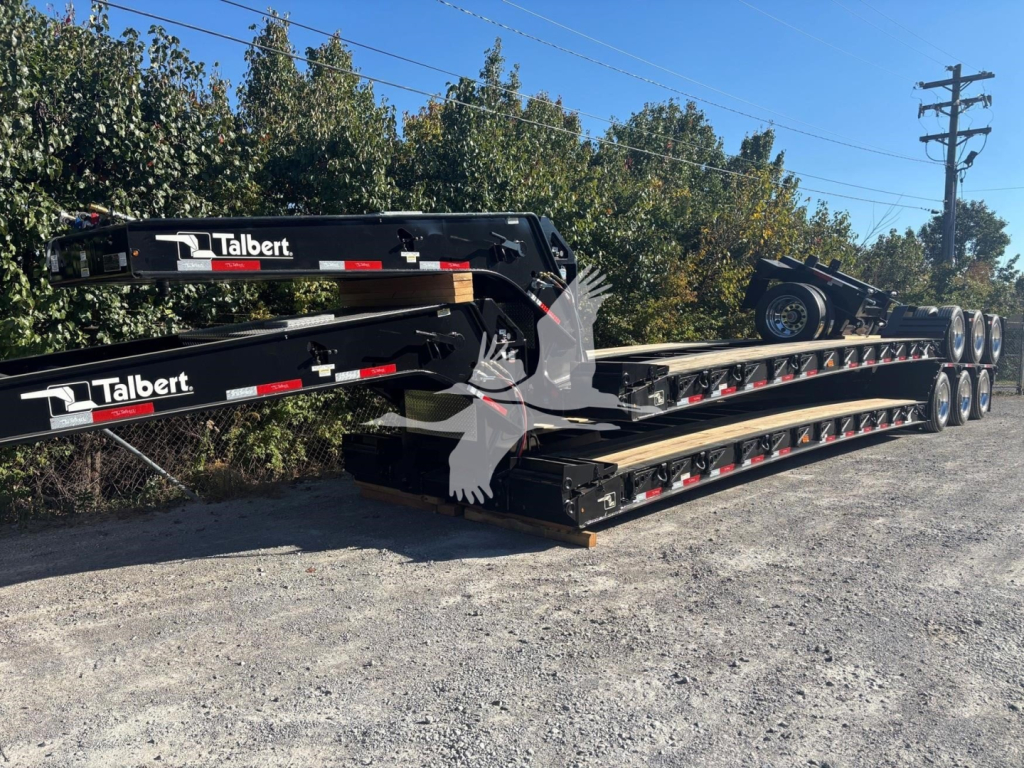
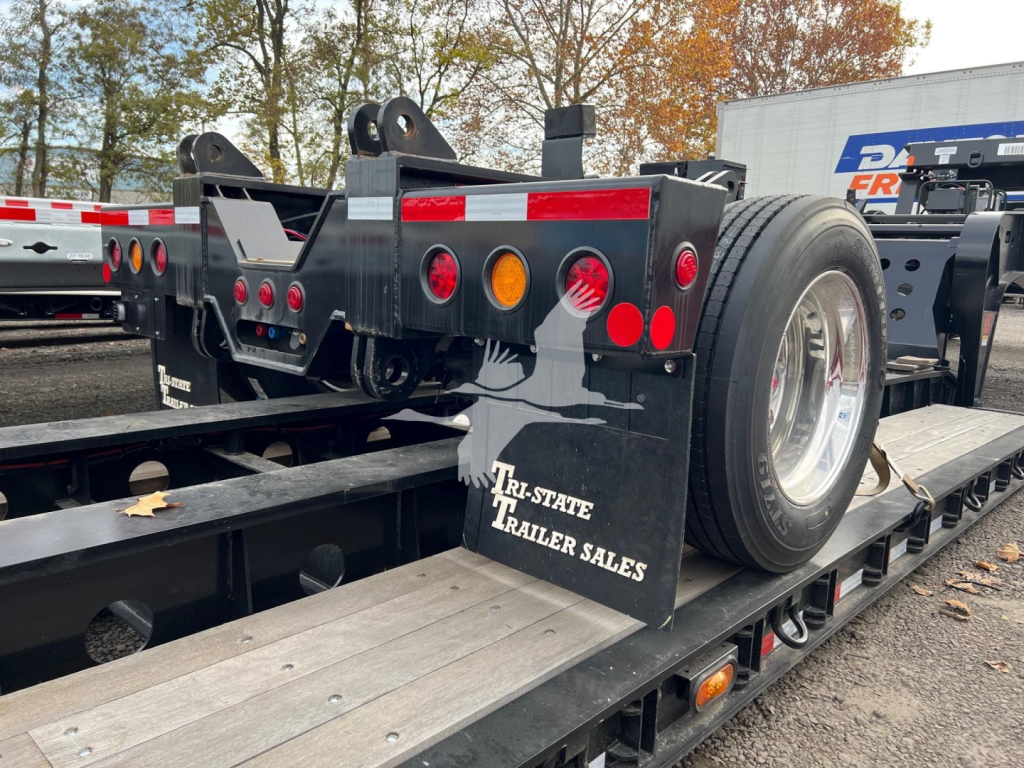
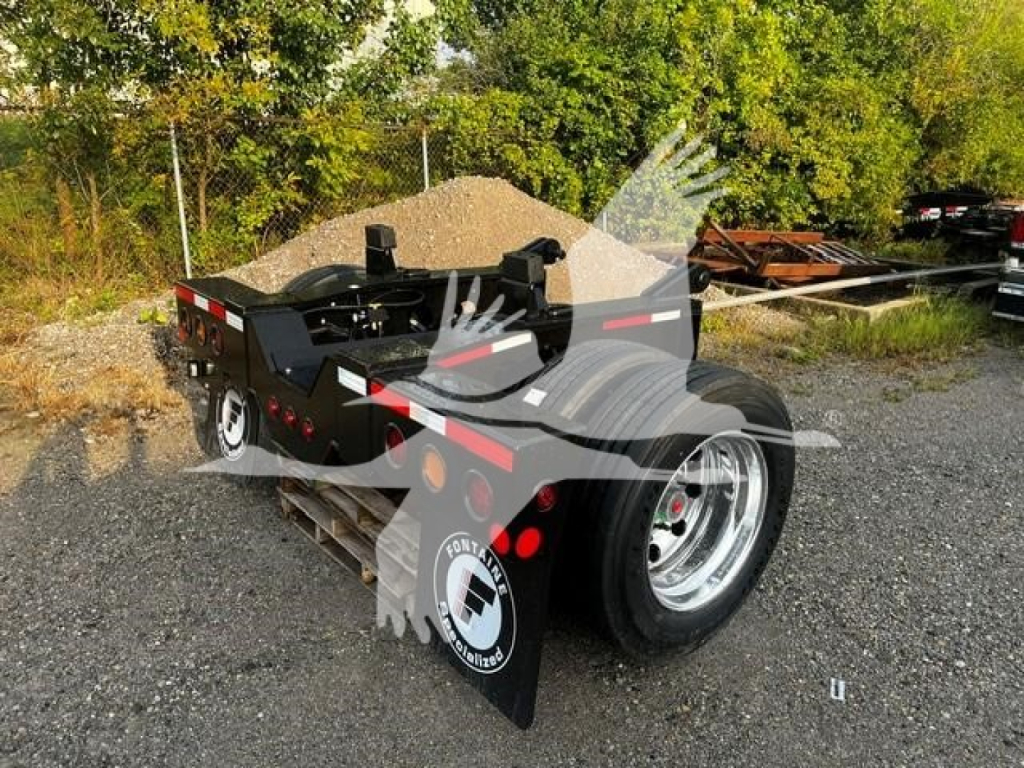
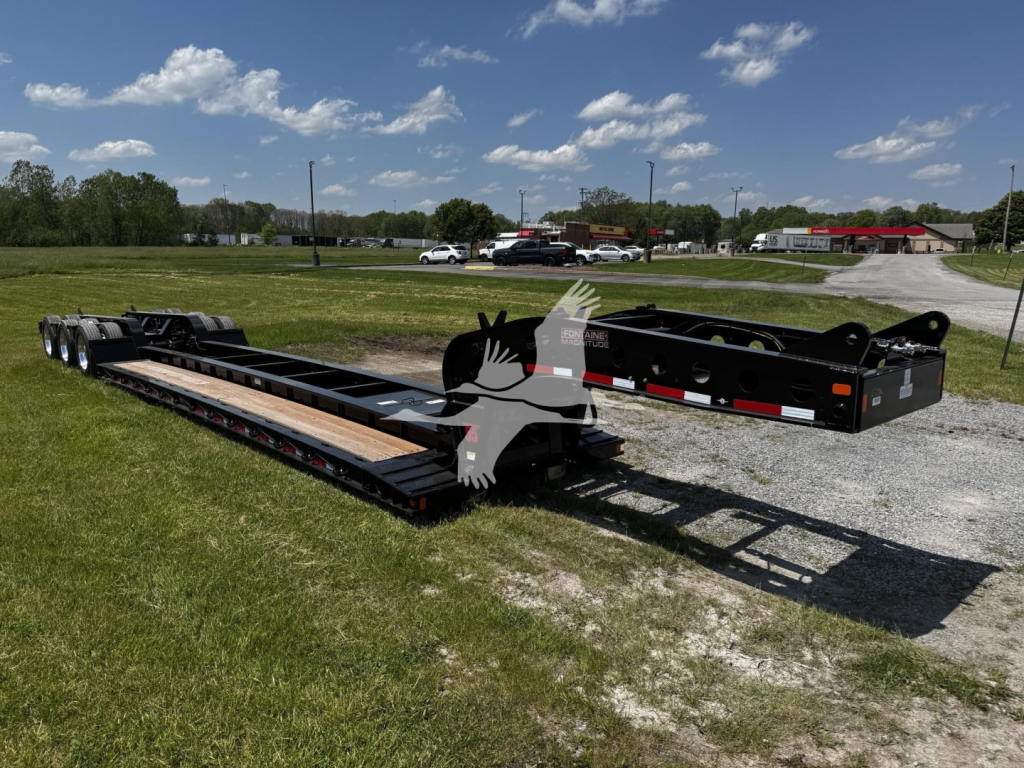
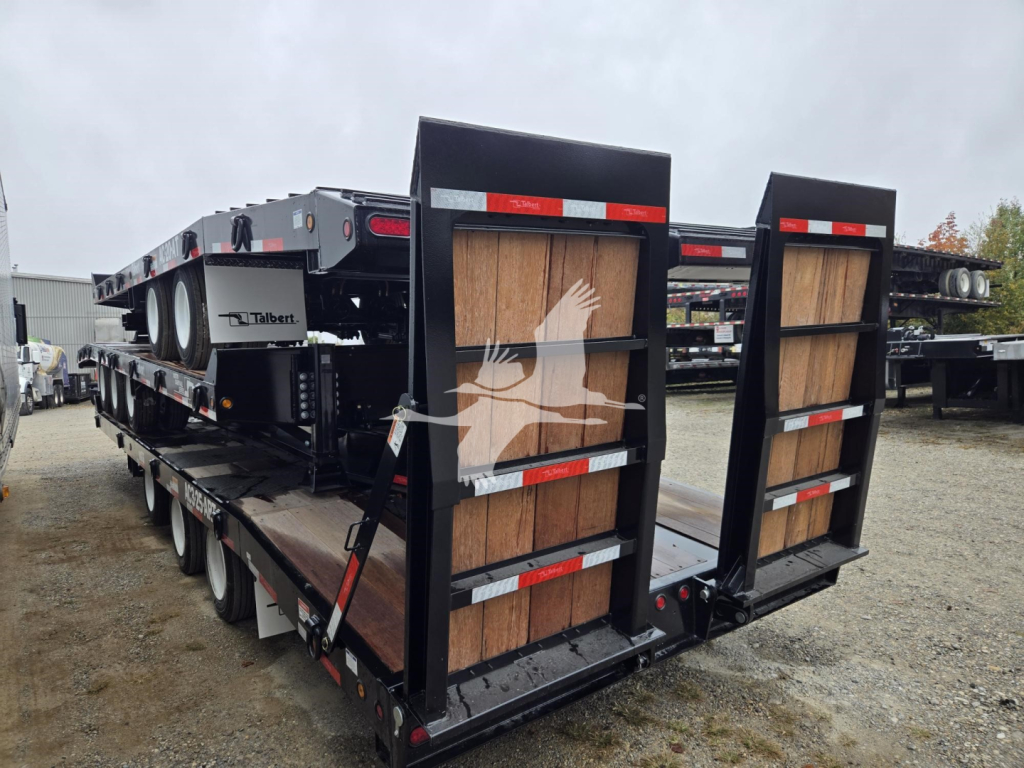
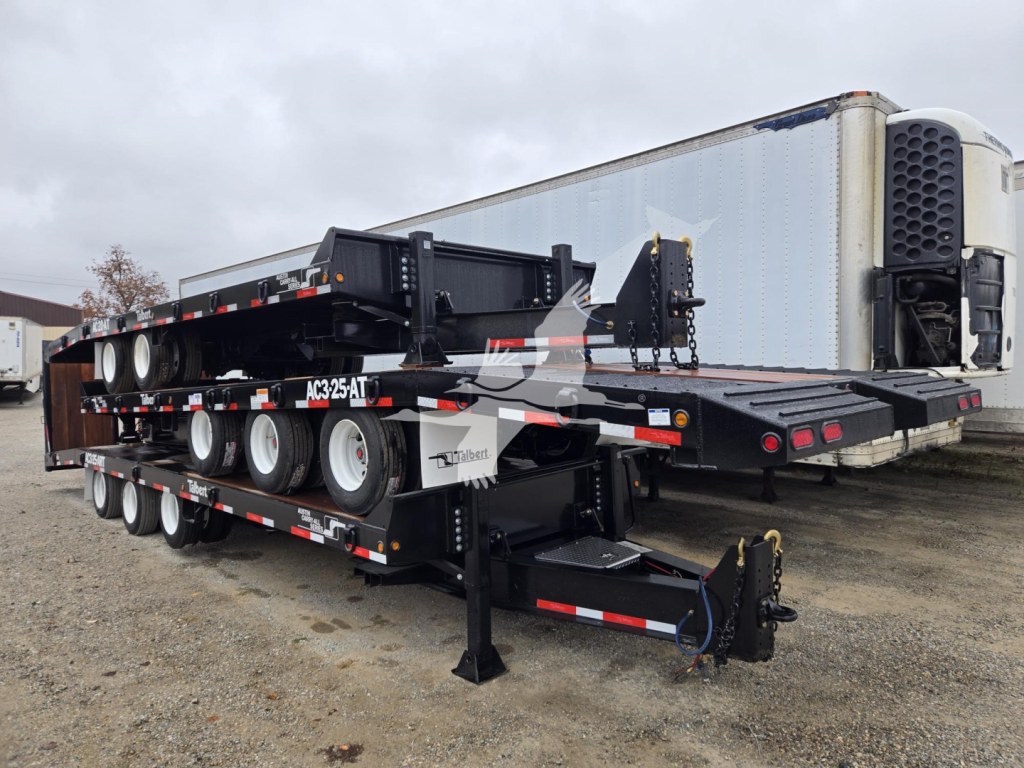
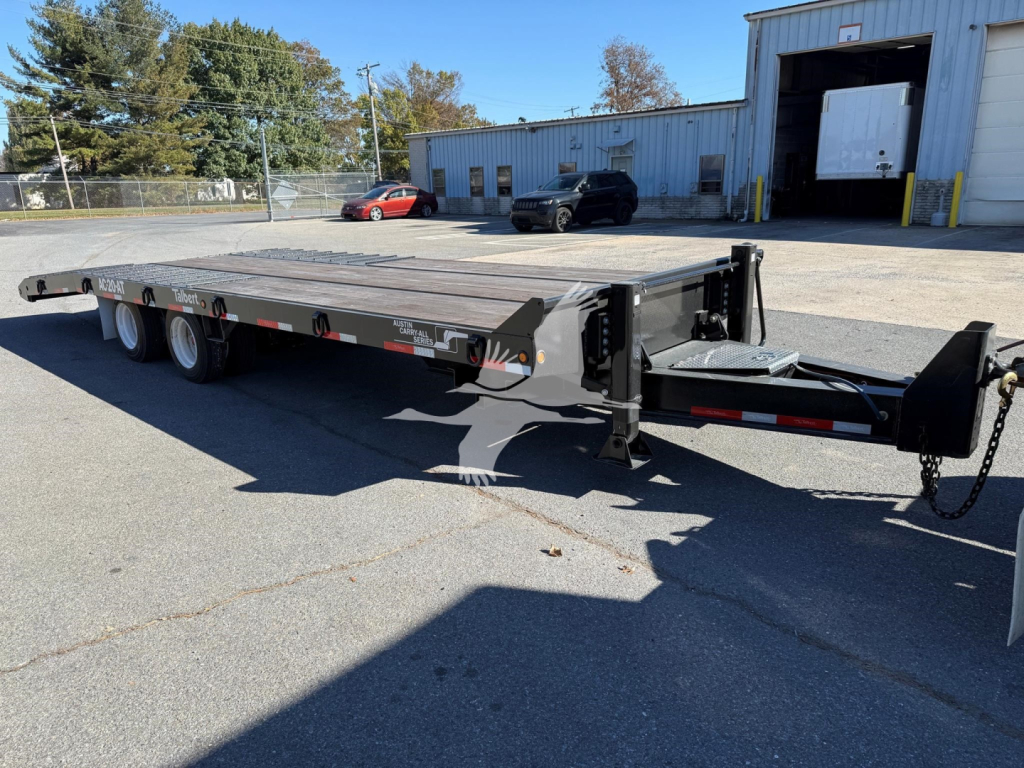
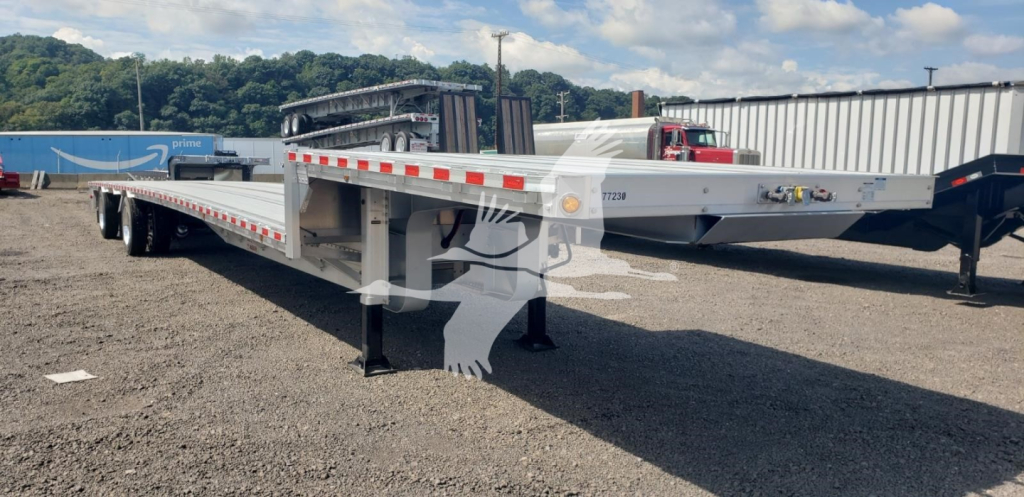
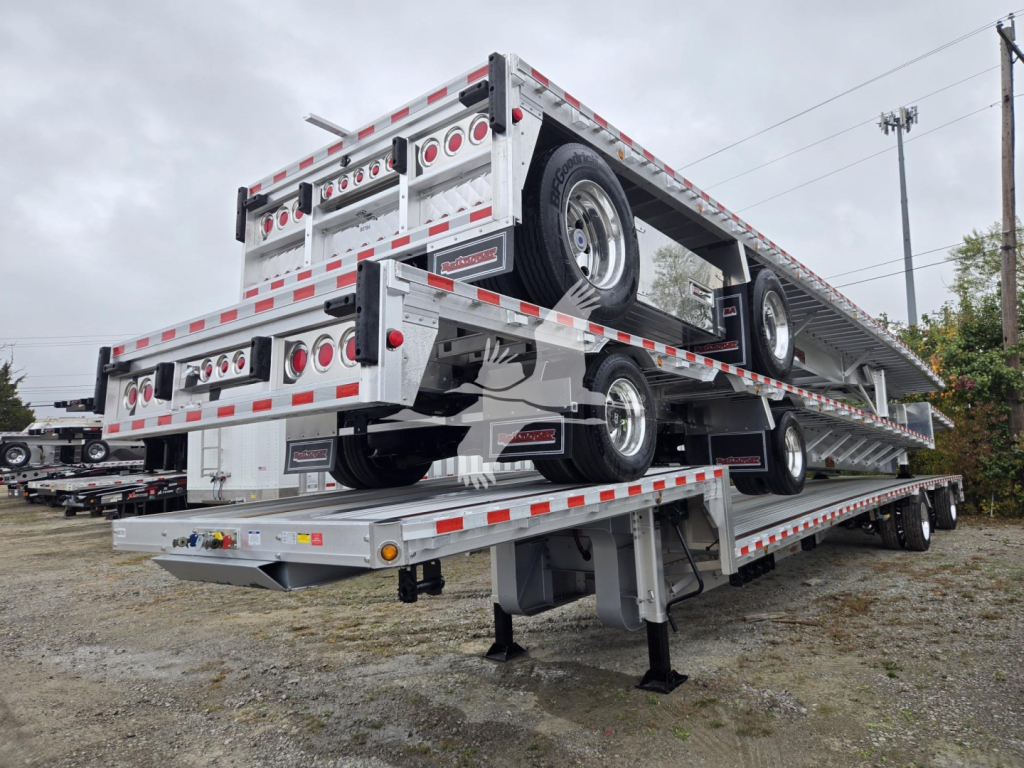
Showing 1 to 28 of 732 results
Selling a new trailer? List your new trailer for sale and reach thousands of commercial buyers.
New Trailers in Alaska
In Alaska, trailer applications often lean toward logging, construction support, equipment transport, bulk materials, and general freight. A log trailer is a strong example of what buyers here look for: high-strength steel construction, tandem axle layouts, air ride or other heavy-duty suspension setups, dependable drum or disc brakes, and practical details like bolsters, drop-center frames, grapple bars, winch systems, and landing gear built for field use. Tire size and wheel spec also matter more than many buyers first expect, especially when trailers regularly see gravel, mud, frost-heaved roads, and seasonal weight changes. A trailer that is easy to maintain in remote conditions can save more over time than one that only looks good on paper.
New trailer buyers should also pay close attention to the intended payload and how the trailer is dimensioned around that work. Deck length, kingpin setting, frame height, crossmember spacing, suspension travel, and axle spread can all affect legal loading, stability, and tire wear. If the trailer will be used for timber, heavy machinery, or off-highway hauling support, it is worth looking closely at structural reinforcement, brake performance under load, and how the trailer handles uneven approaches and jobsite surfaces. In northern service, corrosion protection, wiring protection, lighting layout, and cold-weather reliability deserve real attention because those details tend to show up later as downtime.
A new trailer also gives buyers a cleaner starting point for compliance and fleet standardization. Matching axle capacity, brake parts, wheel ends, tire sizes, and electrical systems across a trailer group can simplify maintenance and reduce parts complexity. For Alaska operations, the best trailer is usually not the lightest or the cheapest. It is the one built for the actual route, cargo, and work cycle, with enough structure and component quality to stay productive through severe weather, seasonal roads, and demanding haul conditions.
Frequently Asked Questions about New Trailers in Alaska
What trailer specs matter most for new trailers in Alaska?
The most important trailer specs in Alaska are axle rating, suspension type, brake setup, frame construction, tire size, and ground clearance. Buyers should also look closely at cold-weather durability, corrosion resistance, protected wiring, and how easy the trailer is to service in remote areas. A trailer that fits the route conditions and payload profile usually performs better long term than one chosen only by price or empty weight.
Are air ride suspensions a good choice for heavy-duty trailers in Alaska?
Air ride suspension can be a strong choice because it helps with ride quality, cargo protection, and driver control on uneven roads. It is commonly used on heavy-duty and log trailer applications. The key is making sure the suspension is matched to the axle rating and operating environment, and that the components are rugged enough for gravel roads, mud, and cold-weather service. Maintenance access and parts availability should also be considered before spec'ing the trailer.
What should I look for in a new log trailer?
A new log trailer should be evaluated for bolster design, frame strength, axle capacity, brake type, suspension, tire size, and landing gear arrangement. Buyers should also consider drop-center configuration, grapple bar setup, load securement equipment, and how the trailer handles loading and unloading in the field. For logging work, durability and stability under real timber loads matter more than brochure specifications alone.
Why does tire size matter on a new trailer in Alaska?
Tire size affects ground clearance, load support, ride characteristics, and replacement availability. In Alaska, trailers often run on rough roads and remote routes where durability and serviceability are critical. A common heavy-duty size like 11R24.5 may be preferred in some applications because it supports the trailer's load rating and may align better with fleet standards or local service support. The right tire choice should match the trailer's axle spec, terrain, and expected haul cycle.