
Construction Trailer Specialist Trailers For Sale
Browse Construction Trailer Specialist trailers for sale, including rugged dump and specialty trailer configurations built for heavy material hauling.
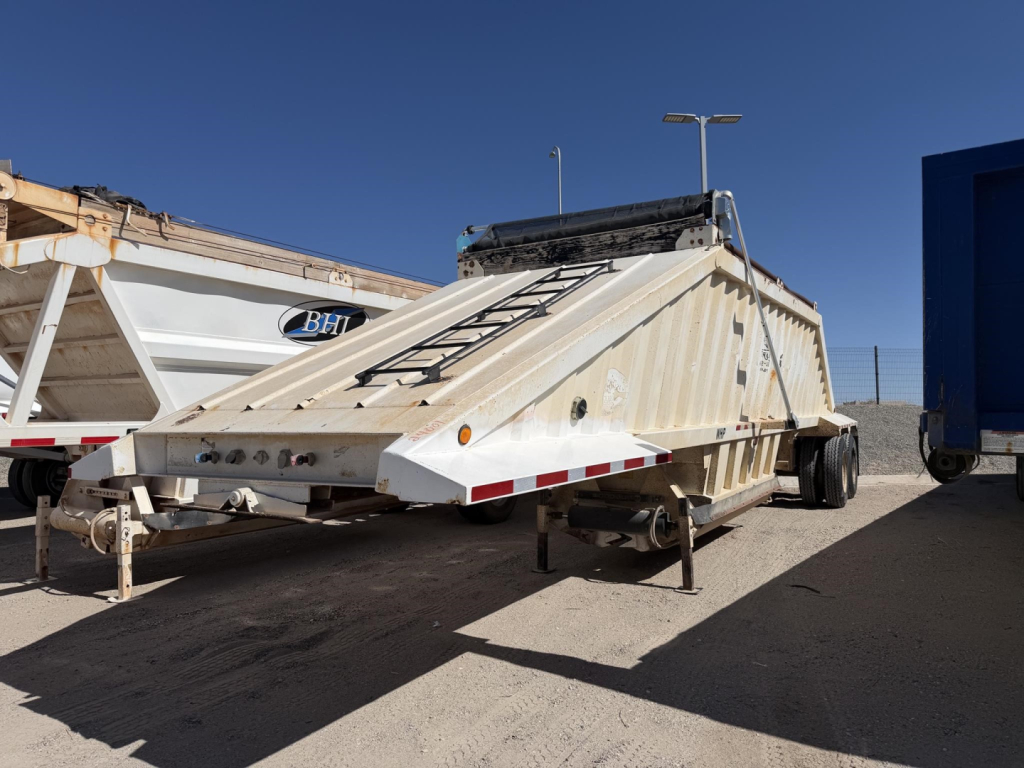
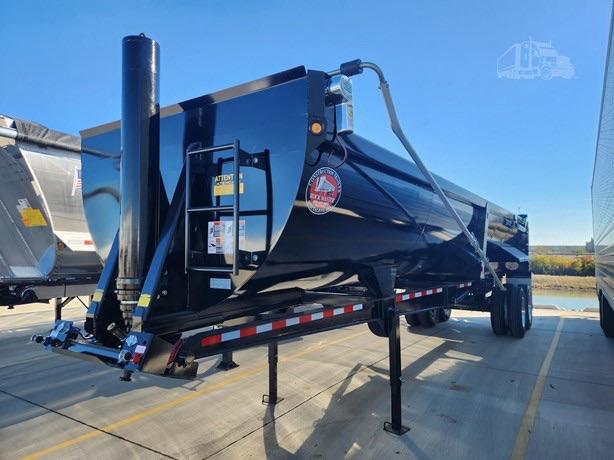
Have construction trailer specialist trailer to sell? List it here to reach thousands of buyers.
Construction Trailer Specialist Trailers
A buyer comparing Construction Trailer Specialist trailers should start with body length, side height, floor thickness, and suspension type. A 34-foot steel end dump is a common size for operators who need strong payload capacity without getting into an overly specialized setup. Spring ride remains popular in vocational fleets because it is straightforward, durable, and familiar to service. Tire size, wheel material, tarp system, hoist specification, and gate style also deserve attention because they directly affect uptime, loading speed, and legal payload. Electric tarps are a practical upgrade for crews that need fast cover cycles and better compliance on short-haul routes.
For end dumps and other construction-focused trailer designs, the real buying question is how the trailer matches the material and the terrain. Heavier steel construction generally fits quarries, road crews, and contractors hauling shot rock, millings, dirt, and broken concrete. Lighter configurations may improve payload on less severe applications, but repeated off-road articulation and harsh loading can quickly expose a trailer that is too lightly built for the job. Buyers should also check frame design, crossmember spacing, liner condition, kingpin area, landing gear placement, and signs of stress around suspension hangers and hoist mounts.
Construction Trailer Specialist equipment is typically considered by buyers who prioritize vocational durability, straightforward maintenance, and trailer specs that fit regional weight laws and jobsite demands. The best unit is rarely just the newest one. It is the trailer with the right body construction, suspension, axle setup, brake package, and tarp arrangement for the work it will actually do every day. When comparing listings, pay close attention to how the trailer was equipped from the factory and how that setup aligns with your material type, road conditions, and loading method.
Frequently Asked Questions about Construction Trailer Specialist Trailers
What are Construction Trailer Specialist trailers commonly used for?
Construction Trailer Specialist trailers are commonly used in heavy vocational hauling, especially for aggregate, dirt, asphalt millings, demolition debris, and other construction materials. Many buyers look at this brand for dump and specialty trailer applications where body strength, durability, and simple serviceability are critical. They are generally best suited for fleets and owner-operators working in construction, excavation, paving, quarry, and municipal environments.
Why choose a steel end dump trailer instead of a lighter-weight body?
A steel end dump trailer is usually the better choice when the load is abrasive, impacts the body hard, or includes sharp and irregular material such as rock, broken concrete, and scrap. Steel adds weight compared with aluminum, but it typically offers better resistance to denting, gouging, and structural abuse in severe service. For buyers running rough jobsites and short-to-medium haul vocational work, the added durability often outweighs the loss in payload.
What specs matter most when comparing used construction trailers?
The most important specs usually include body length, side height, floor and wall thickness, suspension type, axle rating, wheelbase, tire size, brake condition, hoist setup, and tarp system. Buyers should also inspect structural areas such as the frame rails, crossmembers, suspension hangers, kingpin plate, and any high-stress points around the hoist and body pivots. These details matter more than appearance because they affect payload, stability, maintenance cost, and service life.
Is spring ride still a good choice for a construction trailer?
Spring ride is still a solid choice for many vocational trailer applications because it is durable, relatively simple, and widely understood by technicians and fleet maintenance teams. It performs well in rough service and can be a practical fit for dump work where ease of repair matters. Air ride may offer advantages in some applications, but many construction buyers still prefer spring ride for its toughness and lower complexity.
How important is the tarp system on a dump or construction trailer?
The tarp system is more important than many buyers expect because it affects safety, compliance, and daily cycle time. A good electric tarp system helps drivers cover loads quickly and consistently, which is especially useful on short hauls with frequent load turns. Buyers should check tarp operation, arm condition, motor function, and overall sealing coverage, since a weak or damaged tarp setup can create delays and lead to material loss on the road.