
Used UD Trucks For Sale
Browse used UD trucks for delivery, box, cabover, and medium-duty work. Compare diesel engines, GVWR, wheelbase, body options, and specs.
Learn more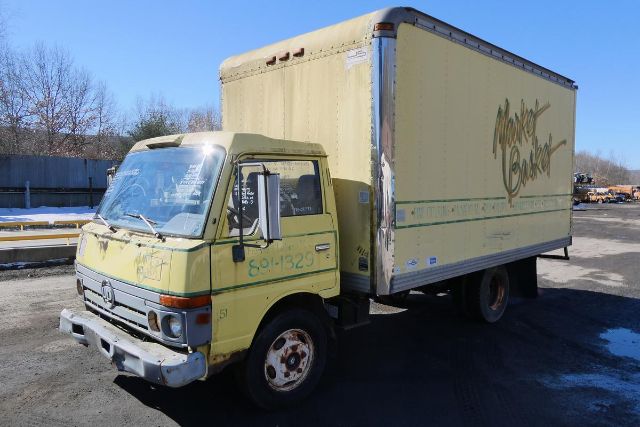
Have used ud truck to sell? List it here to reach thousands of buyers.
About Used UD Trucks
The first decision is usually application and parts support. Older UD trucks often show up as 4x2 single-axle units with wheelbases suited for 12-foot to 24-foot van bodies, landscape bodies, or small vocational upfits. Engine choices vary by year, but many used examples carry Nissan Diesel mechanical or early electronic diesel engines that are valued for straightforward service and decent fuel economy in local work. Transmission setups are commonly automatic in delivery service, though manual gearboxes can also be found. Buyers should pay close attention to GVWR, axle ratings, spring capacity, brake type, tire size, cab-to-axle measurement, and frame condition, because those details determine what body can be mounted and how well the truck will handle payload.
Condition matters more than odometer on many used UD trucks because these units often spent their lives in stop-and-go service. Brake system condition, steering play, cooling system health, injector pump performance, and electrical repairs deserve a careful look. On older cabovers, rust around the cab mounts, step areas, floors, battery box, and frame rails can be more important than cosmetic body damage. If the truck already has a box or specialty body installed, inspect the floor, crossmembers, roll-up door, roof, scuff liners, and any liftgate or refrigeration components separately from the chassis. A clean, correctly sized body on a sound chassis can save substantial upfit cost, but a worn body can erase the value of an otherwise usable truck.
Used UD trucks appeal to buyers who want a practical local-service chassis without the bulk of a larger Class 8 platform. They are often a fit for furniture delivery, parcel routes, beverage service, mobile workshops, landscaping, and light construction support. The strongest values usually come from trucks with clear maintenance records, readily identifiable engine and transmission components, and a body spec that matches the intended route and payload. When comparing listings, focus on how the truck was configured for work rather than just year and mileage. Wheelbase, cab-to-axle, body length, brake system, suspension, and engine family will tell you more about long-term usefulness than the badge alone.
Frequently Asked Questions
What are used UD trucks typically used for?
Used UD trucks are most commonly used for local and regional delivery, especially in box truck and cabover configurations. They are well suited for city routes, dock work, beverage delivery, landscaping, municipal service, and other applications where maneuverability matters more than highway speed or maximum payload. Many units are configured as medium-duty work trucks with van bodies, flatbeds, stake beds, dump bodies, or specialty service bodies.
Are older UD trucks easy to maintain?
Many older UD trucks are relatively straightforward to maintain because they were built with simple medium-duty chassis layouts and, in some cases, mechanical diesel engines. Ease of maintenance depends heavily on the specific engine, transmission, and brake system, along with local parts availability. Buyers should confirm parts sourcing before purchase, especially for older Nissan Diesel engine components, cab parts, and model-specific electrical items. A truck with a common body, standard tire size, and documented repairs is usually easier to keep in service.
What should I inspect first on a used UD truck?
Start with frame condition, brake operation, engine starting behavior, transmission shift quality, steering response, and evidence of cooling system or fuel system problems. On a cabover UD, inspect the cab mounts, floor, steps, and lower cab structure for corrosion. Then check wheelbase, cab-to-axle, axle ratings, suspension type, and tire size to make sure the truck matches the intended body and payload. If the truck has a box or other upfit, inspect that equipment as a separate asset with its own wear points and repair costs.
Why do buyers choose a UD cabover over a conventional truck?
A UD cabover gives the buyer more usable body length in a shorter overall vehicle, which is a major advantage in urban service. The design also improves forward visibility and turning radius, making it easier to work in alleys, loading zones, and crowded commercial areas. That packaging efficiency is often the main reason buyers choose a used UD truck for delivery or service routes where space is limited.
What specs matter most when comparing used UD truck listings?
The most important specs are GVWR, axle configuration, wheelbase, cab-to-axle measurement, engine family, transmission type, brake system, suspension, and body dimensions if equipped. Those specs determine payload capacity, legal compliance, turning characteristics, and how easily the truck can be repurposed. Mileage matters, but on older medium-duty trucks the work history, maintenance records, and current mechanical condition usually have a bigger impact on value.