
Used Trucks For Sale in Washington
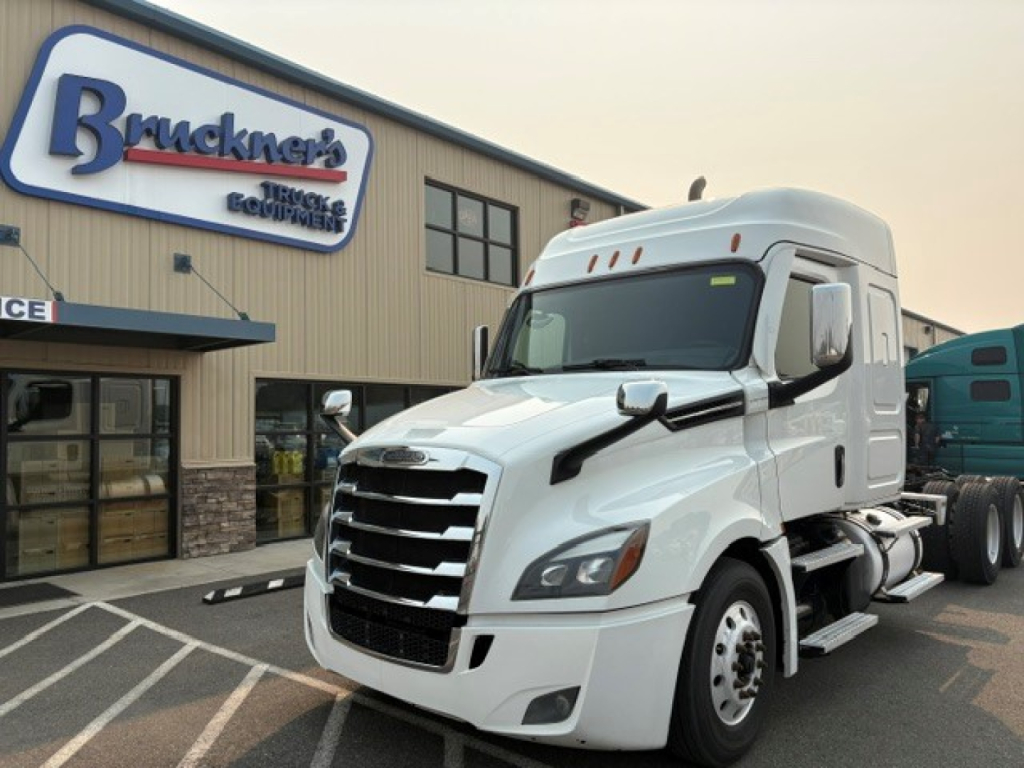
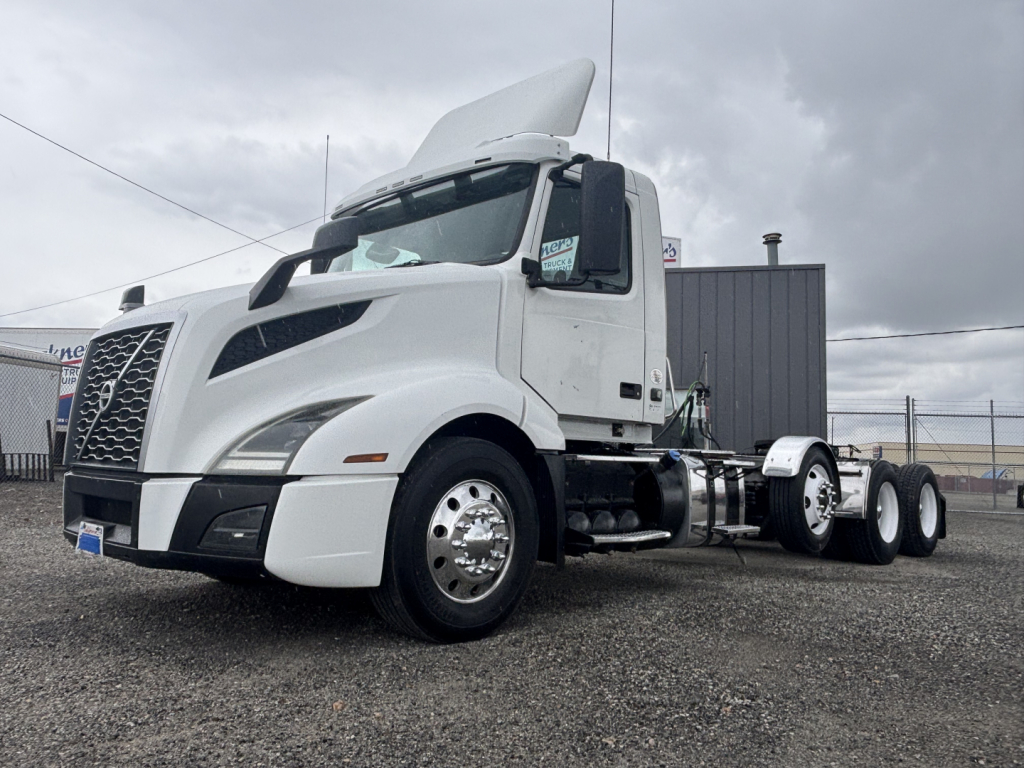
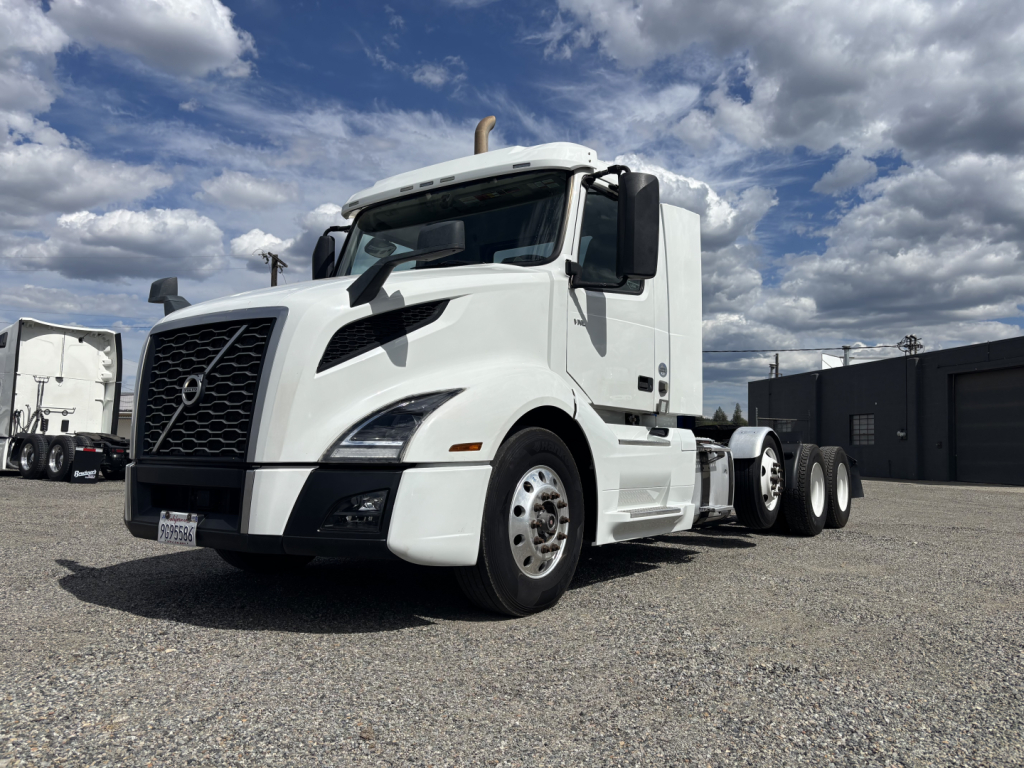
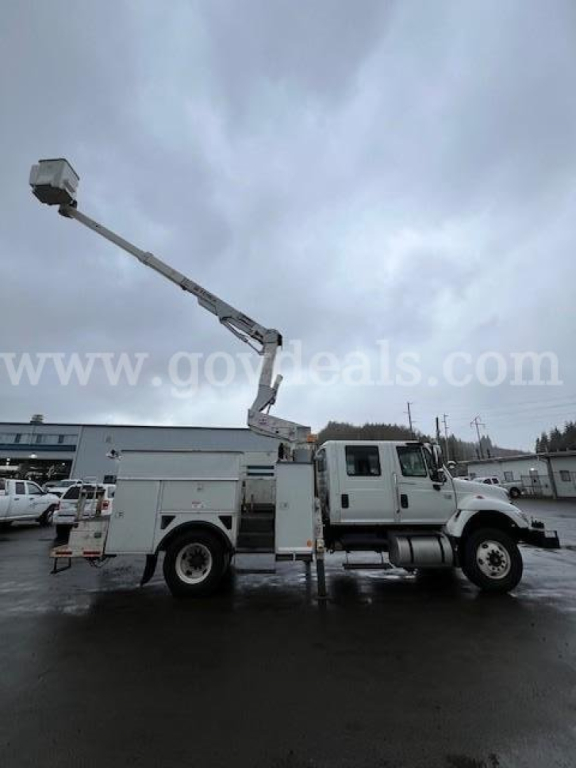


Have used truck to sell? List it here to reach thousands of buyers.
Used Trucks in Washington
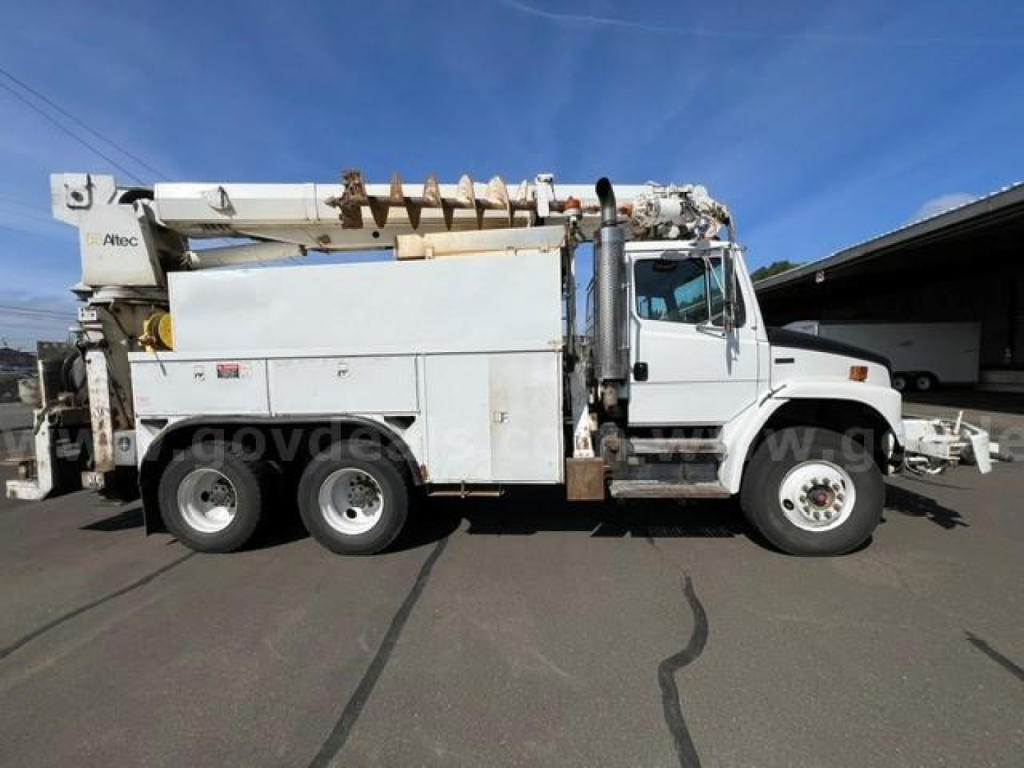
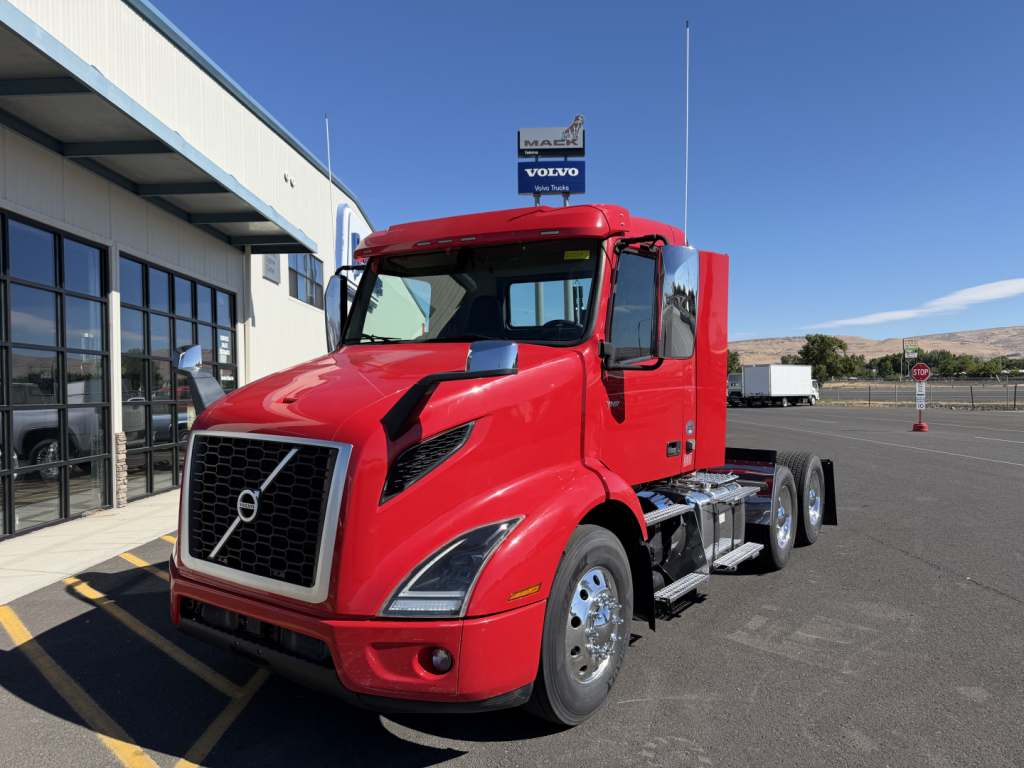
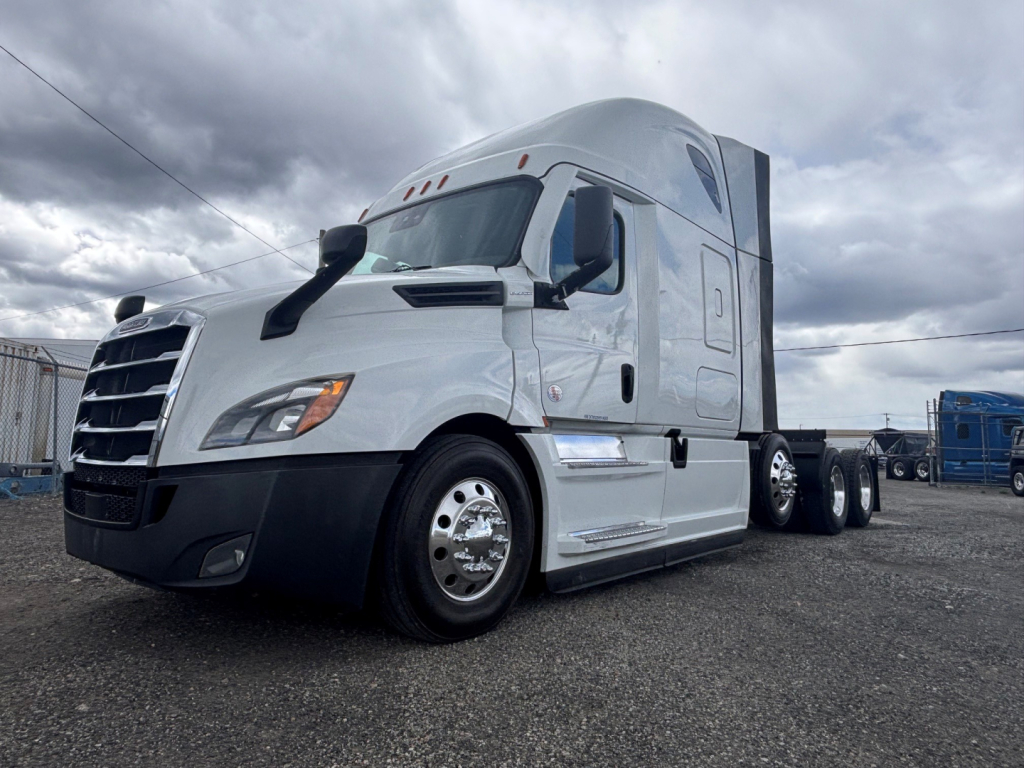
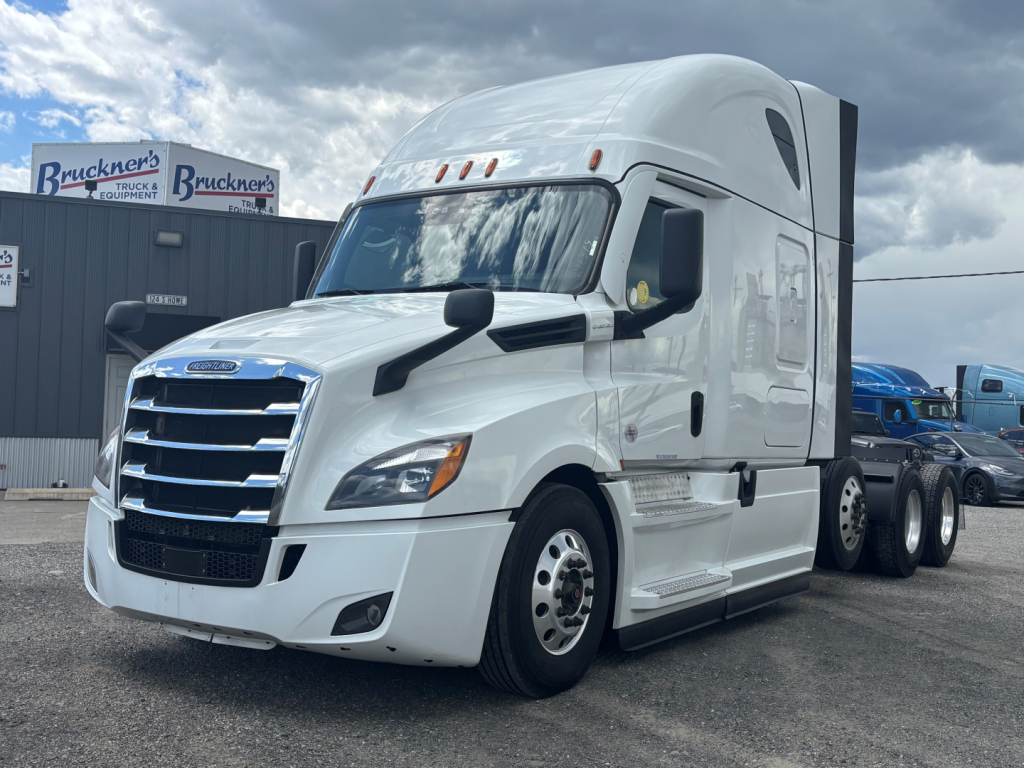
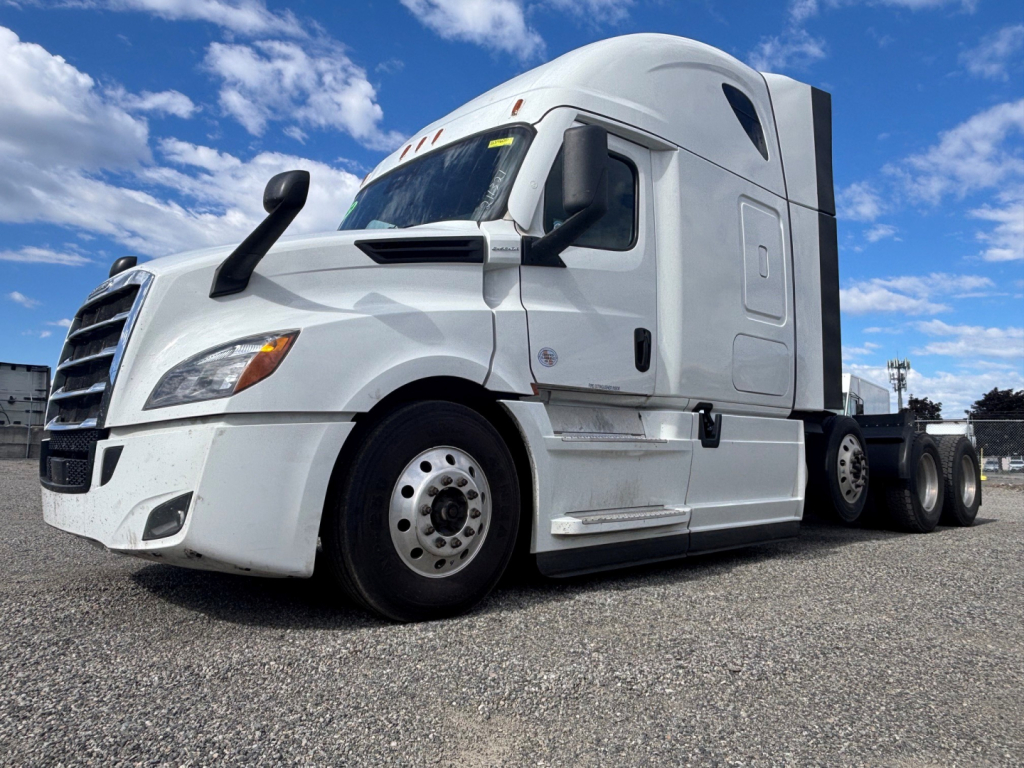
A good used truck evaluation starts with the application, then moves to the hard specs. For over-the-road tractors, key points include engine make and model, horsepower, transmission type, wheelbase, rear ratio, front and rear axle ratings, and sleeper configuration. A raised-roof sleeper with a 217-inch wheelbase, tandem rears, and a 40,000-pound rear axle setup is a common type of spec for regional and long-haul freight. For cab and chassis trucks, the value is often in the frame layout, usable cab-to-axle, PTO provisions, and how easily the truck can accept a dump body, service body, hooklift, tanker, or other vocational equipment. For flatbeds and dump trucks, body length, hoist condition, floor wear, crossmember condition, and suspension spec can affect productivity just as much as engine hours or odometer mileage.
Washington buyers also need to pay close attention to emissions equipment, corrosion exposure, and drivetrain suitability for terrain. Late-model diesel trucks may include DPF, SCR, and automated driver-assist systems such as collision mitigation, lane support, and adaptive cruise. Those features can improve safety and driver retention, but repair history matters. In vocational trucks, frequent idle time, PTO operation, and stop-and-go use can tell a different story than highway mileage alone. Look for service records covering injectors, aftertreatment components, clutch or automated transmission repairs, suspension bushings, brakes, and tires. In western Washington, moisture exposure can accelerate rust in body mounts, wiring, and underbody components, while trucks working eastern Washington may show different wear patterns tied to dust, agriculture, and seasonal temperature swings.
The strongest used truck purchase is the one matched tightly to payload, route, and body requirement. A sleeper tractor is built for freight efficiency and driver comfort. A dump truck is selected around axle capacity, frame strength, and body condition. A flatbed or hooklift truck needs the right deck or hoist setup and enough GVWR for the intended load. A refuse truck brings another layer of inspection around packer function, side-loader hydraulics, transmission health, and steering axle wear from dense urban service. Across every category, buyers should verify engine hours where available, confirm VIN and emissions compliance, inspect for frame repairs or modifications, and compare maintenance history against the truck's actual job. That approach usually tells you more about remaining value than model year alone.
Frequently Asked Questions about Used Trucks in Washington
What types of used trucks are commonly available in Washington?
Used trucks for sale in Washington commonly include conventional sleeper tractors, day cabs, cab and chassis trucks, dump trucks, flatbeds, refuse trucks, and other vocational diesel units. The market often reflects a mix of highway equipment for regional and long-haul freight and work trucks used by municipalities, contractors, utilities, and agricultural operations. That variety makes it important to shop by application first, then compare drivetrain, axle ratings, and body or upfit condition.
What should I check first when buying a used truck?
Start with the truck's intended job, then verify the core specifications support that job. Important checks include GVWR, axle ratings, wheelbase, engine and transmission model, rear ratio, suspension type, brake setup, and any PTO or hydraulic requirements. After that, inspect maintenance records, frame condition, tire wear, emissions system history, and any signs of hard vocational use such as cracked mounts, body rust, or hydraulic leaks. A truck with the right spec and documented service history is usually a better buy than one chosen by model year alone.
Are automated manual transmissions common in used highway trucks?
Yes. Many late-model highway tractors on the used market use automated manual transmissions such as Volvo I-Shift and similar 10-, 12-, or 13-speed automated units from other OEMs. These transmissions can improve fuel economy, reduce driver fatigue, and help standardize operation across fleets. Buyers should still review clutch calibration history, fault codes, software updates, and service records, especially on trucks that ran heavy regional routes or frequent grade changes.
How is a cab and chassis truck different from a complete vocational truck?
A cab and chassis truck is sold as the truck platform without a finished body, or with a configuration intended for future upfitting. It is commonly used for dump bodies, service bodies, hooklifts, tankers, roll-offs, and other specialized applications. Buyers need to pay close attention to cab-to-axle measurement, frame rail condition, PTO compatibility, suspension spec, and axle capacity because those factors determine what body can be installed and how well the truck will perform once completed.
Does mileage matter as much on a used vocational truck as it does on a highway tractor?
Not always. Highway tractors are often evaluated heavily by mileage because they accumulate long road hours under relatively consistent operating conditions. Vocational trucks can show lower mileage but much heavier wear from idling, PTO operation, stop-and-go duty cycles, off-road work, and repeated loading stress. On a dump truck, refuse truck, or hooklift, engine hours, hydraulic condition, transmission health, frame integrity, and body wear can be more important than odometer reading by itself.