
Used Taylor Equipment For Sale
Browse used Taylor trucking equipment, including heavy-duty forklifts and yard machines built for cargo handling, terminal work, and fleet support.
Have used taylor equipment to sell? List it here to reach thousands of buyers.
Used Taylor Equipment
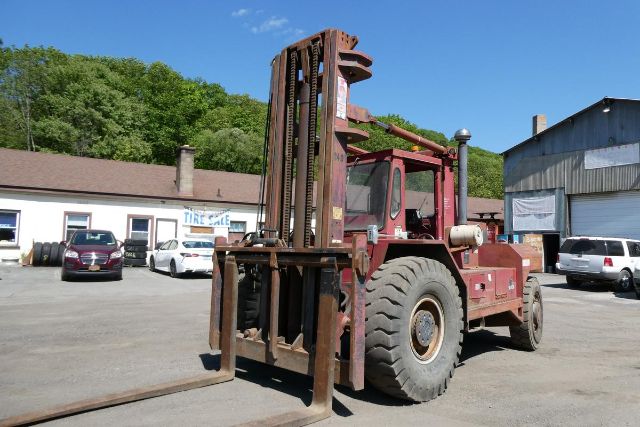
On older Taylor forklifts and lift trucks, buyers should pay close attention to engine type, transmission configuration, brake system, mast height, and fork dimensions. Many units were built with diesel power and simple mechanical drivetrains that are still valued for durability and serviceability. Capacity ratings can vary widely, so it is important to confirm the data plate, actual fork length, tire type, and attachment setup before matching a machine to pipe, steel, lumber packs, machinery skids, or loaded trailers. In outdoor fleet support work, pneumatic tires, air brakes, side shift, and a partially enclosed or full cab can all affect usability and operator comfort. On high-hour used machines, hydraulic cylinder condition, mast wear, steer axle play, brake response, and cooling system health deserve close inspection.
Taylor equipment is often chosen by buyers who need a rugged yard or industrial machine rather than a light warehouse forklift. That makes structural condition especially important. Check for frame repairs, mast cracks, carriage wear, fork heel wear, and signs of overload history. Parts support and service access are also worth considering, especially on older models that may still be productive but require a practical maintenance plan. If the machine will be used around trailers, docks, or rough yard surfaces, overall dimensions, turning radius, loading height, and visibility from the cab should be reviewed alongside lift capacity.
For trucking-related operations, used Taylor equipment can be a strong fit for cross-dock support, heavy freight loading, flatbed cargo handling, and terminal material movement. Buyers generally get the most value when the machine is sized correctly for both the heaviest routine load and the space it must work in every day. A Taylor unit with the right mast, fork setup, and hydraulic features can remain a productive asset for years, particularly in applications where raw lifting strength and heavy-duty construction matter more than electronics or warehouse-style refinement.
Frequently Asked Questions about Used Taylor Equipment
What is Taylor trucking equipment typically used for?
Taylor trucking equipment is typically used for heavy material handling in freight yards, terminals, ports, lumber yards, steel operations, and industrial fleet support. The brand is especially well known for large forklifts and lift trucks that handle heavy or oversized freight that standard warehouse units are not built to manage. In trucking applications, these machines are often used to load flatbeds, move bundled materials, position machinery, and support cross-dock or yard operations.
What should I check first on a used Taylor forklift or lift truck?
Start with the machine's rated capacity, data plate, mast configuration, and overall structural condition. After that, inspect the engine, transmission, hydraulics, brakes, steering components, and tires. On older used units, buyers should look closely at mast rails, carriage wear, fork condition, cylinder leakage, and any signs of frame or weld repair. A machine can run and still be a poor fit if the fork length, lift height, or load center do not match the freight being handled.
Are older Taylor machines still a practical buy?
Older Taylor machines can still be a practical buy when they have been maintained properly and are matched to the right job. Many older units use straightforward diesel engines and durable driveline components that experienced technicians can service without relying on complex electronics. The key is to verify parts availability, evaluate the condition of major systems, and make sure the machine's dimensions and lifting characteristics still suit your operation.
How important are fork size and mast height on used Taylor equipment?
Fork size and mast height are critical because they directly affect load stability, reach, trailer access, and safe lifting performance. A heavy-capacity machine with the wrong fork length or mast setup may be less productive than a smaller machine that is configured correctly. Buyers should compare the machine's fork dimensions, lowered mast height, maximum lift height, and attachment options against their actual freight types, trailer heights, and yard conditions before making a decision.