
Used Mercedes-Benz Trucks For Sale
Browse used Mercedes-Benz trucks, including Sprinter-based commercial models, with key buying insights on specs, service history, GVWR, and use cases.
Learn moreBrowse Mercedes-Benz Trucks by Category


Have used mercedes-benz truck to sell? List it here to reach thousands of buyers.
About Used Mercedes-Benz Trucks
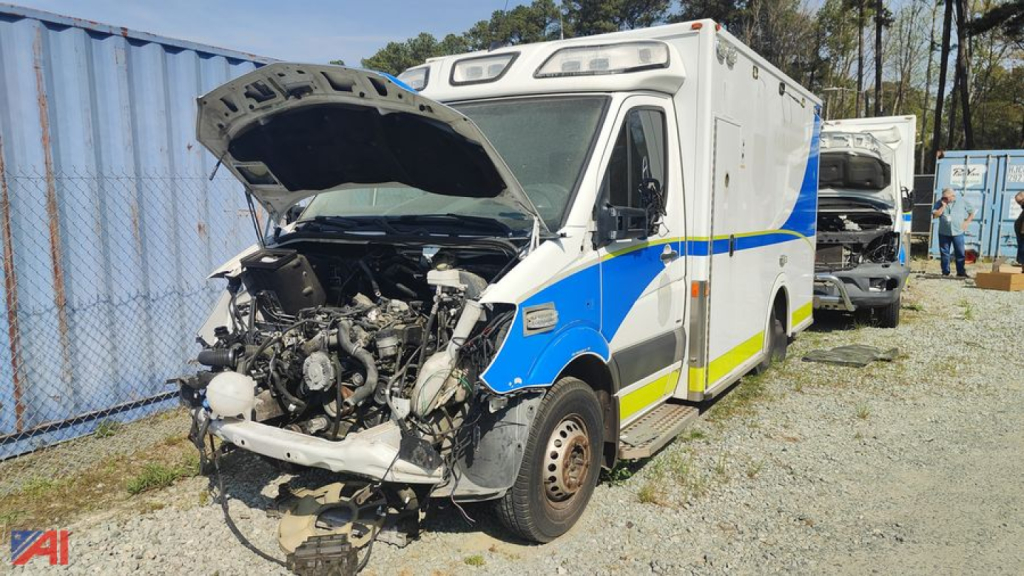
On a used Mercedes-Benz truck, start with the basic operating profile. Check GVWR, wheelbase, roof configuration, rear door opening, and whether the unit is 2WD or 4x4 if applicable. Sprinter-based commercial trucks commonly use a turbo-diesel engine paired with an automatic transmission, and buyers should pay close attention to emissions-system condition, service records, idle hours, and any history involving DEF, DPF, EGR, or turbocharger repairs. If the truck was used as an ambulance or another severe-duty fleet vehicle, inspect the electrical system closely. Added lighting, HVAC loads, inverters, shoreline charging, medical or communications equipment, and body-module wiring can create expensive troubleshooting later if the installation or removal work was not clean.
Condition matters more on these units than age alone. A used Mercedes-Benz truck with documented maintenance, a clean rust profile, and a well-preserved cab can be a better buy than a newer unit with neglected emissions service or heavy idle time. Look at suspension wear, brake condition, tire age, door tracks, cargo floor or interior wall damage, and signs of water intrusion around roof-mounted equipment. On specialty bodies, verify that all auxiliary systems function as intended, including lift mechanisms, climate-control systems, shoreline inputs, battery isolators, warning circuits, and cabinetry or interior mounting points. Parts availability and service access should also be considered, especially if the truck will operate in a region where Mercedes-Benz commercial support is limited.
Mercedes-Benz trucks appeal to buyers who need a compact commercial chassis with a refined cab, efficient packaging, and strong suitability for urban or specialty fleet work. They are also known as Sprinter vans or Sprinter chassis cabs when discussing the most common Mercedes-Benz commercial platform in North America. The best used unit is the one matched to the job: enough payload for the upfit, enough interior volume for technicians or equipment, and a maintenance history that supports dependable service rather than deferred repairs.
Frequently Asked Questions
What should I check first on a used Mercedes-Benz truck?
Start with service history, emissions-system condition, and the quality of any upfit or body installation. On Mercedes-Benz commercial trucks, especially Sprinter-based units, maintenance records for oil changes, transmission service, DEF-related repairs, DPF service, and turbo or EGR work are important. If the truck was used in ambulance, municipal, or other severe-duty service, also review idle hours, electrical modifications, and the condition of auxiliary charging and wiring systems.
Are used Mercedes-Benz trucks good for specialty fleet applications?
Yes, they are commonly used for specialty applications where maneuverability, interior access, and packaging efficiency are more important than heavy Class 8 capability. Sprinter-based Mercedes-Benz trucks are frequently seen in ambulance service, mobile repair, parcel delivery, passenger transport, and contractor support roles. Buyers should make sure the chassis rating, wheelbase, and roof height fit the intended work because these trucks perform best when the body and payload are matched correctly to the platform.
What are common problem areas on a used Mercedes-Benz Sprinter-based truck?
Common areas to inspect include the diesel emissions system, turbocharger performance, transmission behavior, front suspension wear, brake condition, and electrical issues tied to aftermarket equipment. Specialty units can have complicated wiring from warning lights, HVAC systems, inverters, battery chargers, and communications gear. Water intrusion around roof penetrations and corrosion in door sills, underbody areas, or body mounts can also turn into costly repairs if missed during inspection.
Is mileage or idle time more important on a used Mercedes-Benz truck?
Both matter, but idle time can be especially important on fleet and ambulance applications. A truck with moderate road miles but extensive idle hours may have more engine wear, more emissions-system stress, and more hours on electrical and climate-control components than the odometer suggests. The best evaluation combines mileage, idle history if available, maintenance records, and a full inspection of drivetrain and auxiliary systems.
How do I know if a used Mercedes-Benz truck is the right size for my operation?
Match the truck to payload, interior space needs, and route profile. Review GVWR, wheelbase, roof height, cargo or patient compartment dimensions, axle ratings, and door access. For city routes or service work, the compact footprint and tight maneuvering of a Sprinter-based truck can be a major advantage. For heavier hauling or constant maximum-load operation, buyers should confirm that the chassis and upfit leave enough legal payload and durability margin for the application.