
Trucks For Sale in Michigan
Browse used semi trucks, day cabs, sleepers, and vocational trucks in Michigan. Compare specs, axles, and cold-weather options for your routes.
Learn morePopular Trucks Categories

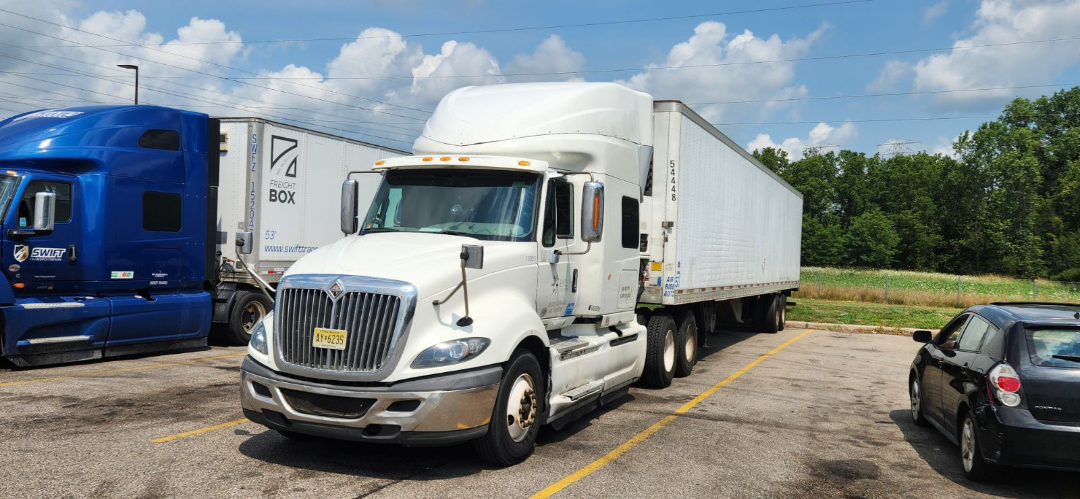
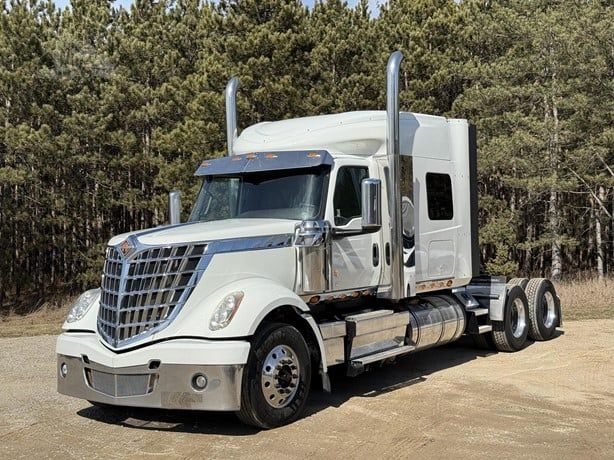
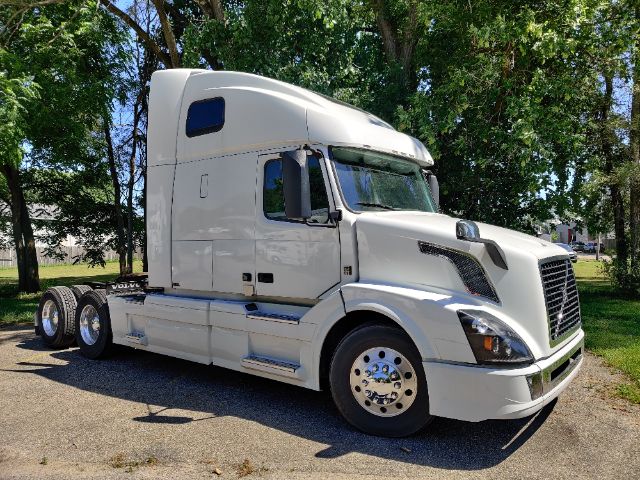
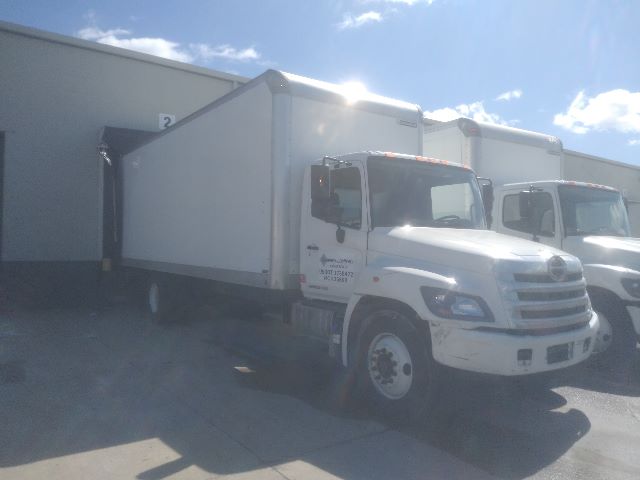
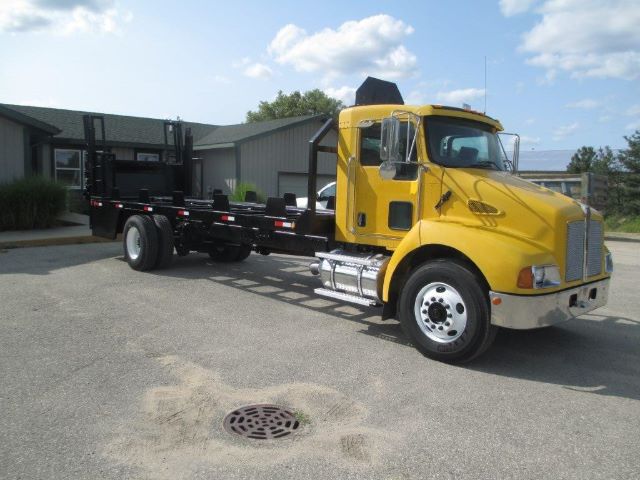
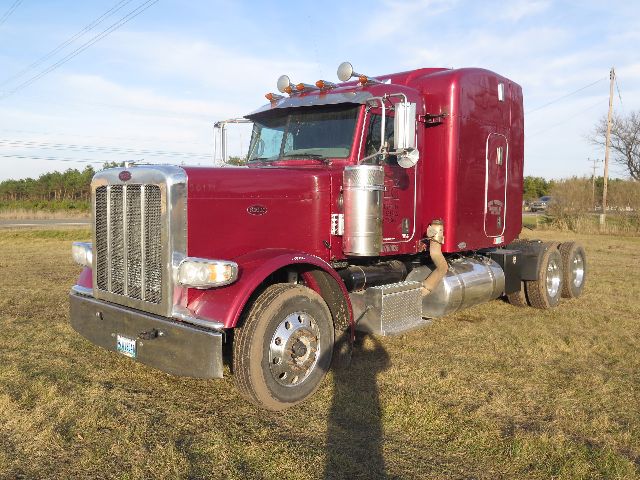
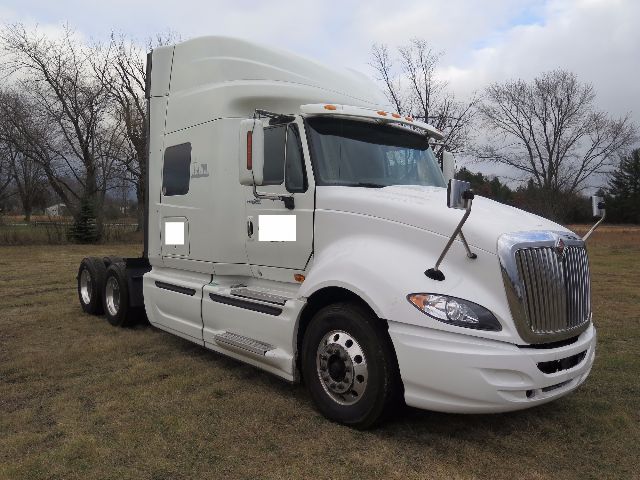
Showing 1 to 12 of 15 results
Have truck to sell? List it here to reach thousands of buyers.
About Trucks in Michigan
Linehaul and regional fleets working the I-75, I-94, and I-96 corridors tend to favor late-model sleepers and day cabs with automated manuals for fuel economy and driver retention. A 13L to 15L engine in the 400 to 500 hp range with 1,550 to 1,850 lb-ft, paired to a direct-drive or overdrive AMT, is common. Match axle ratios to cruise speed and terrain. For flat Michigan lanes at 60 to 65 mph, many buyers target 2.28 to 2.64 with direct drive or 2.64 to 3.08 with overdrive, depending on tire size. Aero packages, roof and chassis fairings, low-rolling-resistance rubber, and idle reduction like APUs or bunk heaters materially lower operating cost.
Vocational trucks for Michigan construction, municipal work, and winter service lean on heavier components. Look for 16k to 20k steer axles, 40k to 46k rears with full-locking differentials, double-frame or insert liners where bodies and hoists stress the rails, and PTO provisions for dumps, plows, mixers, or wet kits. Front frame extensions, high-capacity cooling, and heated mirrors are valuable in plow duty. For slow off-road work, 18-speed manuals or multi-speed rear axles give control, while on-highway vocational routes benefit from modern AMTs with off-road modes and hill-hold.
Cold-weather spec matters. Block heaters, fuel tank heaters, winter fronts, 3 to 4 battery packs, high-output alternators, heated air dryers, and 5W-40 CK-4 synthetic help cold starts and protect components. Inspect for DEF line and tank heater function, since frozen DEF can sideline a truck. When comparing listings, weigh total miles against engine hours and idle percentage, review aftertreatment service history and forced regen counts, check brake lining thickness and drum or disc condition, and confirm suspension type and wheelbase meet bridge and customer site requirements. Cross-border Michigan-Ontario freight often benefits from DRLs enabled, dual mph-km/h speed display, and a Canada-approved ELD if you will operate in Canada.
Frequently Asked Questions
Which axle and suspension setups work best for Michigan freight?
For general on-highway freight, a 6x4 tandem on air ride is the standard. For heavy local and vocational work, add steerable pusher or tag axles to spread weight and meet Michigan-specific limits. Look for lift-axle spacing that complements your body length, adequate steer axle rating for plows or heavy bumpers, and a sliding fifth wheel on road tractors so you can fine-tune axle loads to stay legal under bridge and seasonal restrictions.
How should I spec a truck for Michigan winters?
Prioritize cold-start and anti-gel features. Block and coolant heaters, heated fuel lines or tank heaters, winter fronts, and 5W-40 synthetic oil improve cranking and lubrication. Heated mirrors, air dryer service with fresh desiccant, and good batteries with high CCA reduce no-starts. Corrosion protection is key due to road salt, so favor aluminum components, sealed electrical connectors, stainless hardware, quality undercoating, and frequent chassis washes with attention to frame flanges and crossmembers.
What engine, transmission, and gearing work well on I-75 and I-94 lanes?
For steady 60 to 65 mph cruise on relatively flat routes, a 13L or 15L engine with 455 hp and 1,650 lb-ft paired to a direct-drive AMT and 2.28 to 2.64 rear ratios keeps rpm low and fuel burn down. If you run mixed city and highway or pull heavier loads, an overdrive AMT with 2.64 to 3.08 rears offers flexibility. Match tire size and expected cruise speed, verify startability on grades, and use predictive cruise and downspeeding only where your route profile supports it.
What should I evaluate on a used truck’s emissions system before buying?
Ask for aftertreatment service records and pull ECM data on regens and fault histories. Inspect DPF ash load and cleaning dates, DOC and SCR condition, NOx sensor history, DEF pump and line heaters, and check for exhaust leaks ahead of the aftertreatment. Confirm proper coolant temps and thermostat function, since low temps trigger regens. In cold climates, verify DEF tank and line heaters work and that the DEF quality sensor reads correctly.
Can a Michigan-based truck operate into Canada without modifications?
Most late-model tractors can, but confirm a few items. Daytime running lights should be enabled, the cluster should display speed in km/h or have dual markings, and your ELD must be on Canada’s approved list if you will operate there. Verify axle and gross weights meet provincial limits, and confirm trailer length and kingpin-to-axle rules for your lanes. Carry required permits and insurance documents for CBSA clearance and consider winter emergency equipment per shipper requirements.