
Trucks For Sale in Virginia

Have truck to sell? List it here to reach thousands of buyers.
Trucks in Virginia
For general freight and local delivery, box trucks are often chosen by body length, door configuration, and liftgate capacity. A 16-foot to 26-foot box is common, with diesel or gas engines depending on duty cycle and maintenance preference. Buyers comparing utility and municipal trucks should pay close attention to PTO operation, hydraulic condition, service body layout, outrigger function, and any auxiliary equipment mounted on the chassis. Bucket trucks need careful review of working height, platform capacity, boom type, dielectric status if applicable, and overall inspection history. Roll-off and other vocational trucks should be matched to container size, hoist rating, frame condition, suspension spec, and whether the truck is set up for severe-duty use.
Virginia buyers also need to think about regional compliance and operating environment. Rust exposure is usually less severe than in the upper Midwest, but coastal humidity, municipal duty cycles, and stop-start operation still affect cab mounts, wiring, hydraulic lines, and body corrosion. Air brake versus hydraulic brake configuration, CDL requirements, emissions equipment, and bridge or neighborhood access can all change which truck makes sense for a given business. On used trucks, service records, engine hours, PTO hours, lift or hoist maintenance, and signs of vocational stress are often more important than odometer mileage alone.
A good truck purchase in this category comes down to matching chassis spec to real payload and daily use. Look at GVWR, front and rear GAWR, wheelbase, tire size, suspension, and body upfit quality, then confirm the truck can legally and efficiently handle the work. Buyers shopping broad truck categories in Virginia will usually find the best value by narrowing the search to job-specific requirements first, then comparing drivetrain, cab configuration, body equipment, and maintenance history across similar units.
Frequently Asked Questions about Trucks in Virginia
What types of trucks are commonly found for sale in Virginia?
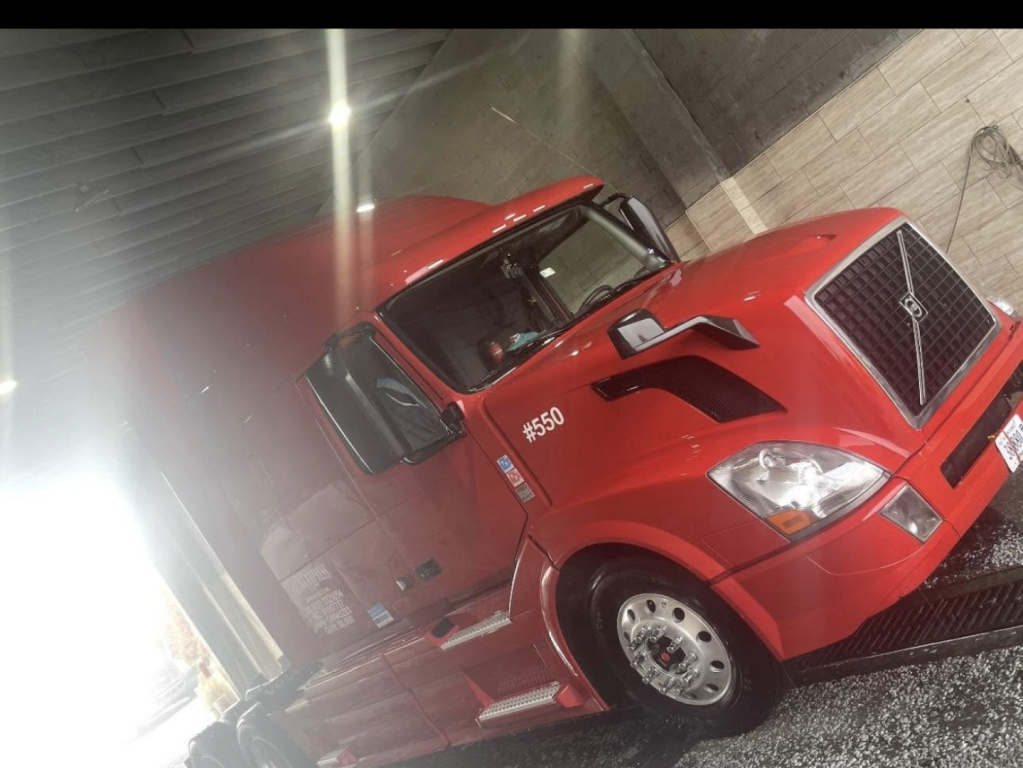
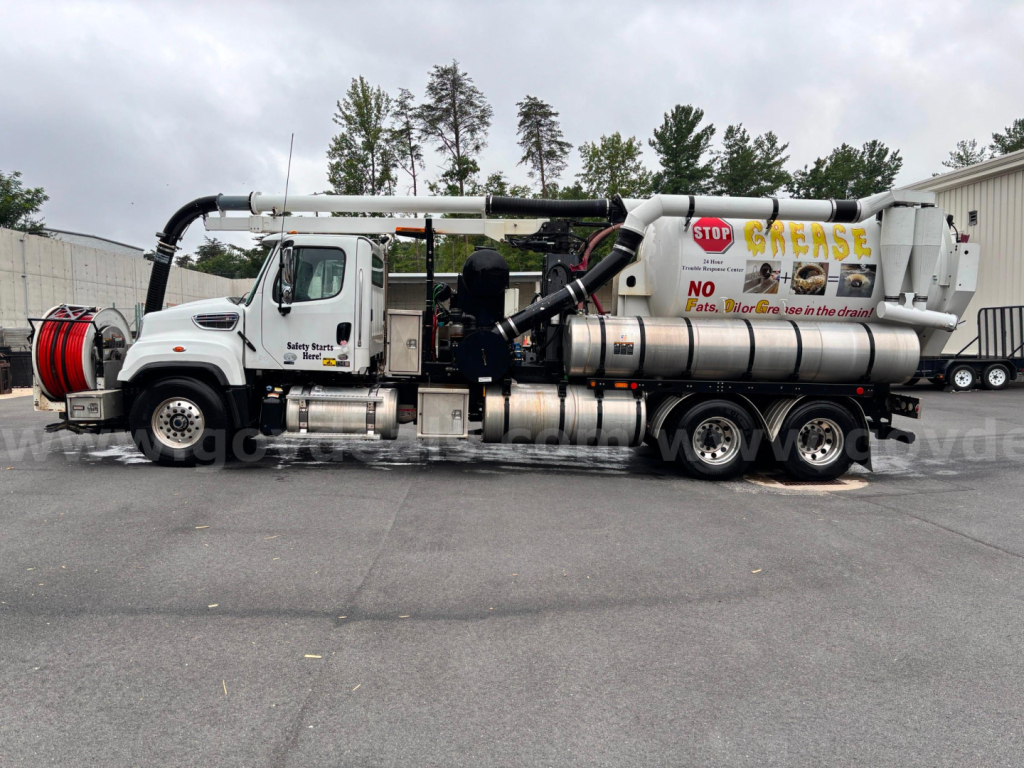
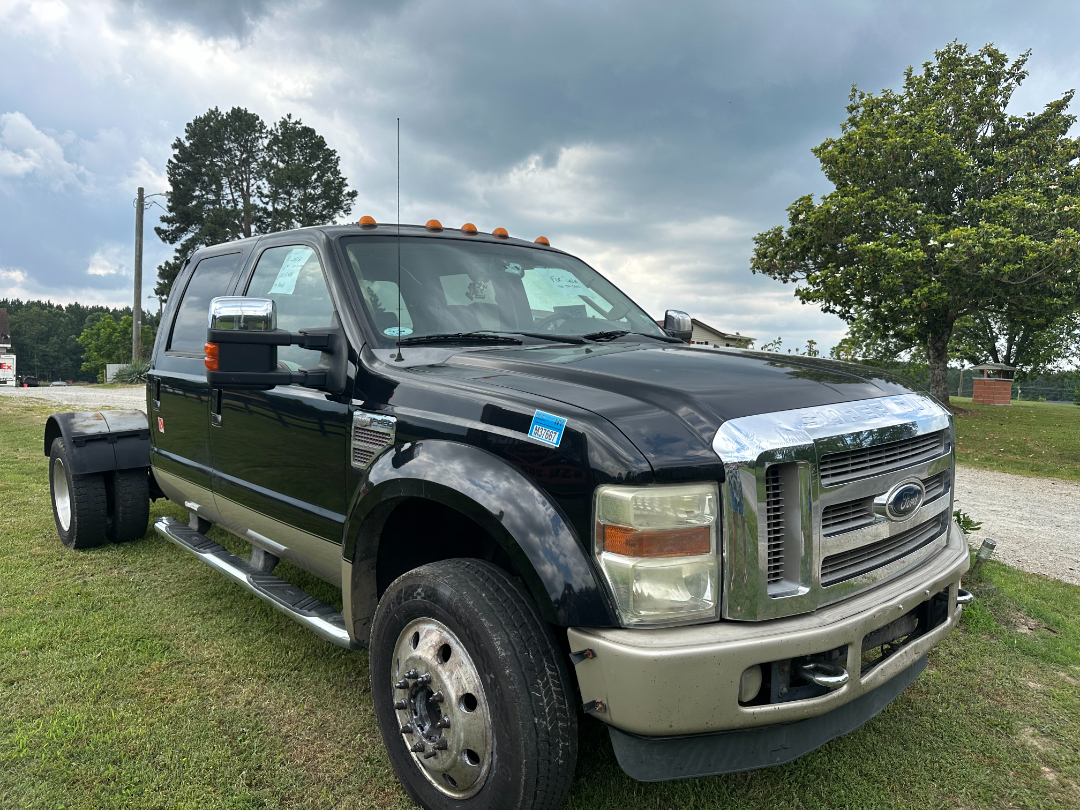
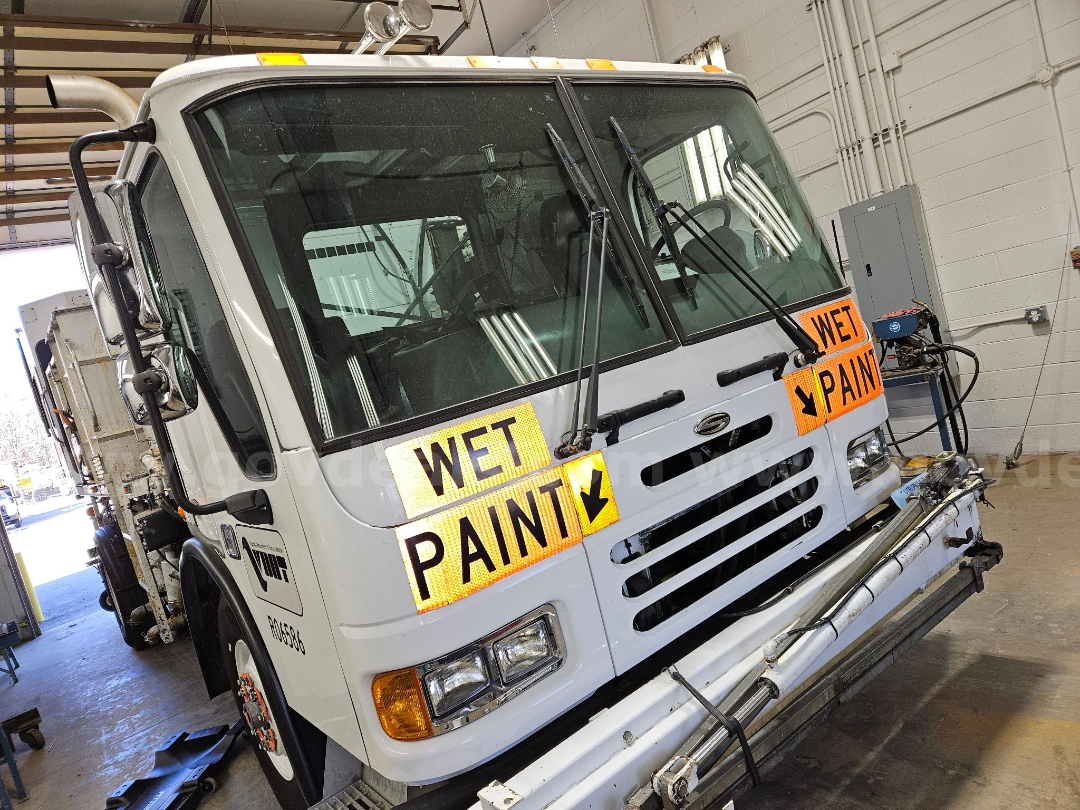
Virginia truck listings commonly include box trucks, bucket trucks, roll-off trucks, auto carriers, utility trucks, and other specialty vocational units. The mix reflects the state's delivery, contractor, municipal, construction, and regional service markets. Buyers can find everything from light-duty commercial chassis to medium-duty work trucks with body upfits designed for specific trades.
How do I choose the right truck class for my business?
Start with payload, towing needs, body weight, and the routes the truck will run every day. A lighter Class 3-5 truck may work well for local delivery or service work, while heavier Class 6-8 trucks are better suited for roll-off, utility, and severe-duty applications. GVWR, axle ratings, brake type, and wheelbase should support the actual job, not just the body style mounted on the frame.
What should I inspect first on a used vocational truck?
Focus first on the components that make the truck earn money: engine condition, transmission operation, frame integrity, PTO function, hydraulics, suspension, brakes, and the condition of the body or mounted equipment. On a bucket truck that means checking boom operation and inspection status. On a roll-off truck it means hoist performance, hook or cable system condition, and evidence of frame stress. Service records and hours on auxiliary equipment can be more revealing than mileage alone.
Are diesel trucks the best choice for Virginia commercial use?
Diesel remains the standard for many medium-duty and vocational truck applications because of torque, durability, and suitability for heavier loads. Gas engines can still make sense for lighter-duty routes, lower annual mileage, and fleets that want simpler maintenance. The best choice depends on payload, idle time, stop-and-go frequency, emissions considerations, and how long the truck is expected to stay in service.
Why does body equipment matter as much as the chassis?
On many commercial trucks, the upfit determines the truck's real value and usefulness. Liftgates, aerial devices, service bodies, tool compartments, hoists, tanks, and specialty equipment can represent a large share of operating capability and replacement cost. A solid chassis with a worn-out upfit can become expensive quickly, while a properly maintained body and auxiliary system can make an older truck a productive asset.