
Wabash Reefer Trailers For Sale
Shop Wabash reefer trailers for sale, including 48-ft and 53-ft models with air ride, sliding tandems, insulated bodies, and popular reefer units.
Learn more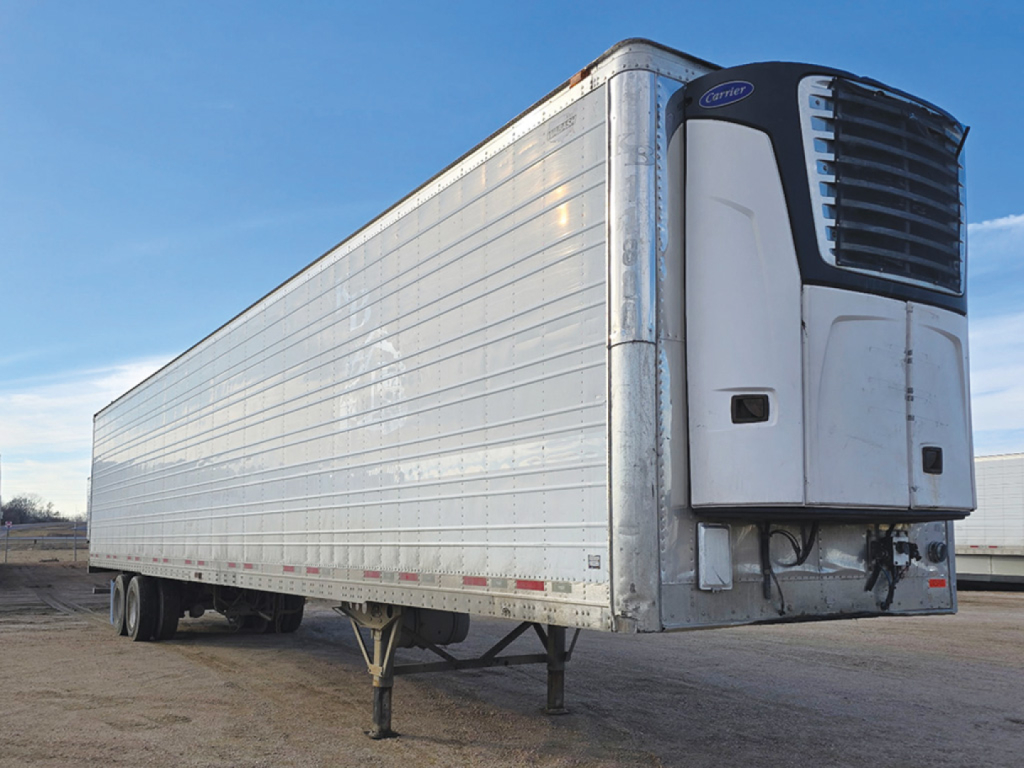
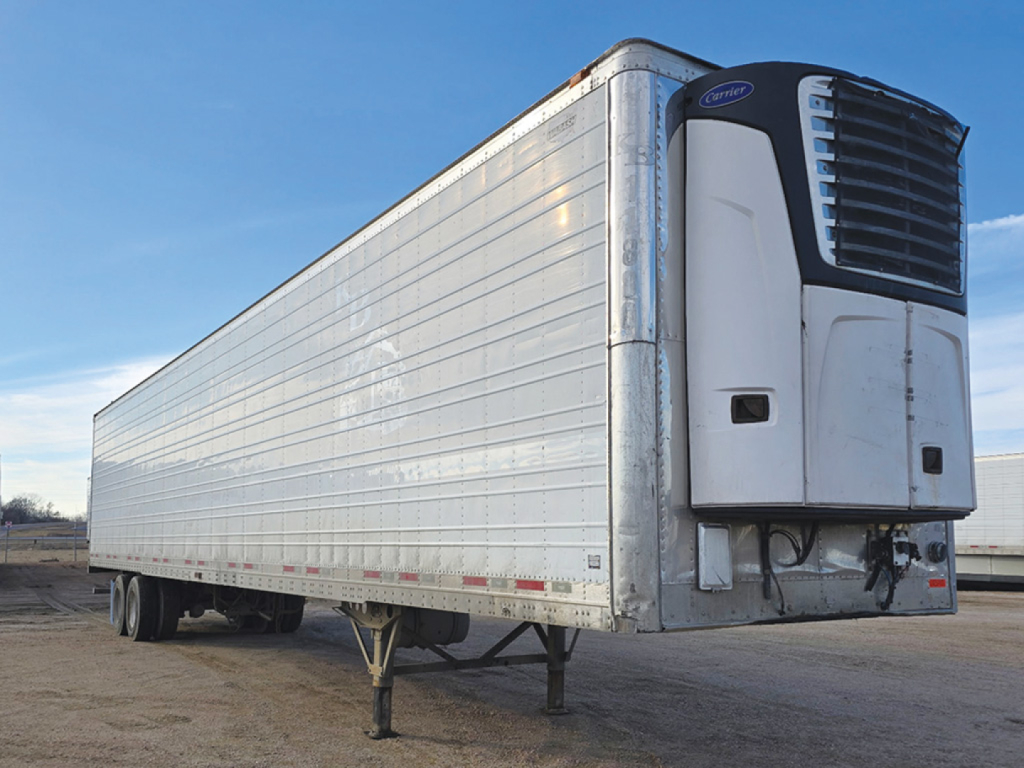
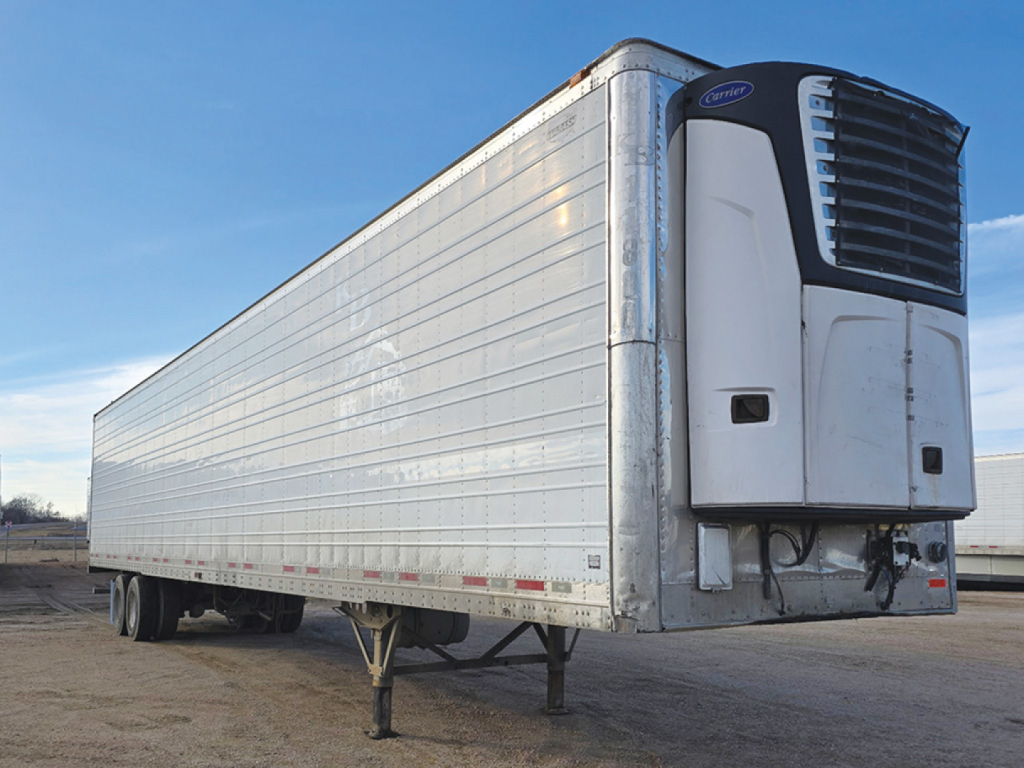
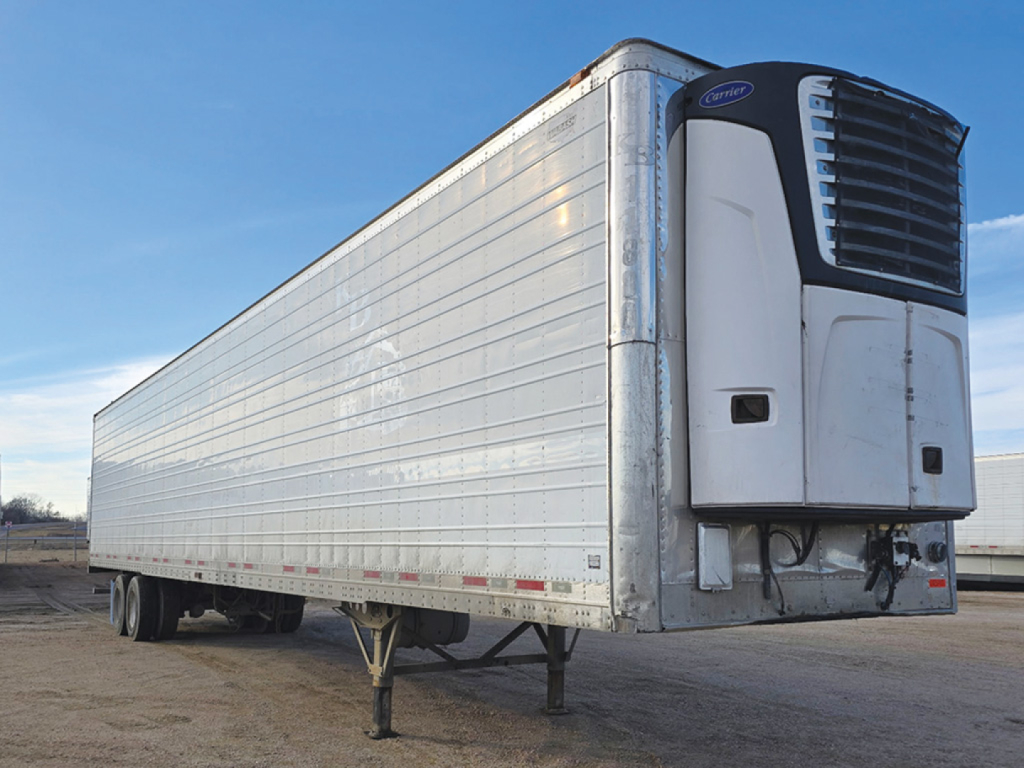
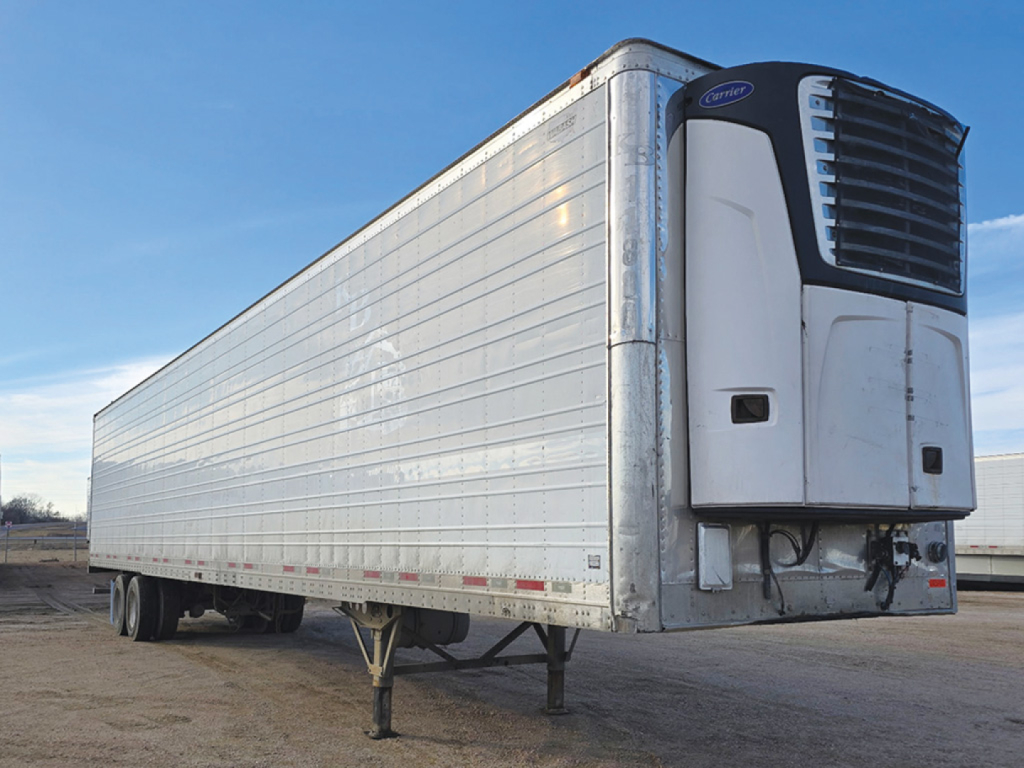
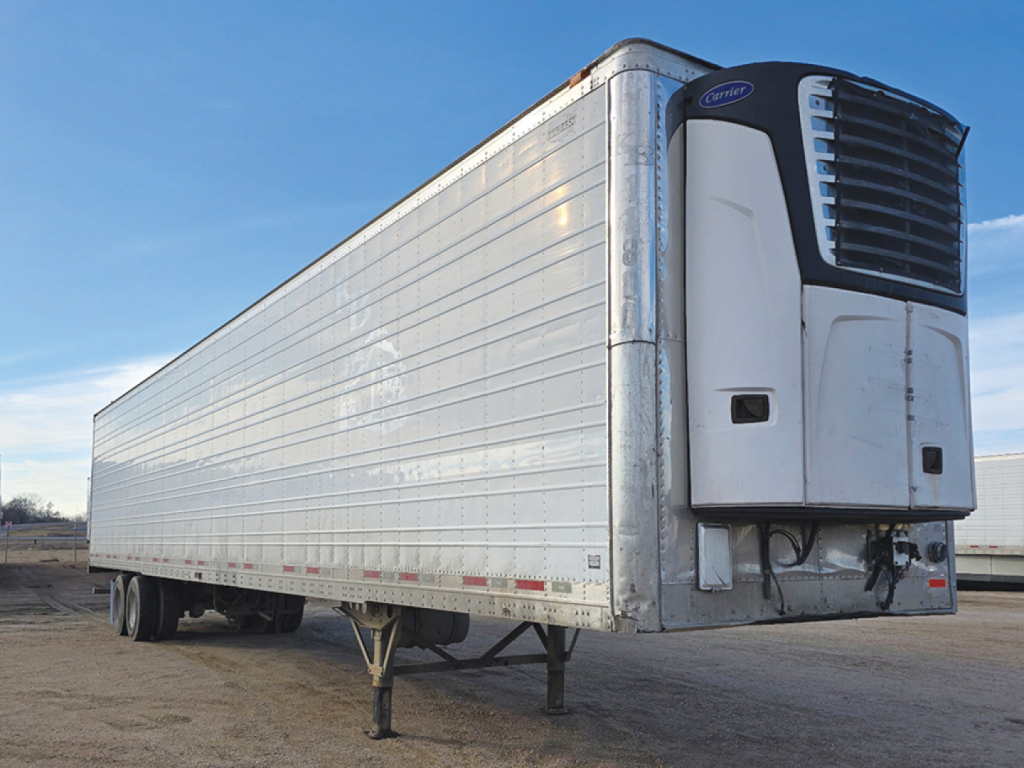
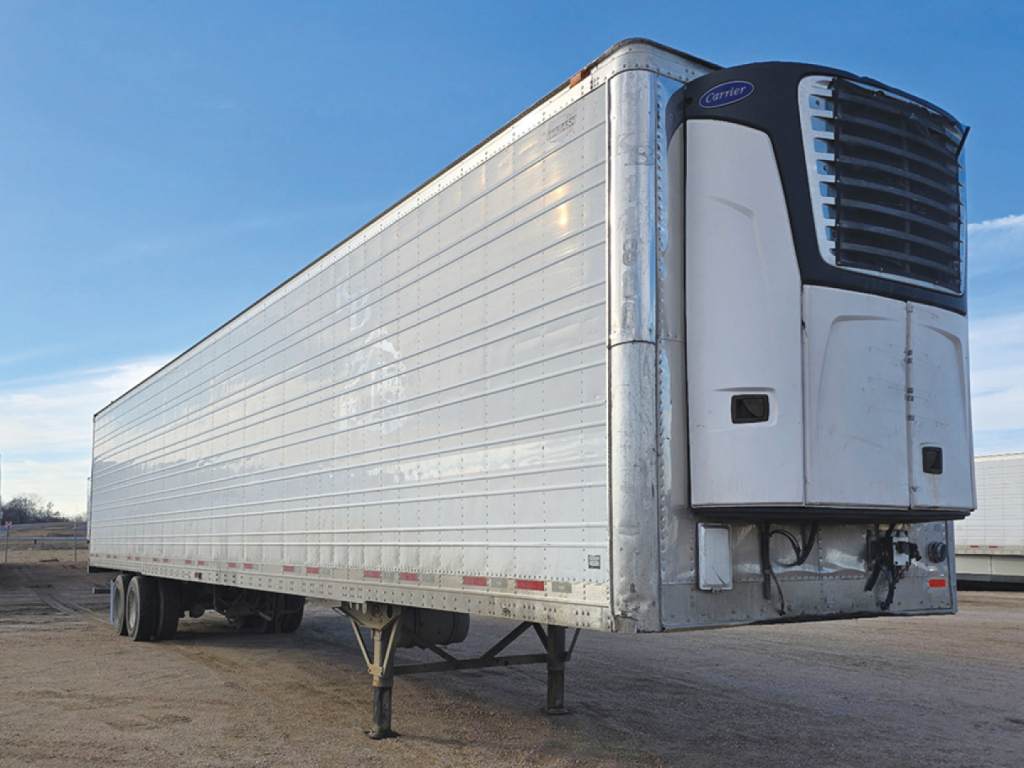
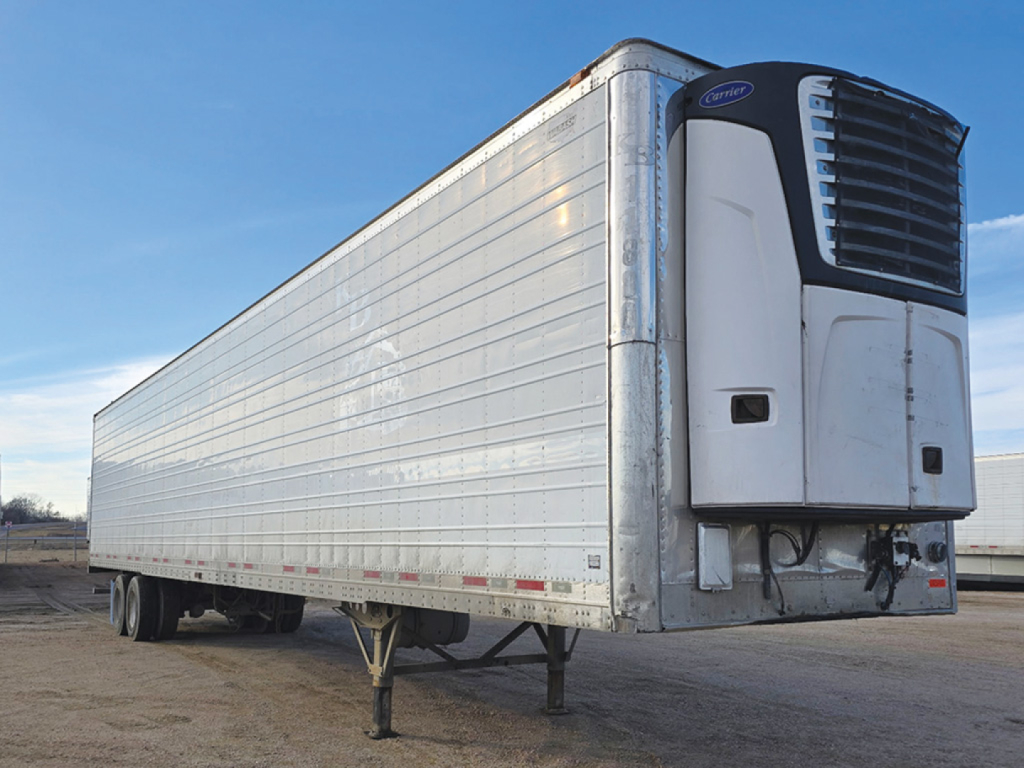
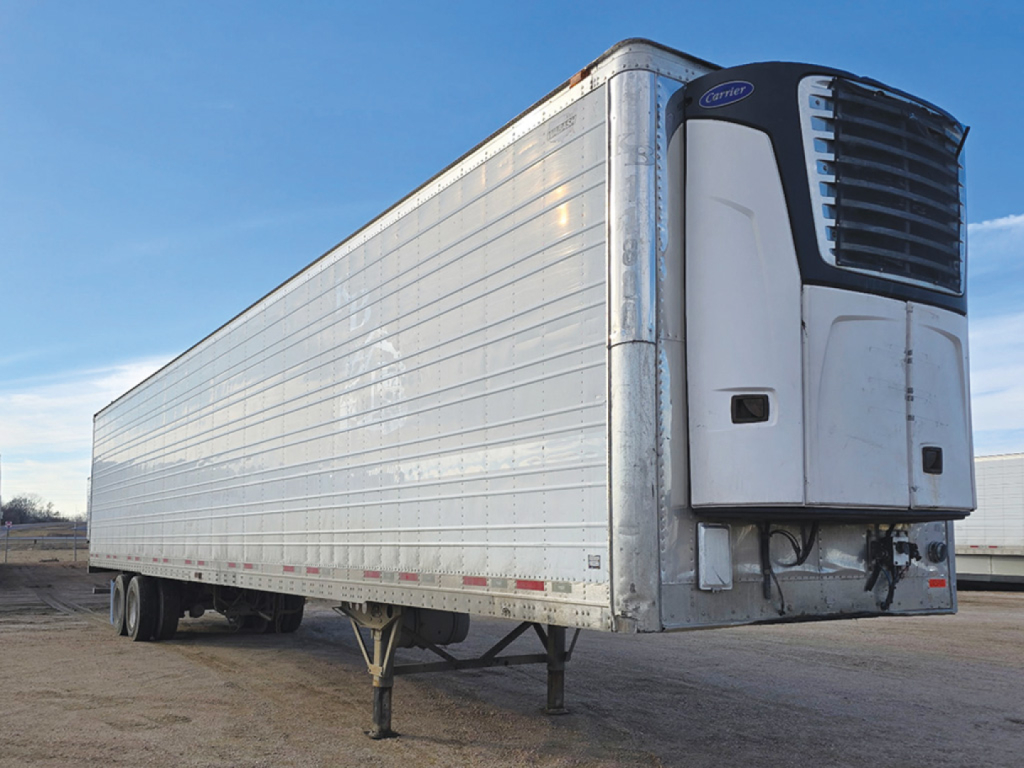
Showing 1 to 12 of 34 results
Have wabash reefer trailer to sell? List it here to reach thousands of buyers.
About Wabash Reefer Trailers
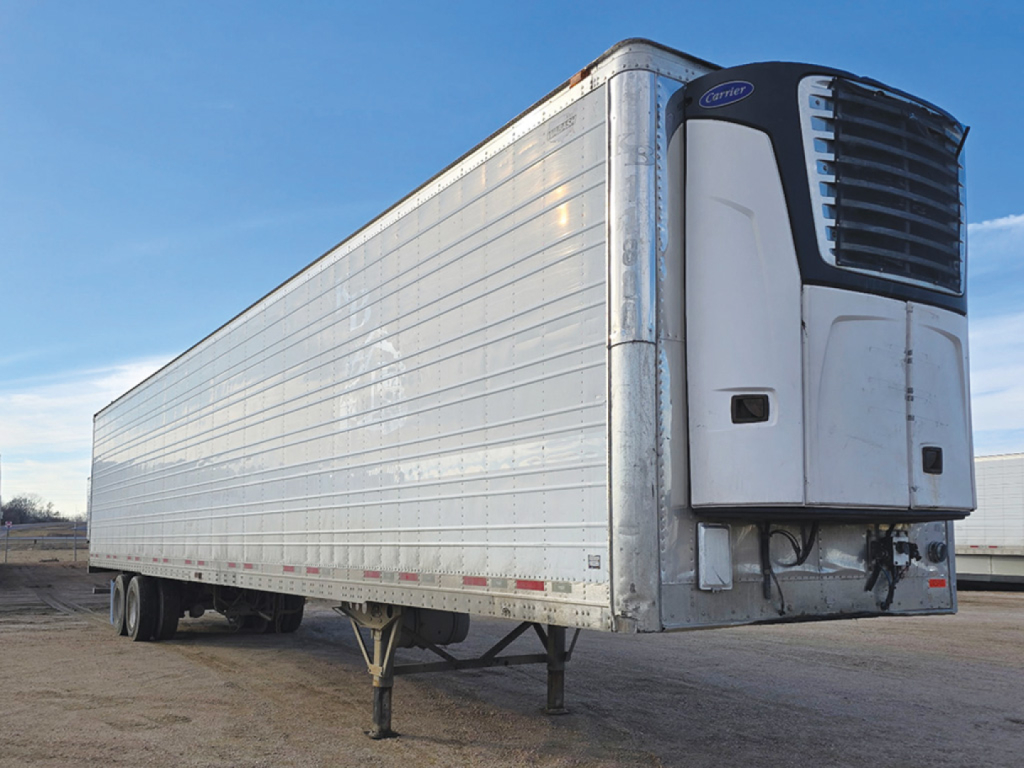
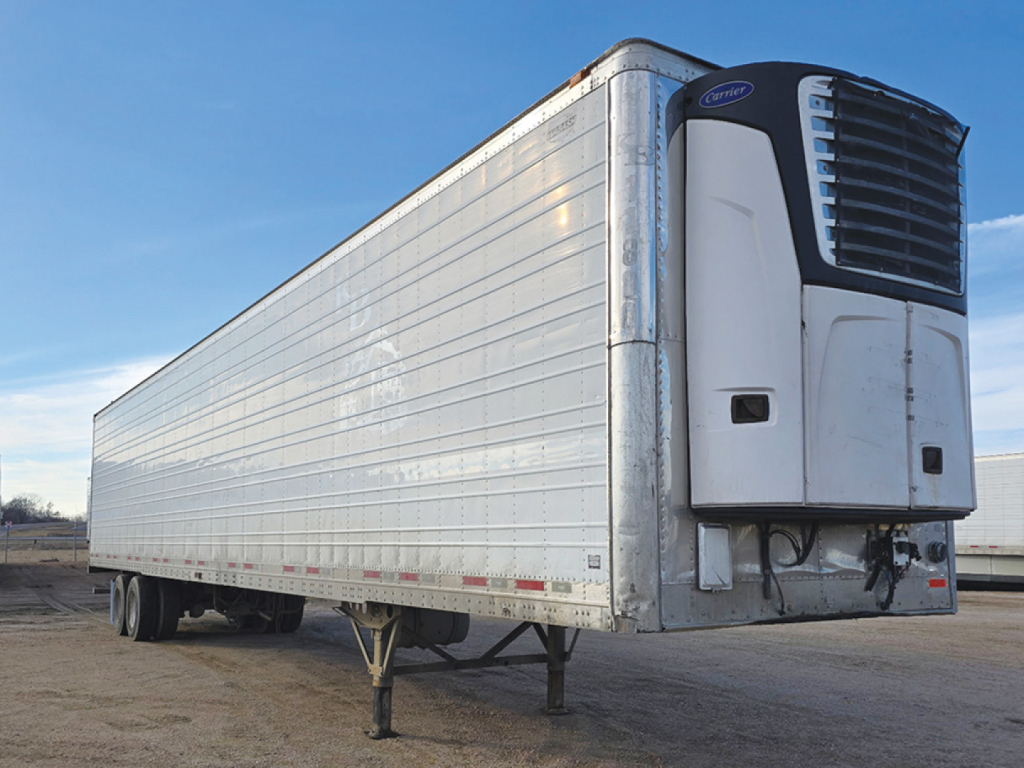
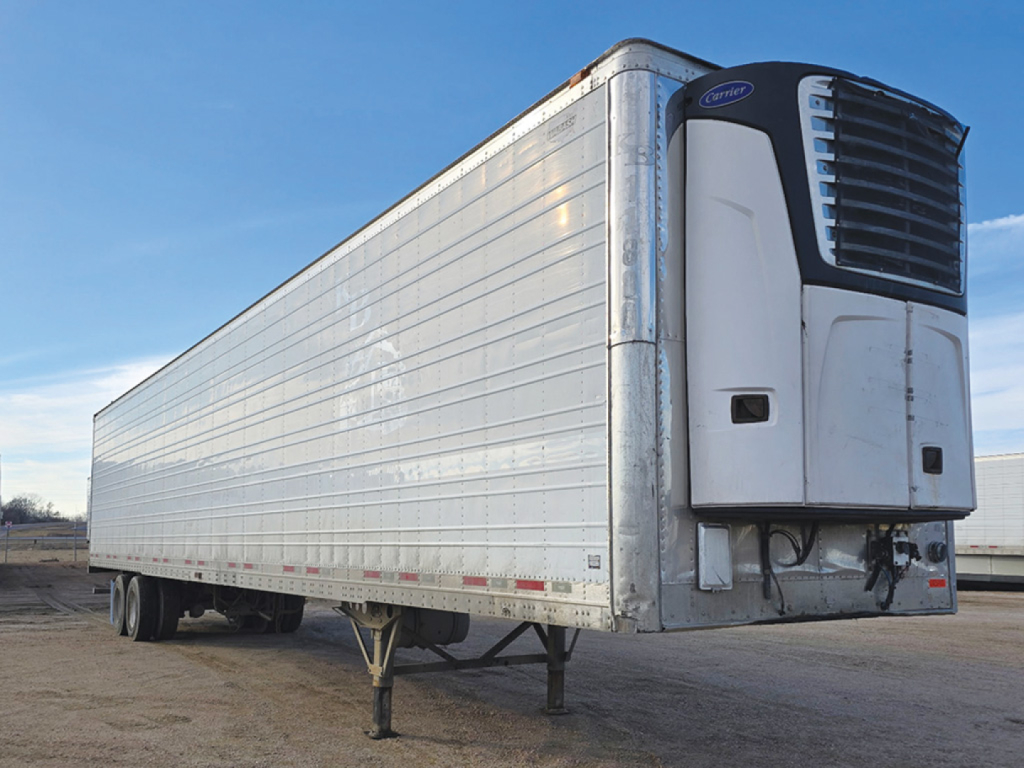
A typical Wabash reefer trailer may be equipped with a Carrier or Thermo King unit, swing doors or roll-up doors, and either a duct floor or flat aluminum floor depending on the freight profile. Buyers moving mixed fresh and frozen freight should pay attention to chute configuration, bulkhead compatibility, and whether the trailer is set up for multi-temp use. Features like scuff liners or scuff plate, stainless front radius panels, stainless rear frames, and stainless door hardware can make a difference in long-term durability, especially in high-cycle distribution service. Tire inflation systems, side skirts, and low-profile 22.5 tires are also common and can improve operating efficiency and maintenance control.
On used Wabash reefer trailers, floor condition, wall integrity, and door sealing are just as important as engine hours on the refrigeration unit. Check for soft spots in the floor, damage around the door frame, punctures in the liner, signs of moisture intrusion, and any previous repairs that could affect insulation performance. Suspension type, brake condition, kingpin area wear, crossmember condition, and tandem slide rail wear should also be part of the inspection. If the trailer is being bought for dock-height-sensitive operations, confirm overall height, floor design, and rear frame setup before committing.
Wabash reefers are a practical fit for fleets and owner-operators that need a widely recognized refrigerated trailer with strong parts familiarity and broad service support. The right choice usually comes down to lane requirements, door style, reefer unit preference, and interior setup. A 48-foot trailer may still fit certain regional applications, but 53-foot Wabash reefer trailers remain the standard for most over-the-road and dedicated contract freight. Buyers comparing listings should weigh reefer hours, unit service history, body condition, floor type, and multi-temp readiness instead of looking at model year alone.
Frequently Asked Questions
What should I look at first on a used Wabash reefer trailer?
Start with the refrigerated body and the reefer unit together. Unit hours and service records matter, but insulation performance, floor condition, door seals, liner damage, and evidence of water intrusion are just as important. A trailer with a sound body and properly maintained refrigeration unit will usually hold temperature better and cost less to keep in service than one with hidden structural or insulation issues.
Are Wabash reefer trailers commonly available in 53-foot configurations?
Yes. The most common setup in this category is a 53-foot by 102-inch Wabash reefer trailer with tandem axles, air ride suspension, and a sliding tandem. That configuration fits most grocery, food-grade, and over-the-road refrigerated applications. Older 48-foot units still appear on the market, usually for regional or specialized operations.
What is the difference between a duct floor and a flat floor in a reefer trailer?
A duct floor is designed to help move cold air under and through the load, which can improve temperature consistency for produce and other sensitive freight. A flat floor can be easier for some loading patterns and pallet movement, but airflow management becomes more dependent on loading discipline and chute design. The better choice depends on the type of commodities hauled and how tightly the freight is packed.
Do reefer unit brand and hours matter more than the trailer itself?
No. Reefer unit brand, model, and hours are important, especially with common Carrier and Thermo King setups, but the trailer structure has equal importance. Damaged insulation, poor door sealing, worn floors, and body leaks can hurt temperature control even when the refrigeration unit runs well. The best buying decision balances unit condition with trailer body condition and application fit.
Can a Wabash reefer trailer be used for multi-temp freight?
Some can, but not every trailer is configured for true multi-temp service. Buyers should confirm the reefer unit specification, center chute or ceiling chute arrangement, bulkhead compatibility, and interior layout before assuming multi-temp capability. A trailer advertised as multi-temp should still be checked to make sure the equipment and interior setup support the temperature zones required by the operation.