
Volvo Dump Trucks For Sale
Shop Volvo dump trucks built for vocational hauling, with VHD specs, Allison or I-Shift transmissions, heavy axles, and steel dump bodies.
Learn more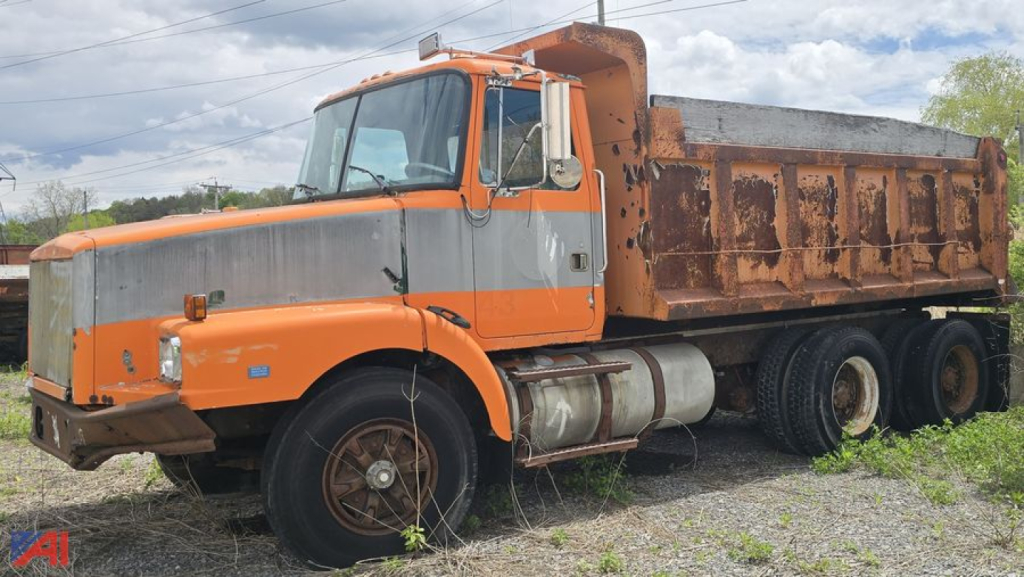
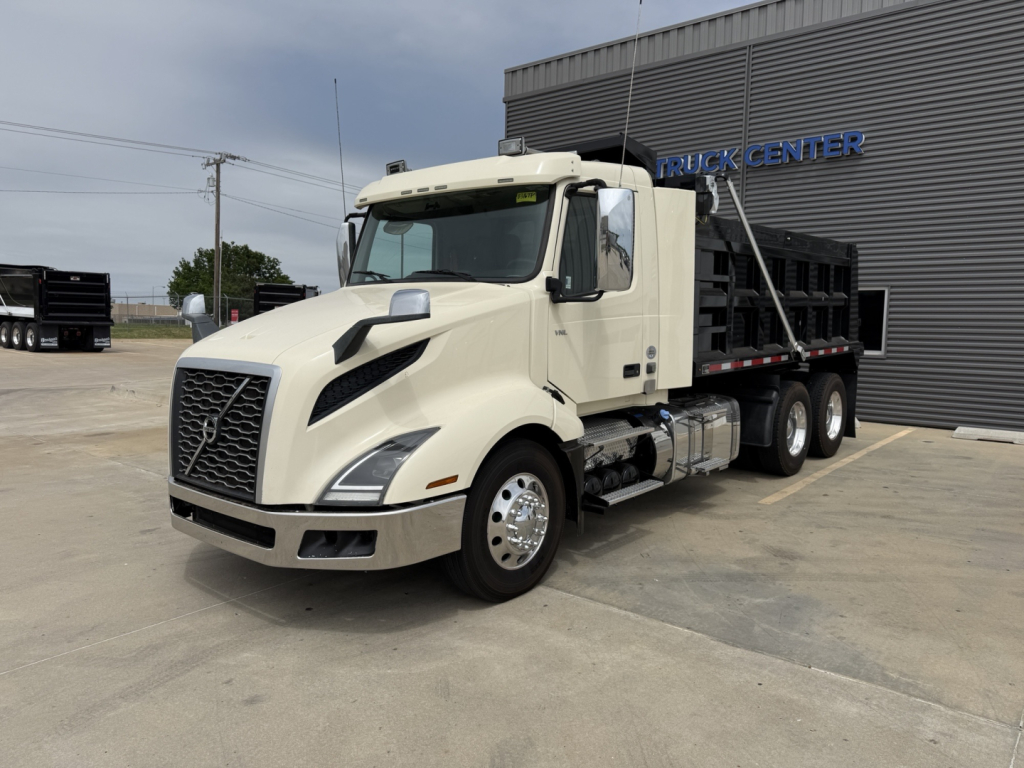
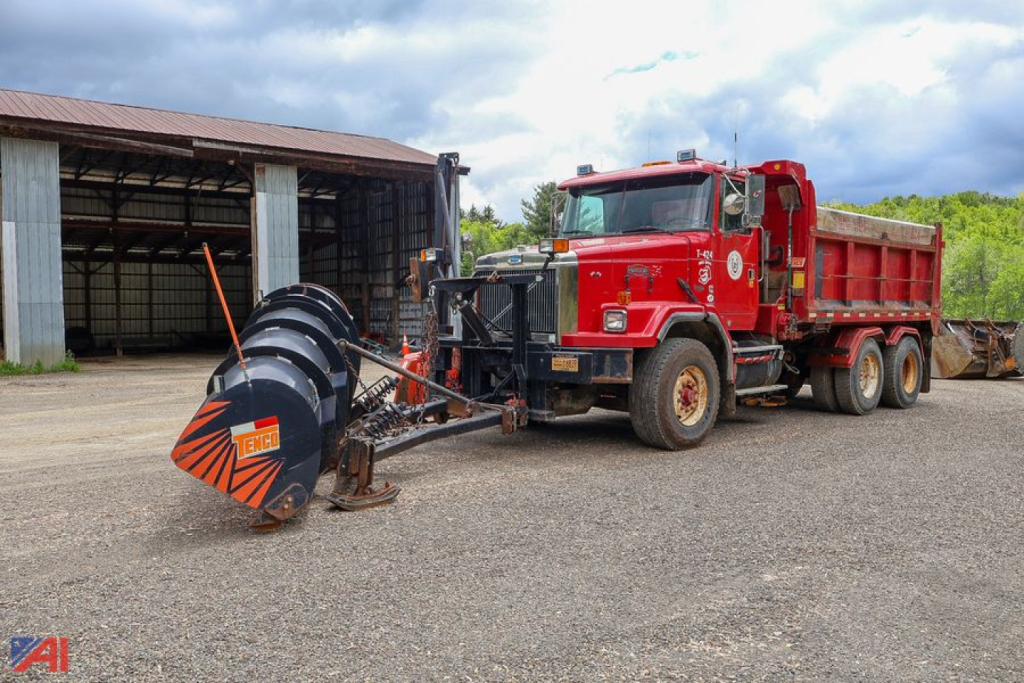
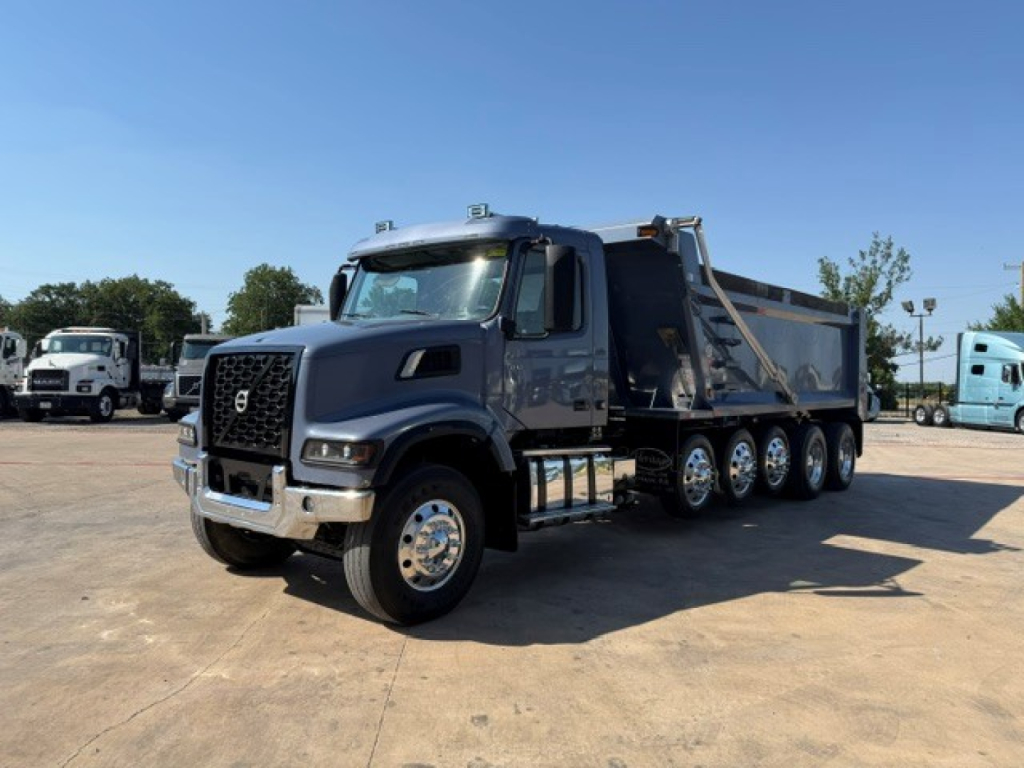
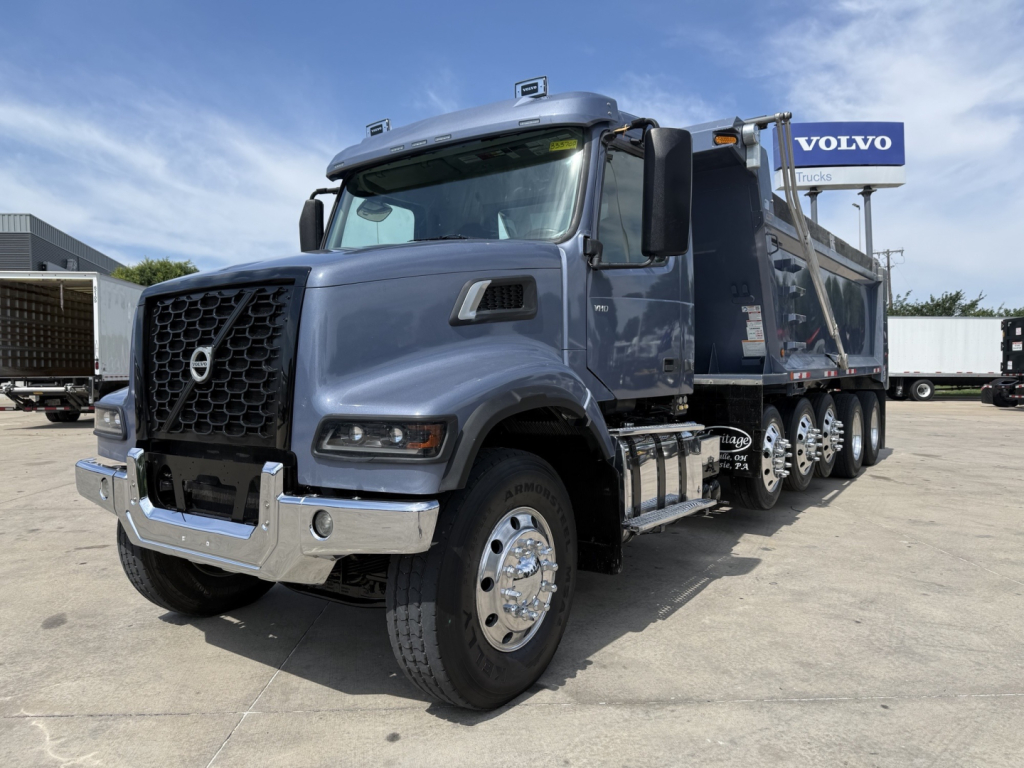
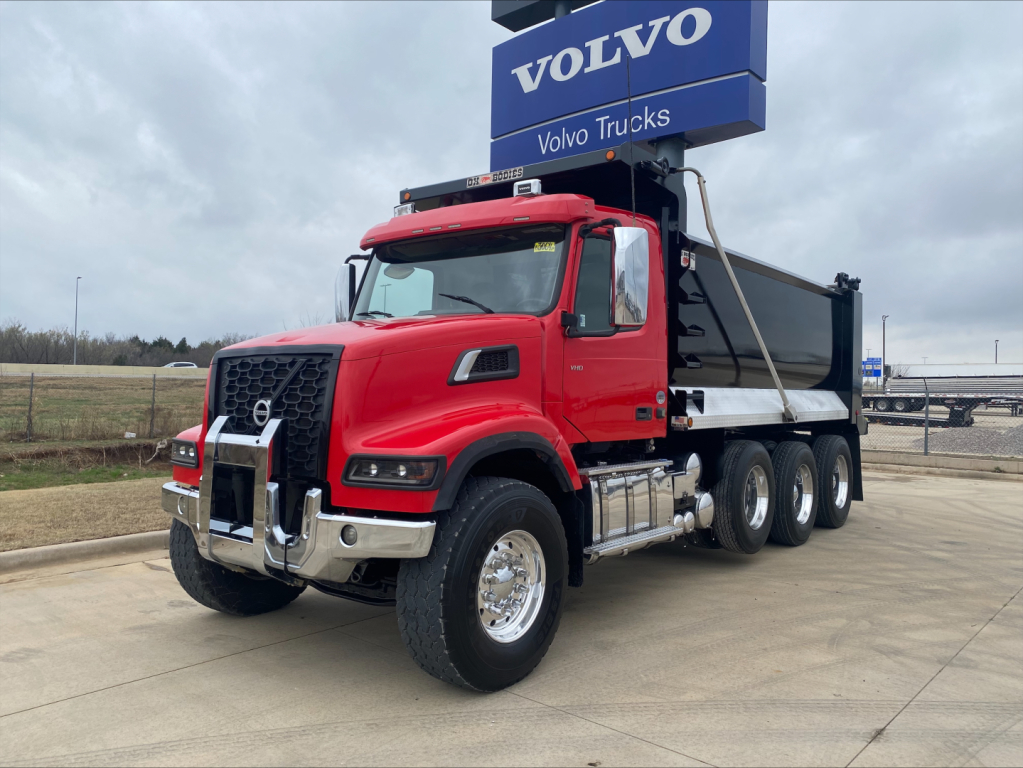
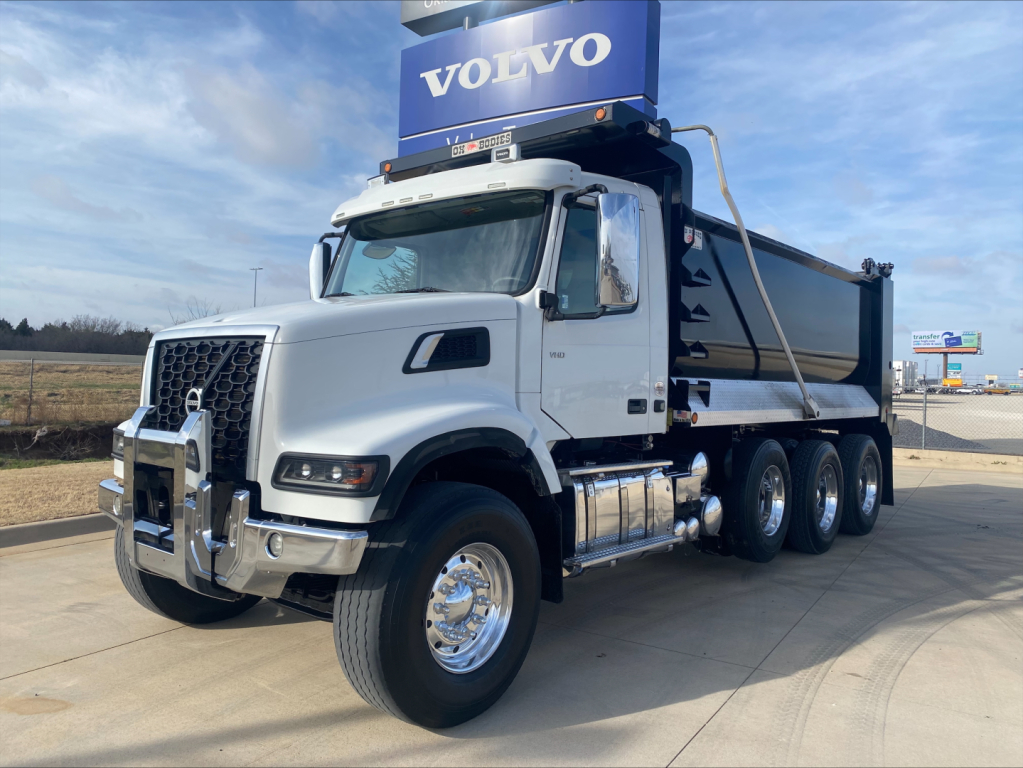

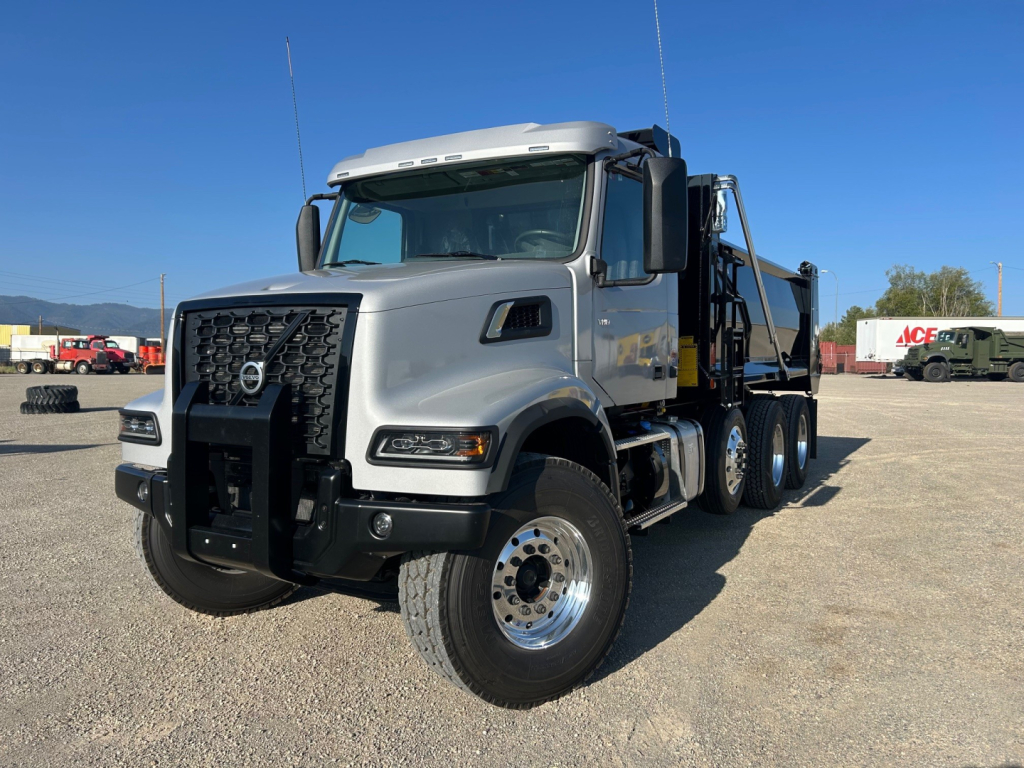

Have volvo dump truck to sell? List it here to reach thousands of buyers.
About Volvo Dump Trucks
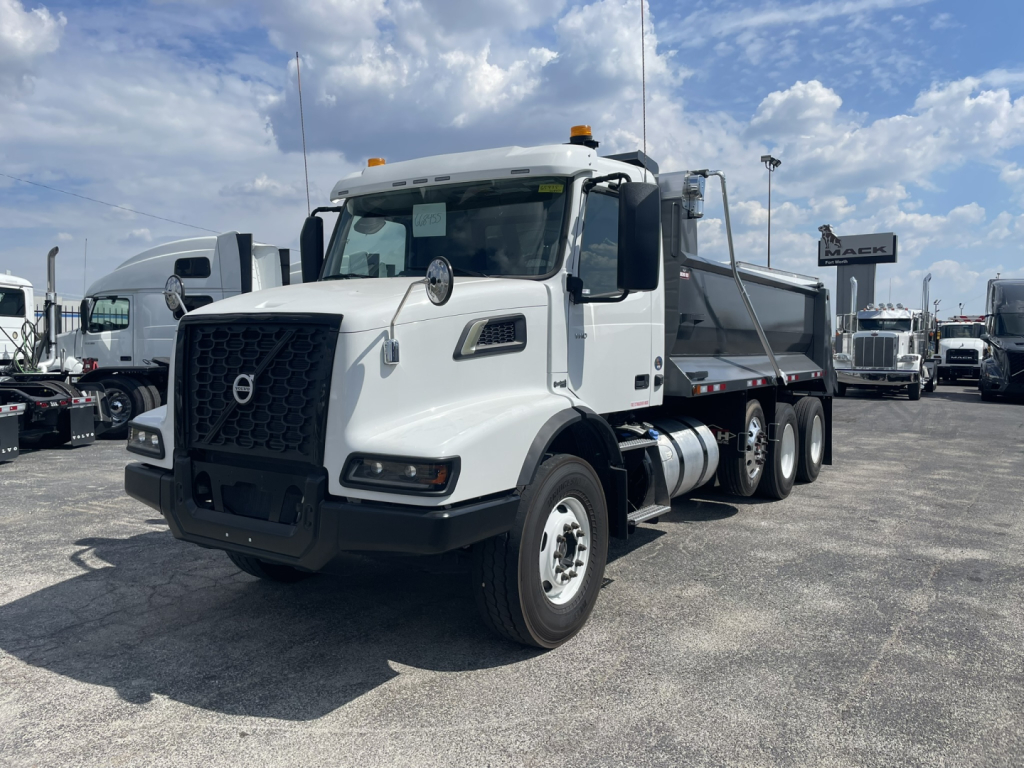
Transmission choice matters on a Volvo dump truck because it changes how the truck performs in stop-and-go hauling, jobsite backing, and driver turnover. Allison automatics remain popular in dump service for smooth low-speed control, simple operation, and strong acceptance in severe-duty applications. Volvo I-Shift and I-Shift with crawler gears are also common, especially for fleets looking for fuel efficiency, reduced clutch wear, and better ratio coverage on mixed on-road and off-road routes. Rear axle ratios such as 3.73 or 4.56, along with suspension choices like T-Ride, leaf spring, or other heavy vocational suspensions, will tell you a lot about launch feel, gradeability, and how the truck carries a loaded body over rough ground.
Body spec is just as important as chassis spec. Many Volvo dump trucks are fitted with steel bodies in the 16 to 20 foot range, often around 16.5 feet for general construction or longer straight-side bodies for high-volume material. Common body details include high-lift or top-swing tailgates, electric tarp systems, internal or external hoists, and side heights that affect cubic-yard capacity. A 22-yard body may work well for lighter material, but the legal payload still depends on axle ratings and local weight limits. Buyers hauling rock, broken concrete, or demolition debris should pay close attention to floor thickness, side construction, liner options, tailgate hardware, and how well the hoist and PTO setup match the intended cycle.
A well-spec'd Volvo dump truck should also be evaluated for wheelbase, pusher or tag axle design, locking differentials, brake type, and service access. Shorter wheelbases help in tight urban work, while longer wheelbases can support larger bodies and better weight distribution. Steerable pushers can improve tire life and turning radius in multi-axle applications. Full lockers, drum brakes, grille guards, and vocational interiors are all common considerations for severe-service use. For many buyers, the appeal of a Volvo dump truck comes down to a comfortable cab, strong visibility, proven D11 and D13 engine platforms, and a chassis that can be configured for regional aggregate hauling or demanding local construction work.
Frequently Asked Questions
What is the most common Volvo dump truck model for vocational hauling?
The Volvo VHD is the most common dump truck platform in this category. It is designed for severe-duty applications and is frequently spec'd with heavy front axles, 40,000 to 46,000 pound rears, pusher axles, and steel dump bodies for construction and aggregate work. Buyers usually compare VHD configurations based on axle count, wheelbase, engine rating, suspension, and body capacity rather than model name alone.
Is Allison or Volvo I-Shift better in a dump truck?
Both transmissions are widely used, but they suit different priorities. Allison automatic transmissions are favored for simple operation, smooth low-speed control, and constant stop-start work in crowded jobsites. Volvo I-Shift automated transmissions can offer better fuel economy, strong ratio management, and less driver fatigue on mixed highway and local routes. The better choice depends on terrain, driver experience, haul distance, and how much time the truck spends backing, staging, or crawling under load.
What axle configuration should I look for in a Volvo dump truck?
That depends on local weight laws and the material being hauled. Tandem axle trucks are simpler and lighter, but tri-axle, quad-axle, and quint-axle dump trucks can carry more legal payload where bridge formulas and state regulations allow. A pusher or tag axle can make a major difference in legal carrying capacity. Buyers should match axle layout to their state rules, target payload, and jobsite maneuverability needs before comparing body size or horsepower.
How important is body size on a Volvo dump truck?
Body size matters, but it should never be viewed by cubic yards alone. A longer or taller body may hold more material by volume, yet axle ratings and local legal weights determine what the truck can actually haul on the road. Dense material like gravel, sand, or broken concrete can max out legal weight before the body is full. Lighter material like mulch or asphalt millings may benefit from additional body volume. Floor thickness, tailgate style, hoist design, and body construction are often more important than advertised capacity alone.
What engine and horsepower range is common in Volvo dump trucks?
Volvo dump trucks are commonly equipped with D11 or D13 diesel engines. Horsepower often falls between about 405 and 500 horsepower, depending on intended service. Lower horsepower specs can work well for lighter regional or municipal applications, while higher horsepower ratings are common in heavy construction, steep terrain, or multi-axle payload-focused setups. Engine choice should be considered alongside transmission, rear ratio, and gross weight target because those components work together in real-world performance.