
Volvo Cab and Chassis Trucks For Sale
Volvo cab and chassis guide to specs, engines, wheelbases and upfit tips. Compare VHD, VNR and VNL chassis to match payload, PTO and application needs.
Learn more
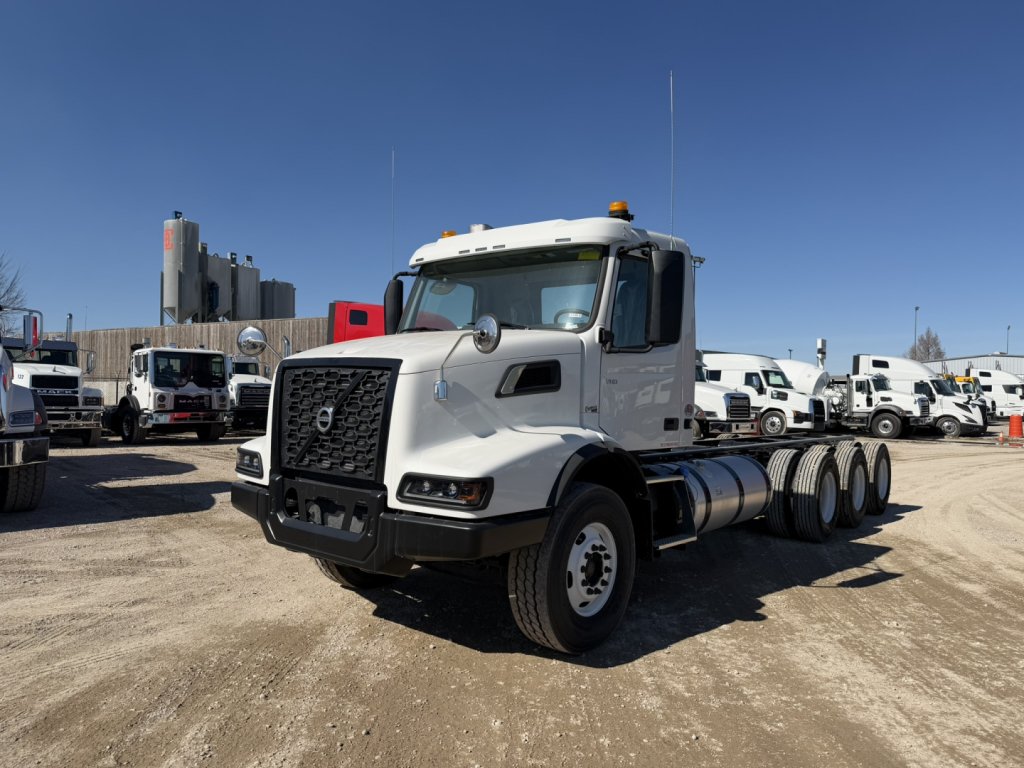
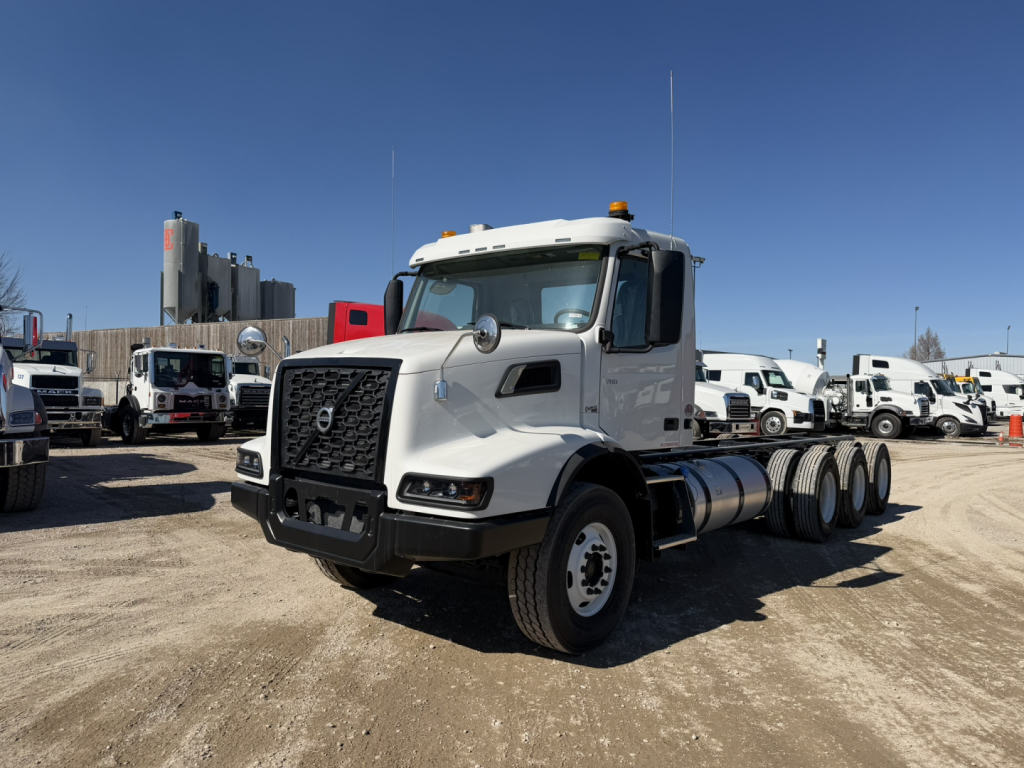
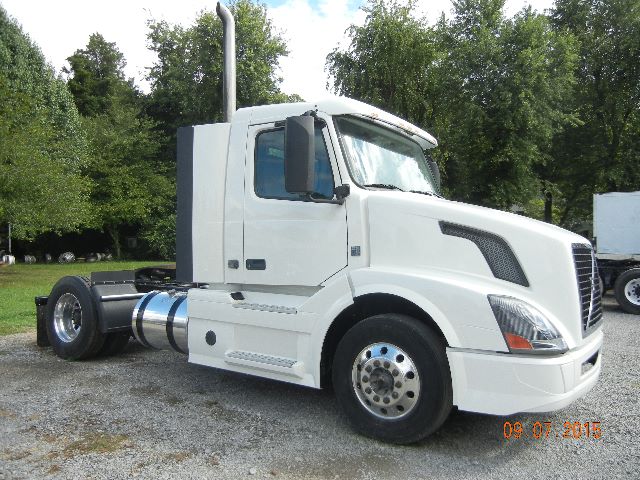
Have volvo cab and chassis truck to sell? List it here to reach thousands of buyers.
About Volvo Cab and Chassis Trucks
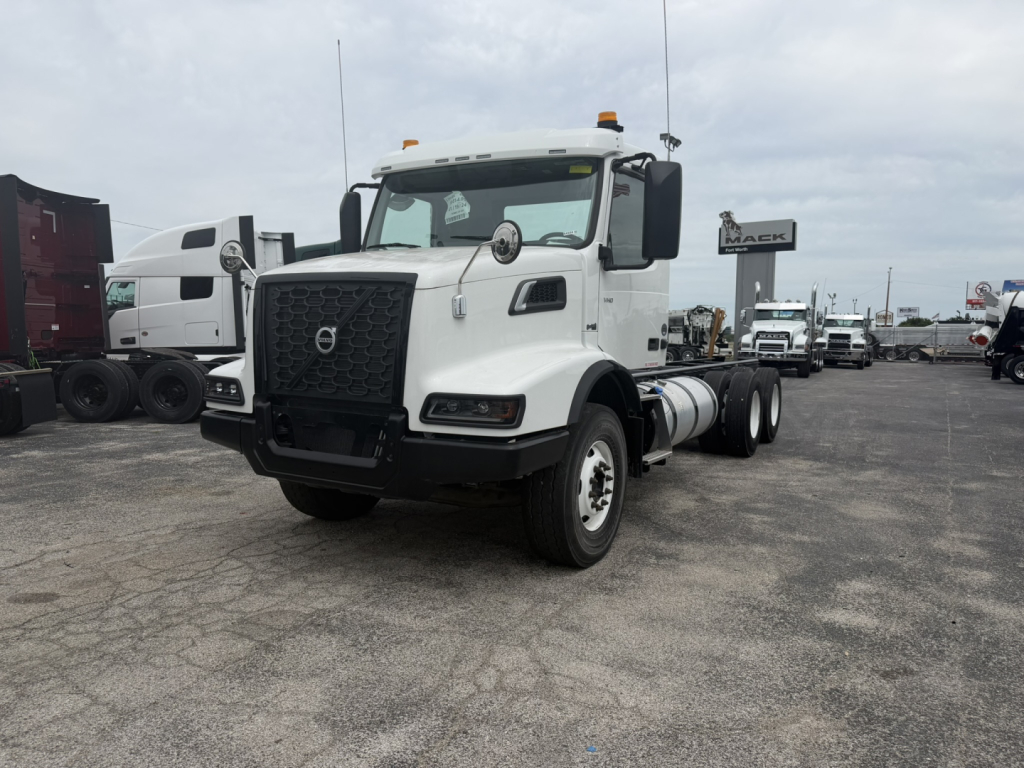
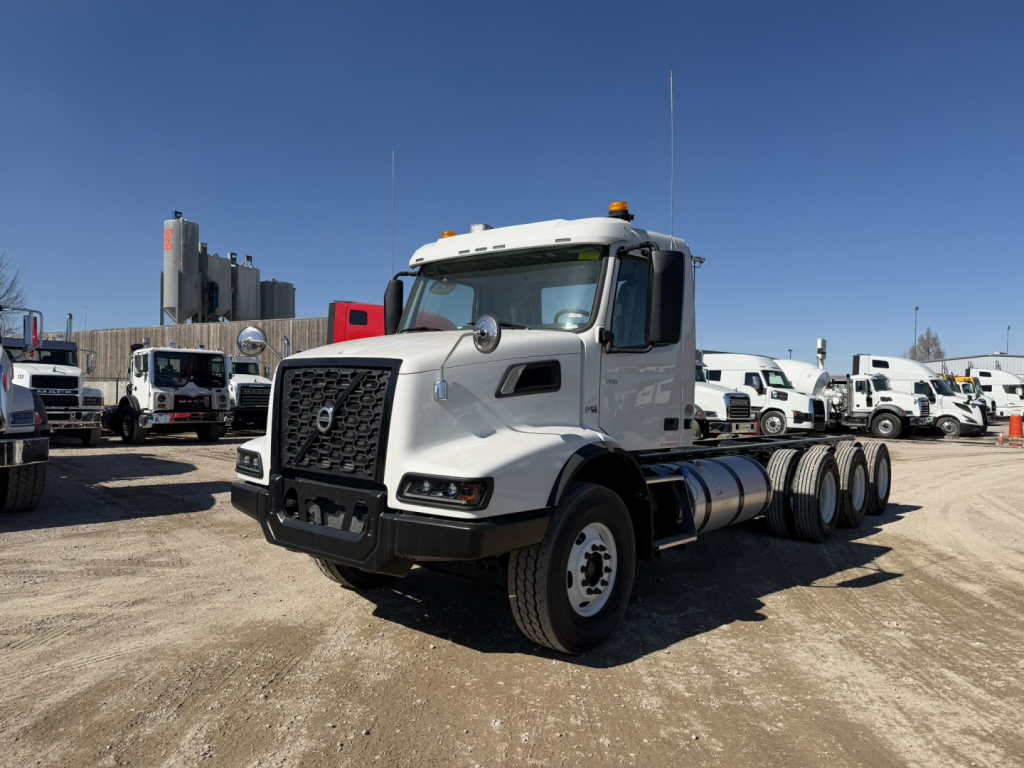
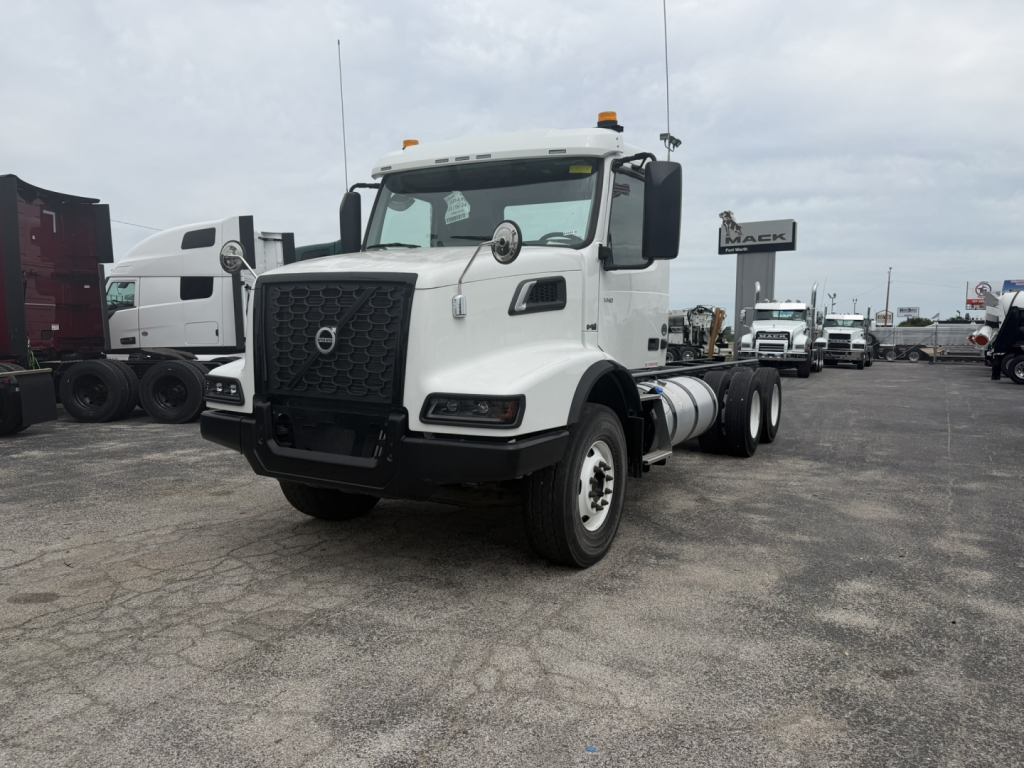
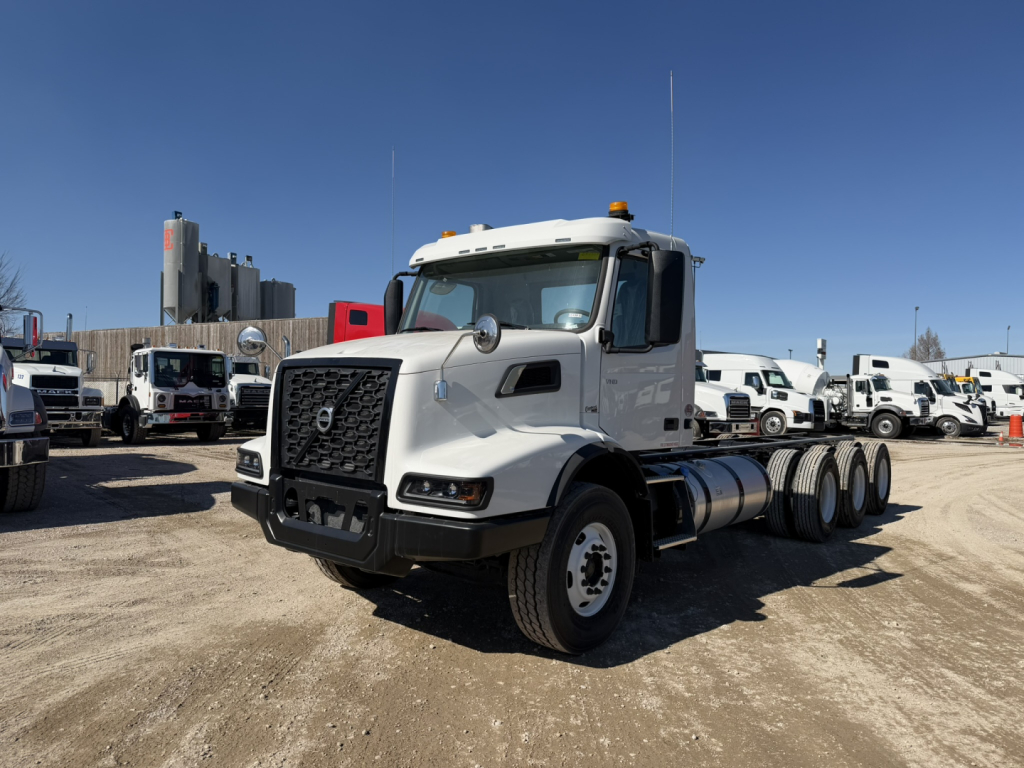
Volvo’s heavy-duty cab and chassis offerings center on the VHD for vocational work and the VNR and VNL for regional and highway straight-truck applications. Common engines include the D11 and D13, often paired with the I-Shift automated manual. The I-Shift can be ordered with PTO provisions and crawler gears for low-speed control. Older units may appear with manual transmissions or Cummins power in certain model years. Look for 6x4 tandems with 40k to 46k rears for dumps and roll-offs, 6x2 or 4x2 for lighter straight trucks, and front axles from 12k to 20k depending on plows, cranes or mixers. Spec options such as double-frame or insert liners increase RBM for severe service, while air disc brakes, full-locking differentials and automatic tire inflation systems improve braking, traction and tire life.
Set-back front axle VHD and VNR chassis sharpen turning radius for tight jobsites and urban delivery. Set-forward front axle variants help with axle weight distribution and bridge law in certain states and provinces. Suspension choice is a payload and durability decision. Vocational tandems often run 44k to 46k steel-spring or heavy vocational air; lighter-duty straight trucks benefit from air-ride for cargo protection. If you plan outriggers, cranes or hooklifts, confirm frame section modulus, RBM and the presence of front frame extensions or tow-pin provisions. Volvo’s multiplexed electrical architecture and body builder modules simplify interface with liftgates, PTO controls, warning lights and telematics.
Compliance and total cost matter. 2010 and newer diesel engines with SCR and DPF are generally CARB eligible for statewide operation, but always verify the engine family year and local exemptions. Inspect aftertreatment history, regen frequency and idle hours in addition to mileage. Disc brake trucks often reduce maintenance and stopping distance. Tire spec affects gearing and payload; 11R22.5 and 295/75R22.5 are common, with 24.5 in tires for extra ground clearance on vocational builds. For zero-emission routes, the VNR Electric straight-truck chassis appears in select markets and demands route-based charging plans and potential grant support. Match axle ratios to duty cycle, confirm PTO torque and speed requirements with the transmission spec, and size the chassis so the finished truck meets legal axle loads with a comfortable margin.
Frequently Asked Questions
Which Volvo models are most common as cab and chassis, and how do they differ?
The VHD is Volvo’s vocational platform, typically used for dumps, mixers, plows, roll-offs and hooklifts. It offers heavy front axles, higher RBM frames, double-frame options and set-back or set-forward axles. The VNR is a regional platform suitable for box bodies, refrigerated bodies and service cranes where maneuverability and overall height matter; it is frequently spec’d as a day cab. The VNL is a highway-oriented chassis with mid-roof or sleeper options and is used as a long wheelbase straight truck for high-cube van and specialty bodies. Power is usually the D11 or D13 paired with the I-Shift, with older units sometimes showing different engine and transmission combinations.
How do I size CA, CT and wheelbase for my planned body?
Start with the body manufacturer’s recommended CA and axle placement, then verify legal axle loads with a weight distribution estimate. As a rule of thumb, 84 to 96 in CA fits 12 to 14 ft dumps, 120 in CA fits many 16 ft bodies, and 254 to 272 in wheelbase suits many 24 ft van bodies on single-axle chassis. Tandem-axle straight trucks often require longer wheelbases to balance payload on the drives. Confirm rear frame height, rear overhang limits, crossmember spacing and mounting hole patterns. Check that fuel, DEF and battery boxes do not interfere with subframes, PTO gearboxes, outriggers or liftgate mounts.
Is Volvo’s I-Shift a good choice for PTO and vocational work?
Yes, provided it is spec’d correctly. The I-Shift can be ordered with side or rear PTO provisions and optional crawler ratios for low-speed control. Programming options support stationary PTO work and creeping modes. For high-demand hydraulic systems, confirm allowable PTO torque and speed and ensure adequate cooling. If you frequently inch under heavy load on steep grades, crawler gears and appropriate axle ratios are important. Some buyers still prefer manuals for very specific duty cycles, but the I-Shift’s shift logic, hill-hold and engine brake integration make it a strong fit for most applications.
What GVWR, axles and suspension should I look for on a Volvo chassis cab?
Match GVWR to payload and body weight with margin for tools, fuel and seasonal loads. Light straight trucks often run 26k to 33k GVWR with 12k front and 21k to 23k rears. Vocational tandems commonly use 66k to 80k GVWR with 18k to 20k front axles and 40k to 46k tandems, plus lift axles where legal to control axle weights. Choose steel-spring or vocational air suspensions for severe service, and consider air-ride for cargo protection on van and reefer bodies. If you will add outriggers or a crane, verify frame RBM, section modulus and any reinforcement or front frame extensions required by the body builder.
Are Volvo cab and chassis trucks compliant for California or other emissions-restricted regions?
Most 2010 and newer diesels with SCR and DPF meet CARB Truck and Bus requirements, but compliance is based on engine model year and family, not the vehicle model year. Always check the engine label and CARB database for the Executive Order, and confirm any local deadlines or fleet-size rules. Some earlier chassis may be retrofitted with filters, but many regions now require 2010-or-newer engines. For zero-emission mandates or incentives, the VNR Electric straight-truck chassis is an option in select applications, provided charging and duty cycle align with its range and weight limits.