
Trucks For Sale in Utah
Shop Utah trucks with specs for grades and winter roads, from day cabs to box and reefer trucks, focusing on weight, corrosion resistance and durability.
Learn morePopular Trucks Categories
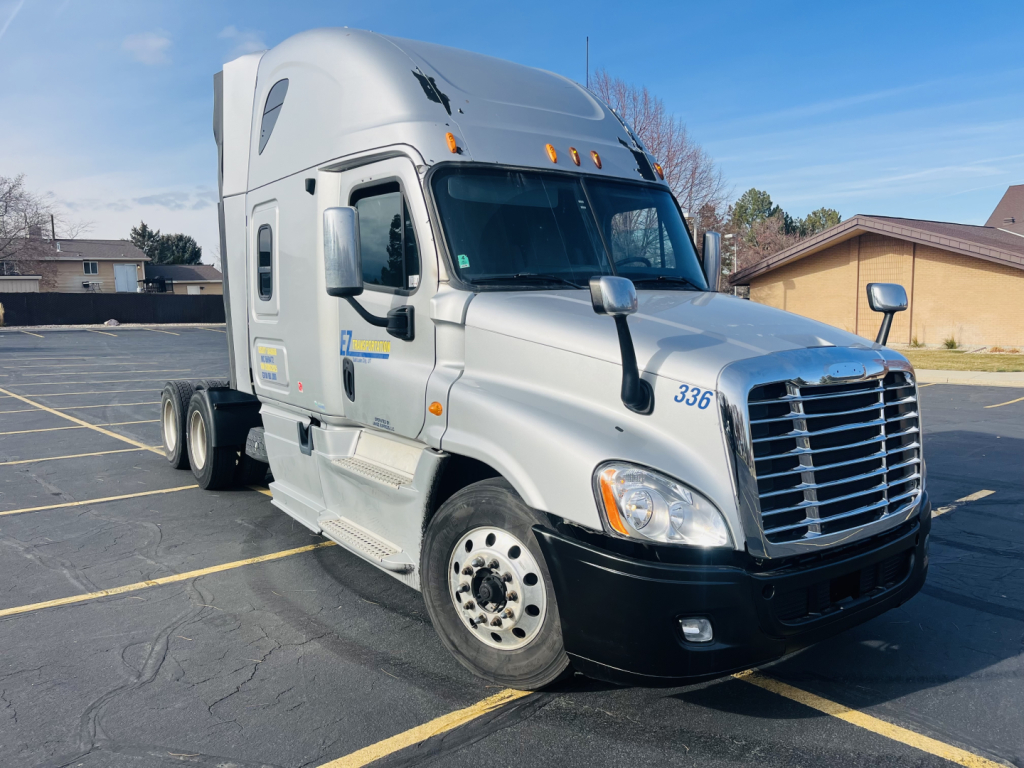

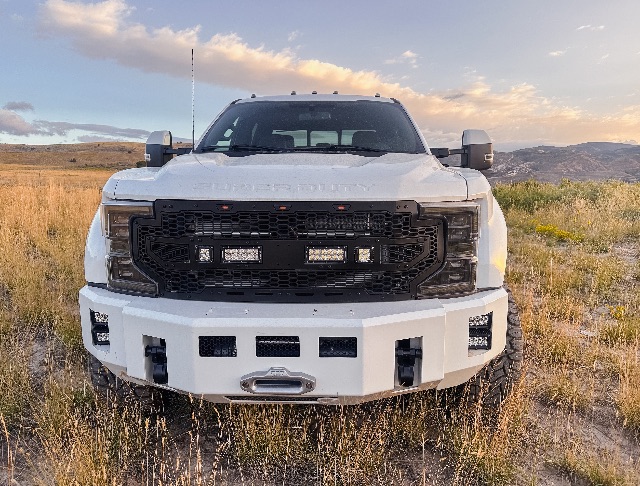
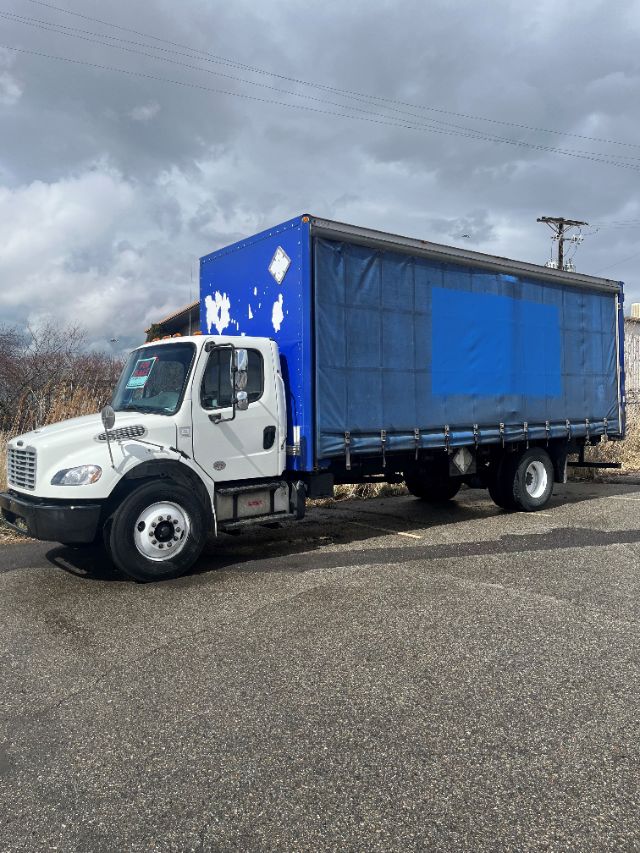
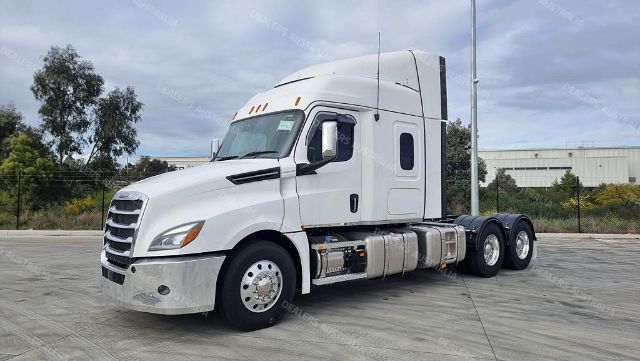
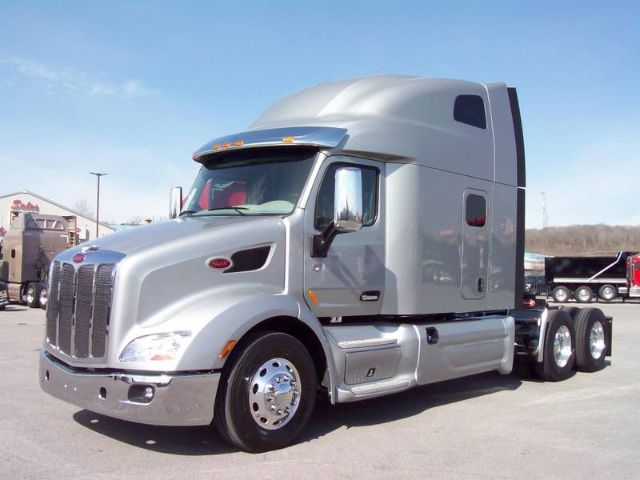
Showing 1 to 12 of 13 results
Have truck to sell? List it here to reach thousands of buyers.
About Trucks in Utah
Tare weight affects both payload and gradeability. Aluminum wheels, composite fairings, aluminum tanks and hubs, and 6x2 configurations can remove hundreds of pounds, though 6x2 sacrifices some traction on snow. Spec only as light as your lanes allow, then protect the rest against corrosion. Utah uses salt and magnesium chloride in winter, so look for e-coated frame rails and crossmembers, stainless or galvanized hardware, sealed Deutsch connectors, heat-shrunk loom, non-metallic air tanks, and powder-coated suspension parts. Regular undercarriage washing and fifth wheel lubrication slow rust creep and keep slider locks free.
For trucks with bodies, floor strength and thermal integrity drive uptime. Dry van and reefer box trucks built with hardwood or aluminum plank floors rated for 8,000 to 12,000 pound forklift service, crossmember spacing at 8 to 12 inches, aluminum scuff liners at 12 to 24 inches, and reinforced rear thresholds resist point loading from pallet jacks. Reefer bodies with high-density foam insulation, low K-factor panels, sealed wiring chaseways, and tight rear door gaskets maintain setpoint in summer heat from St. George to Ogden with fewer defrost cycles. Flatbeds and dumps benefit from AR400 or AR450 floors, correct plate thickness, and closely spaced sills to control denting and bowing under rock or steel loads.
Uptime depends on service access and a healthy aftertreatment system. Later-model DOC, DPF and SCR systems paired with higher-capacity DEF heaters and better EGR coolers reduce nuisance regens, plan for maintenance intervals and verify recent updates. Automated transmissions simplify mountain traffic, pair them with transmission oil coolers and a strong retarder for long descents. Choose wheelbase and cab-to-axle that fit your bridge needs and turning circles in Salt Lake City yards, spec fuel capacity only as large as necessary to save weight. If California lanes are in play, confirm the engine family is compliant for that market. Inspect frames for flaking rust around suspension hangers, check body mount bolts, test door seals on box or reefer units, and confirm liftgate or PTO hydraulics hold pressure without chatter.
Frequently Asked Questions
What axle ratio is best for Utah mountain routes?
For long grades and higher altitudes, a slightly deeper ratio improves startability and engine braking. Pair a direct-drive transmission with something in the 2.64 to 2.85 range for mixed highway service, or 3.08 to 3.36 for heavy vocational or canyon work. Tire size and transmission top gear determine cruise rpm, aim for enough rpm at 65 mph to hold gear on I-15 climbs without constant downshifts while keeping cruise efficiency on the flats.
How do I evaluate frame and floor strength on a truck chassis or body?
Start with frame RBM, section modulus times yield strength, which indicates resistance to bending. Vocational trucks often use double frames or high-RBM single rails for dump bodies and heavy PTO loads. On box or reefer trucks, look for forklift floor ratings of 8,000 to 12,000 pounds, close crossmember spacing at 8 to 12 inches, robust threshold plates, and aluminum or UHMW scuff liners to prevent wall and floor damage from pallets.
How can I cut tare weight without giving up durability or winter traction?
Aluminum wheels, aluminum air tanks, composite fairings, and smaller fuel capacity trim weight while preserving structure. Wide-base singles can save 300 to 400 pounds per tandem, but duals with open-shoulder drive treads and chains maintain better traction on snow. Keep RBM where it needs to be, avoid deleting crossmembers, and consider a 6x4 with driver-controlled diff locks if you operate in ice or on unpaved sites.
What protects a truck from Utah winter corrosion?
Look for e-coated or powder-coated frames, galvanized crossmembers and brackets, sealed harnesses with Deutsch connectors, and isolation washers between dissimilar metals. Aluminum wheels and tanks resist rust, stainless hardware holds torque longer, and rubberized undercoatings add a barrier. Routine washouts after storms and light applications of fluid film on vulnerable areas slow corrosion from salt and magnesium chloride.
How do I check thermal integrity on a reefer or box truck?
Inspect panel seams for repairs or delamination, verify door gaskets seal evenly, and look for intact scuff liners to prevent punctures that create thermal bridges. Ask for insulation specs and K-factor, run the reefer to stabilize then watch return-air temperature swing and defrost frequency. Clean micro-channel condensers and evaporators, and confirm floor drains are clear to prevent ice that compromises airflow.