
Trucks For Sale in Arizona
Find trucks for sale in Arizona. Compare sleepers, day cabs, box and vocational trucks. Learn specs that handle heat, grades, and regional rules.
Learn morePopular Trucks Categories

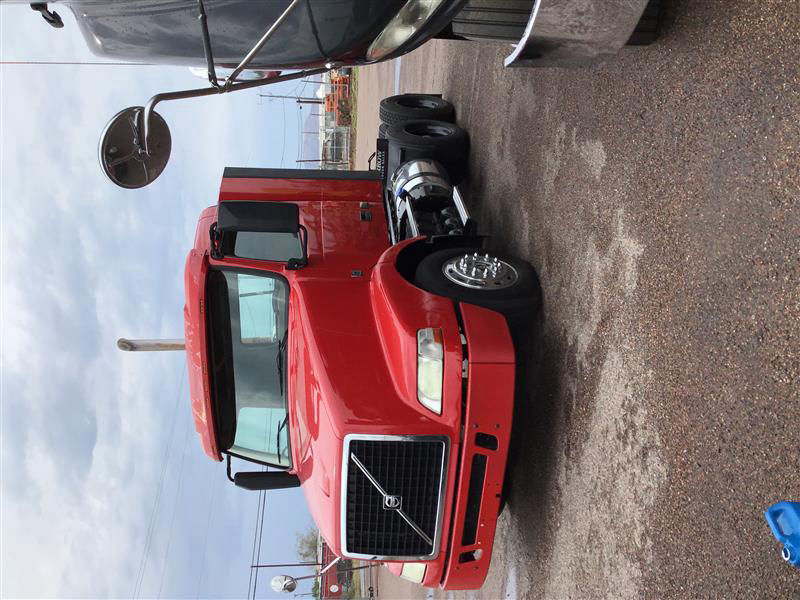
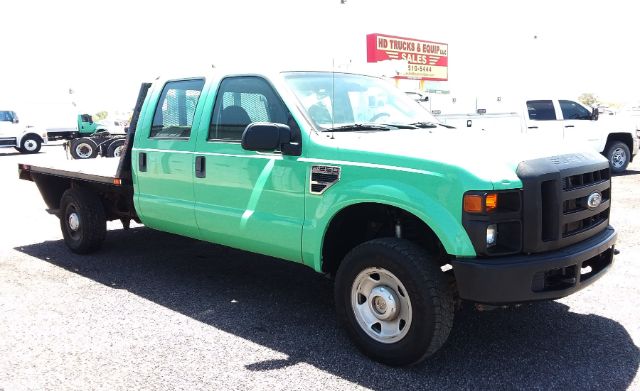
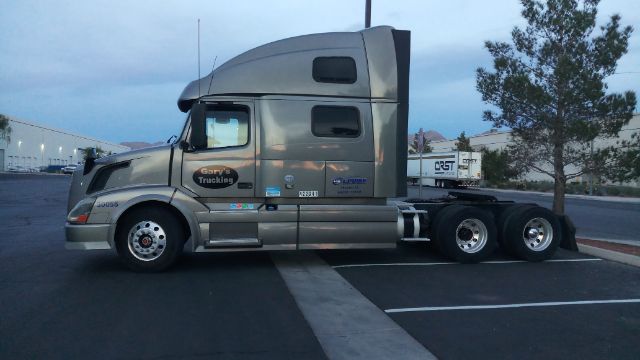
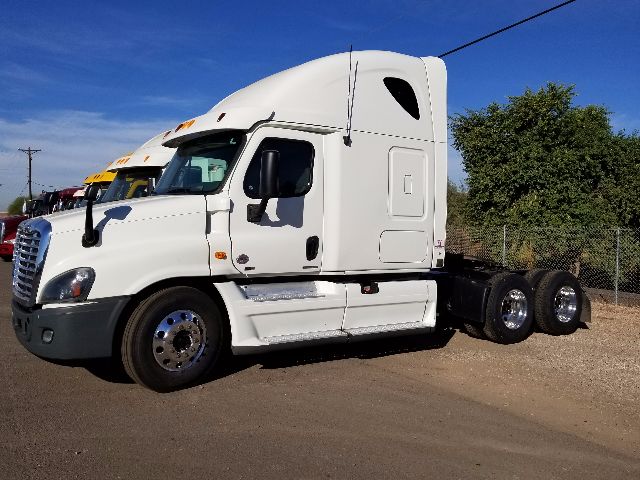
Have truck to sell? List it here to reach thousands of buyers.
About Trucks in Arizona
Powertrain choices should match speed limits and grades. For interstate freight at 70 to 75 mph, downsped setups with 2.28 to 2.64 rear ratios and optimized automated manuals work well, provided the engine delivers 1,650 to 1,850 lb-ft and has effective engine braking for the I-17 descent. A 455 to 500 hp rating is a common sweet spot for single 53 ft trailers, while heavy haul or LCV routes benefit from 500 plus hp, 13 or 18-speed gearing, full locking diffs, and higher-capacity cooling. Disc brakes resist fade in mountain heat, and retarder-equipped automatics or strong Jacobs brakes are worth the premium. If operations cross into California, confirm CARB compliance and consider 40 ft kingpin settings and wheelbase that can legally position tandems for ports and tight docks.
Vocational work is strong across Arizona construction, paving, and mining support. Dump, mixer, water and lowboy tractors often run 16k to 20k steer axles, 44k to 46k rears, double frames or insert liners, heavy-duty suspensions, and high-clearance cooling. Off-pavement work calls for deep reduction gearing, locking differentials, and high-capacity filtration to handle dust. In the Phoenix and Tucson metro areas, box trucks with 2,500 to 3,300 lb liftgates dominate P&D; if temperature control is required, choose high-ambient reefer units with strong standby options and well-insulated bodies to hold setpoint in 110 plus degree heat.
Regional rules and practical checks help narrow the field. Arizona allows 53 ft semitrailers statewide and 57 ft plus on designated corridors, and LCV doubles or triples are permitted on specific routes with the right credentials, so match tractor wheelbase, fifth wheel position, and brake spec accordingly. Maricopa County enforces anti-idling limits, which makes APUs, battery HVAC, and auto start-stop valuable for comfort and compliance. During inspection, prioritize A/C performance at idle, radiator and CAC cleanliness, fan hub condition, NOx sensors and DPF history, tire age and heat cracking, cab seals against dust, and sun exposure on interiors and wiring. Low corrosion is a regional plus, but UV and heat age components quickly, so complete records and recent cooling system service add real value.
Frequently Asked Questions
What engine power and gearing work best for Arizona highways and grades?
For single 53 ft trailer linehaul at 70 to 75 mph, a 455 to 500 hp engine with 1,650 to 1,850 lb-ft paired to an optimized AMT and 2.28 to 2.64 rear ratios performs well. Choose a robust engine brake for the I-17 and Mogollon Rim descents. Heavy haul, LCV doubles or mountainous routes benefit from 500 plus hp with 13 or 18-speed gearing and full locks.
How does Arizona heat affect truck selection and maintenance?
High ambient temperatures elevate coolant, intake, and exhaust temps, which stresses cooling systems and emissions components. Look for desert-duty radiators, clean CACs, strong condenser fans, and verify A/C performance at idle. Expect tighter PM intervals for air filters, pay attention to DPF load rates in hot stop-and-go, and inspect tires for heat and UV cracking.
Are Arizona trucks automatically compliant for California operations?
Not always. If you will run into California, verify CARB Truck and Bus compliance, emissions label year, and any diesel retrofit history. Wheelbase and kingpin settings may need to accommodate 40 ft KPRA, and some port or urban routes have stricter idling and noise rules. Confirm spec details before cross-border work.
What should I look for in a reefer truck or tractor-trailer used in Arizona?
Prioritize high-ambient-capable units with recent compressor and condenser service, strong door seals, and insulated bodies in good condition. Multi-temp systems help with grocery routes. Electric standby reduces fuel and heat load at docks, and telematics can verify temperature integrity during 110 plus degree days.
Can I run doubles or triples in Arizona and what tractor spec is needed?
Arizona permits LCV doubles and triples on designated corridors with proper permits and endorsements. A suitable tractor typically has 500 plus hp, 13 or 18-speed gearing, full locking differentials, enhanced braking, and larger cooling packages. Verify fifth wheel placement, air and electrical for converter dollies, and check route restrictions with ADOT.