
Truck Body Only - Other Truck Parts For Sale
Shop truck body only and other truck parts for vocational, utility, and custom builds. Compare body types, fitment, materials, and upfit needs.
Learn more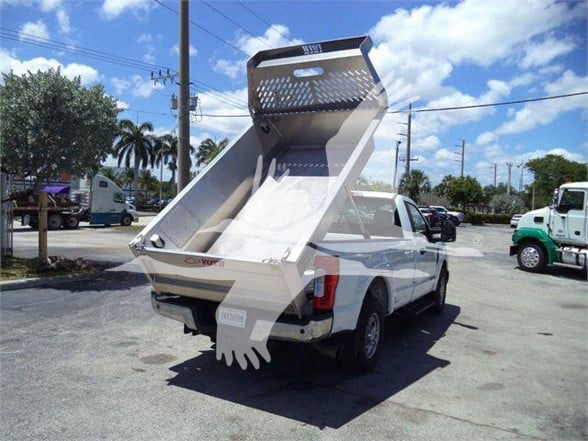
Have truck body only - other truck part to sell? List it here to reach thousands of buyers.
About Truck Body Only - Other Truck Parts
Material, floor design, and subframe construction drive long-term value. Steel bodies usually cost less up front and handle impact well in severe-duty work, while aluminum bodies reduce tare weight and resist corrosion in municipal, landscaping, and contractor applications. Important details include crossmember spacing, sill design, mounting method, floor thickness, rub rails, stake pockets, underbody box configuration, lighting provisions, and whether the body includes hoist equipment, hydraulic plumbing, or a PTO-driven setup. On utility and service bodies, compartment layout, shelf structure, door seals, and latch condition matter as much as exterior appearance because downtime often starts with poor storage access and water intrusion.
Body condition should be evaluated like a structural component, not just a cosmetic part. Check for floor rot, cracked welds, twisted rails, corrosion at mounting points, door sag, hinge wear, and prior repairs around the rear sill, bulkhead, and crossmembers. If the body came off a working chassis, confirm whether lights, harnesses, mud flaps, ICC bumper assemblies, fenders, tarp hardware, or hydraulic components are included. Buyers planning a swap should also account for paint work, frame drilling, wiring adaptation, and compliance items such as conspicuity tape, lighting placement, mud flap requirements, and body width rules.
This category is useful for fleets extending chassis life, body shops sourcing replacement units, and operators building application-specific trucks without paying for a complete assembled unit. The best choice depends on the job cycle. A contractor may prioritize enclosed tool storage and reinforced floors, while a hauler may focus on cubic capacity, side height, or hoist compatibility. Looking closely at dimensions, body construction, and included hardware helps narrow down which truck body only option will install cleanly and deliver the service life the application requires.
Frequently Asked Questions
What does truck body only mean in a parts listing?
Truck body only means the listing is for the body assembly rather than a complete running truck. The body may have been removed from a chassis and sold separately for reuse on another truck. Buyers should confirm exactly what is included, such as the body shell, subframe, doors, compartments, hoist, hydraulics, lighting, or mounting hardware, because a body-only listing can vary widely in completeness.
How do I know if a truck body will fit my chassis?
Start with cab-to-axle measurement, frame rail width, rear axle location, overall frame length, and intended body length. Then verify mounting points, clearance for tires and suspension travel, and whether the body requires a specific subframe or hoist setup. Electrical connections, fuel fill location, exhaust routing, and PTO or hydraulic compatibility can also affect installation. A body that is close in size can still require substantial fabrication if these details do not match.
Is a steel or aluminum truck body better?
Steel is generally preferred for severe-duty applications where impact resistance and lower initial cost matter most. Aluminum is often chosen when payload, corrosion resistance, and lower empty weight are priorities. The better choice depends on the work cycle, climate, and how long the body is expected to stay in service. In snow, salt, or coastal environments, corrosion resistance can be a major factor in total ownership cost.
What condition issues matter most on a used truck body?
Structural condition is more important than surface cosmetics. Look for rust-through in the floor, weakened crossmembers, cracked welds, bent rails, damaged bulkheads, and corrosion around mounts. On service and utility bodies, inspect compartment floors, hinge points, latches, seals, and lock hardware. On dump or platform bodies, inspect the rear sill, side rails, hoist mounts, and any evidence of overloading or hard impact. These areas affect both safety and installation cost.
Can a body-only purchase save money compared with buying a complete truck?
It can, especially when the receiving chassis is already owned, recently rebuilt, or better suited to the application than a complete used truck. A body-only purchase can also make sense when a damaged or worn body is the only component that needs replacement. The savings depend on installation labor, wiring, paint, hydraulics, and any fabrication required to make the body fit and comply with current lighting and safety requirements.