
Timpte Hopper Trailers For Sale
Shop Timpte hopper trailers built for grain, feed, fertilizer, and bulk commodities with lightweight aluminum construction and proven dump performance.
Learn more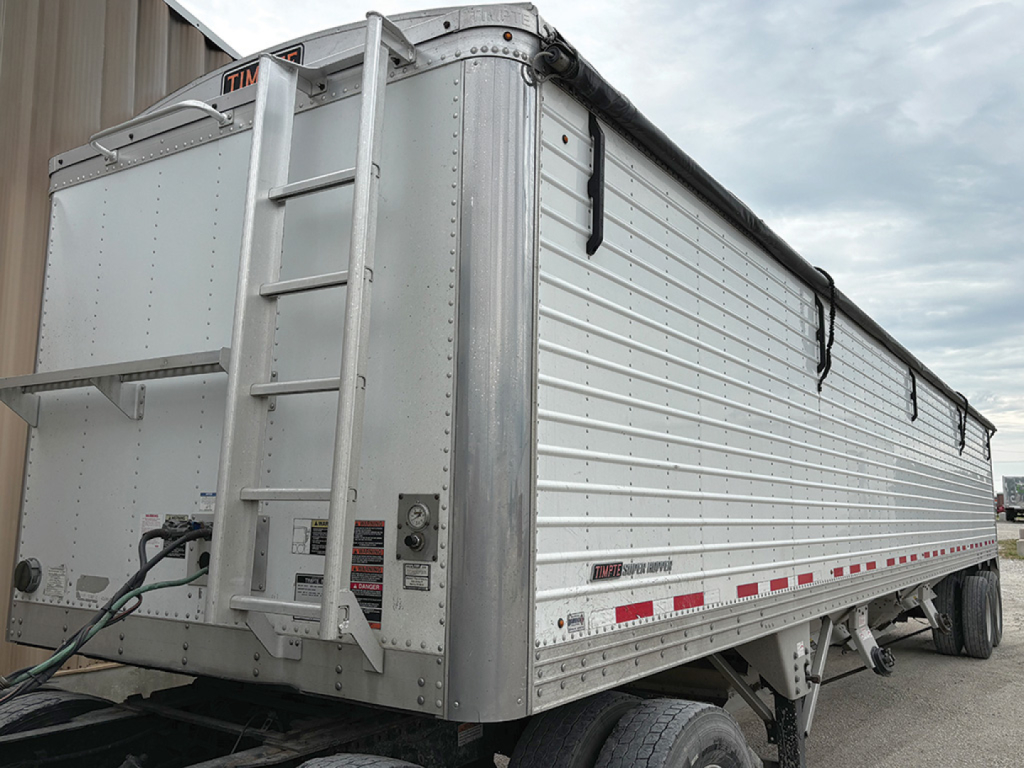
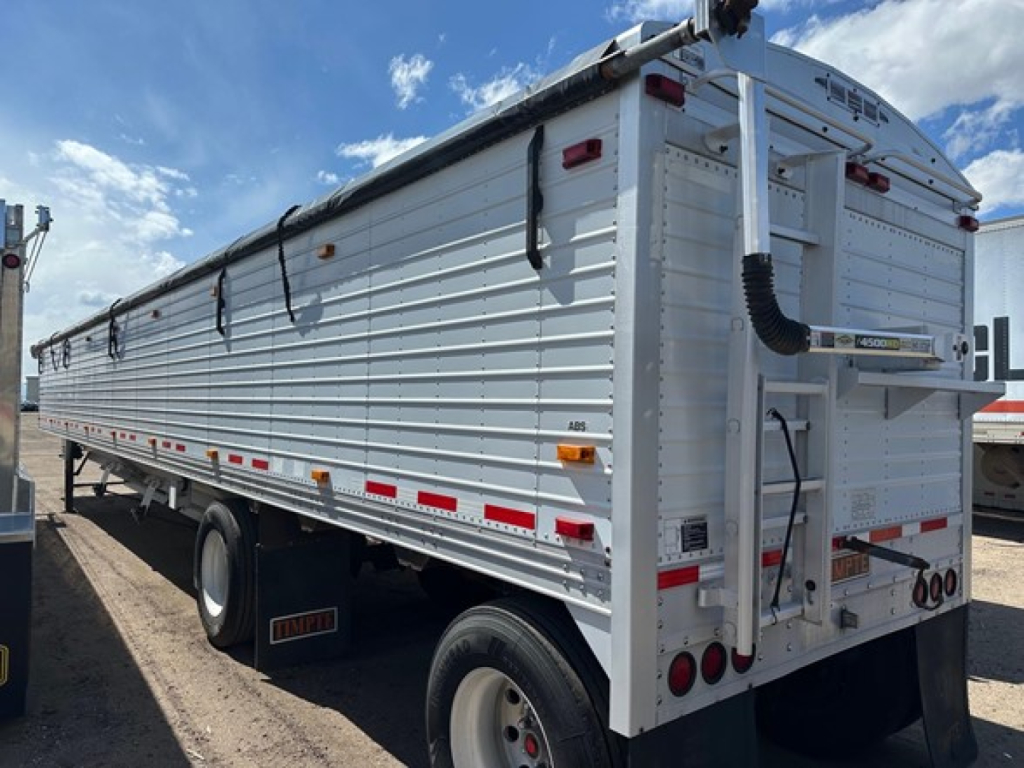
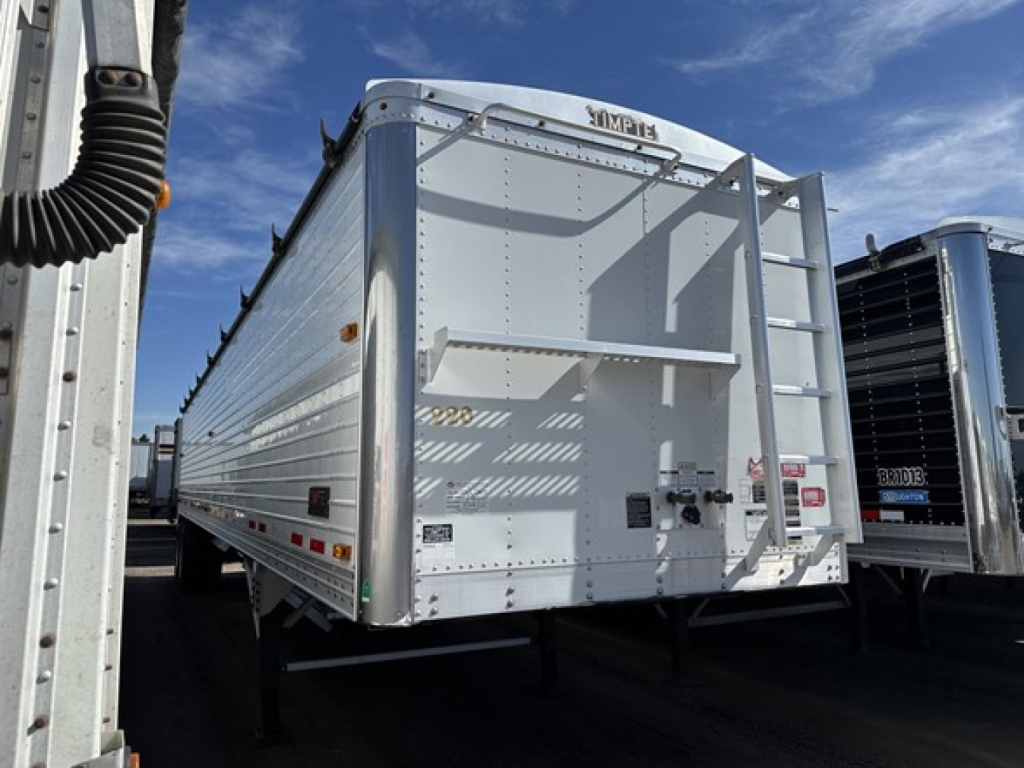
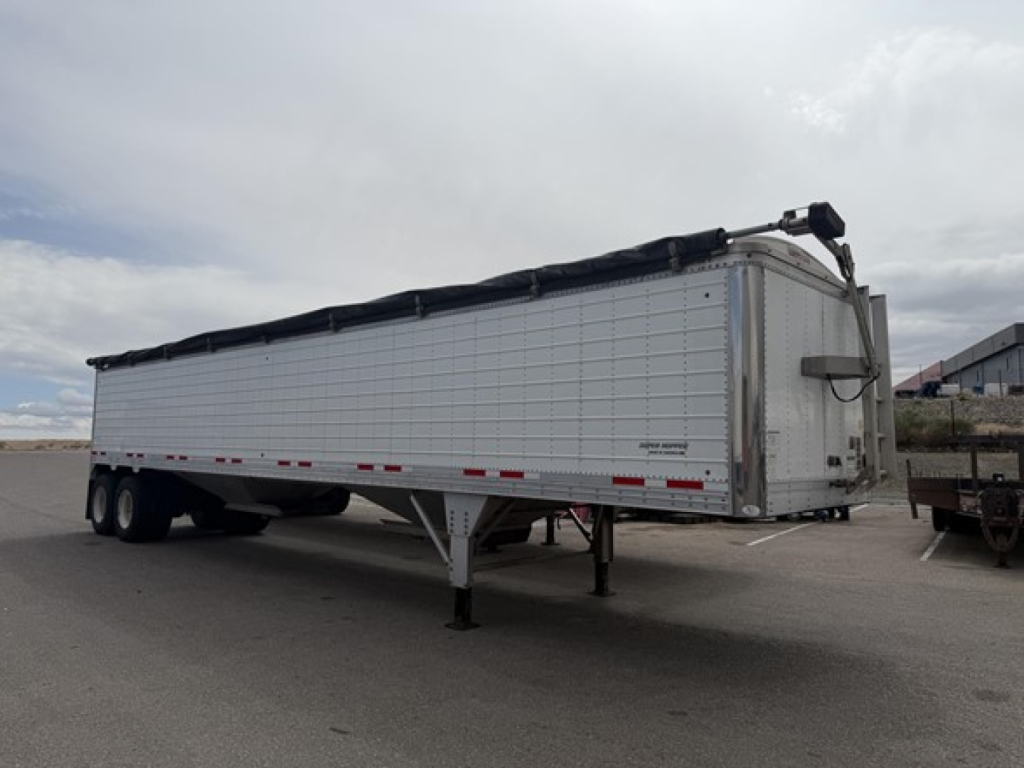
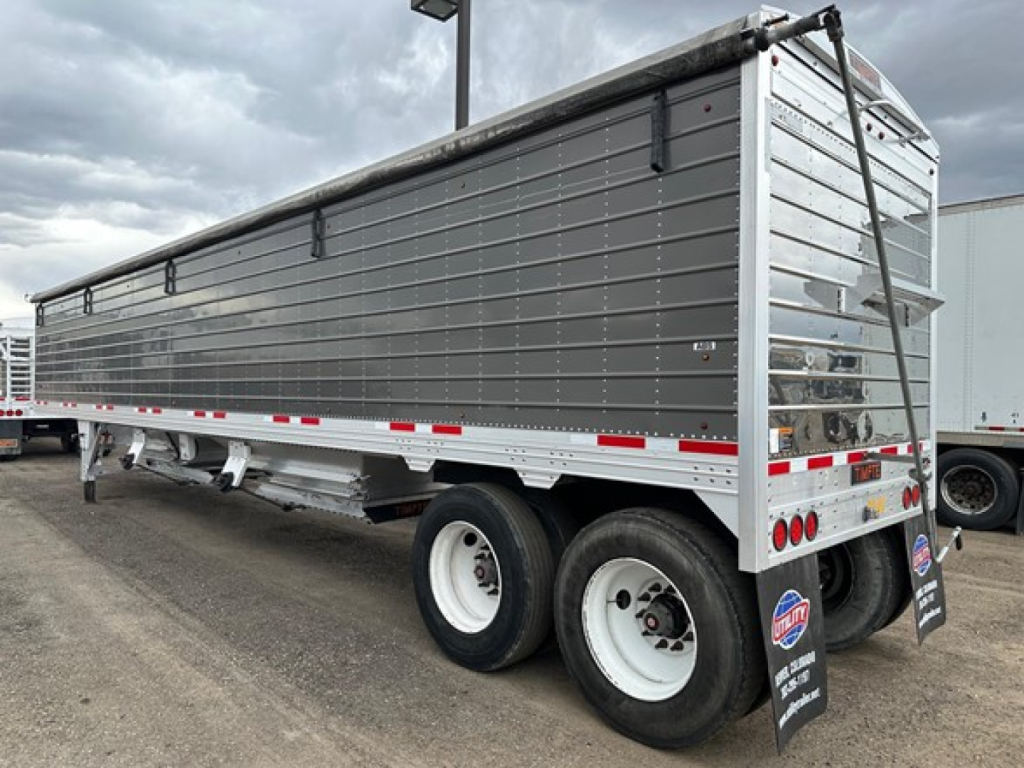
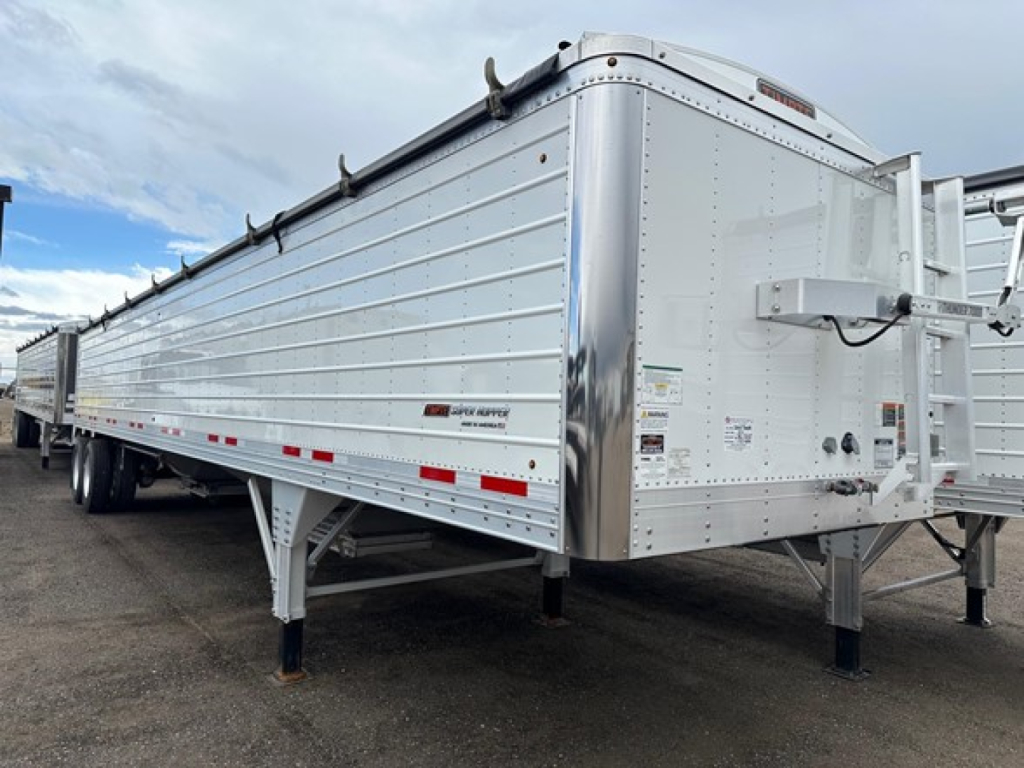
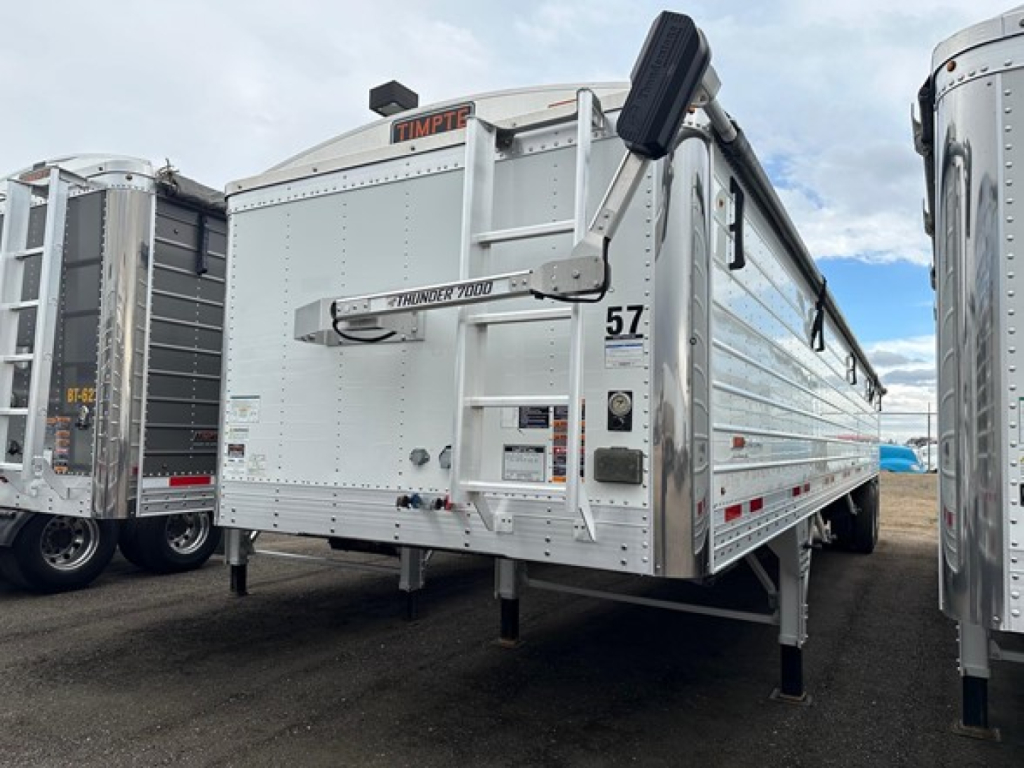
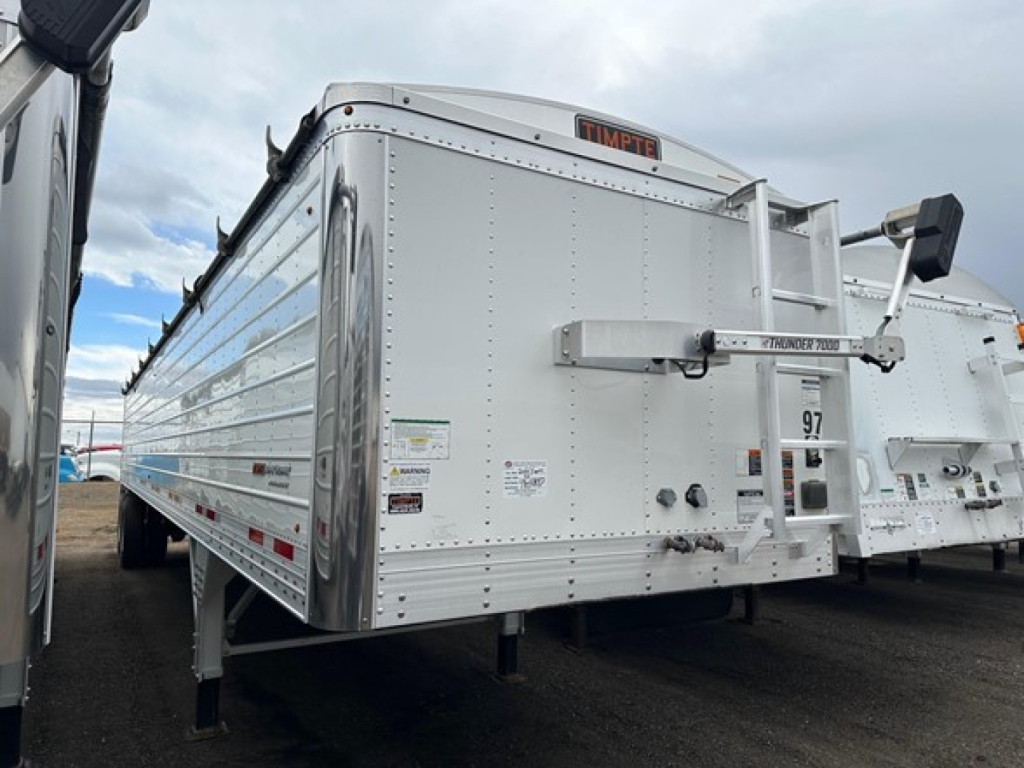
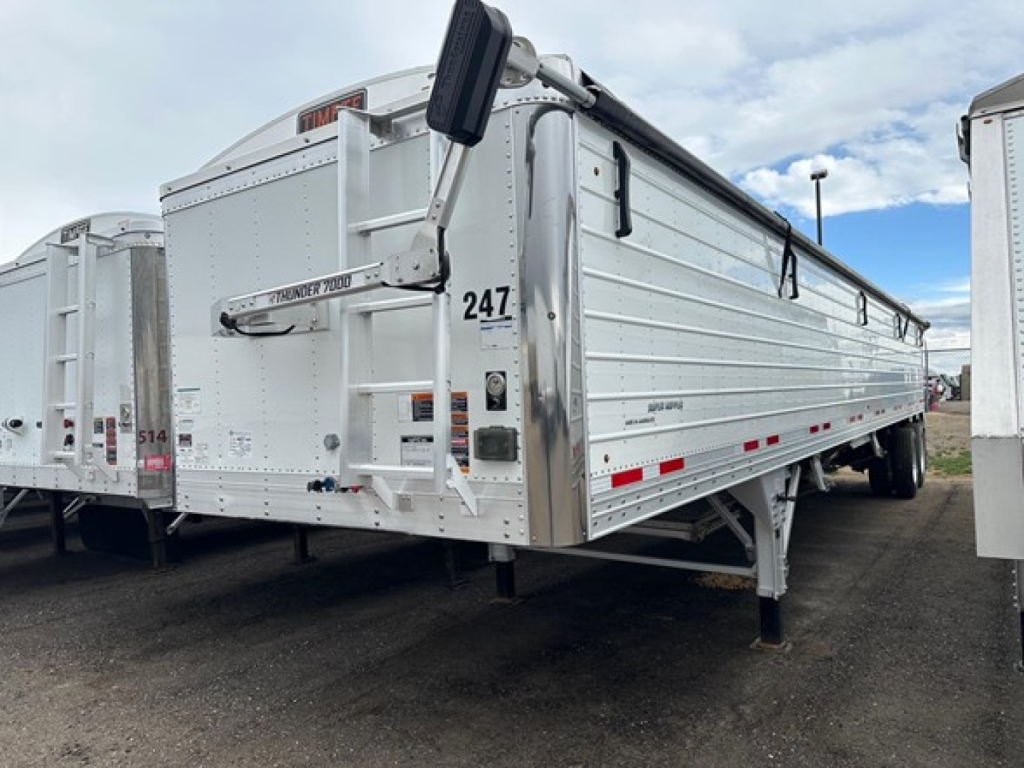
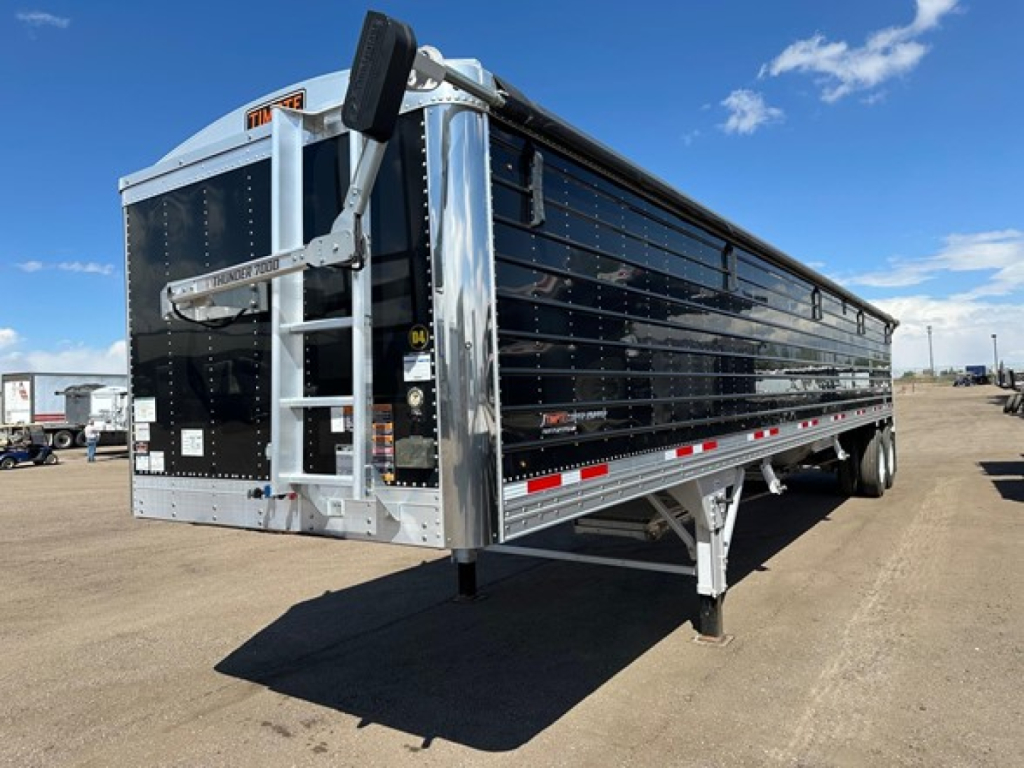
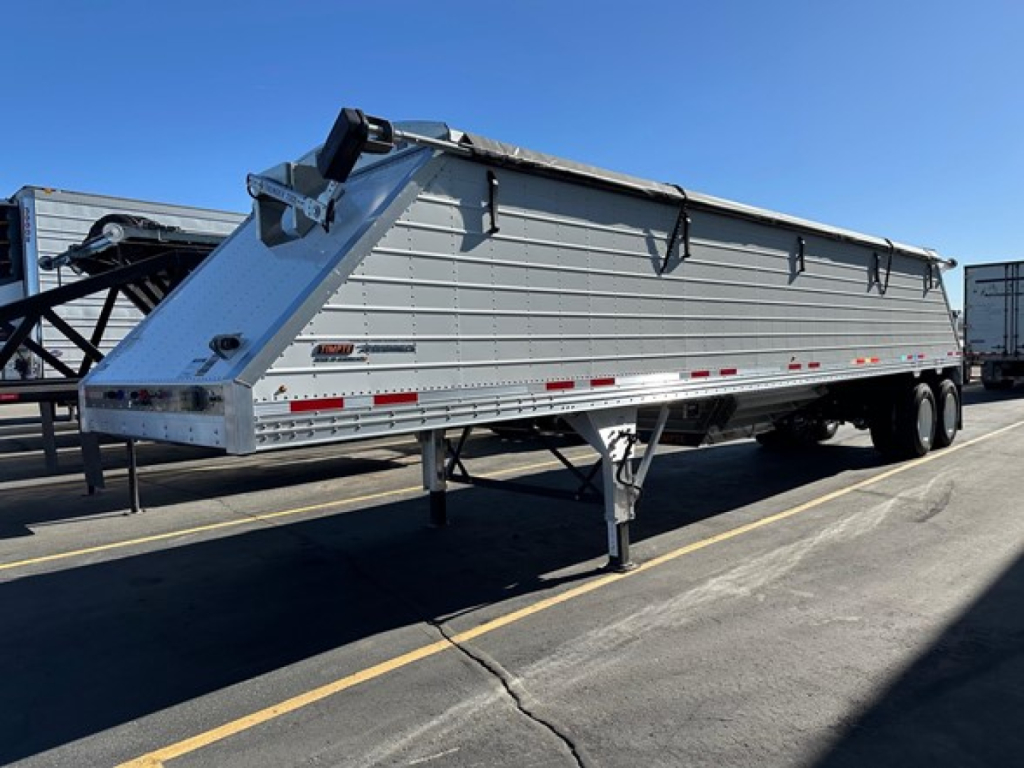
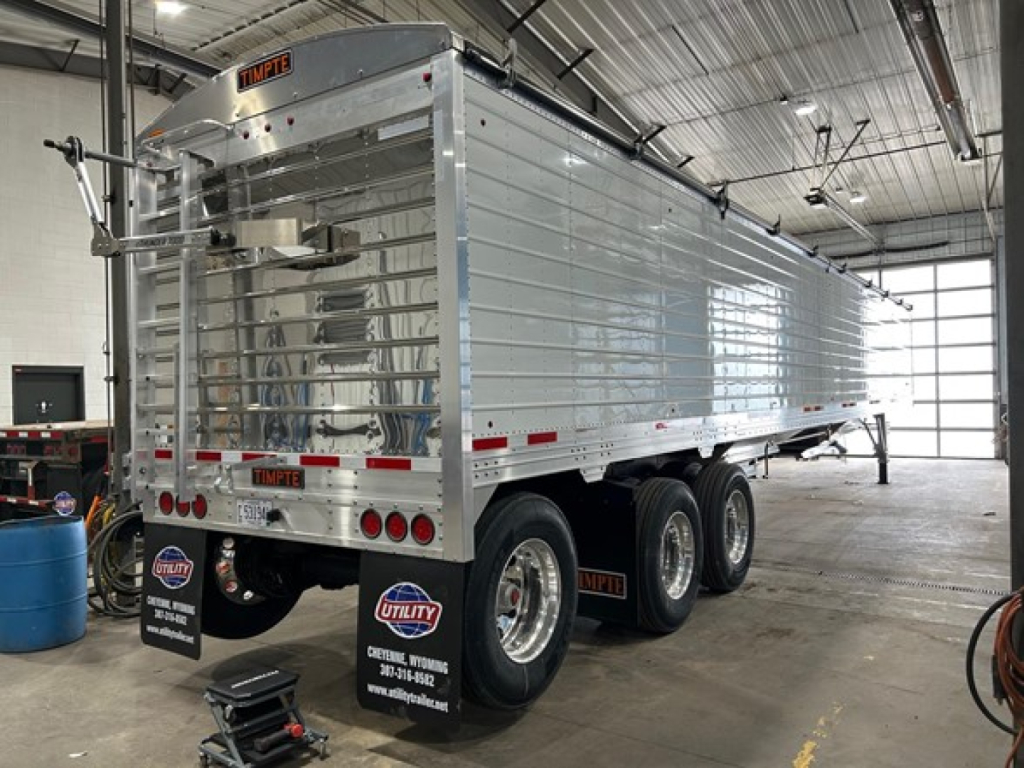
Showing 1 to 12 of 26 results
Have timpte hopper trailer to sell? List it here to reach thousands of buyers.
About Timpte Hopper Trailers
A lot of Timpte buyers focus first on the hopper setup. Traditional ag configurations commonly use two hoppers with manual traps for corn, soybeans, wheat, pellets, and similar free-flowing products. Some units are set up with AG hoppers, while others move into specialty applications such as frac sand with a single hopper, hydraulic trap operation, knock rails, and electric tarp systems. If your work is mostly farm-to-elevator or shuttle loads during harvest, a 42-foot tandem with 78-inch sides is a common sweet spot. If the trailer will see more specialized bulk service, the hopper opening style, door design, and discharge control become more important than side height alone. Buyers should also pay attention to whether the trailer has manual, electric, or hydraulic tarp and hopper operators, since that directly affects turnaround time and driver effort.
Construction details are where Timpte trailers tend to separate themselves over the long haul. Corrugated side panels, stainless front corners, stainless rear panels on some builds, front and rear ladders, and catwalks are all common features buyers will see. Wheel packages often mix aluminum outside wheels with steel inside wheels to balance appearance, cost, and durability. Tires are commonly 22.5 low-profile or 11R22.5 and 11R24.5 depending on the build. Air ride suspension remains the preferred setup for commodity protection and ride quality, and closed tandem axle layouts are common for stable highway use. Features like liquid-filled load scales can also be valuable for operators loading on the farm or at remote sites where axle and gross weight need to be monitored before heading to the elevator or plant.
The right Timpte hopper trailer depends on commodity density, loading method, unload environment, and how hard the trailer will work during peak season. A grain hauler may prioritize low tare weight, dual hoppers, ladders, catwalk access, and a simple manual roll tarp. A frac sand or heavier bulk operator may lean toward a single-hopper design, hydraulic gate control, steel wheel packages, and more rugged protection around the discharge area. On used units, check trap door wear, subframe condition, suspension components, tarp condition, and signs of corrosion around dissimilar metals and high-contact points. On late-model trailers, compare side height, cubic capacity, axle configuration, and operating systems carefully because small spec differences can change payload efficiency and daily usability in a big way.
Frequently Asked Questions
What are Timpte hopper trailers commonly used for?
Timpte hopper trailers are most commonly used for hauling grain, feed, fertilizer, seed, and other free-flowing bulk materials. Depending on the build, they are also used in specialty work such as frac sand service. Most are hopper bottom trailers designed to unload through gravity discharge, which makes them efficient at elevators, bins, augers, conveyors, and bulk receiving pits.
What size Timpte hopper trailer is most common?
A very common configuration is a 42-foot by 96-inch Timpte hopper trailer with tandem axles and side heights around 78 inches. That setup is popular because it offers strong cubic capacity while staying practical for legal payloads and everyday agricultural hauling. Shorter lengths such as 39 feet also appear in specialized applications where commodity type, unloading requirements, or weight distribution call for a different design.
Should I choose manual, electric, or hydraulic hopper and tarp controls?
Manual controls are simple, lighter, and common on grain trailers used in standard agricultural service. Electric tarp systems reduce driver effort and save time during frequent loading cycles. Hydraulic hopper doors are more common on specialty or heavy-duty applications where larger discharge openings, faster operation, or easier control under load are important. The right choice depends on how often the trailer is loaded and unloaded, the commodity being hauled, and how much convenience matters to your operation.
What should I inspect on a used Timpte hopper trailer?
Start with the hopper doors, traps, and discharge areas because those components see constant use and can show wear, leakage, or hard operation. Then inspect the suspension, axle alignment, tires, brakes, landing gear, tarp system, and structural areas around the subframe, kingpin, and rear frame. On aluminum trailers, look closely at repairs, cracking, corrosion around stainless and aluminum contact points, and signs that the trailer has hauled abrasive or high-impact materials.
Are Timpte hopper trailers only for grain hauling?
No. Grain is the most common application, but Timpte hopper trailers are used across a wider range of bulk commodity work. They can be spec'd for feed ingredients, fertilizer, pellets, sand, and other dry bulk products. The key is matching the trailer's side height, hopper style, door design, suspension, and operating system to the product's density, flow characteristics, and discharge requirements.