
Stake Bed Trucks For Sale
Shop stake bed trucks by GVWR, body length, and features like liftgates and removable sides. Compare cabover vs conventional chassis and payload options.
Learn more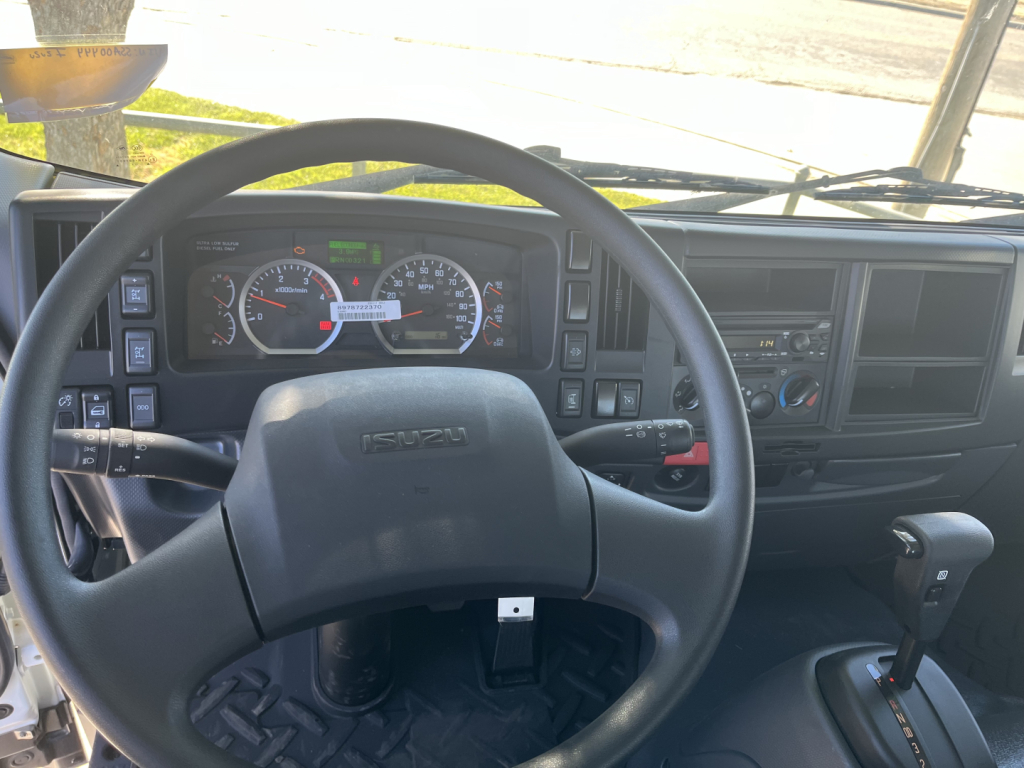
Have stake bed truck to sell? List it here to reach thousands of buyers.
About Stake Bed Trucks
Stake bed trucks, also called stake body or rack body trucks, are flatbeds with removable side racks for palletized freight, landscaping materials, and building supplies. Look for a solid bulkhead, rub rails with stake pockets, rope hooks or winch track, and a forklift-ready rear with an ICC bumper. Side heights vary from low 12-18 in boards to tall 42-48 in racks; landscape packages may add swing-out rear gates. A tuck-under or rail-style liftgate (1,600 to 5,000 lb) speeds curbside deliveries, while ramp kits and hitch packages support small equipment moves. Some units add a scissor hoist to create a stake dump configuration for aggregate or debris when flexibility matters.
Chassis selection affects maneuverability, serviceability, and operating cost. Cabover models from Isuzu, Hino, and Fuso legacy units offer tight turning for urban routes and alley deliveries. Conventional cabs from Ford, Ram, Chevrolet/GMC, International, Freightliner, and Hino deliver highway stability and driver comfort on longer runs. Gas engines are common in Class 3-5 for lower upfront cost and simpler emissions systems; diesel takes over in heavier classes for torque, engine braking, and longevity. Pairing an Allison automatic or modern 6-10 speed automatic with the right axle ratio keeps starts smooth with loaded pallets. Spring suspensions are rugged; air ride can protect fragile loads. Watch brake type: hydraulic on lighter units, air brakes on many Class 6-7 trucks.
Buying considerations center on configuration and condition. Confirm bed length to your typical pallet count and route restrictions, and check CA/wheelbase against body manufacturer charts. Inspect deck boards for rot or delamination, stake pockets for cracks, rack posts for straightness, latch hardware for wear, and bulkhead integrity. Verify liftgate cycle, platform size, and capacity for your heaviest piece. Lighting, conspicuity tape, backup camera, and trailer plug condition matter for compliance and uptime. Regional corrosion history is critical on steel bodies; aluminum racks and powder-coated hardware resist salt better. CDL requirements apply at 26,001 lb GVWR and above, and many urban customers prefer cabovers for tight sites while rural delivery may favor longer wheelbases for stability.
Frequently Asked Questions
What is a stake bed truck and what is it used for?
A stake bed truck is a flatbed fitted with removable side racks that create open-topped cargo containment. It’s ideal for palletized freight, landscaping materials, building supplies, and irregular loads that need quick side or rear access. With the racks removed, it functions like a standard flatbed for oversized items, equipment, or tarped loads.
How do I choose the right GVWR and body length for a stake body?
Match GVWR to your heaviest typical payload plus body and equipment weight, leaving margin for tools and fuel. Class 3-5 suits light regional delivery and landscaping; Class 6-7 handles masonry, lumber, and heavier pallets. Body length should align with pallet count and wheelbase/CA—12 to 16 ft for tight urban routes, 18 to 20 ft for higher volume. Confirm the body builder’s chart so axle loading stays within ratings.
Gas or diesel for a stake bed truck?
Gas works well for Class 3-5 fleets with shorter routes, lower initial cost, and fewer emissions components. Diesel fits heavier classes or high-mileage duty cycles thanks to torque, engine braking options, and resale strength. Consider DEF and DPF service intervals, idle time, and PTO needs; diesel typically supports heavier liftgates and hoists more efficiently under frequent load.
Cabover or conventional chassis for stake bed work?
Cabovers offer superior visibility and tight turning radius, making them popular for city delivery, alley access, and jobsite maneuvering. Conventional cabs provide a quieter ride, larger fuel capacity, and easier highway manners. The decision often comes down to route density, driver preference, and maintenance network; both accept similar stake bodies if the CA and wheelbase match the selected bed length.
Do I need a liftgate, and which type is best?
If you load with a forklift at both ends, a liftgate may be optional. For curbside deliveries or sites without docks, a tuck-under liftgate keeps the rear clear for forklift access, while a railgate provides a larger, more stable platform for tall or heavy pallets. Match capacity to your heaviest item, verify platform dimensions for pallet jacks, and check for power supply, controls, and safety interlocks.