
Rollback Trucks For Sale in New Jersey
Shop rollback trucks for towing, recovery, and vehicle transport. Compare bed lengths, winch setups, GVWR, axle ratings, and New Jersey-ready specs.
Learn more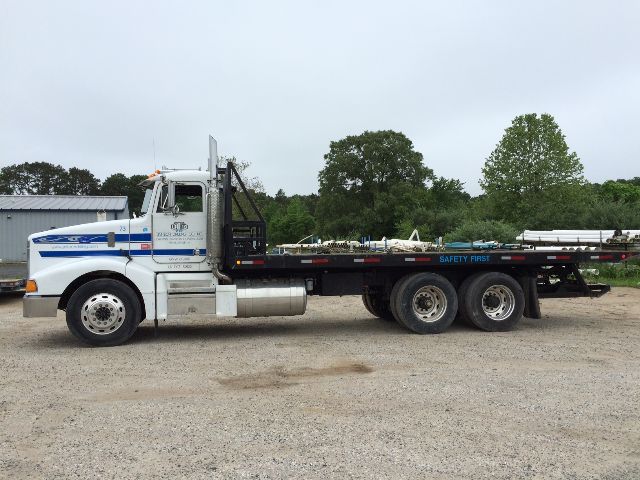
Have rollback truck to sell? List it here to reach thousands of buyers.
About Rollback Trucks in New Jersey
In this category, common configurations range from medium-duty single-axle units used for passenger cars, pickups, and light commercial vehicles to heavier tandem-axle rollback trucks set up for larger trucks, equipment, and recovery work. Bed lengths often fall in the 19 to 22 foot range on medium-duty carriers, with larger heavy-duty setups going longer depending on chassis and legal requirements. Important deck details include steel versus aluminum construction, deck width, tie-down points, wheel lift availability, stabilizers, underbody tool storage, and remote hydraulic controls. A winch is standard on many rollback trucks, but line pull, cable or synthetic rope, and mounting position matter if the truck will be used for accident recovery, off-road pulls, or loading non-running vehicles.
New Jersey buyers should pay close attention to operating environment as much as raw capacity. Tight urban streets, highway incident response, bridge clearances, and winter corrosion all affect the best spec. A shorter wheelbase can improve maneuverability in dense service areas, while a longer wheelbase may ride better and support a longer deck. Rust condition matters on the cab, frame, bed substructure, crossmembers, hydraulic lines, and control components, especially in salt-exposed regions. Powertrain choice also matters. Many buyers prefer diesel engines with manual, automated, or Allison automatic transmissions depending on whether the truck will spend more time in stop-and-go towing, long-distance transport, or mixed service work.
A strong rollback truck should be evaluated as a complete system, not just by chassis make or engine horsepower. Look closely at bed cylinder condition, slide rails, wear pads, PTO operation, winch function, lighting, tie-down gear, brake condition, tire matching, and axle ratings. If the truck includes a wheel lift, pintle hitch, or recovery accessories, confirm how those additions affect usable payload and job range. The best rollback for sale is the one matched to the vehicles you move most often, the roads you run every day, and the service demands your business cannot afford to miss.
Frequently Asked Questions
What is a rollback truck used for?
A rollback truck is used to transport disabled, wrecked, repossessed, or specialty vehicles on a tilting and sliding flat deck. It is commonly used by towing companies, recovery operators, auto transport businesses, auctions, salvage operations, and municipal fleets. The rollback design reduces loading angle and keeps all wheels off the road, which is especially useful for all-wheel-drive vehicles, low-clearance cars, and non-running units.
How do I choose the right rollback truck capacity?
Start with the heaviest vehicles you plan to haul regularly, then compare that requirement to the truck’s GVWR, front and rear axle ratings, deck rating, and any installed wheel lift or auxiliary equipment. Bed length and chassis wheelbase also affect what the truck can carry safely and legally. A truck with a strong engine or tandem axles is not automatically the right choice unless the axle ratings, hydraulic system, and carrier body are sized for the actual load.
What features matter most on a used rollback truck?
Condition of the carrier body and hydraulic system is just as important as engine and transmission condition. Buyers should inspect the slide mechanism, tilt cylinders, PTO engagement, winch operation, deck surface, tie-down points, lighting, and bed subframe for wear or damage. On trucks used in northeastern states, corrosion on the frame, crossmembers, hydraulic fittings, and electrical connections deserves extra attention because rust can turn a good-looking truck into a costly repair project.
Is a tandem-axle rollback better than a single-axle rollback?
A tandem-axle rollback is generally better for heavier loads, larger chassis cabs, commercial trucks, and more demanding recovery work. It can offer higher axle capacity, improved stability, and better weight distribution. A single-axle rollback is often easier to maneuver, lighter, and less expensive to run, which makes it a strong fit for standard passenger vehicle towing and urban service routes. The better choice depends on average payload, route density, and local operating limits.
What deck and winch options should I look for on a rollback truck?
Bed material, deck length, and winch specification should match the type of work the truck will perform most often. Aluminum beds can reduce tare weight and improve payload, while steel beds may appeal to buyers prioritizing durability and repairability. Winch line pull should be sufficient for loading non-running vehicles and light recovery tasks, and features such as wireless controls, stabilizers, toolboxes, wheel lifts, and adjustable tie-down systems can significantly improve efficiency on every job.