
Refrigerated Trucks For Sale
Refrigerated trucks for temperature-controlled delivery. Compare box lengths, reefer units, liftgates, multi-temp options, and CARB-compliant specs.
Learn moreBrowse Refrigerated Trucks by Make

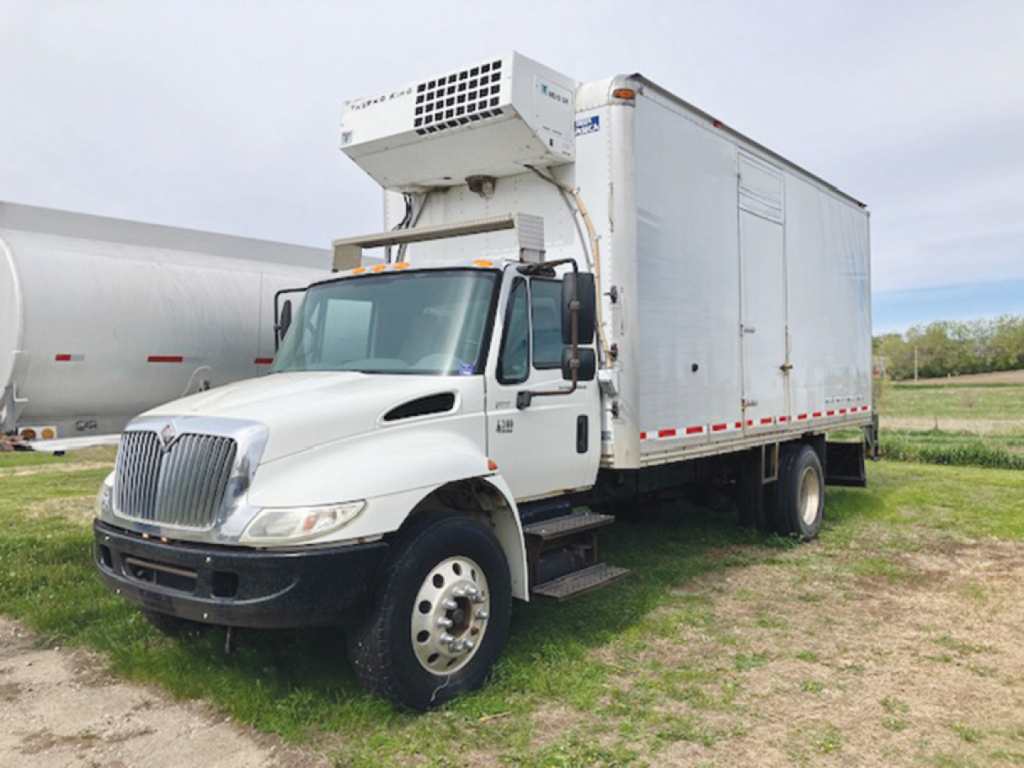
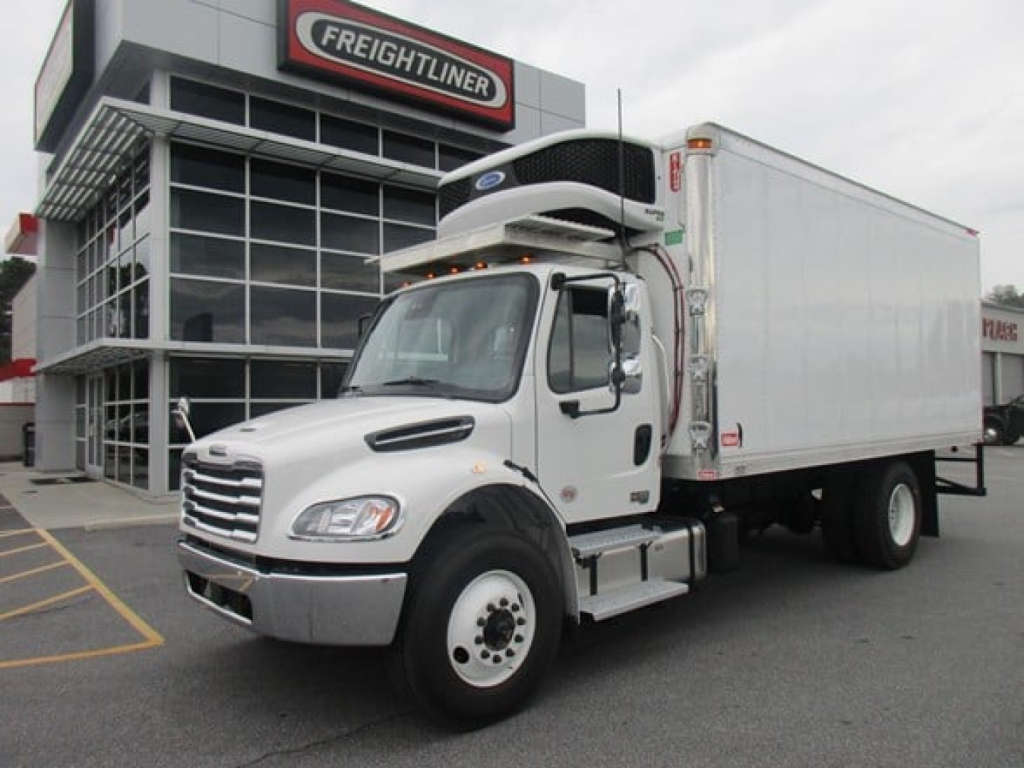
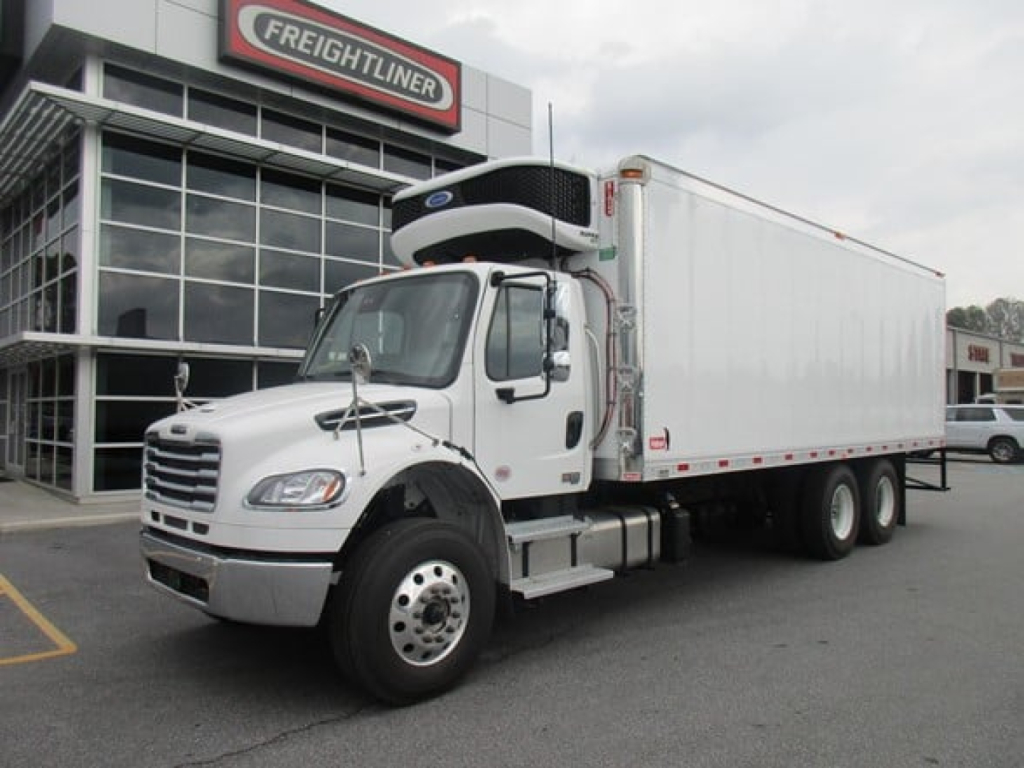
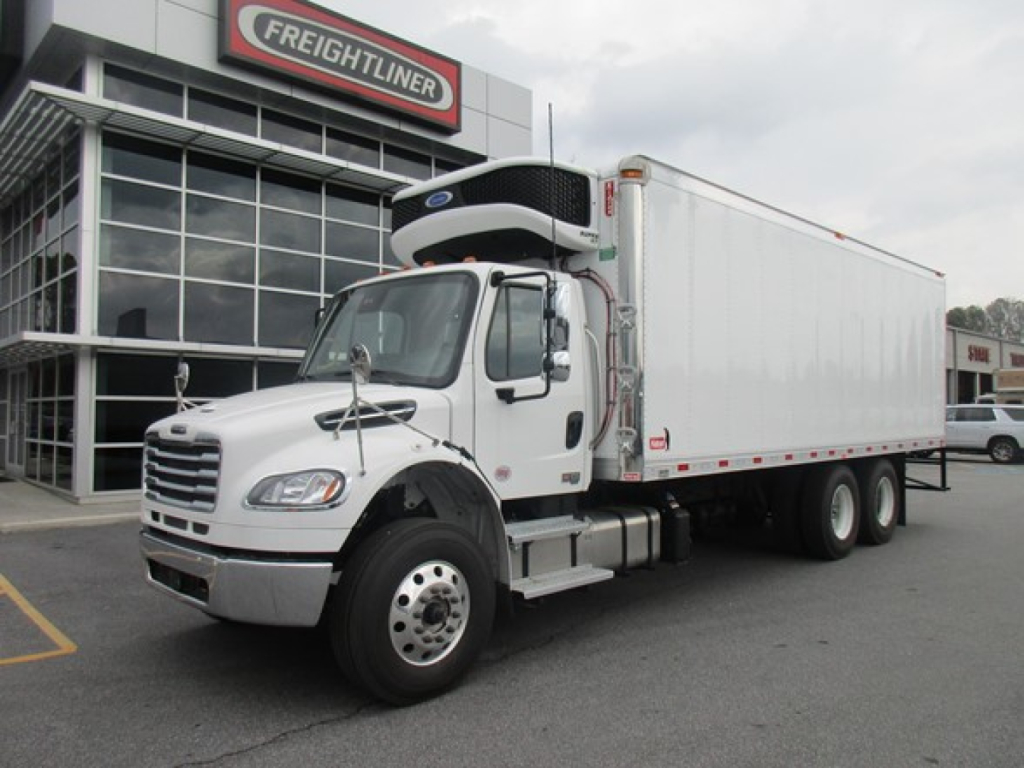
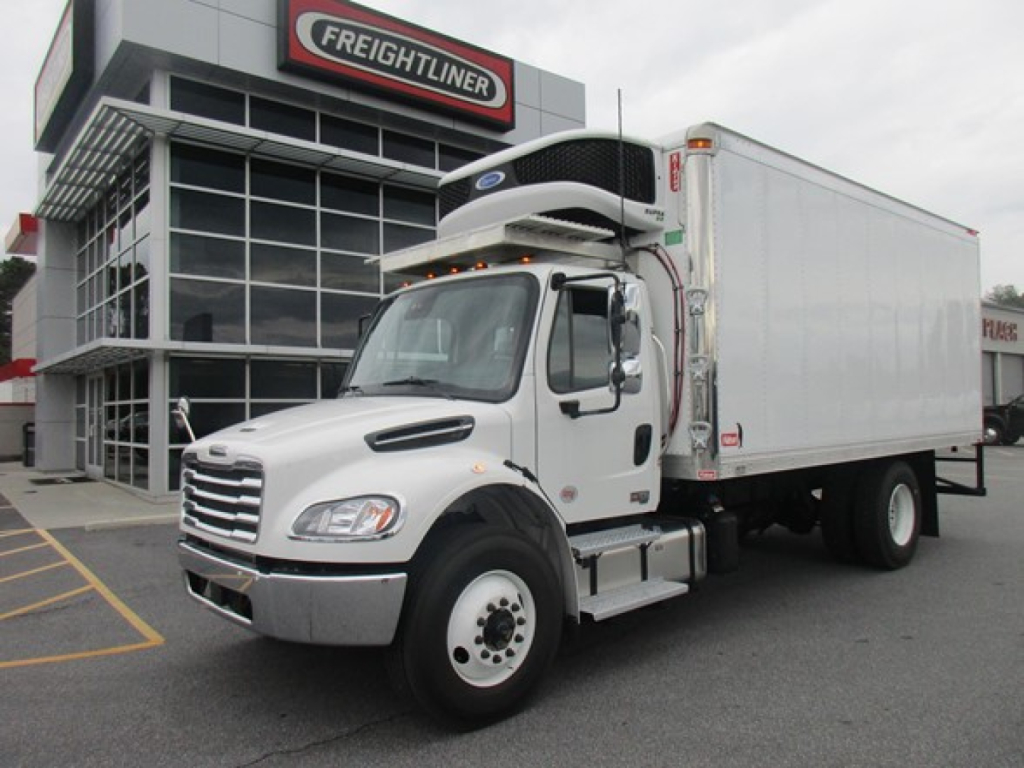
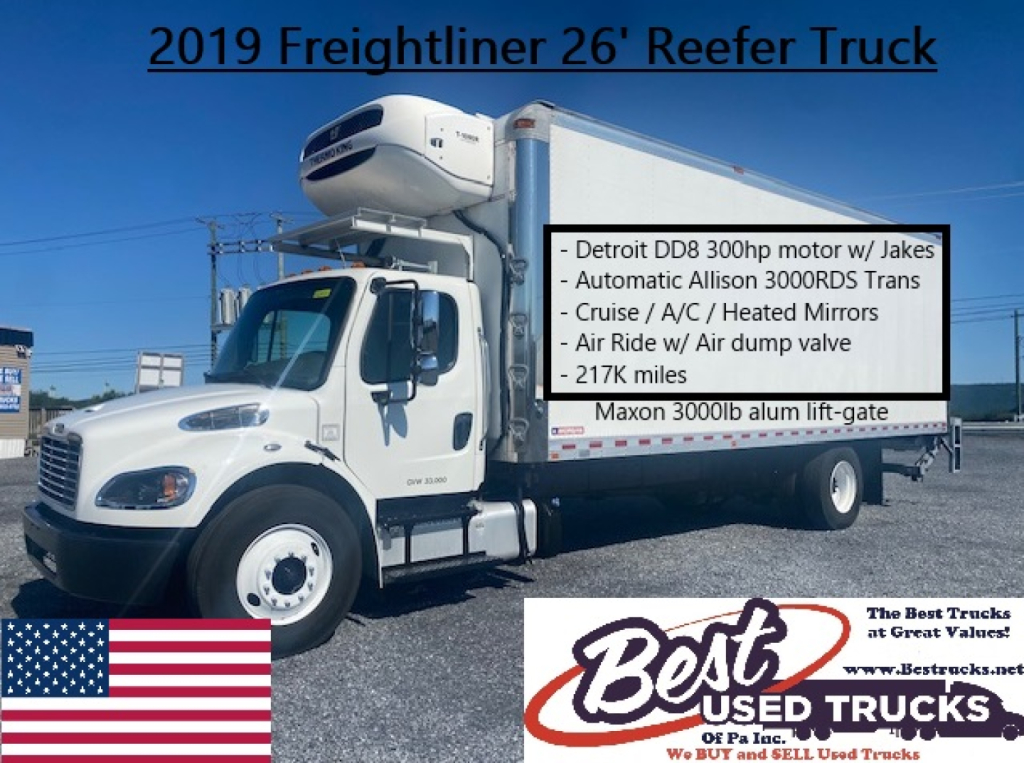
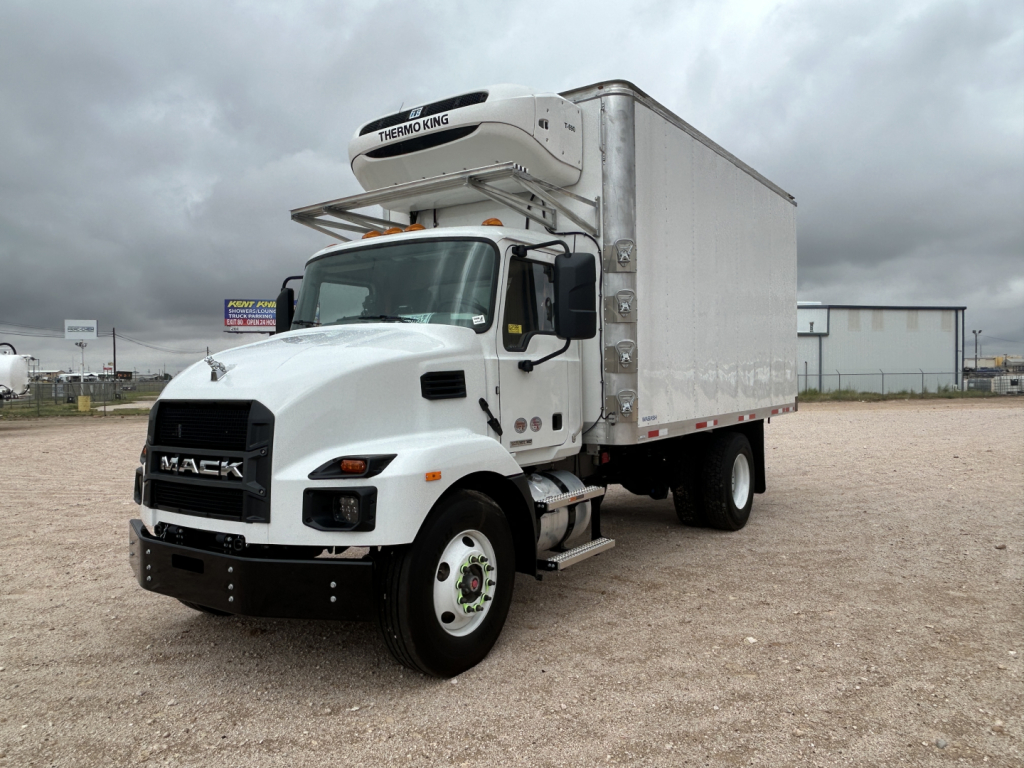
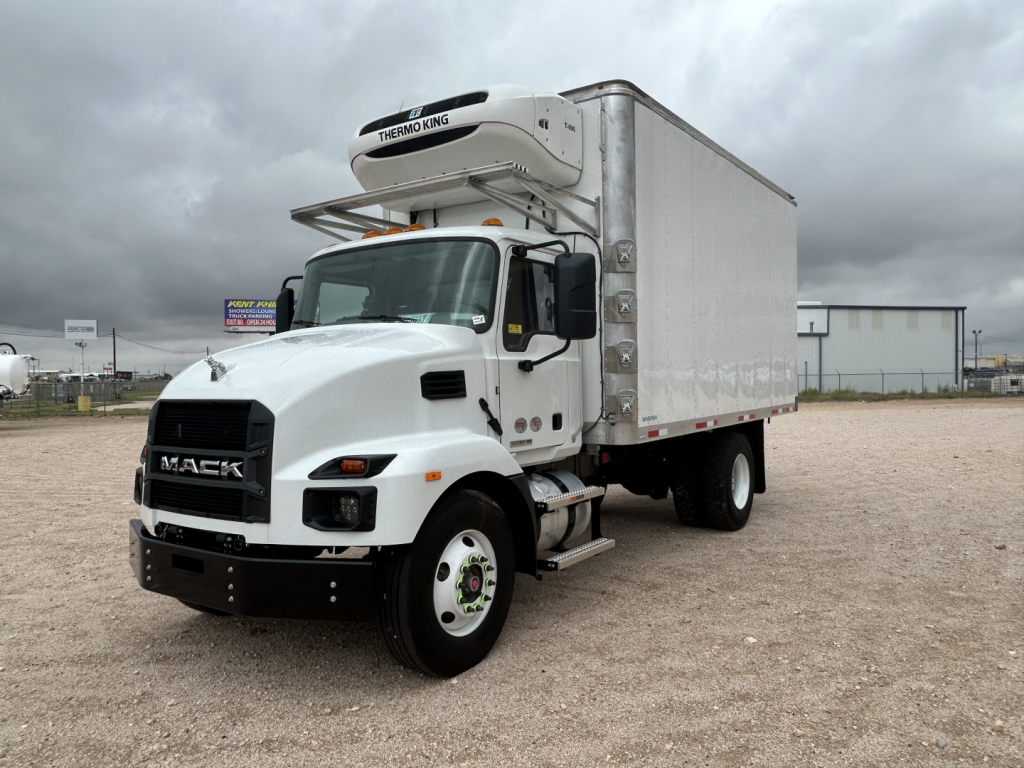
Have refrigerated truck to sell? List it here to reach thousands of buyers.
About Refrigerated Trucks
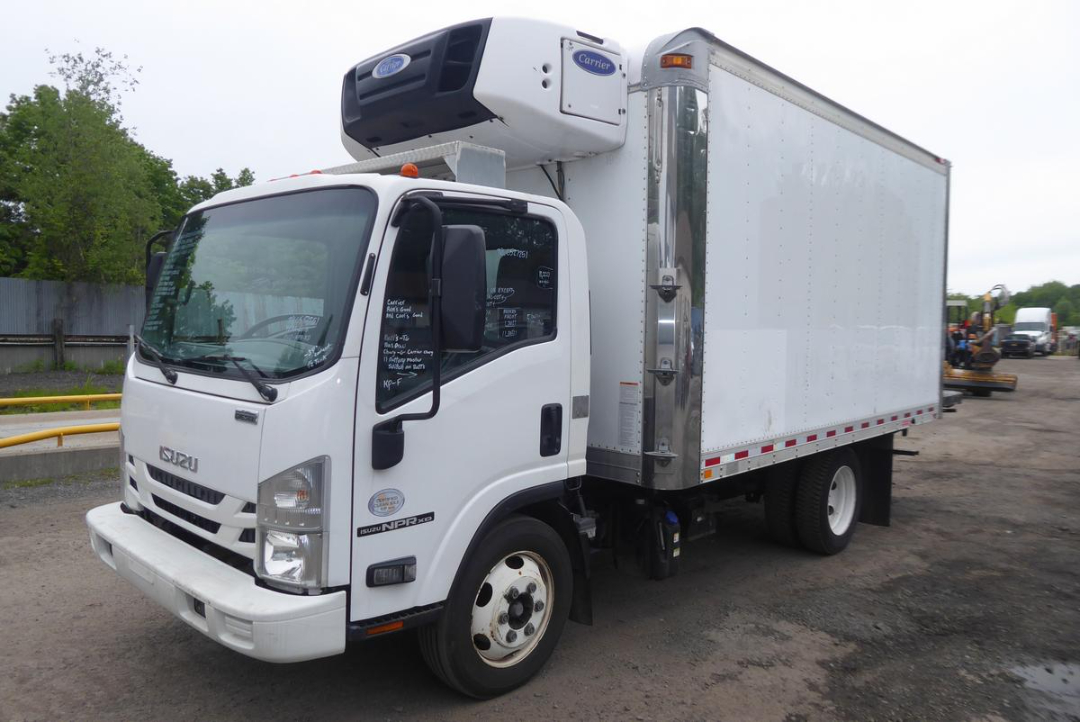
Reefer unit selection is about capacity at temperature and ambient conditions, not just the model name. Look for BTU ratings at common setpoints, pull-down time, and performance with frequent door openings. Single-temp units suit uniform loads; multi-temp spec adds a bulkhead and additional evaporators for frozen and fresh zones on the same truck. Electric standby reduces diesel burn and noise at the dock if your facilities have compatible power. Thermo King T-Series and Carrier Supra units are industry standards, with telematics available for two-way setpoint control, GPS, and FSMA-compliant temperature logging. Prioritize unit hours and service records as much as truck miles, noting compressor work, belts, alternators, and evaporator cleanings.
Body construction affects thermal integrity and payload. Foam-in-place insulated panels, 2 to 4 inch wall thickness, sealed corners, and tight door gaskets limit heat gain. Aluminum duct or T-floor designs promote air circulation under pallets; flat floors ease hand-cart deliveries but lose some air flow. Food-grade liners, scuff plates, and E-track help with sanitation and securement. Roll-up doors speed route deliveries but leak more cold and slightly reduce interior height; swing doors seal tighter and are preferred for deep freeze or long-haul. Side doors accelerate multi-stop access but add openings that require a higher-capacity unit. Match the liftgate to your freight: tuck-under tails preserve dock access and range from 2,500 to 5,500 lb capacities; rail gates offer a larger platform for bulk or wheeled loads.
Regional rules and operating profile matter. California CARB TRU regulations govern engine model years and emissions, and carriers must register TRUs in CARB systems, so verify compliance before cross-border operations. Diesel use for truck-mounted units typically ranges from roughly 0.3 to 0.8 gal per hour depending on setpoint and ambient heat; frequent openings increase consumption. Gas, diesel, and an increasing number of battery-electric chassis are available from Freightliner M2 106, International MV, Hino 268/338, Isuzu NPR/NQR/FTR, Ford F-650/F-750, Peterbilt 220/337, and Kenworth T280. For urban night deliveries, electric standby or battery-electric refrigeration reduces noise and emissions. Pre-cooling the box, maintaining door seals, using strip curtains, and keeping accurate temp logs are everyday practices that protect product and lower total cost of ownership.
Frequently Asked Questions
How do I size a refrigerated truck for palletized freight?
Match body length, interior height, and wheelbase to your pallet count and route. A 16 ft body typically handles 6 to 8 single-stacked pallets; 20 ft often fits 8 to 10; 24 to 26 ft can carry 10 to 12 depending on pallet dimensions, interior height, and liftgate intrusion. Verify rear door opening height for tall stacks and watch axle ratings so payload does not exceed GAWR or GVWR.
What should I look for on the refrigeration unit besides brand and model?
Focus on capacity at your target setpoints, pull-down time, and performance with frequent door openings. Check total and engine hours, maintenance records, and condenser and evaporator condition. Confirm defrost strategy, standby capability, and controller features like data logging and telematics. For multi-temp routes, verify bulkheads, additional evaporators, and probe locations are installed and functional.
Do roll-up doors or swing doors hold temperature better?
Swing doors seal tighter and generally retain cold better, which is helpful for deep-freeze or longer-haul applications. Roll-up doors speed stop-to-stop delivery and are common in urban routes but allow more heat infiltration and slightly reduce interior height. If using a roll-up door, consider higher unit capacity, strip curtains, and disciplined loading to manage thermal loss.
Can I use electric standby at docks, and what power is required?
Many truck-mounted reefers offer electric standby to reduce diesel use at docks. Facilities typically provide 208 to 230V, 3-phase power with 30 to 60 amp service, but plug type and amperage vary by unit. Confirm the reefer’s standby specifications, cable length, and receptacle compatibility before relying on this feature in your operation.
How do regulations affect refrigerated trucks operating in California?
California’s CARB TRU rules set emission standards and retirement timelines for transport refrigeration units. Operators must register TRUs and maintain compliance documentation. Before purchasing, confirm reefer engine model year, compliance status, and any needed upgrades. Requirements evolve, so verify current rules and registration steps with CARB resources prior to deployment.