
Pneumatic - Dry Bulk Trailers For Sale
Shop pneumatic dry bulk trailers for cement, sand, lime, flour, and plastic pellets with common specs, capacities, and discharge features.
Learn moreBrowse Pneumatic - Dry Bulk Trailers by Make
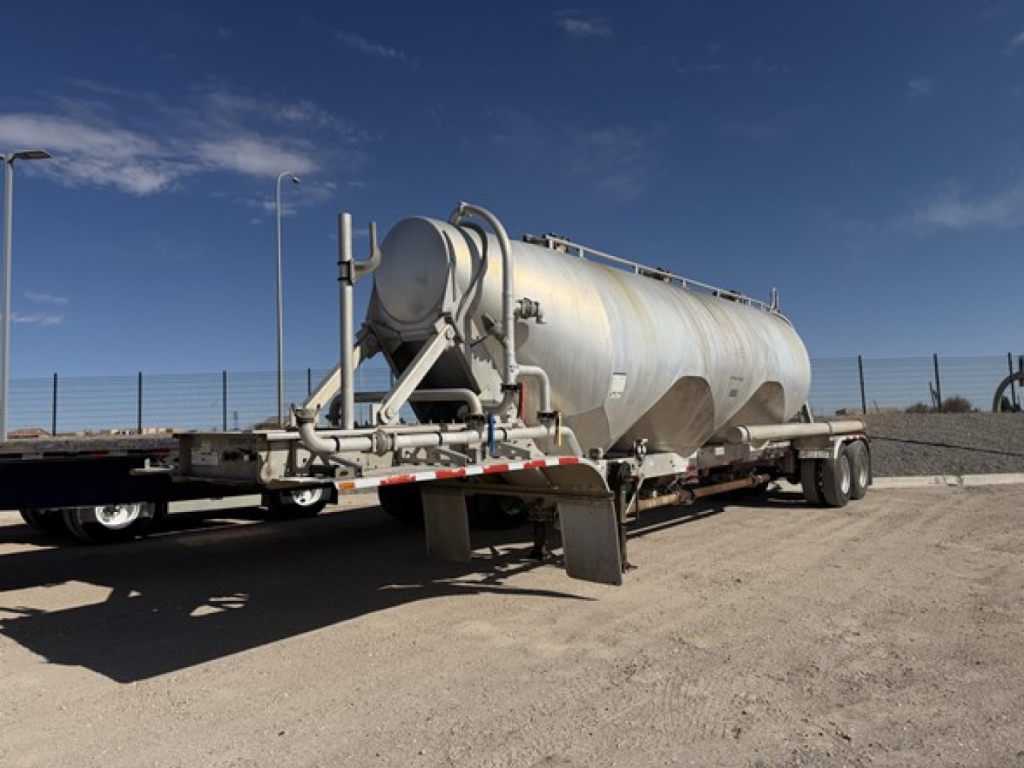
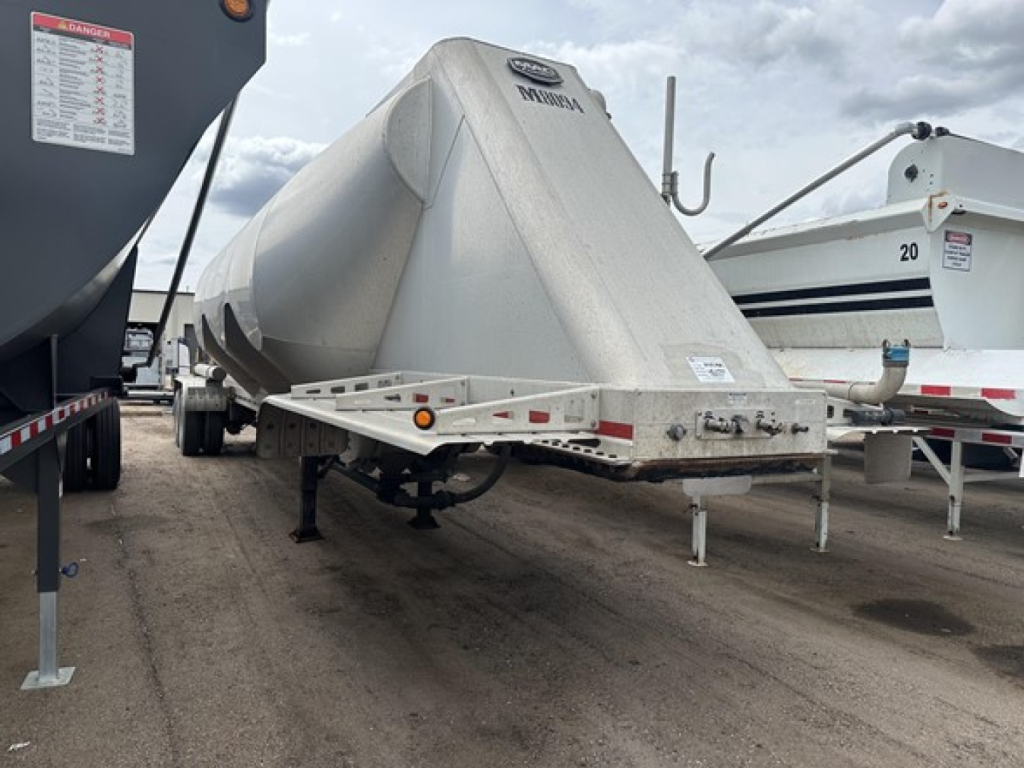
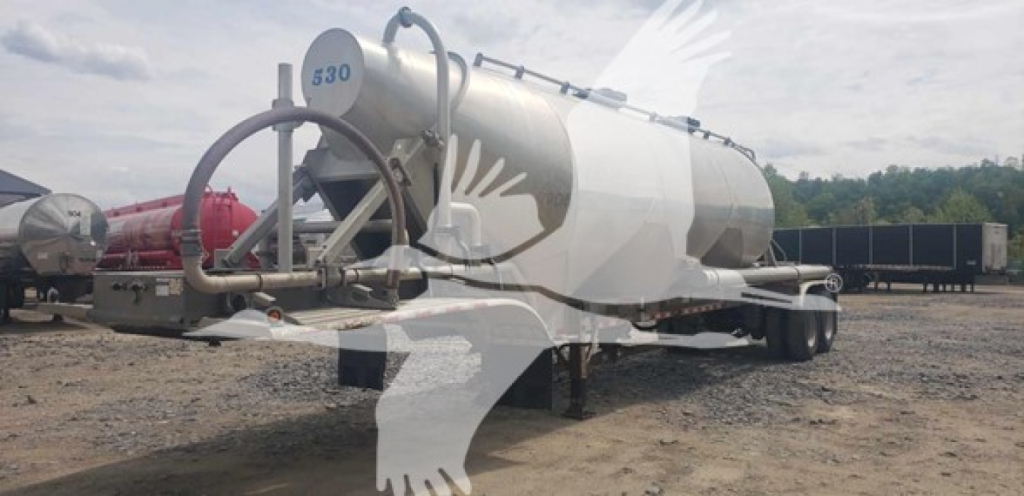
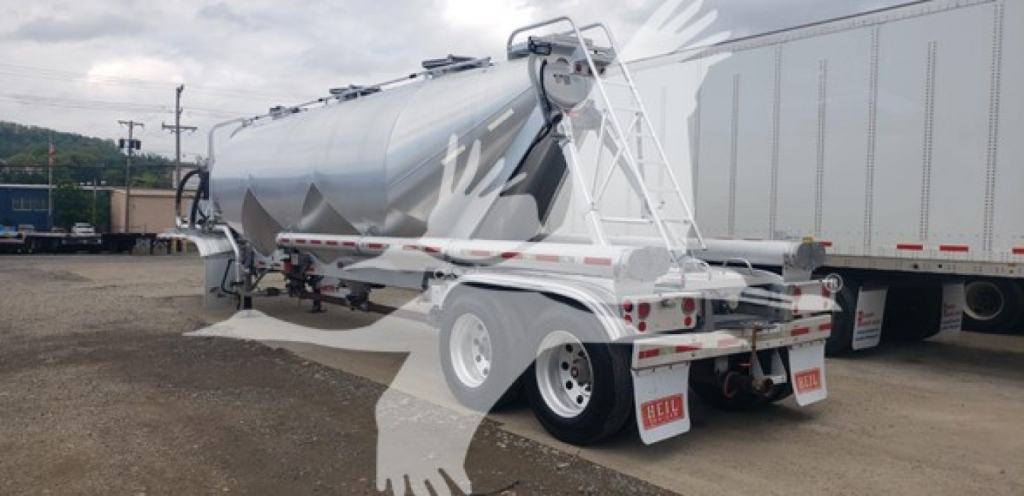
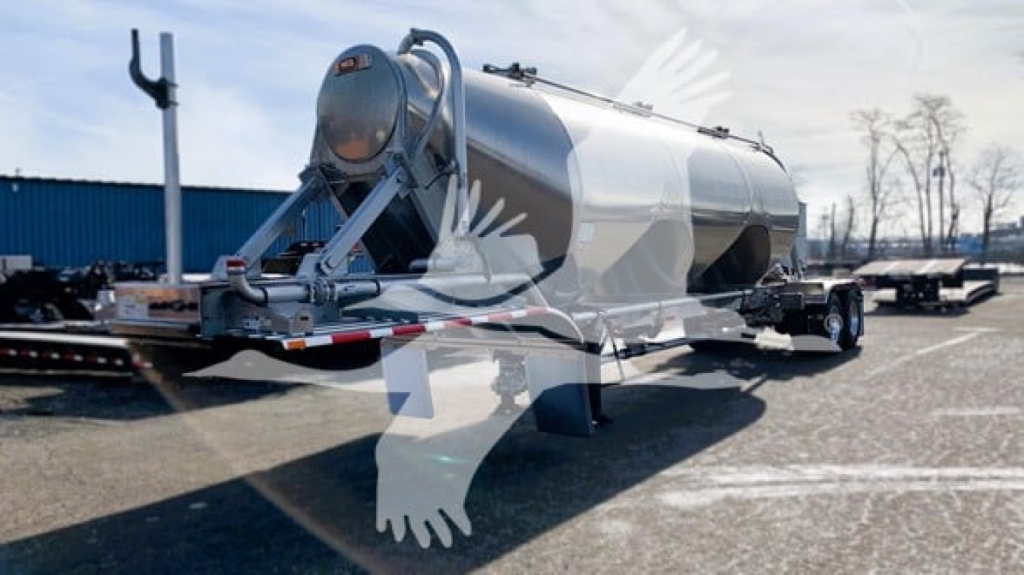
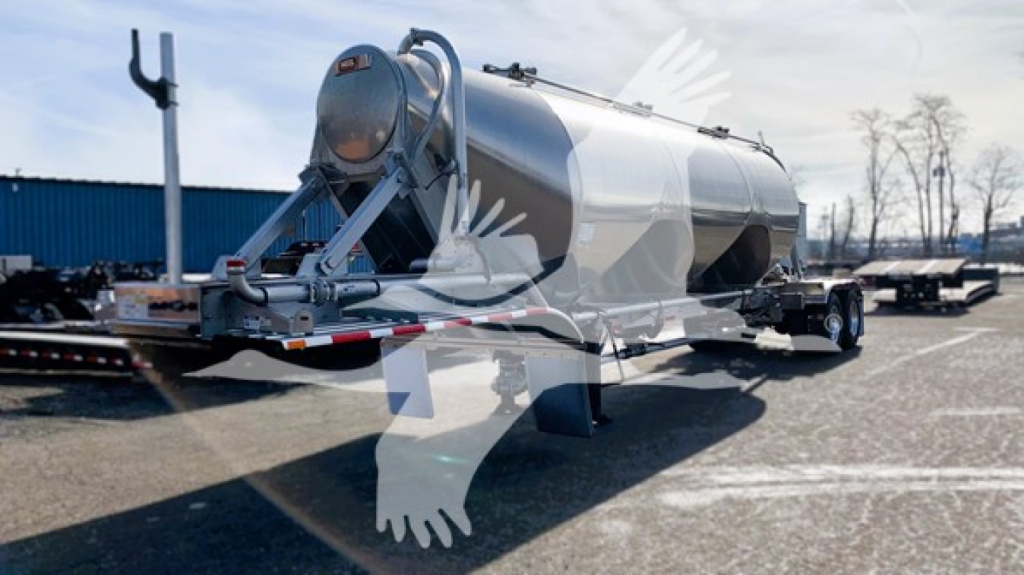
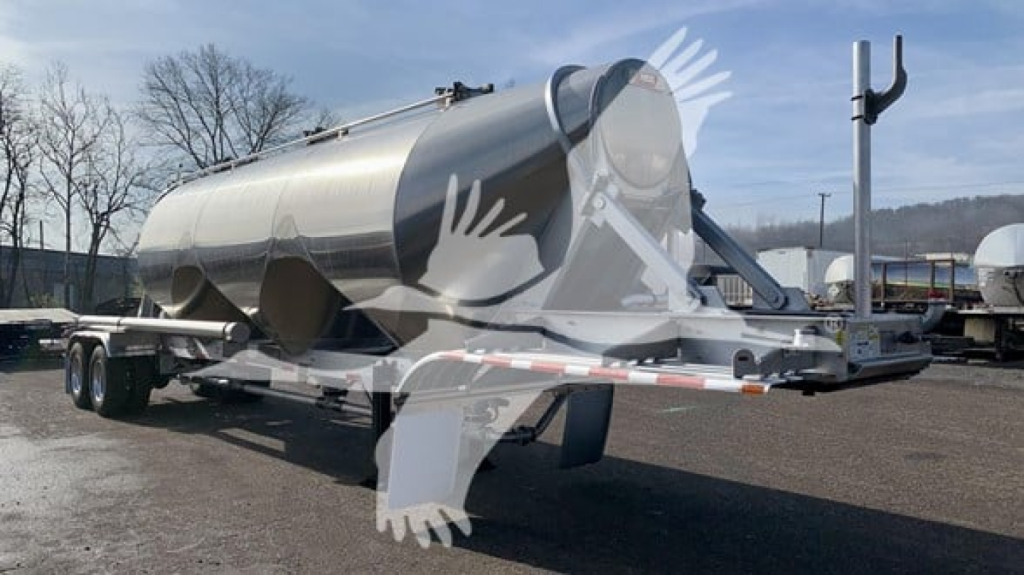
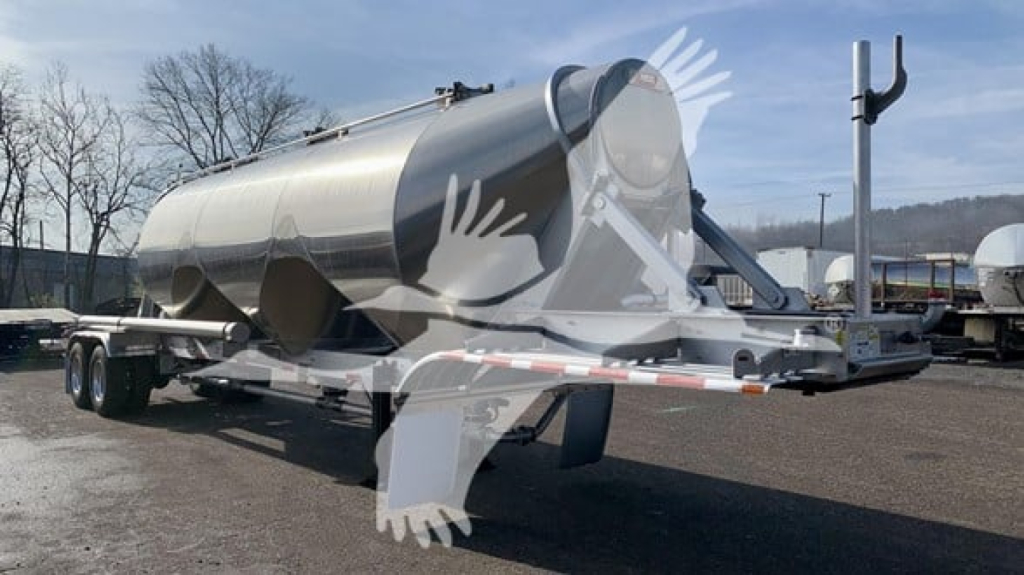
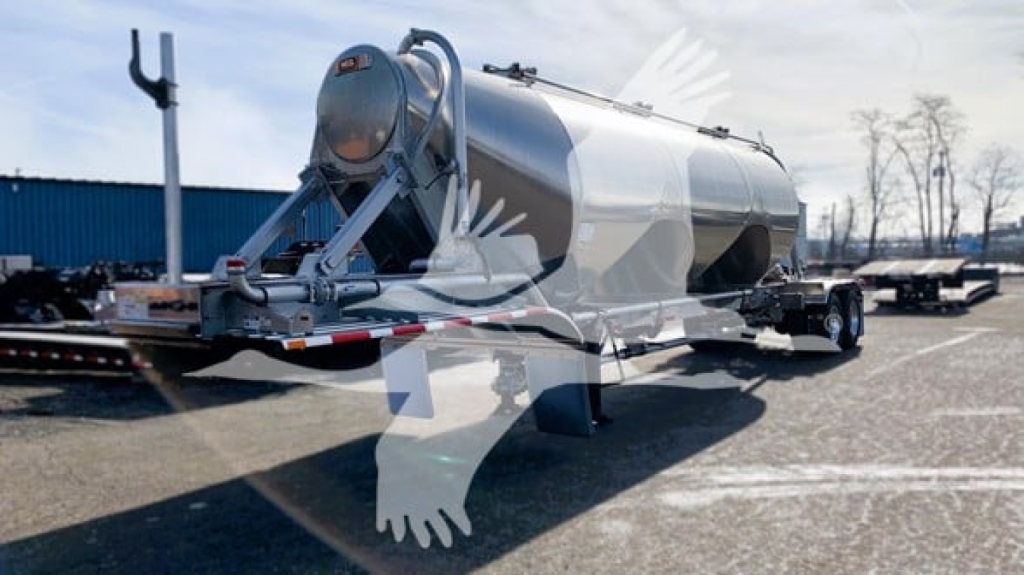
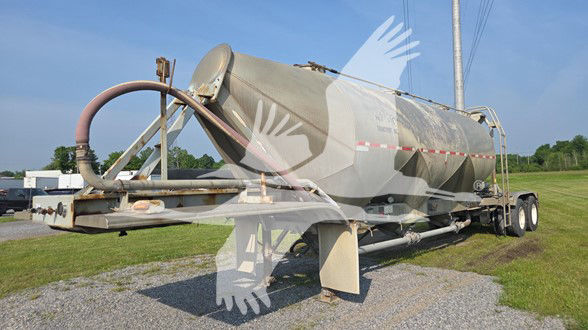
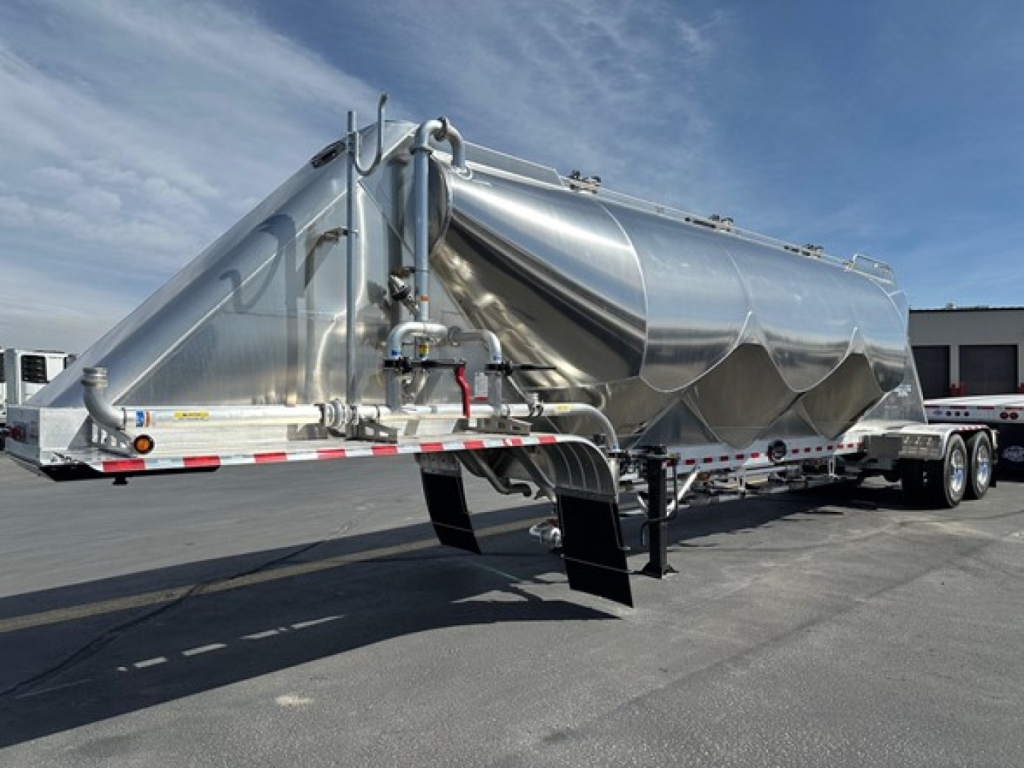
Showing 1 to 12 of 18 results
Have pneumatic - dry bulk trailer to sell? List it here to reach thousands of buyers.
About Pneumatic - Dry Bulk Trailers
Capacity, plumbing, and discharge layout matter more than paint or model year. Common capacities in this class run from roughly 1,000 to 1,600 cubic feet, with 42-foot to 44-foot overall lengths and tandem axle configurations being typical. Three-hopper designs are common because they improve product flow and unload efficiency, especially with fine materials. Look closely at product line diameter, usually 4-inch or 5-inch, along with tee material, butterfly valves, rear discharge layout, and aeration equipment such as Flo Cones or spin-flow systems. A trailer set up with 5-inch lines and strong aeration can unload faster, but the tractor and blower package still need to match the trailer and the commodity.
Construction details affect both payload and service life. Aluminum barrels, end frames, piping, and wheels help keep tare weight down, while mixed-material units may trade some weight savings for lower acquisition cost or different wear characteristics. Suspension is usually air ride on newer units, often with closed tandem or raised axle setups to improve maneuverability and tire life. Adjustable couplers, landing gear spec, hose tube capacity, ladder placement, load gauges, fenders, and roadside control layout all make a real difference in day-to-day use. For abrasive commodities like frac sand or cement, pay attention to tee wear, valve condition, vibrator installation, and any history of barrel or hopper repairs.
For used pneumatic dry bulk trailers, inspection should focus on more than the shell. Check for leaks in the product system, condition of the aeration pads or cones, manhole seals, hopper slopes, suspension wear, brake condition, wheel-end maintenance, and signs of contamination if the trailer previously hauled food grade material. Confirm cubic capacity, empty weight, discharge configuration, and line size against the work you plan to do. The right trailer in this category is the one that unloads cleanly, matches your blower and tractor setup, and is spec'd for the commodity you haul every day.
Frequently Asked Questions
What is a pneumatic dry bulk trailer used for?
A pneumatic dry bulk trailer is used to haul dry commodities that can be loaded and unloaded through a sealed air-pressure system. Common products include cement, lime, fly ash, frac sand, flour, sugar, and plastic resin pellets. These trailers are designed to discharge material through product piping without tipping the trailer, which makes them practical for plants, silos, and job sites with fixed pneumatic receiving systems.
How many cubic feet should a dry bulk trailer have?
The right cubic-foot capacity depends on the commodity's density and the legal payload you want to achieve. Dense products such as cement or sand usually call for smaller cubic-foot trailers, often around 1,040 to 1,050 cubic feet, so the trailer can gross legally before it cubes out. Lighter products such as flour or plastic pellets may use larger bodies in the 1,500 to 1,600 cubic-foot range because the load reaches full volume before reaching weight limits.
What features matter most on a pneumatic trailer?
The most important features are hopper count, aeration design, product line size, tee and valve material, discharge location, and the trailer's tare weight. Three-hopper trailers are common for better flow. A 5-inch discharge system can improve unloading speed when paired with the right blower setup. Buyers should also look at food grade certification if required, suspension type, adjustable coupler settings, hose storage, and whether controls are laid out for safe roadside operation.
What is the difference between a food grade pneumatic trailer and a standard dry bulk trailer?
A food grade pneumatic trailer is built and maintained to haul edible commodities without contamination. It typically has a cleaner interior finish, stricter washout requirements, compatible seals and gaskets, and product-contact components selected for sanitary service. A standard dry bulk trailer may be suitable for industrial materials like cement, lime, or sand but not acceptable for flour, sugar, or other food products unless it was specifically spec'd and maintained for that purpose.
What should I inspect on a used pneumatic dry bulk trailer?
Inspect the entire product handling system, not just the tank shell. Check aeration pads or cones, hopper interiors, valves, tees, discharge piping, manhole gaskets, and evidence of air leaks or poor prior repairs. Review suspension, brakes, tires, wheel ends, and landing gear like any other trailer, but also verify the trailer's capacity, line size, and material compatibility with your commodity. For food grade use, prior haul history and cleaning records are especially important.