
Lufkin Flatbed Trailers For Sale
Browse Lufkin flatbed trailers with specs that matter, including deck length, width, flooring, axle setup, tires, and load-securing features.
Learn more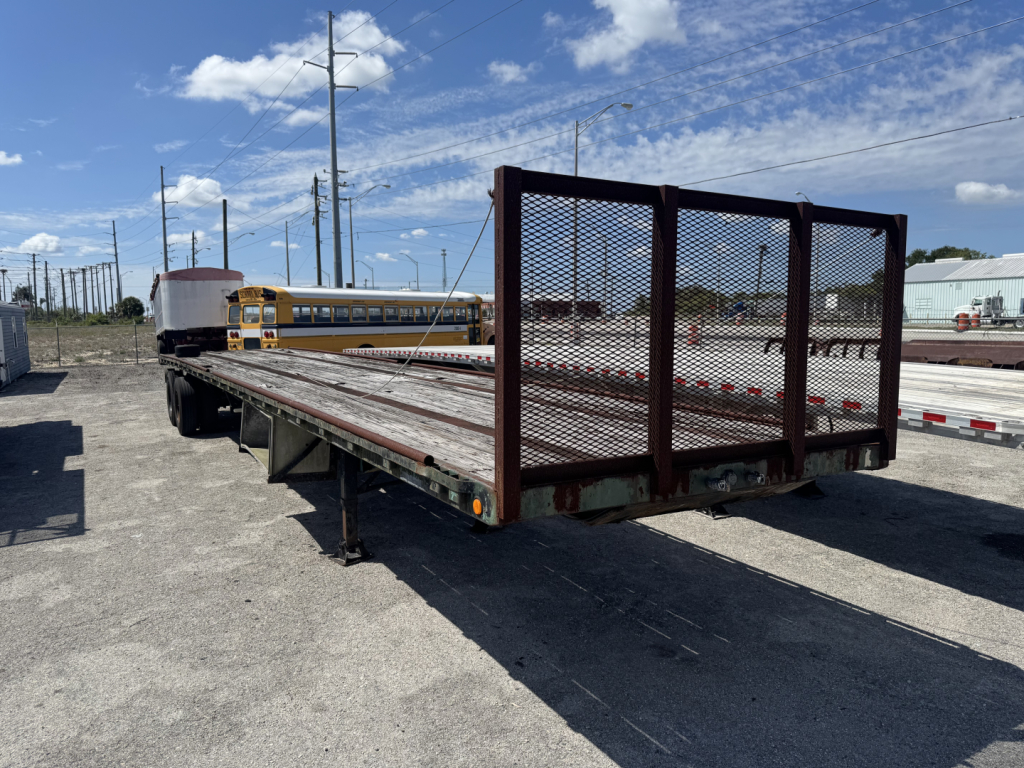
Have lufkin flatbed trailer to sell? List it here to reach thousands of buyers.
About Lufkin Flatbed Trailers
For a used Lufkin flatbed, the important inspection points are the same ones that affect uptime and compliance on any open-deck trailer. Look closely at the main rails, crossmembers, outriggers, landing gear, suspension, brakes, wheel ends, and tire condition. Check for floor rot, cracked welds, rub rail damage, and signs of hard use around stake pockets and tie-down points. Tire size such as 11R22.5 is common on older trailers and should be evaluated along with axle alignment, brake drum or disc condition, and parts availability. On an older flatbed, maintenance history can be just as important as age.
Lufkin trailers are often considered by buyers who want a basic, durable platform without unnecessary complexity. The right setup depends on the freight mix. A standard flatbed works well for loads that can be tarped and strapped from the sides, while buyers hauling dense or irregular freight should pay extra attention to load securement options, deck rating, and overall tare weight. Features like a solid rub rail, usable stake pockets, winch track, chain tie-down points, and a clean kingpin area can make day-to-day loading easier and safer. If the trailer will run in regional building supply, steel service, or farm-related work, practicality and repairability usually matter more than cosmetic appearance.
Older Lufkin flatbeds can still be productive assets when the structure is sound and the trailer matches the job. Buyers comparing listings should look beyond year and price and weigh deck length, floor type, suspension condition, tire spec, axle health, and evidence of past repairs. A well-maintained flatbed with a straight frame, dependable brakes, and usable securement hardware will generally deliver better service than a cheaper trailer that needs immediate shop time.
Frequently Asked Questions
What should I inspect first on a used Lufkin flatbed trailer?
Start with the structure. Inspect the main frame rails, crossmembers, outriggers, and deck for cracks, corrosion, rot, or bent sections. Then move to suspension, axles, brakes, wheel ends, landing gear, and tires. On a flatbed, damage around stake pockets, rub rails, and tie-down areas can reveal how the trailer was loaded and secured over time.
Is a 48-foot by 102-inch Lufkin flatbed a common size?
Yes. A 48-foot by 102-inch flatbed is one of the most common trailer sizes in open-deck freight. It offers a practical balance of payload space, legal width, and compatibility with many building materials, machinery shipments, and general commodity loads. It is a versatile configuration for buyers who need a standard platform for mixed freight.
Are wood floors a good choice on a flatbed trailer?
Wood floors remain common because they are practical, cost-effective, and easier to repair than some alternative deck materials. They also provide decent friction for many load types. The key is condition. Buyers should check for soft spots, broken boards, fastener issues, moisture damage, and any signs that the floor no longer supports cargo evenly across the deck.
What kind of freight is a Lufkin flatbed trailer best suited for?
A flatbed trailer is best suited for freight that can be loaded from the side, top, or rear and secured in the open. Common examples include lumber, steel, pipe, equipment, construction materials, palletized freight, and some agricultural products. The trailer must have the right securement hardware for the cargo, and the operator must be prepared to tarp loads when weather protection is required.
Does the age of an older Lufkin flatbed matter more than its condition?
Condition usually matters more. A properly maintained older flatbed can remain serviceable for years if the frame is straight, the running gear is sound, and the deck and securement components are still functional. Age becomes a bigger concern when it reflects neglected maintenance, obsolete parts challenges, or repeated structural repairs that affect reliability and safety.