
Kenworth Conventional Sleeper Trucks For Sale
Browse Kenworth conventional sleeper trucks with specs on T680, T880, and W900L models, sleeper sizes, engines, wheelbases, and driveline setups.
Learn more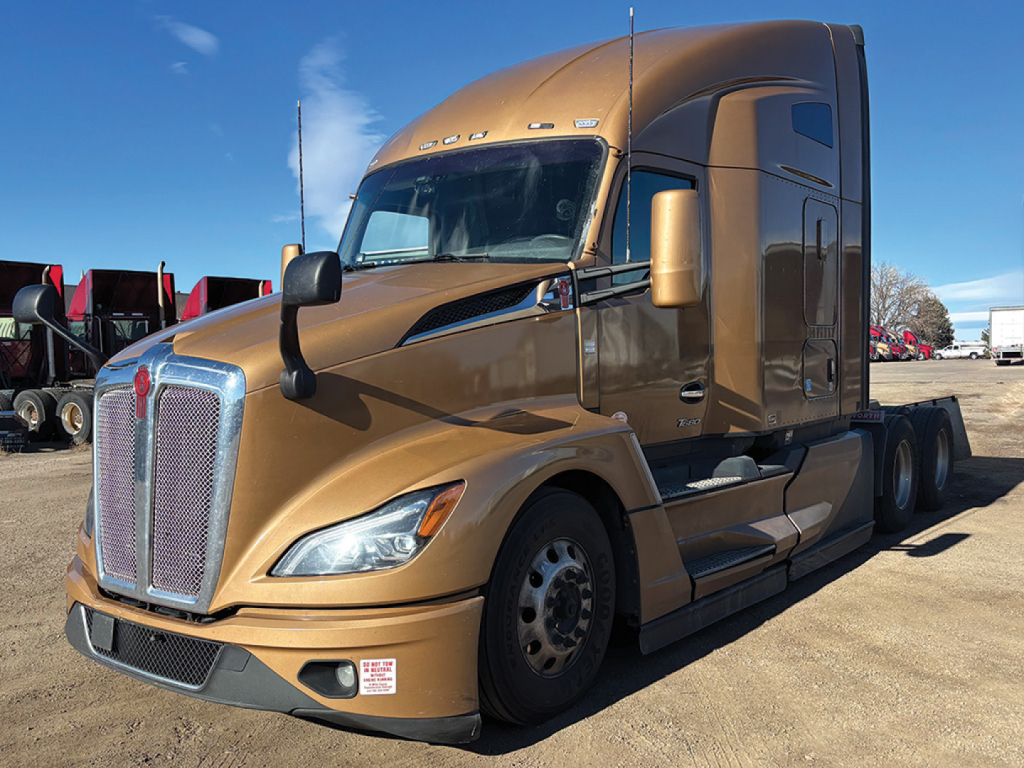
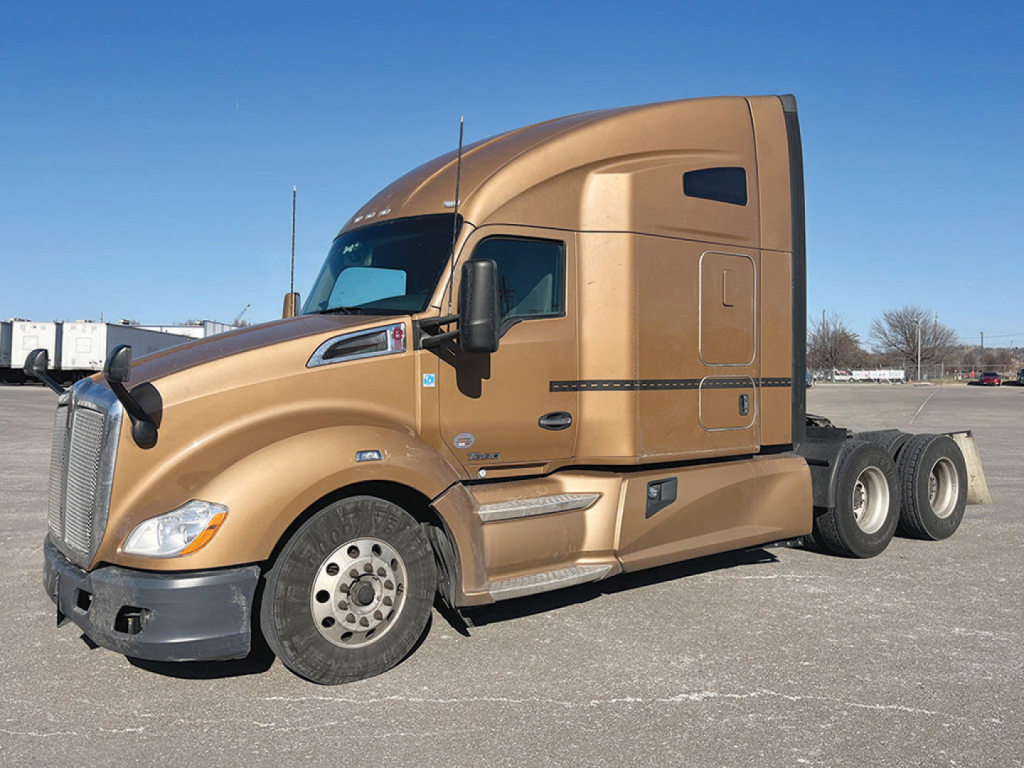
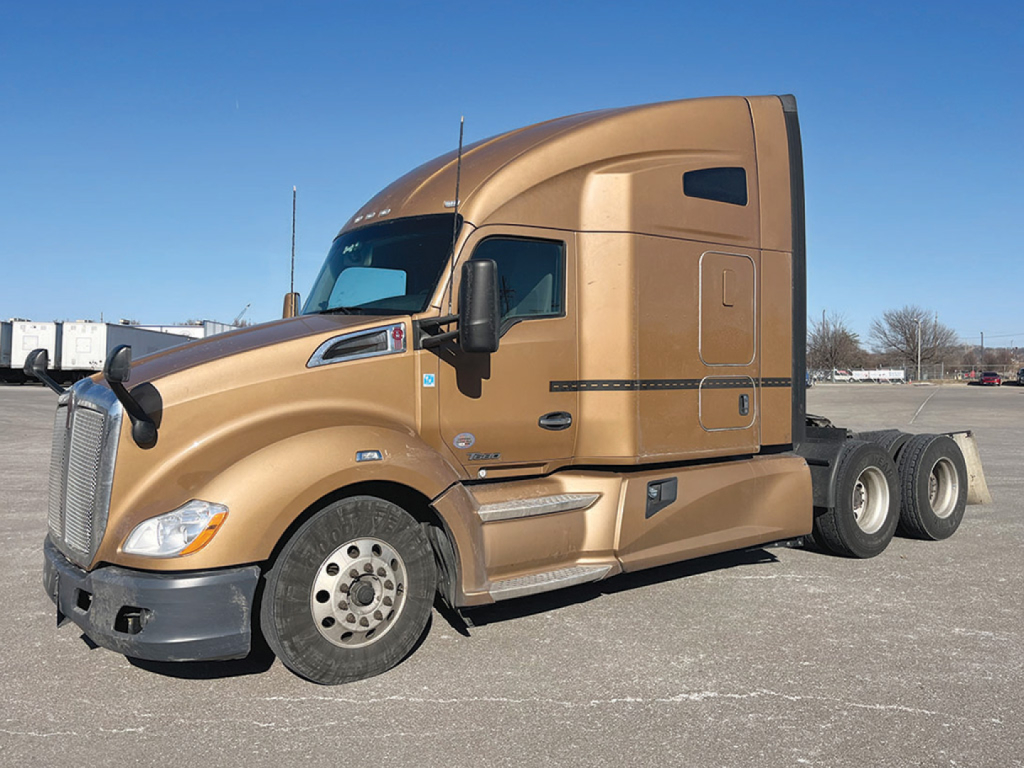
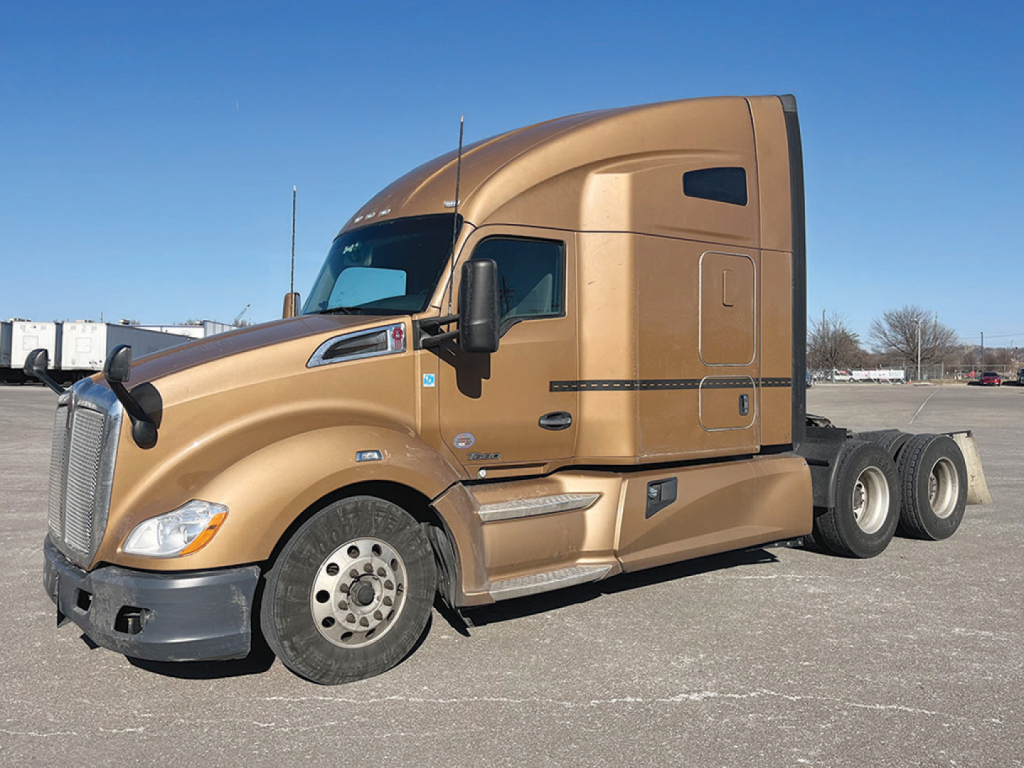
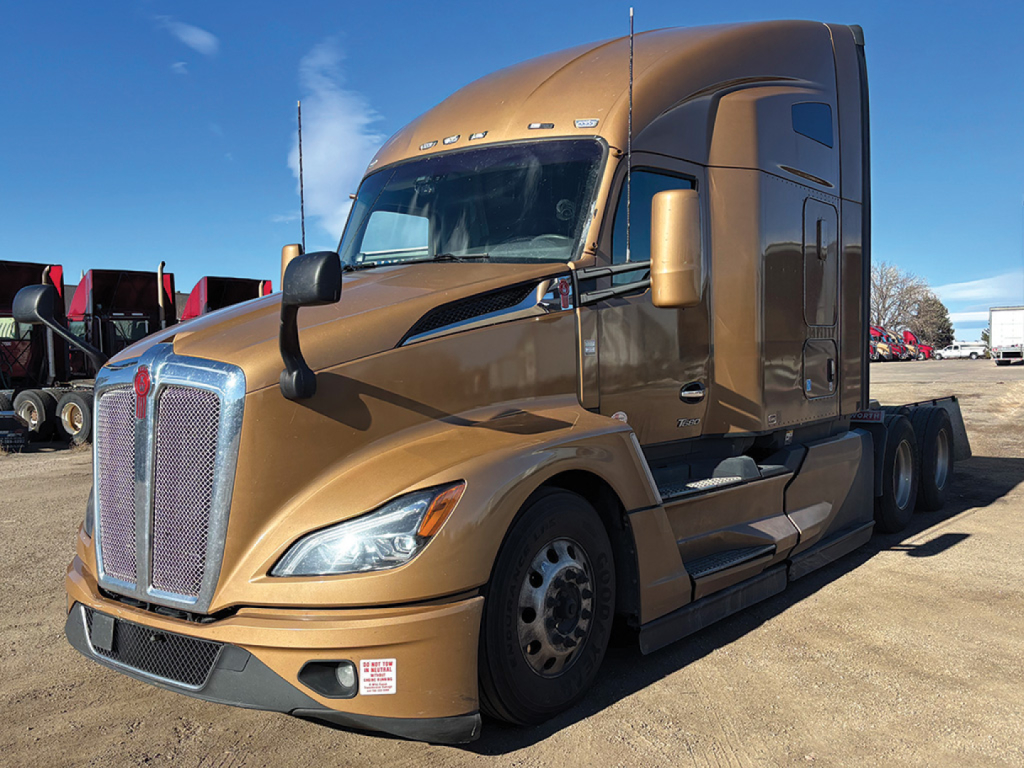
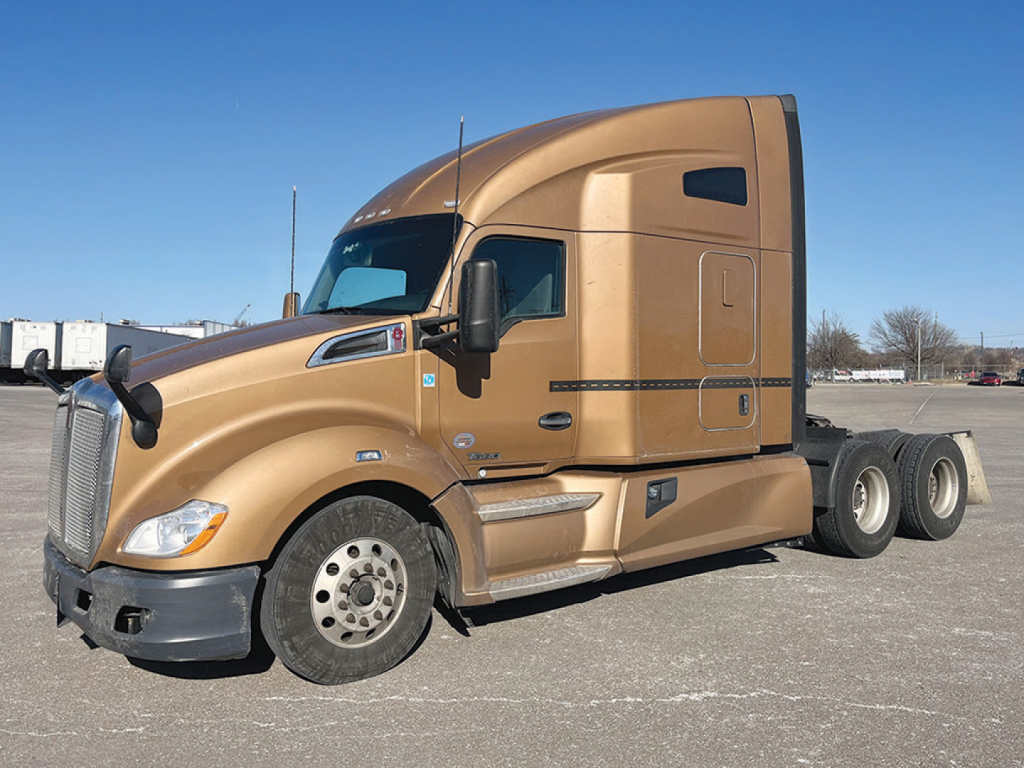
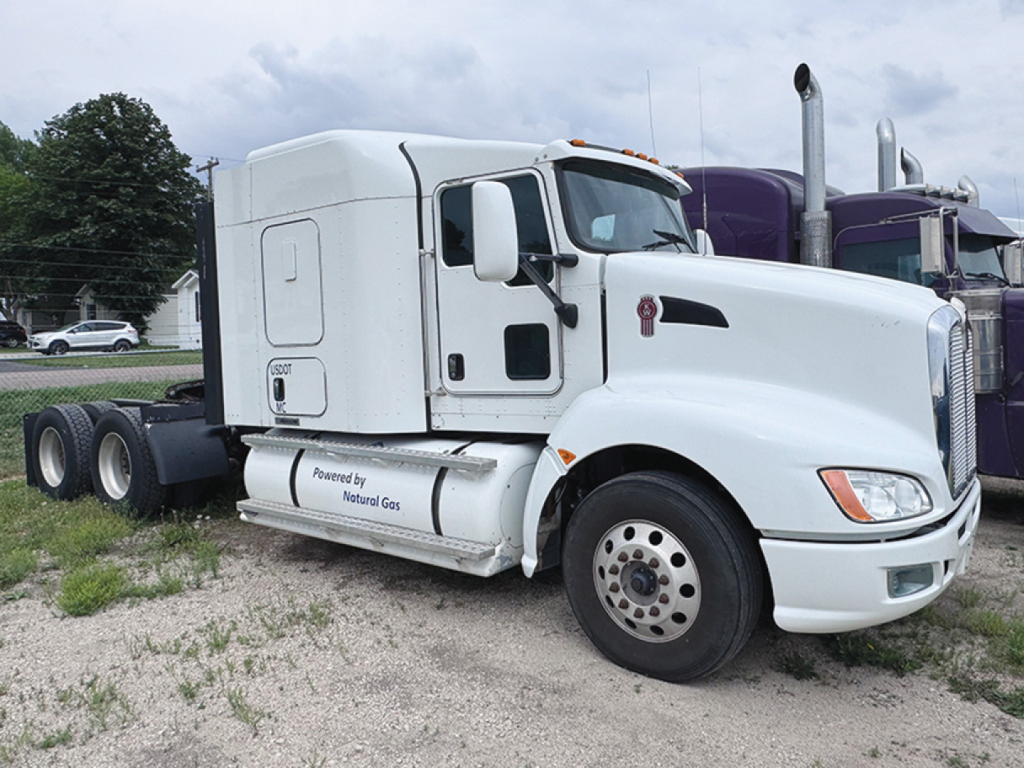

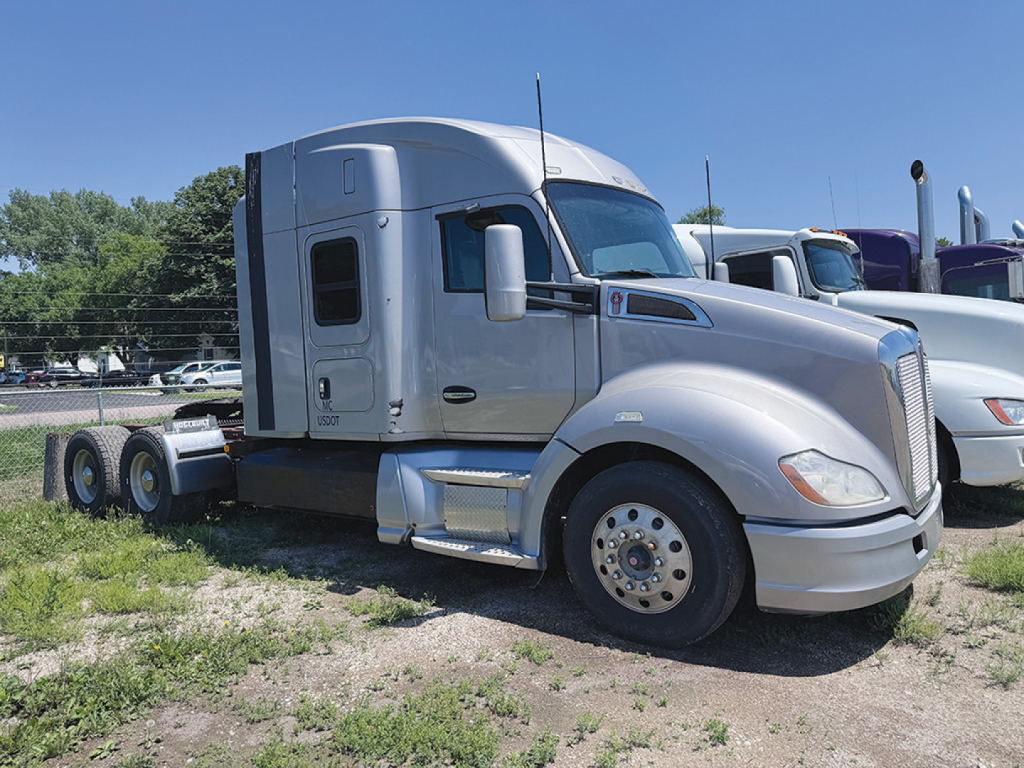
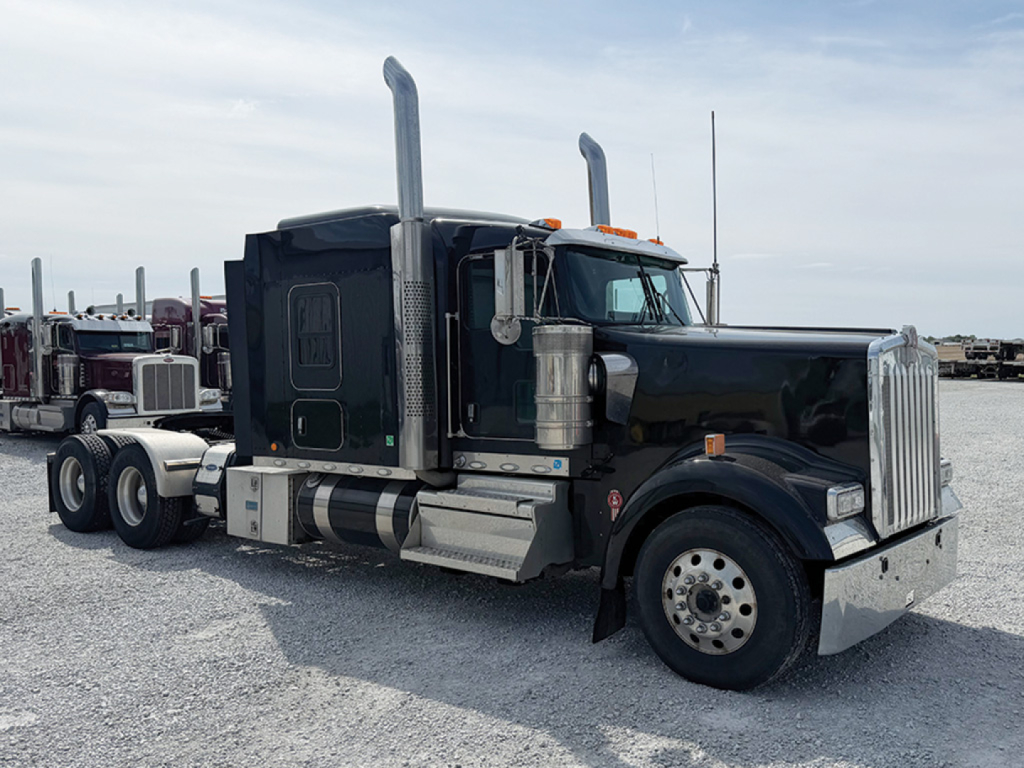
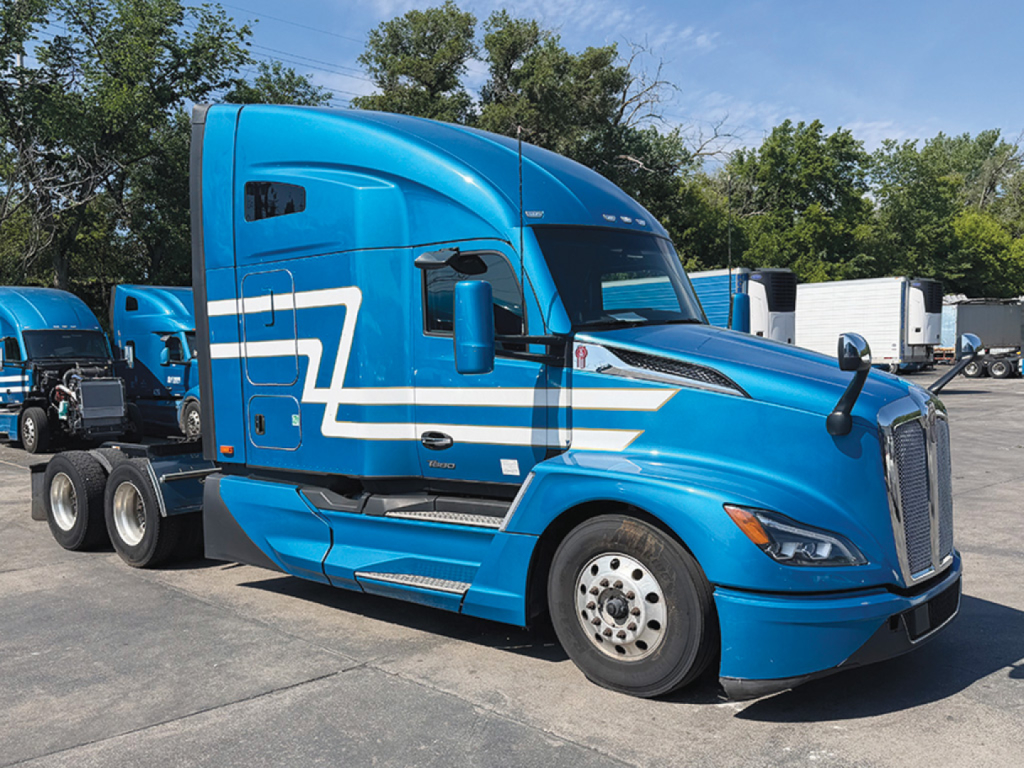
Showing 1 to 12 of 105 results
Have kenworth conventional sleeper truck to sell? List it here to reach thousands of buyers.
About Kenworth Conventional Sleeper Trucks
Common specs in this category include 72-inch to 76-inch sleepers, mid-roof or high-roof configurations, tandem 40,000 lb rears, and 6x4 drivetrains. Popular engine choices are the PACCAR MX-13 and Cummins X15, usually in the 450 to 525 horsepower range. Transmission options vary from automated manuals to 13-speed and 18-speed manual gearboxes, depending on driver preference and duty cycle. Rear axle ratios such as 2.79, 3.25, and 3.36 can materially change how the truck performs. Lower ratios generally favor fuel economy and highway cruise speed, while deeper gearing can better support heavy loads, hill country, or lower-speed regional work. Wheelbase, fifth wheel type, fuel capacity, and suspension package also matter, especially if the truck will be matched to a specific trailer length or freight profile.
Sleeper layout is more than a comfort issue because it affects payload strategy, wheelbase, and resale appeal. A 76-inch high-roof sleeper usually brings more standing room and storage for team operations or long-haul use. Mid-roof sleepers can still offer solid living space with a slightly lower overall profile. Many Kenworth sleepers are equipped with upper bunks, premium interior trims, inverters, refrigerators, and climate control systems, which can make a meaningful difference in driver retention and time on the road. Buyers should also look closely at brake spec, tire setup, and suspension. Disc brakes, super singles, AG400L or other air ride suspensions, and aluminum wheel packages each influence maintenance cost, ride quality, and operating efficiency.
When comparing Kenworth sleeper trucks for sale, it helps to read beyond year and mileage and focus on the complete spec. Engine family, horsepower, transmission model, axle ratings, wheelbase, and sleeper size tell you more about the truck's intended job than appearance alone. Aerodynamic T680 sleepers tend to fit general freight and high-mileage operations well. W900L sleepers are often preferred in specialized, premium, or owner-operator fleets where image and manual transmission availability still matter. T880 sleepers are worth attention for buyers who need a conventional sleeper tractor with a heavier-duty backbone. A well-matched Kenworth sleeper can deliver strong resale, broad parts support, and a driver-friendly cab that holds up in real linehaul service.
Frequently Asked Questions
What is the difference between a Kenworth T680, T880, and W900L sleeper truck?
The T680 is Kenworth’s aerodynamic highway tractor and is usually the best fit for fuel-conscious over-the-road freight. The T880 sleeper is built on a more vocational platform and is often selected for heavier-duty or mixed on-road and jobsite work. The W900L is a traditional long-hood conventional sleeper known for owner-operator appeal, larger presence, and heavy-spec driveline options. The right choice depends on freight type, operating region, axle requirements, and whether fuel economy or traditional heavy-duty spec is the priority.
What engine and horsepower range is common in Kenworth conventional sleeper trucks?
Many Kenworth sleeper trucks in this category are powered by either the PACCAR MX-13 or Cummins X15. A common horsepower range is about 450 to 525 hp, with torque and gearing selected around the load profile. Lower horsepower fleet specs can be very effective in general dry van and reefer service, while higher horsepower setups are more common in heavy haul, mountain operation, or owner-operator configurations where performance matters more than maximum fuel economy.
Is an automated manual or manual transmission better in a Kenworth sleeper truck?
An automated manual transmission is usually the practical choice for fleet and general highway use because it simplifies driver onboarding, supports fuel-efficiency targets, and reduces shift-related wear. A manual transmission still has advantages in certain specialized applications, especially where drivers want direct control in steep terrain, off-road conditions, or heavy-haul service. The better option depends on driver pool, terrain, maintenance practices, and how standardized the fleet needs to be.
What sleeper size should I look for in a Kenworth conventional sleeper?
A 72-inch or 76-inch sleeper is common in this category, with mid-roof and high-roof layouts both widely available. High-roof sleepers generally provide better stand-up room, cabinet space, and long-haul livability, which matters for extended trips or team driving. Mid-roof sleepers can still be very functional while keeping the truck a bit lower and sometimes lighter. The best sleeper size depends on trip length, driver expectations, and how much storage or onboard equipment the operation requires.
Which specs matter most when comparing used Kenworth sleeper trucks?
The most important comparison points are engine model, horsepower, transmission type, rear axle ratio, axle ratings, wheelbase, suspension, and sleeper configuration. Those specs determine how the truck will pull, cruise, turn, and match to your trailer and freight. Brake type, tire setup, fuel tank capacity, and interior equipment also affect total operating cost and driver acceptance. Mileage matters, but the full build spec is what tells you if the truck is actually right for the intended lane and load.