
Kenworth Cab and Chassis Trucks For Sale
Shop Kenworth cab and chassis trucks including medium-duty and heavy-duty platforms built for dump, box, hooklift, tanker, utility, and specialty upfits.
Learn more
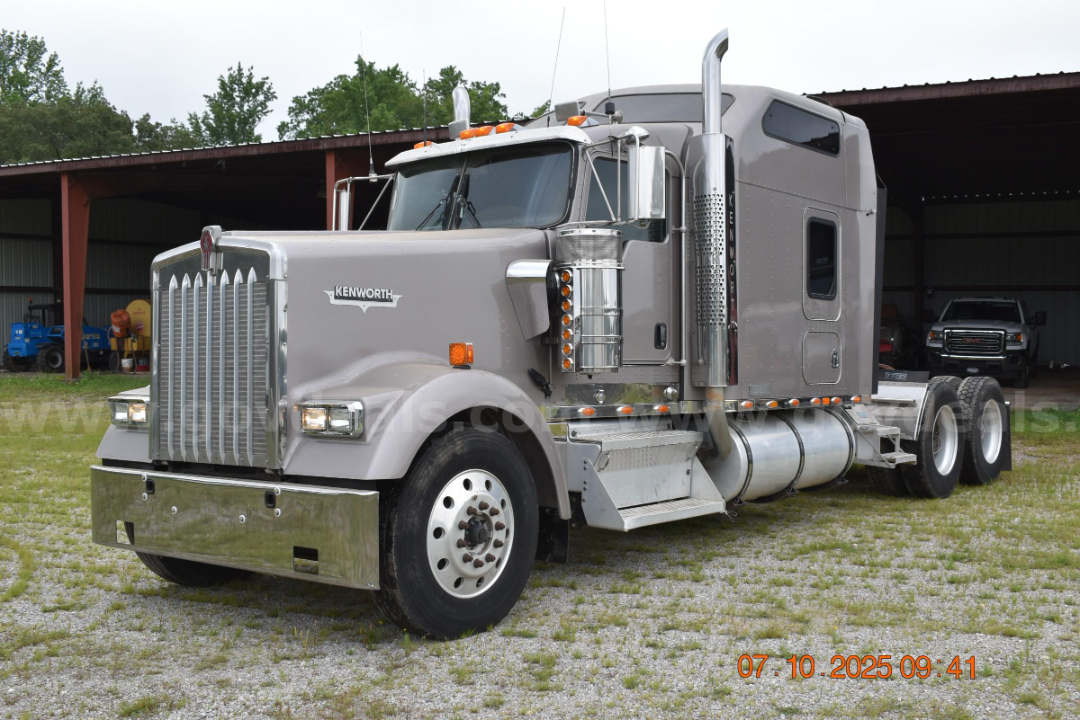
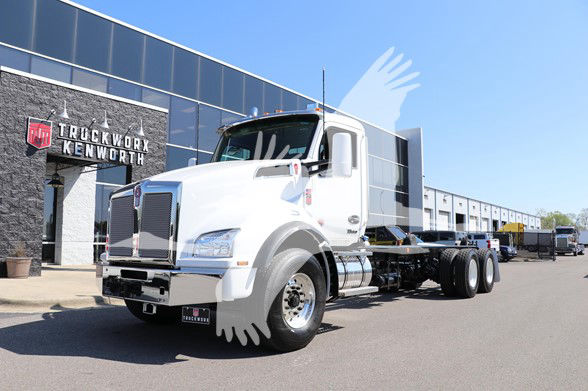
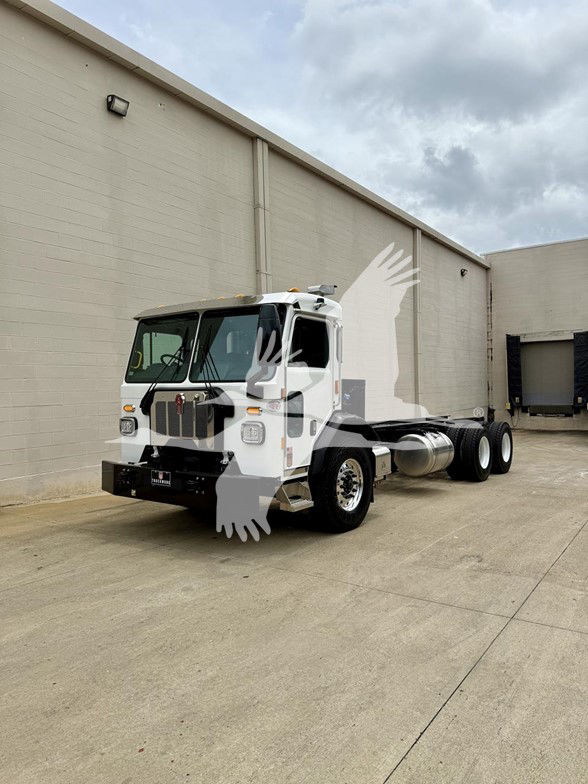
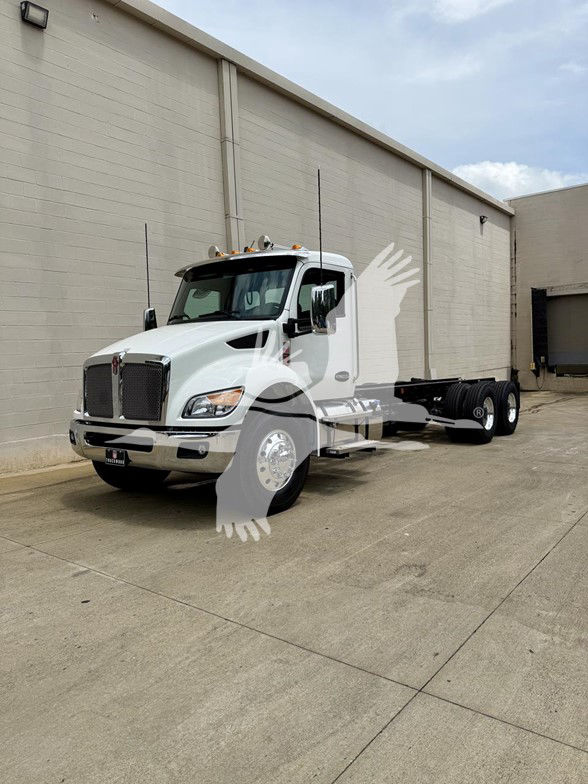
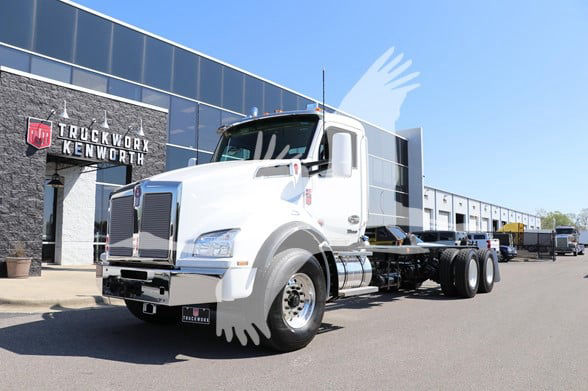
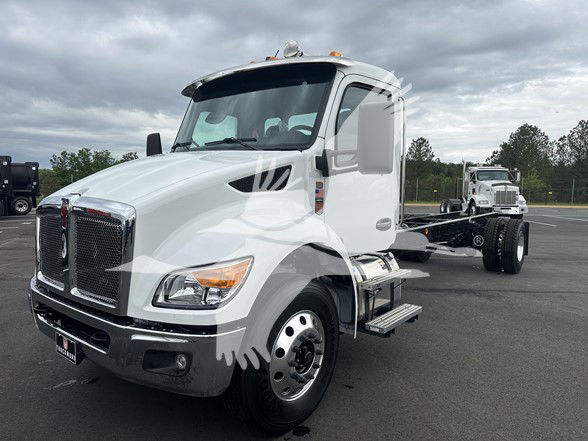
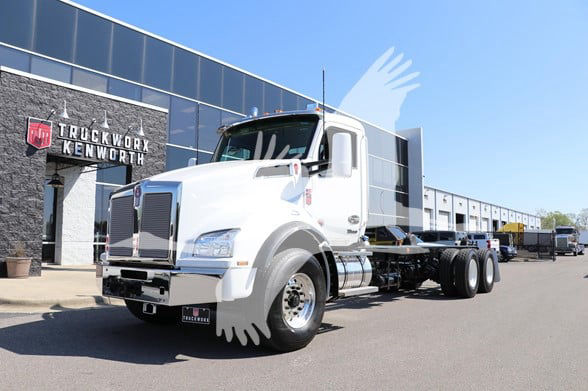
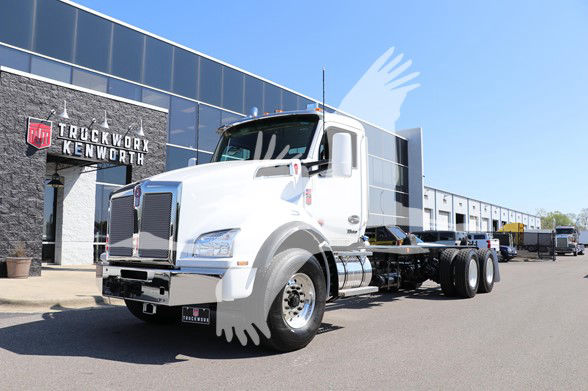
Showing 1 to 12 of 18 results
Have kenworth cab and chassis truck to sell? List it here to reach thousands of buyers.
About Kenworth Cab and Chassis Trucks
Wheelbase, axle configuration, and frame spec are usually the first hard numbers to verify. A medium-duty Kenworth cab and chassis may be set up as a single axle for a 22-foot to 26-foot box, reefer body, or non-CDL application around 26,000 GVWR. A heavier Kenworth chassis can be built as a tandem axle 6x4 with a double or reinforced frame, higher rear axle ratios, vocational suspension, and PTO provisions for hydraulic equipment. If the truck will carry a crane, hooklift, tanker, or dump body, check frame rail section, clean back-of-cab clearance, exhaust routing, fuel tank placement, and whether the truck has a transmission PTO or wet kit. Those details affect upfit cost and can save significant fabrication time.
Powertrain choices vary by class, but buyers will commonly see PACCAR PX and MX engines, Cummins medium-duty diesels in some specs, and automatic or automated transmissions depending on application. For urban pickup and delivery, maneuverability, visibility, and turning radius matter as much as horsepower. For vocational work, pay closer attention to torque, rear axle ratio, suspension type, and cooling package. Kenworth is well regarded for driver ergonomics, service access, and configurable chassis layouts, which is why these trucks are often selected for fleets that need standardized upfits across multiple locations. Cab style also matters. Day cabs are typical, but interior trim, seating, switch layouts, and PTO controls can differ enough to matter for route drivers and municipal operators.
Used Kenworth cab and chassis trucks should be evaluated not just on mileage, but on prior body use and frame condition. Look for extra frame holes, corrosion around body mounts, signs of frame modification or extension, PTO wear, and any evidence of overloaded service. On newer chassis, emissions system history, idle hours, and software calibration records are worth reviewing. If you are buying for an immediate upfit, confirm the truck's cab-to-axle and cab-to-trunnion dimensions, GVWR and GAWR ratings, tire size, brake spec, and suspension compatibility before assigning the body builder. A properly matched Kenworth cab and chassis can shorten lead time, improve payload balance, and give you a truck that fits the job instead of forcing the upfit to work around the wrong platform.
Frequently Asked Questions
What is a Kenworth cab and chassis truck used for?
A Kenworth cab and chassis truck is a stripped chassis delivered behind the cab so it can be fitted with a vocational or commercial body. Common applications include box trucks, refrigerated trucks, dump trucks, hooklifts, rollback beds, utility bodies, service trucks, tank trucks, and municipal equipment. The value of this configuration is that the chassis can be matched to the body, payload, and operating environment instead of buying a fixed body truck that may not fit the job.
Which Kenworth models are common in cab and chassis configurations?
In medium-duty service, the Kenworth T280 is a common choice for box, reefer, and local delivery applications, especially where maneuverability and lower GVWR targets matter. In heavier vocational service, the Kenworth T880 is a frequent cab and chassis platform for dump, mixer, equipment, and hydraulic applications. Some buyers also encounter highway-derived chassis platforms that have been prepared for specialty bodies, but true vocational specs usually offer better frame, axle, and PTO flexibility for body installation.
What specs matter most when buying a Kenworth cab and chassis?
The most important specs are GVWR, front and rear axle ratings, wheelbase, cab-to-axle dimension, frame rail strength, axle configuration, and suspension type. Buyers should also confirm engine horsepower and torque, rear axle ratio, transmission type, PTO readiness, fuel tank placement, exhaust routing, and brake configuration. These details determine whether the truck will accept the intended body, carry the required payload legally, and perform correctly in city, regional, or severe-service work.
How do I know if a Kenworth cab and chassis will work for my upfit?
Start with the body manufacturer's dimensional requirements, then match them to the truck's cab-to-axle, wheelbase, frame height, and weight ratings. Check for clear frame space, body-mount compatibility, PTO or hydraulic needs, and any interference from tanks, batteries, DEF components, or exhaust aftertreatment. If the truck will run a dump body, crane, hooklift, or other hydraulic equipment, confirm transmission PTO compatibility and available back-of-cab space before purchase. A truck can have the right engine and still be the wrong chassis for the body.
What should I inspect on a used Kenworth cab and chassis truck?
Pay close attention to frame condition, prior upfit holes, rust around crossmembers and body mounts, suspension wear, axle seals, brake condition, and signs of overloading. Review engine hours, maintenance records, emissions repairs, PTO operation if equipped, and any frame modifications or extensions. Used cab and chassis trucks often live harder lives than standard highway tractors, so body history and vocational use are just as important as odometer mileage.