
International Refrigerated Trucks For Sale
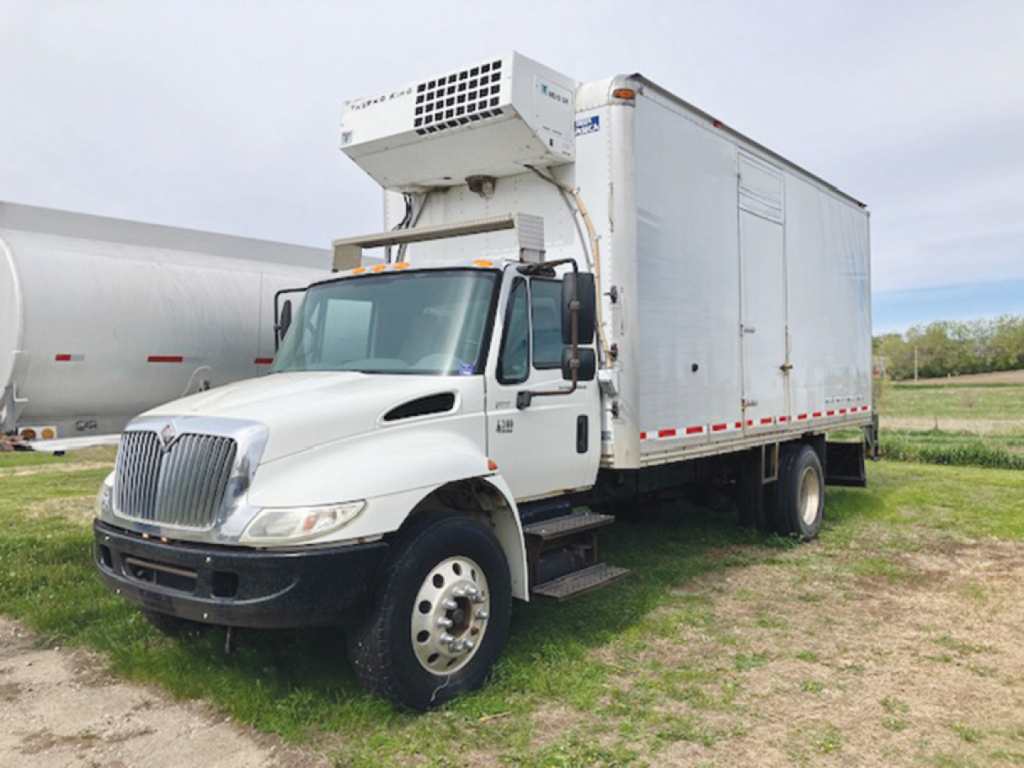
Shop International refrigerated trucks with reefer bodies built for cold-chain delivery, food service, and route work in Class 5-7 applications.
Learn more
Have international refrigerated truck to sell? List it here to reach thousands of buyers.
About International Refrigerated Trucks
The first buying decision is usually chassis size and payload balance. Many International reefer trucks fall into Class 5 through Class 7, with GVWR, wheelbase, and axle ratings matched to body length and product weight. Common box sizes range from about 16 to 26 feet, with 24-foot bodies being especially common in foodservice and municipal fleet use. Buyers should look closely at door opening dimensions, body height, floor type, liftgate capacity, and whether the box includes features such as scuff liners, ducted air delivery, E-track, curbside doors, and bulkheads for multi-temp operation. Reefer body condition matters as much as the truck itself because damaged insulation, poor door seals, or worn floor channels can reduce cooling efficiency and increase operating cost.
On the truck side, International models are known for straightforward service access and broad parts support in medium-duty applications. Engine and transmission combinations vary by year, but many used units are spec'd for stop-and-go vocational use rather than long-haul highway speed. That makes maintenance history especially important. Idle hours on the refrigeration unit, engine cooling system condition, PTO or standby electrical setup, and signs of repeated city-route wear should all be checked carefully. If the truck will be used for frozen product, not just chilled loads, confirm the reefer unit can pull down to the temperature range required under full load and maintain it through frequent door openings.
A good International refrigerated truck is one that matches route density, product temperature, and loading method. Tight urban work may favor a shorter wheelbase and roll-up rear door, while higher cube grocery or commissary delivery may call for a longer body, side access, and a heavier liftgate. Buyers comparing used reefer trucks should verify reefer unit brand, service records, hours, evaporator condition, and insulation integrity before focusing only on cab mileage. In this equipment class, the body and refrigeration package often determine long-term value just as much as the International chassis underneath.
Frequently Asked Questions
What are International refrigerated trucks commonly used for?
International refrigerated trucks are commonly used for foodservice delivery, grocery distribution, produce hauling, dairy routes, floral transport, and pharmaceutical or medical supply delivery. Most are medium-duty reefer trucks designed for local and regional work with frequent stops, dock loading, and strict temperature control. Their box bodies and refrigeration units are built to maintain chilled or frozen cargo conditions while operating in urban and suburban delivery environments.
What should I inspect first on a used International reefer truck?
Start with the refrigeration system and insulated body before looking only at engine miles. Check reefer hours, startup behavior, pull-down performance, evaporator condition, condenser cleanliness, and maintenance records. Then inspect the box for soft spots, damaged insulation, poor door seals, floor wear, water intrusion, and wall damage behind scuff liners. A solid International chassis is important, but expensive problems on the reefer unit or body can change the real value of the truck quickly.
Which International models are most common in refrigerated truck applications?
The International 4300 and DuraStar platforms are among the most common in refrigerated truck applications, especially in medium-duty fleet service. These models are popular because they can be spec'd with a range of wheelbases, GVWR ratings, and body lengths that fit local and regional cold-chain work. Depending on the build, buyers may also see heavier Class 6 or Class 7 International chassis used with larger reefer bodies and liftgates.
How do I choose the right reefer body size on an International truck?
The right body size depends on product density, stop frequency, dock access, and urban maneuverability. A 16- to 20-foot body may work well for dense city routes and tighter delivery areas, while 22- to 26-foot bodies are common for food distribution, multi-stop grocery work, and higher cube freight. Buyers should match body length to axle ratings, payload needs, and liftgate capacity rather than assuming a larger box is always better.
Can an International refrigerated truck handle frozen as well as chilled cargo?
Many can, but the answer depends on the reefer unit, insulation package, door seals, and route conditions. Frozen applications require stronger pull-down performance and tighter temperature retention than standard chilled delivery. Frequent door openings, warm ambient temperatures, and partial loads all affect performance. Buyers should confirm the truck's refrigeration unit is rated for the required temperature range and that the insulated body is in condition to support frozen product service.