
International Box Trucks For Sale
International box trucks, MV and 4300 series, dry or reefer bodies, strong floors, low tare weight, corrosion protection, and specs matched to payload.
Learn more

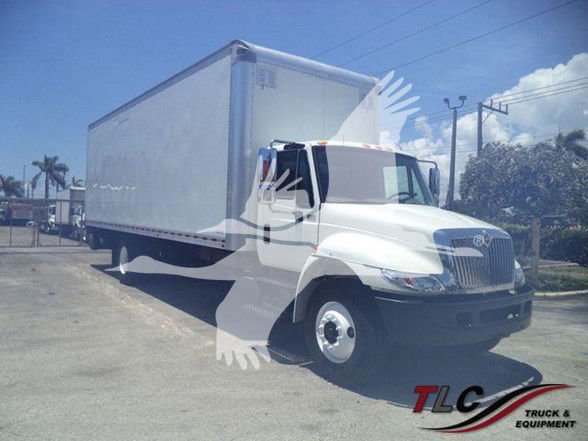
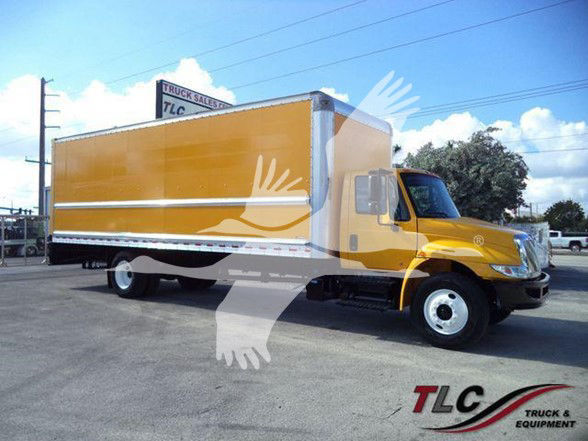
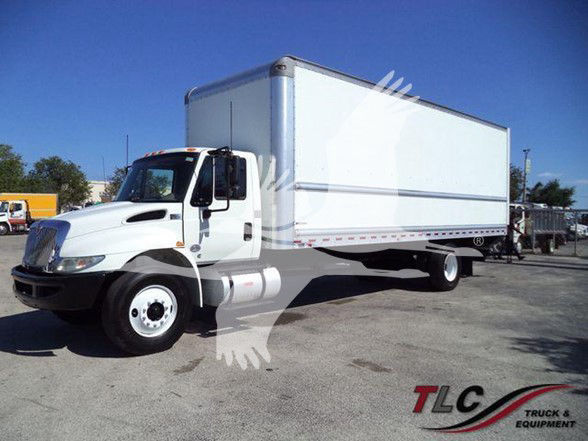
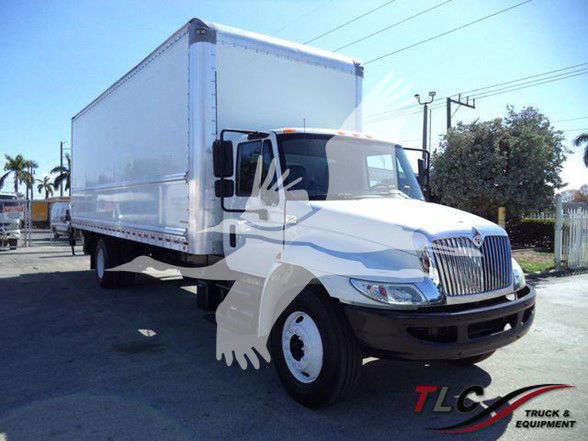
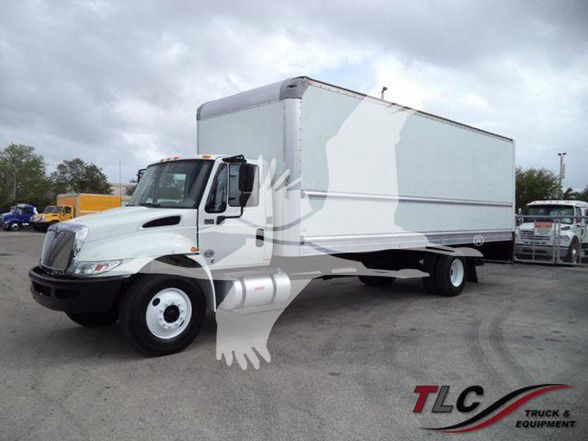
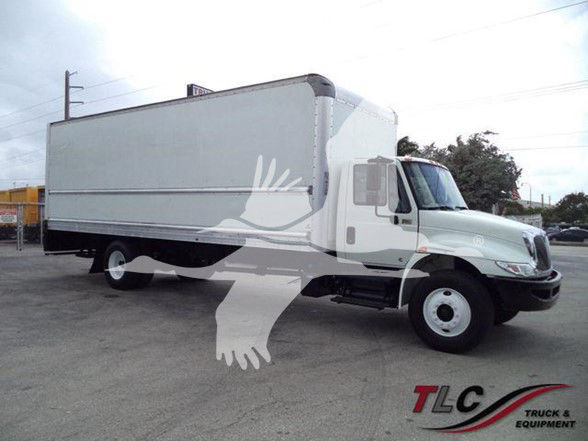
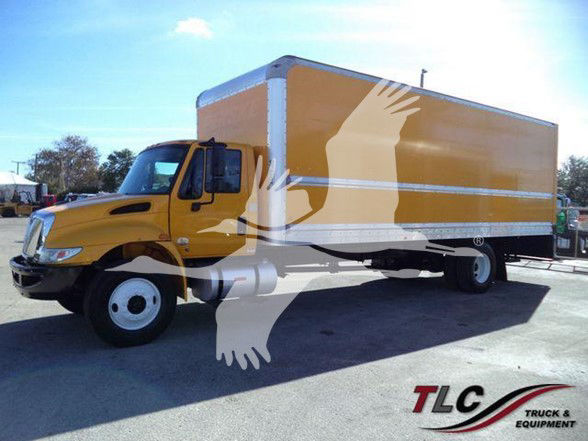
Showing 1 to 12 of 20 results
Have international box truck to sell? List it here to reach thousands of buyers.
About International Box Trucks
Floor strength drives real productivity and repair cost. Look for 1.125 to 1.5 inch laminated hardwood or heavy duty aluminum plank floors with 12 inch crossmember spacing, 8 to 10 inch spacing under high stress zones, and a 10 gauge or thicker rear threshold plate to handle dock plates and fork truck impact. Verify a published forklift entry rating if you load by fork, a 10,000 to 12,000 pound rating at 24 inch load center is a solid target. Scuff protection matters, high density polyethylene or laminated hardwood scuff boards at 12 to 24 inches, or 48 inches for beverage, keep walls straight and resale strong. E track or logistic posts on 24 inch centers secure mixed freight, and an aluminum ramp or a rail, tuck away, or cantilever liftgate in the 2,500 to 4,000 pound range should match freight profile. Roll up doors speed city drops, swing doors maximize aperture height and seal better at the dock.
Thermal integrity is relevant on both dry and refrigerated specs. Dry freight bodies benefit from tight door seals, capped roof seams, and limited light leaks that indicate air gaps, a translucent roof panel saves weight but can add heat load in hot climates. For reefer configurations, foam in place polyurethane insulation with sealed vapor barriers, insulated floors with thermal breaks at the sills, and triple blade door gaskets limit heat gain and ice build. Pair the body with the right refrigeration unit capacity from Carrier or Thermo King, confirm standby if needed, and inspect bulkhead integrity and drain management to control washdown moisture. Smooth side composite panels resist denting and reduce water intrusion, aluminum sheet and post saves weight but needs careful seal maintenance.
Tare weight and corrosion resistance make or break lifecycle cost. Aluminum bodies, composite wall panels, aluminum wheels, a single fuel tank where range allows, and a lighter tuck away gate can remove hundreds of pounds, more payload without pushing axle limits improves tire and brake life. International frame rails with e coat or epoxy undercoating, galvanized or aluminum subframes under the body, stainless hinges and fasteners, sealed harness connectors, and powder coated liftgate components slow rust in road salt regions. Specify automatic traction control, TPMS, and air ride with a dump valve for smoother docks, and confirm DEF and aftertreatment placement for heat shielding and easy service. A clean spec that protects the floor, keeps the box tight, and limits tare pays back with lower fuel burn, fewer body repairs, and stronger resale.
Frequently Asked Questions
Which International model is best for a 26 foot box truck application?
For a 26 foot box with dock work and mixed urban highway routes, the International MV or legacy DuraStar 4300 at 25,999 to 33,000 GVWR is a strong fit. The Cummins B6.7 with 250 to 300 horsepower and an Allison 2500 or 3000 automatic provides reliable torque for frequent stops, and air brakes with air ride improve control at docks. Match wheelbase to body plus liftgate length to keep turning radius reasonable and verify rear axle and tire ratings to carry full cube loads without exceeding GAWR.
What floor specifications should I look for if a forklift loads the box?
Choose a laminated hardwood floor at 1.25 inches or thicker, or aluminum plank with anti slip, with crossmember spacing at 12 inches, tightened to 8 or 10 inches in the rear 4 to 6 feet. Add a heavy rear threshold plate and dock bumpers, and confirm a forklift entry rating, often 10,000 to 12,000 pounds at a 24 inch load center. Reinforced wheel boxes, full length rub rails, and 24 to 48 inch scuff liners protect structure from pallet impact and help the floor hold grade over time.
How do roll up doors compare to swing doors on International box trucks?
Roll up doors speed multi stop delivery and avoid swing clearance issues in traffic, but they reduce opening height slightly and typically do not seal as tightly. Swing doors maximize aperture height, seal better for temperature control, and are simpler to maintain. If thermal integrity or tall freight is critical, swing doors are preferred, if curbside speed is the priority, a roll up with high lift track and upgraded seals can be a good compromise.
How can I reduce tare weight without sacrificing durability?
Use an aluminum or composite body with smooth side panels, choose aluminum wheels, spec a tuck away gate instead of a heavier rail gate if freight allows, and avoid oversizing fuel capacity. Keep crossmembers optimized rather than overbuilt, and use stainless or galvanized components where needed for corrosion resistance. The goal is to remove nonproductive weight while protecting high impact zones like the rear six feet of the floor and the lower walls with scuff liners.
What corrosion protection matters on a box truck that runs in road salt regions?
Look for an e coated or epoxy undercoated chassis, galvanized or aluminum body subframe, sealed body to cab transition, stainless hinges and door hardware, and powder coated liftgate arms and platforms. Sealed electrical connectors with dielectric grease and protected DEF and aftertreatment plumbing reduce winter failures. Regular underbody washing and annual touch up of chips keep coatings intact and extend service life and resale value.