
Hot Shot Trucks For Sale
Shop hot shot trucks including 3500-5500 dually cab-chassis and pickups with gooseneck prep, high GCWR, diesel power and tow features for expedited loads.
Learn more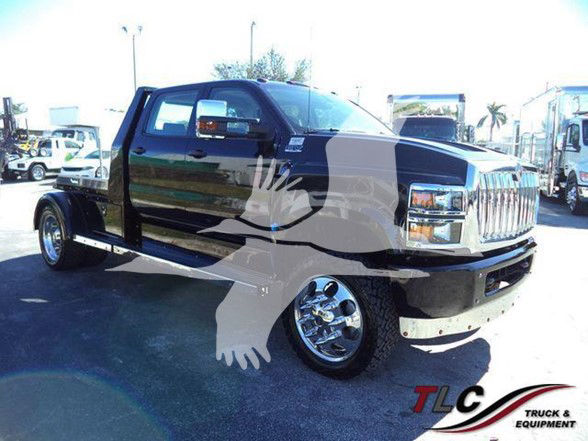
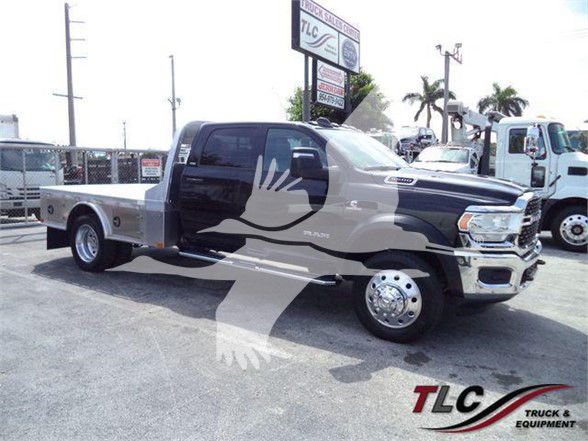
Have hot shot truck to sell? List it here to reach thousands of buyers.
About Hot Shot Trucks
Powertrain and gearing choices drive performance and GCWR. Modern diesels like the Cummins 6.7L, Power Stroke 6.7L and Duramax 6.6L offer the torque and integrated exhaust brakes that keep grades and stop distances in check. Pair them with heavy-duty automatics such as Aisin, Allison or Ford’s 10 speed, and select axle ratios that fit your lanes. A 3.73 works for mixed highway running, while 4.10 or 4.30 helps in mountains or with frequent stop and go. Proper cooling packages, tow or haul modes, integrated trailer brake controllers and larger alternators are worth paying for when you run near max combined weight. Expect combined ratings from the mid 20,000s into the low 40,000 pound range depending on model and spec.
Cab and chassis trucks differ materially from pickups. A straight 34 inch frame, 19.5 inch commercial tires, higher RAWR and PTO options make upfitting a flatbed, stake bed or service body straightforward and durable. Pickups with factory in bed gooseneck or fifth wheel prep are quick to deploy and ride softer but have tapered frames and lower payload ceilings. Look for features that protect uptime and cargo: rear air ride or helper springs to manage squat, scuff liners or rub rails on beds, LED work lighting, auxiliary fuel tanks with proper transfer pumps, headache racks, in bed cameras, and quality hitches rated to match your trailer. Braking compatibility matters. Electric over hydraulic setups require a controller that can drive them correctly.
Operationally, hot shot trucks trade absolute capacity for speed, access and lower operating cost compared to a Class 8 tractor. Shorter wheelbases are easier in tight job sites and cities, while longer wheelbases tend to ride better with heavy pin weight. Four wheel drive improves site access but trims payload slightly. In most states a Class A CDL is required when your GCWR exceeds 26,000 pounds and the trailer is rated over 10,000 GVWR. Matching the truck’s RAWR and payload to your trailer’s pin weight, your region’s terrain and your typical commodity will determine how well the package performs day in and day out.
Frequently Asked Questions
What size truck is best for hot shot hauling?
Most operators choose a Class 3 or 4 dually for stability and payload with gooseneck trailers. A well spec’d 3500 DRW handles many 16K to 20K trailer loads, while 4500 and 5500 cab and chassis models step up to higher RAWR, 19.5 inch rubber and commercial frames for heavier pin weights and tougher duty cycles.
Do I need a CDL to run a hot shot truck?
A Class A CDL is generally required when the truck and trailer’s combined rating exceeds 26,000 pounds and the trailer is rated over 10,000 GVWR. Licensing and compliance vary by jurisdiction, so confirm your GCWR, trailer rating and operating states before you run. Even without a CDL, most commercial operations still require DOT numbers and adherence to hours of service rules.
Should I buy a pickup or a cab and chassis for hot shot work?
Pickups with factory gooseneck prep are quick to deploy, ride comfortably and can be more affordable up front. Cab and chassis units offer a straight 34 inch frame, higher RAWR, 19.5 inch tires and easier upfitting for flatbeds and service bodies. If you need maximum payload and durability for heavy pin weight or daily job site abuse, a cab and chassis usually wins.
Gas or diesel for hot shot trucking?
Diesel engines provide higher torque, better fuel economy under load and integrated exhaust brakes that improve control on grades. They cost more initially and have emissions systems to maintain. Gas engines can work for lighter trailers, shorter routes and lower upfront cost, but fuel consumption rises quickly at high combined weights.
What axle ratio should I look for in a hot shot truck?
Choose the ratio based on terrain, weight and cruise speed. A 3.73 balances highway fuel economy and towing for moderate weights. Ratios like 4.10 or 4.30 improve launch and hill performance with heavy trailers or frequent stop and go. Match the ratio to your engine’s torque curve and target cruise rpm to keep the powertrain in its sweet spot.