
Grapple Trucks For Sale
Grapple trucks for debris and waste, combining knuckleboom loaders, high-strength dump bodies, optimized tare weights, and corrosion-resistant builds.
Learn moreBrowse Grapple Trucks by Make
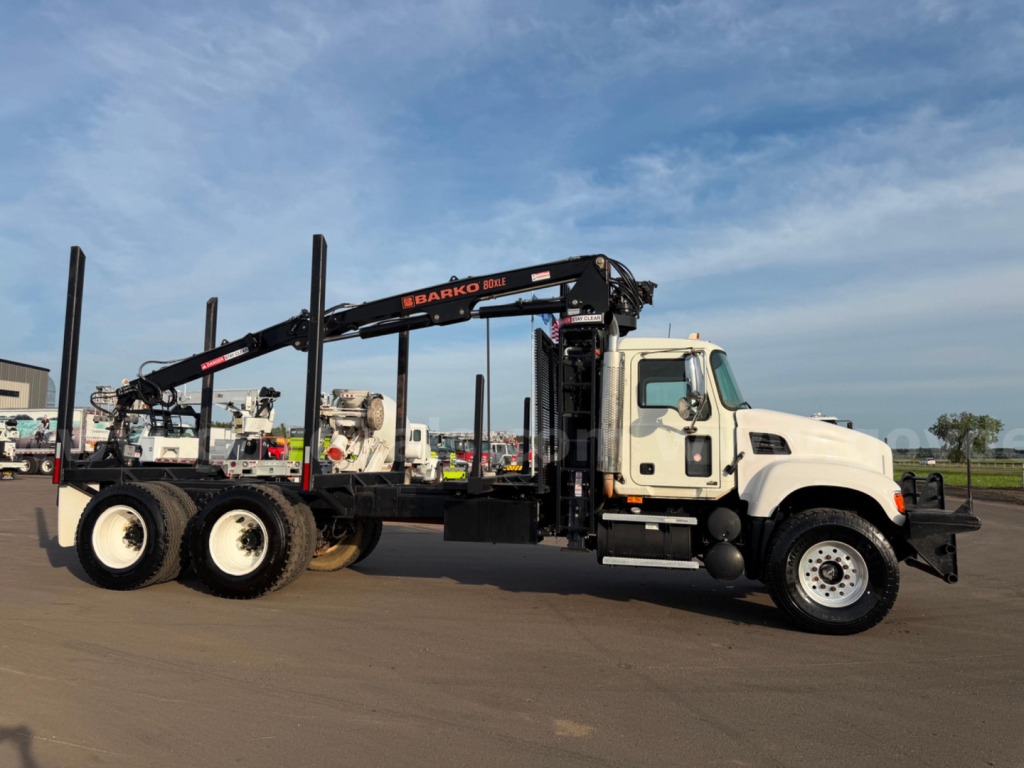

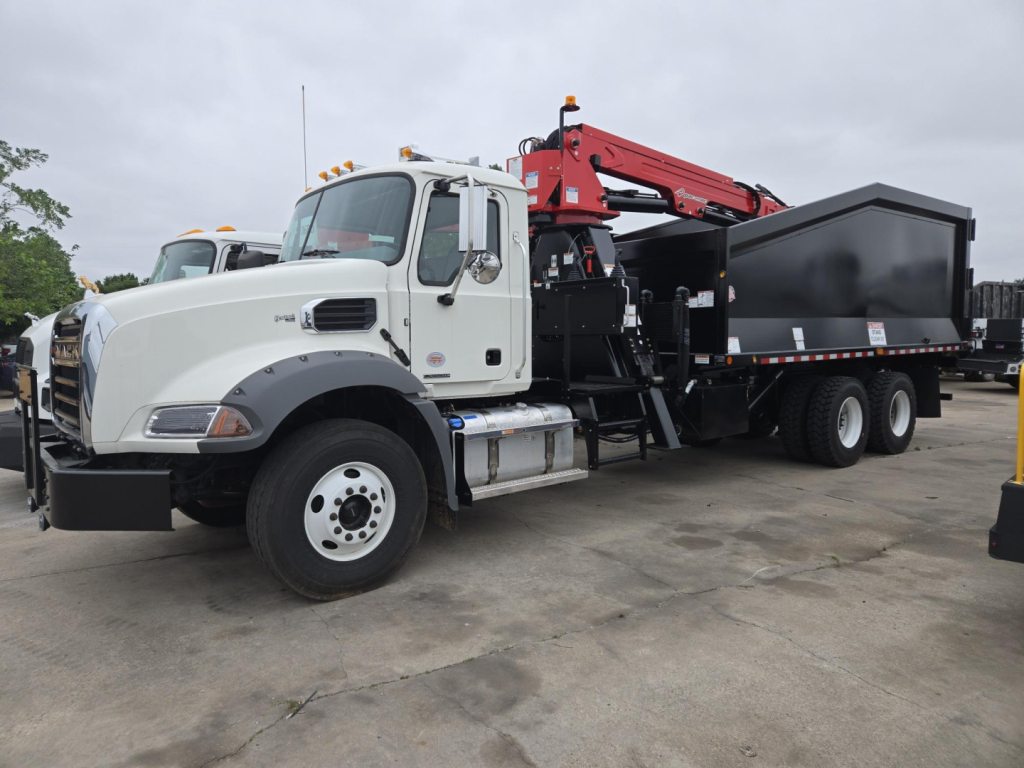
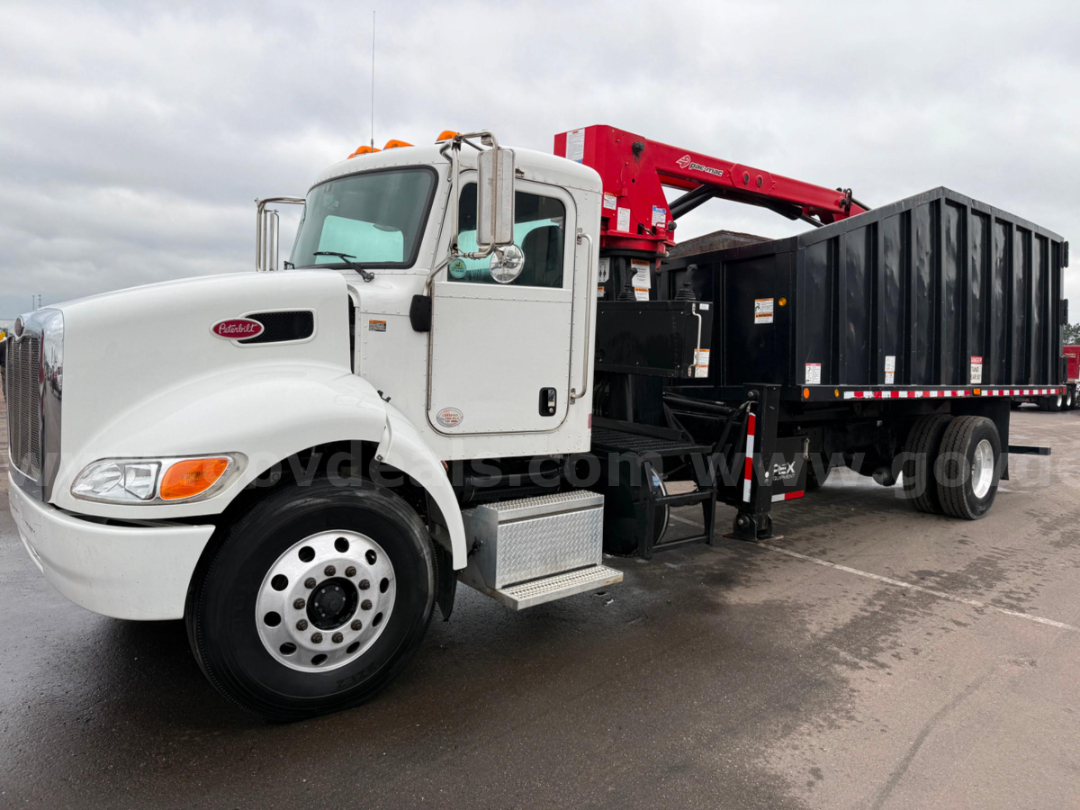
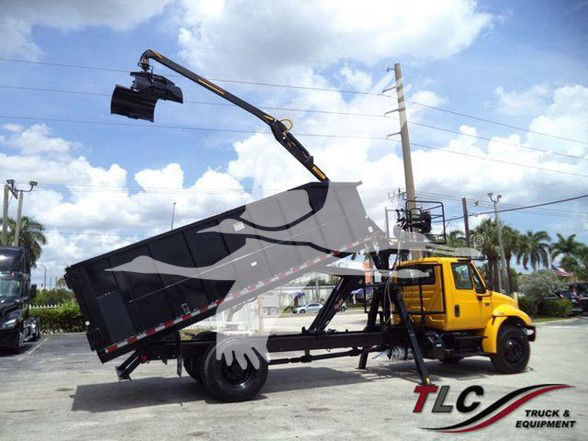
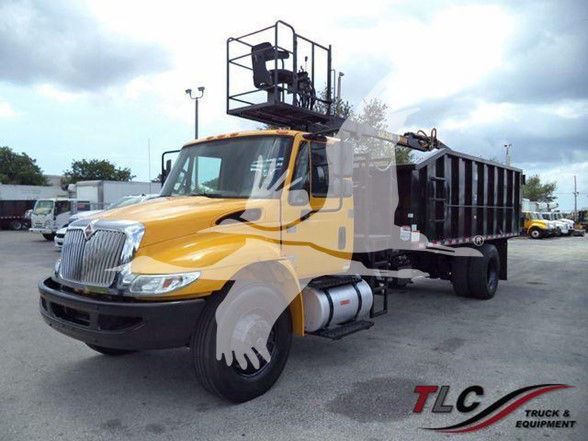
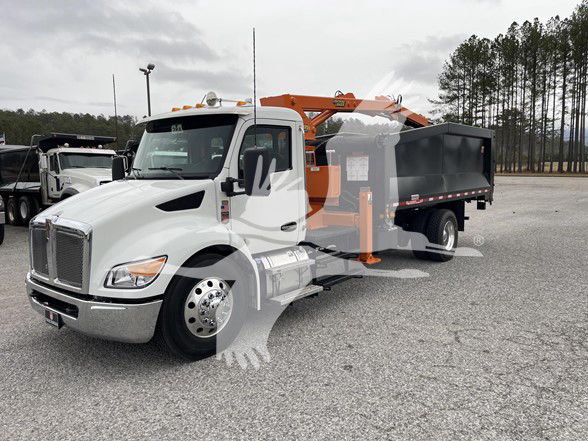
Showing 1 to 12 of 29 results
Have grapple truck to sell? List it here to reach thousands of buyers.
About Grapple Trucks
Floor strength is the backbone of a debris body. Look for AR400 or AR450 wear plate floors in the 3/16 to 1/4 inch range, closely spaced crossmembers, full length longitudinals, and reinforced corner posts. Heavy scuff rails and liners protect sidewalls from stumps and concrete, a high torque tailgate and 50 degree or greater dump angle help shed wet, matted loads that tend to bridge. Verify hoist capacity, trunnion or underbody mounts should deliver stable lift without twisting the sills, and check hinge design for tight tolerances to minimize racking when the loader sets material against the gate.
Tare weight is driven by the loader, subframe, hoist, and body material. High tensile steel subframes, optimized outrigger beams, and compact column designs reduce tare while preserving stiffness. Aluminum is rare in severe service, but strategic use of high strength steel and UHMW wear liners can cut weight and protect the floor. Validate wheelbase, axle set forward or set back, pusher or tag axles, and suspension ratings to keep axle weights legal with the boom parked and the box full. A clear load chart at maximum and mid reach, along with dual or A frame outriggers that fully contact the ground, preserves stability and protects the frame.
Hydraulic thermal integrity directly affects cycle time and seal life. Spec a transmission PTO with the correct torque rating, a high efficiency piston pump sized to required gpm, return side filtration, and an oil cooler with thermostatic fan for slow, high duty routes. Continuous rotation grapples, bypass or rake style, should match the loader lift curve at full reach, sealed rotators and cushioned cylinders run cooler and reduce shock loading. Corrosion resistance is non negotiable in debris and municipal work, favor epoxy or e coat primers with polyurethane topcoat, sealed harnesses with Deutsch connectors, zinc plated or stainless fasteners, and underbody coatings on sills and crossmembers. Galvanized stabilizer tubes or chrome plated rods resist pitting, grouped grease points or auto lube simplify service, and sealed LED work lighting and a tarp system help keep water and grit away from critical components.
Frequently Asked Questions
How much lift capacity and reach should I target for a grapple truck?
Match lift capacity to the heaviest single items you expect at full reach, not just at the column. Municipal brush routes often need 1,500 to 2,500 pounds at 25 to 30 feet, construction and storm cleanup may need 3,000 pounds or more. Review the loader’s load chart, look at capacities at multiple radii with outriggers deployed, and confirm the chassis axle ratings can support the loader and load placement without exceeding legal weights.
What body floor and sidewall specs hold up best in debris service?
Abrasion resistant steel floors such as AR400 or AR450 in 3/16 to 1/4 inch thickness provide the best balance of durability and weight. Pair that with closely spaced crossmembers, full length longitudinals, reinforced corner posts, and heavy scuff rails or liners. Aim for a dump angle of 50 degrees or more so wet brush and fines release cleanly, and choose a high torque, sealed tailgate that resists racking when material is dragged across it.
How do I control tare weight without giving up durability?
Focus on structure efficiency. Use high tensile steels in the subframe and body sills, specify compact loader columns with optimized outrigger beams, and add UHMW wear liners where sliding abrasion is highest. Avoid overspecifying plate thickness everywhere, reinforce only the impact zones. Verify wheelbase, axle configuration, and suspension capacity so legal payload is achievable with the boom stowed and the body at expected volume.
What improves hydraulic thermal integrity on stop and go routes?
Thermal control starts with correct pump sizing and efficient oil flow. A transmission PTO matched to the pump’s torque, a load sensing piston pump when frequent feathering is expected, generous reservoir volume, return filtration, and a dedicated oil cooler with thermostatic fan keep temperatures stable. Cushioned cylinders, load holding valves, and sealed rotators reduce heat spikes and protect seals, which maintains consistent cycle times over long shifts.
Which corrosion protection features extend service life the most?
Look for multi stage coatings, e coat or epoxy primer with polyurethane topcoat, plus underbody coatings on sills and crossmembers. Sealed wiring harnesses with Deutsch connectors, zinc plated or stainless hardware, galvanized outrigger tubes or chrome plated stabilizer rods, and thorough seam sealing around the doghouse slow rust. Grouped grease points or auto lube, sealed LED lighting, and a tarp system further reduce intrusion of water and grit.