
GMC Trucks For Sale
Explore GMC medium and heavy trucks, from Sierra HDs to TopKick. Compare powertrains, body specs, payload, corrosion protection, and upfit readiness.
Learn moreBrowse GMC Trucks by Category
20 Listings
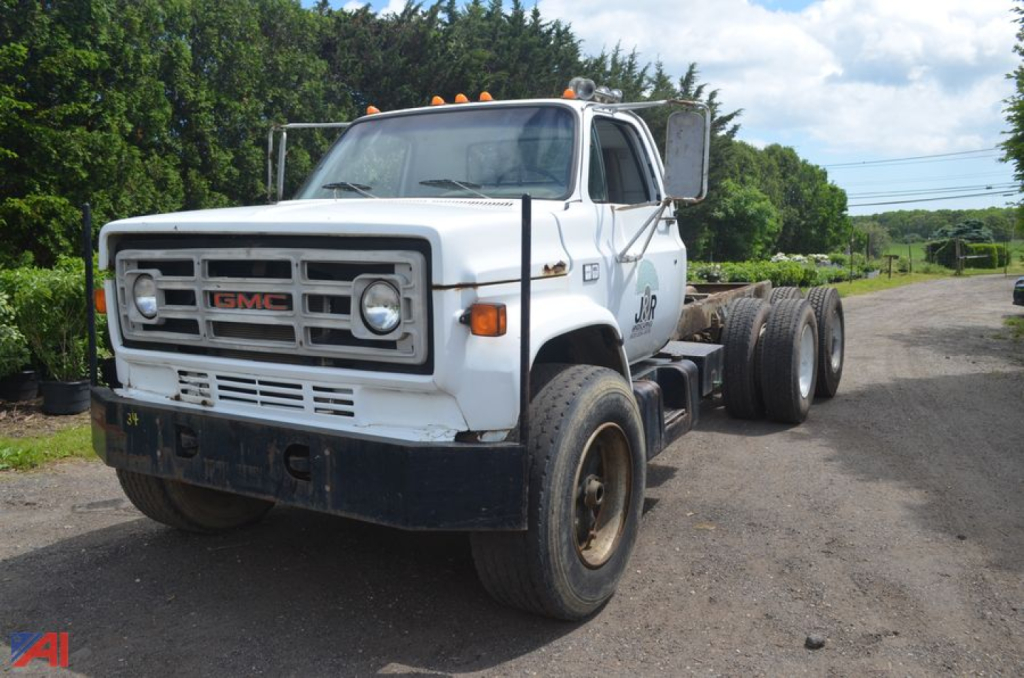
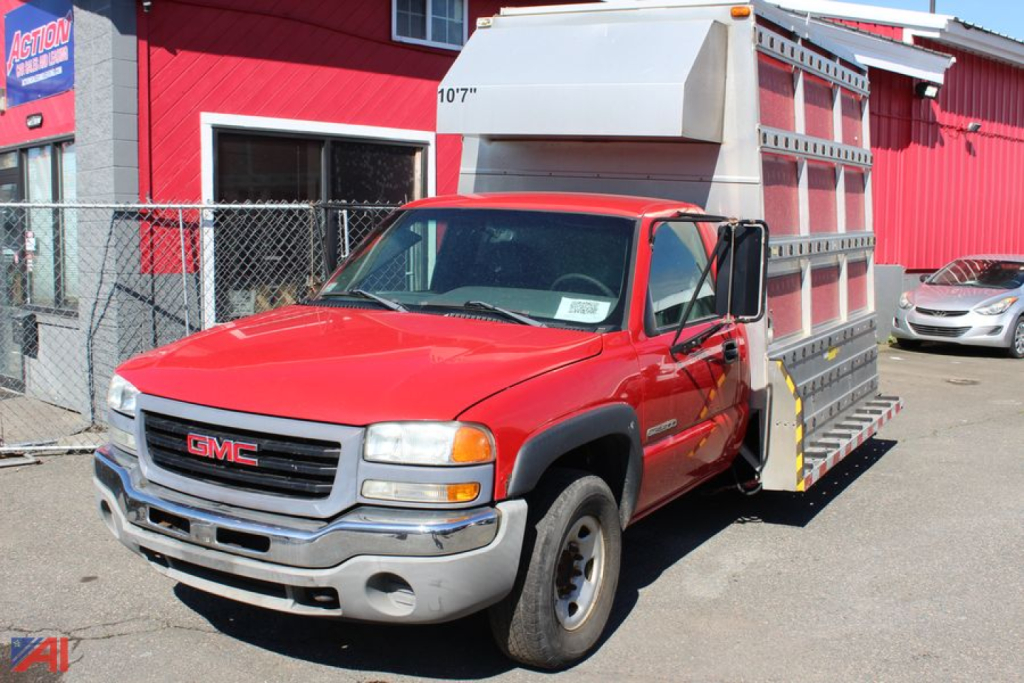
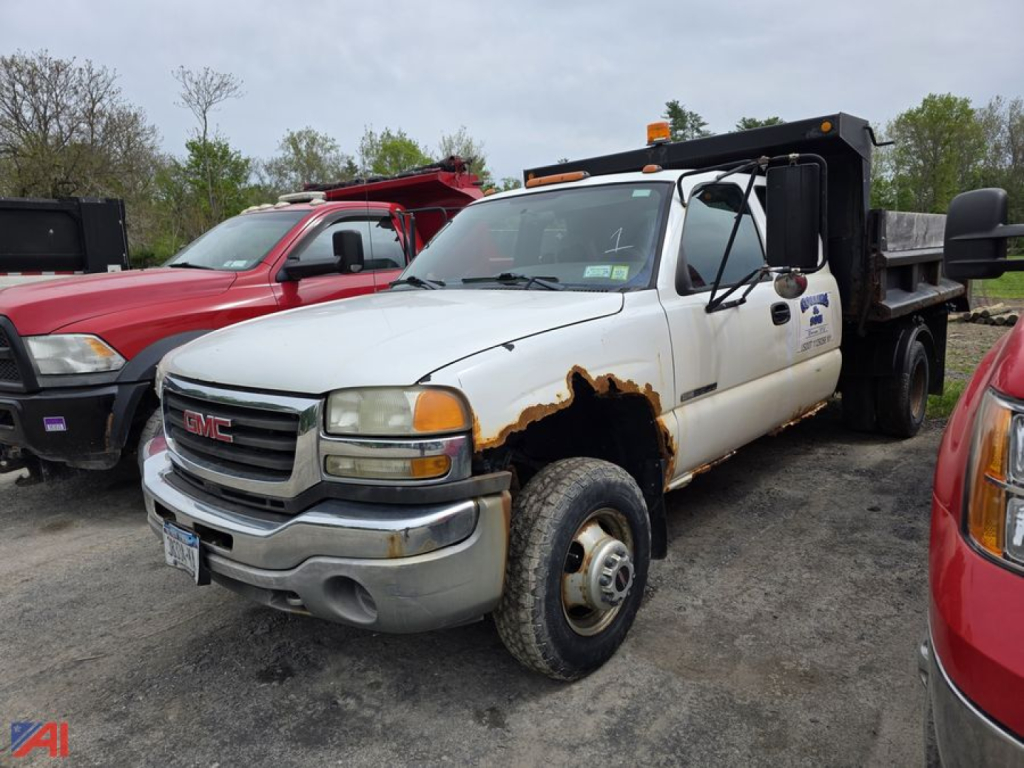
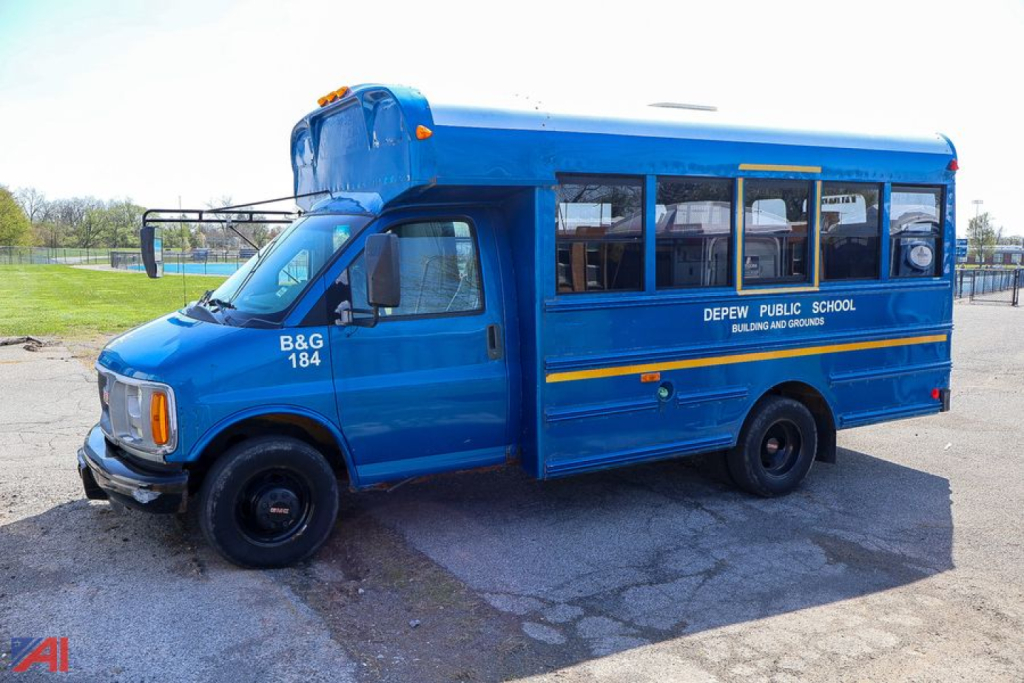
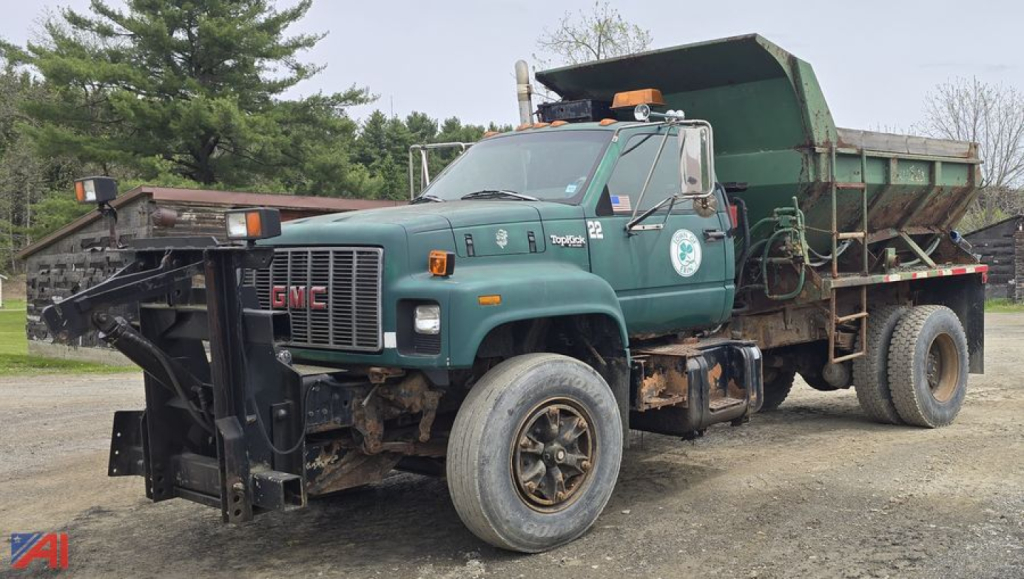

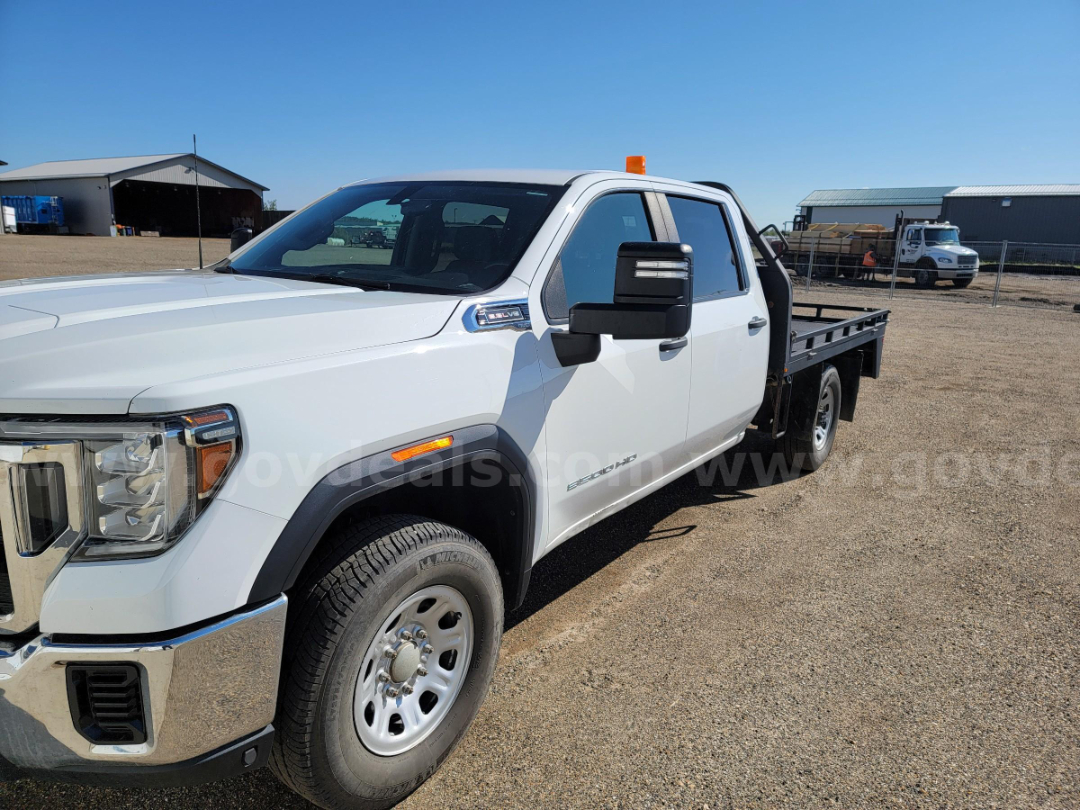

Showing 1 to 12 of 20 results
Have gmc truck to sell? List it here to reach thousands of buyers.
About GMC Trucks
GMC trucks in commercial service cover light and medium duty, from Sierra 2500 and 3500 HD chassis cabs to legacy TopKick C4500 through C8500 and W‑Series cabovers. Buyers comparing GMC trucks for sale will find durable ladder frames, broad wheelbase and cab‑to‑axle choices, and industry standard 34 inch frame rail spacing that simplifies mounting van, flatbed, dump, and service bodies. Chassis are commonly spec’d with 19.5 or 22.5 inch wheels, hydraulic or air brakes depending on class, and rear axle ratios tailored for city delivery or highway linehaul.
Powertrains include Duramax diesels paired with Allison automatics, plus Vortec gasoline options on earlier model years. The Duramax and Allison combination is valued for smooth torque delivery, PTO compatibility, and engine braking features that help manage GCWR on grades. Emissions packages vary by year, so note DPF and SCR systems, regen history, and any CARB compliance needs. Match front axle rating, suspension type, and wheelbase to your body length and payload center of gravity, and verify PTO clearance for hydraulic hoists, compressors, or reel lifts.
Body selection determines floor strength and thermal integrity. Dry van and reefer boxes on GMC chassis commonly use hardwood or laminated plank floors over steel or aluminum crossmembers, with 12 inch crossmember spacing for pallet jack abuse and point loads, and 16 inch spacing for lighter freight. Specify aluminum or high impact scuff liners and logistics posts or e‑track to protect walls and secure cargo. For temperature control, look for foam insulated panels with intact seams, tight door gaskets, thermal breaks at thresholds, and ducted or flat aluminum floors that shed moisture without trapping heat. Translucent roofs increase interior light in dry vans but add solar gain, so insulated white aluminum roofs are preferred on refrigerated bodies. Dump bodies benefit from AR400 or AR450 floor plate and closely spaced cross sills that resist denting under rock or demo loads, and flatbeds with apitong or composite decking hold up to forklifts.
Tare weight drives payload and fuel cost. Aluminum van bodies, aluminum wheels, and composite scuff systems trim hundreds of pounds, steel subframes and AR plate raise tare but add durability. Balance these trade offs against GVWR so axle loads remain legal when fully fueled and equipped with liftgates, PTO wet kits, or toolboxes. GMC cabs and frames use e‑coat and wax coatings, yet salt exposure still attacks spring hangers, brake lines, and body mounts, so galvanized or stainless hardware, sealed harness connectors, undercoating, and isolation pads between aluminum bodies and steel frames reduce corrosion and galvanic reaction. Inspect fastener lines along box rails, rear frame kickups, and door thresholds for scaling or paint creep. A properly spec’d GMC chassis with the right body, floor design, and corrosion protection yields lower lifecycle cost and consistent uptime.
Powertrains include Duramax diesels paired with Allison automatics, plus Vortec gasoline options on earlier model years. The Duramax and Allison combination is valued for smooth torque delivery, PTO compatibility, and engine braking features that help manage GCWR on grades. Emissions packages vary by year, so note DPF and SCR systems, regen history, and any CARB compliance needs. Match front axle rating, suspension type, and wheelbase to your body length and payload center of gravity, and verify PTO clearance for hydraulic hoists, compressors, or reel lifts.
Body selection determines floor strength and thermal integrity. Dry van and reefer boxes on GMC chassis commonly use hardwood or laminated plank floors over steel or aluminum crossmembers, with 12 inch crossmember spacing for pallet jack abuse and point loads, and 16 inch spacing for lighter freight. Specify aluminum or high impact scuff liners and logistics posts or e‑track to protect walls and secure cargo. For temperature control, look for foam insulated panels with intact seams, tight door gaskets, thermal breaks at thresholds, and ducted or flat aluminum floors that shed moisture without trapping heat. Translucent roofs increase interior light in dry vans but add solar gain, so insulated white aluminum roofs are preferred on refrigerated bodies. Dump bodies benefit from AR400 or AR450 floor plate and closely spaced cross sills that resist denting under rock or demo loads, and flatbeds with apitong or composite decking hold up to forklifts.
Tare weight drives payload and fuel cost. Aluminum van bodies, aluminum wheels, and composite scuff systems trim hundreds of pounds, steel subframes and AR plate raise tare but add durability. Balance these trade offs against GVWR so axle loads remain legal when fully fueled and equipped with liftgates, PTO wet kits, or toolboxes. GMC cabs and frames use e‑coat and wax coatings, yet salt exposure still attacks spring hangers, brake lines, and body mounts, so galvanized or stainless hardware, sealed harness connectors, undercoating, and isolation pads between aluminum bodies and steel frames reduce corrosion and galvanic reaction. Inspect fastener lines along box rails, rear frame kickups, and door thresholds for scaling or paint creep. A properly spec’d GMC chassis with the right body, floor design, and corrosion protection yields lower lifecycle cost and consistent uptime.