
Freightliner Conventional Sleeper Trucks For Sale
Freightliner conventional sleeper trucks, from Cascadia to 122SD, built for fuel economy, low tare weight, thermal integrity, corrosion resistance.
Learn more290 Listings

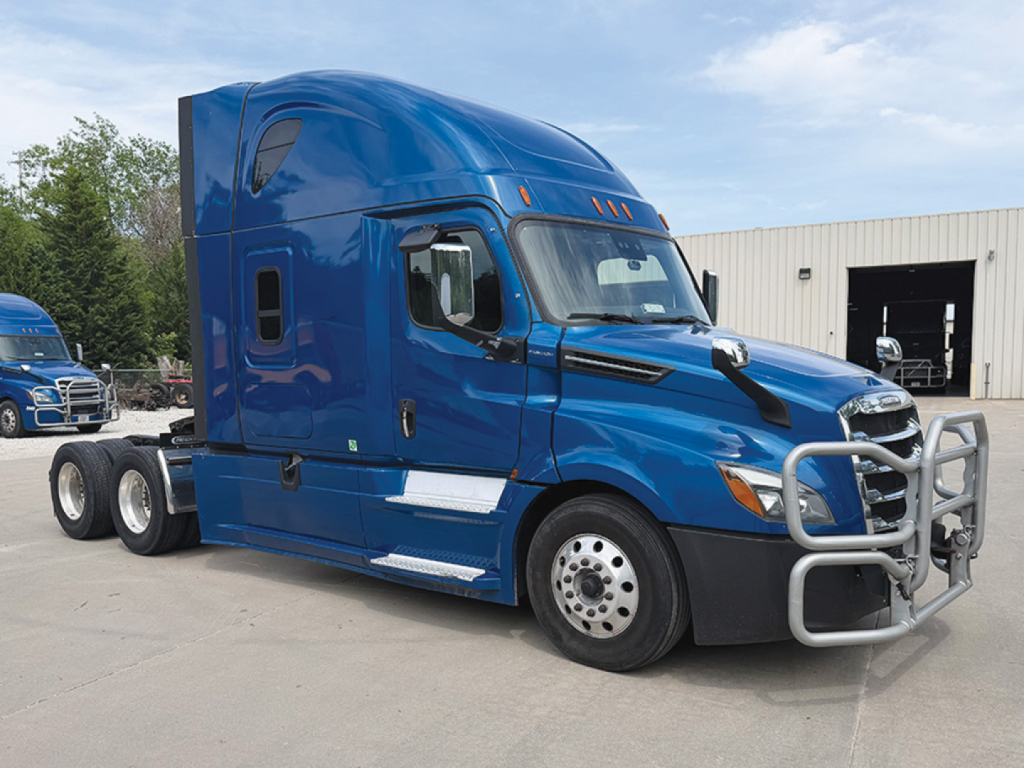
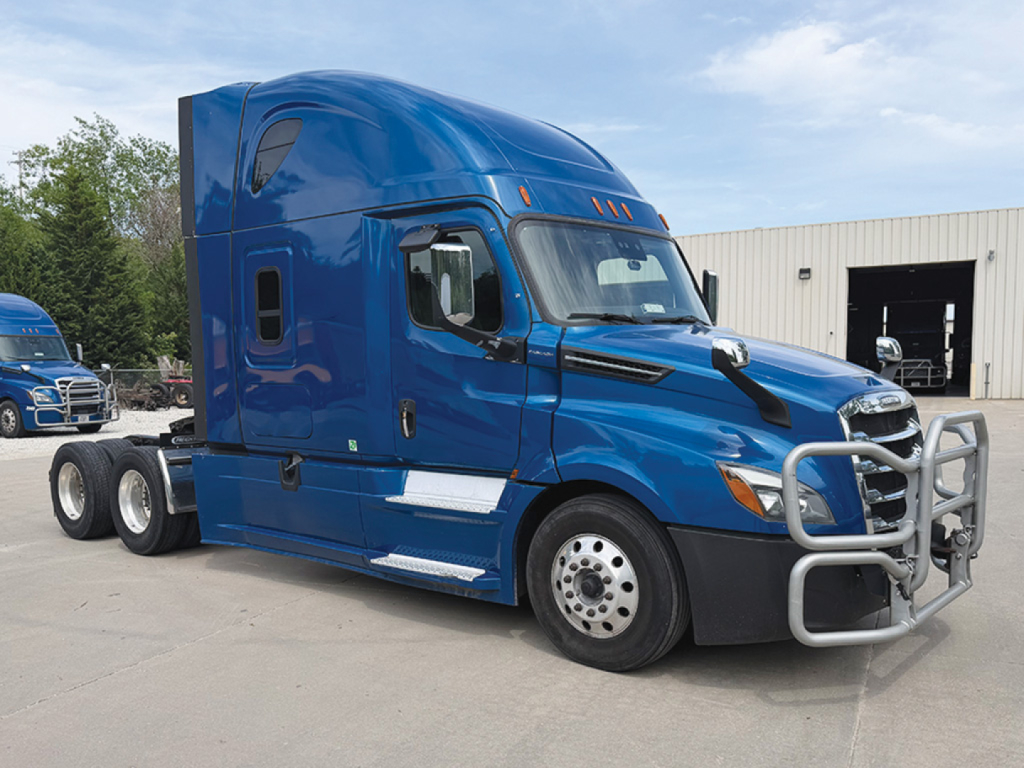
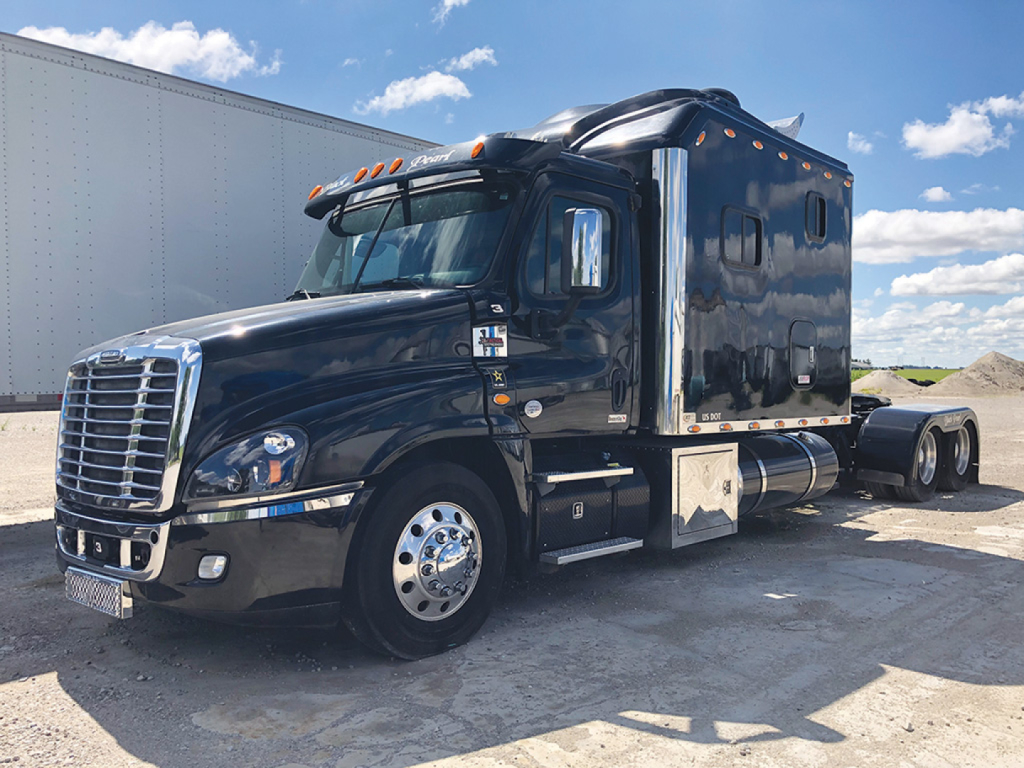
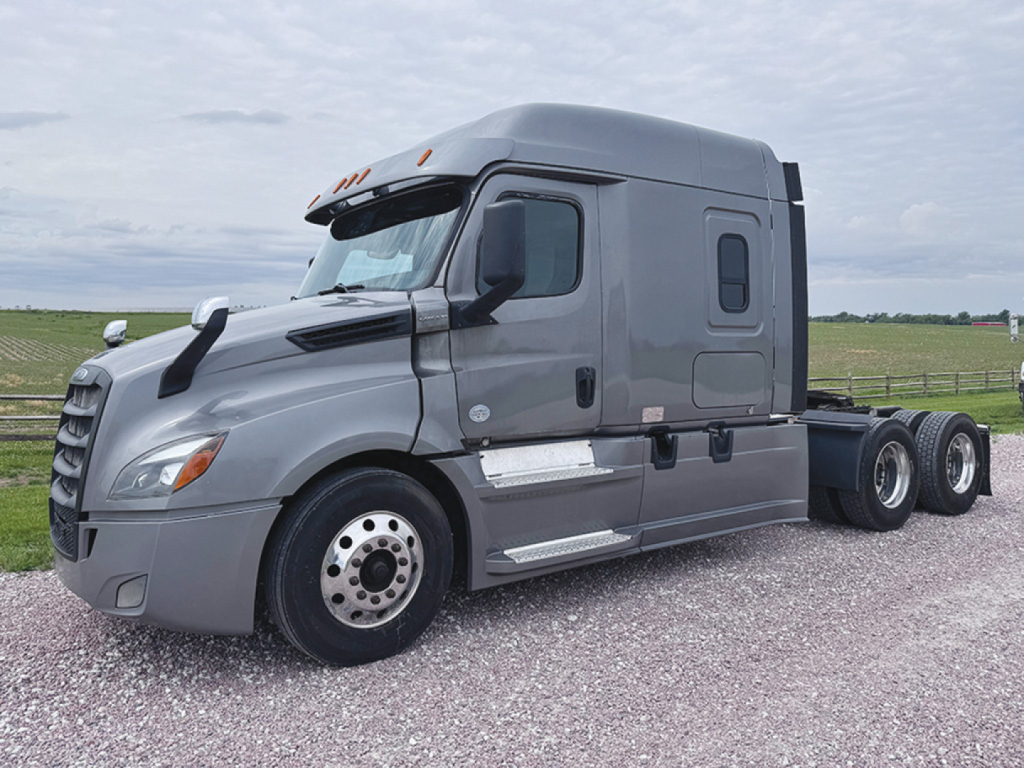
Showing 1 to 12 of 290 results
Have freightliner conventional sleeper truck to sell? List it here to reach thousands of buyers.
About Freightliner Conventional Sleeper Trucks
Freightliner conventional sleeper trucks are engineered for long runs with an emphasis on fuel economy, uptime, and driver comfort. The Cascadia dominates on-highway applications with 48, 60, and 72 inch sleepers in mid roof or raised roof configurations, while Coronado and 122SD sleepers cover heavier ratings and mixed vocational work. Aerodynamic packages, tight panel gaps, and integrated roof and chassis fairings reduce drag, and the cab structure is designed to manage airflow without compromising service access or visibility.
Powertrains center on Detroit DD13, DD15, and DD16, plus Cummins X15 in select builds, paired with DT12 automated manuals or Eaton Fuller manuals. Spec decisions drive tare weight and drivability, for example 6x2 versus 6x4 tandems, aluminum wheels, wide base singles, and optimized rear axle ratios. Frame rail section modulus and RBM support everything from standard 40k tandems to 46k rears and occasional double frame needs, and fifth wheel slider travel helps match diverse trailer kingpin settings. Practical floor strength matters on tractors, the cab and sleeper floor assemblies, underbunk storage bases, step structures, and deck plates are built to handle repeated foot traffic, tool loads, and vibration without soft spots or fastener pull through.
Thermal integrity in the sleeper directly affects driver rest quality and fuel consumption. Cascadia sleepers use dense insulation, tight door and panel seals, and minimized thermal bridging to hold temperature and cut HVAC runtime. Battery HVAC systems and diesel APUs reduce idle hours, while high capacity alternators, deep cycle battery packs, sunshades, and blackout curtains improve overnight performance in extreme climates. Better thermal performance also lowers condenser and compressor cycling, extending component life and preserving battery reserve for hotel loads.
Corrosion resistance is addressed with aluminum cabs and hoods where applicable, composite exterior panels, e coated and powder coated frame components, sealed harness connectors, and stainless or coated fasteners. This matters for fleets running in salt or coastal environments, protecting cab mounts, crossmembers, air tanks, and suspension hardware. Safety and uptime features include Detroit Assurance collision mitigation, adaptive cruise, lane departure alerts, and Detroit Connect telematics for remote diagnostics and over the air parameter updates. Serviceability, large dealer coverage, and common parts across platforms help control lifecycle cost. Spec the wheelbase, fifth wheel height, fuel capacity, and aero kit to your lanes and weights, then target a low tare package that still meets frame strength, cooling, and electrical loads for your route and terrain.
Powertrains center on Detroit DD13, DD15, and DD16, plus Cummins X15 in select builds, paired with DT12 automated manuals or Eaton Fuller manuals. Spec decisions drive tare weight and drivability, for example 6x2 versus 6x4 tandems, aluminum wheels, wide base singles, and optimized rear axle ratios. Frame rail section modulus and RBM support everything from standard 40k tandems to 46k rears and occasional double frame needs, and fifth wheel slider travel helps match diverse trailer kingpin settings. Practical floor strength matters on tractors, the cab and sleeper floor assemblies, underbunk storage bases, step structures, and deck plates are built to handle repeated foot traffic, tool loads, and vibration without soft spots or fastener pull through.
Thermal integrity in the sleeper directly affects driver rest quality and fuel consumption. Cascadia sleepers use dense insulation, tight door and panel seals, and minimized thermal bridging to hold temperature and cut HVAC runtime. Battery HVAC systems and diesel APUs reduce idle hours, while high capacity alternators, deep cycle battery packs, sunshades, and blackout curtains improve overnight performance in extreme climates. Better thermal performance also lowers condenser and compressor cycling, extending component life and preserving battery reserve for hotel loads.
Corrosion resistance is addressed with aluminum cabs and hoods where applicable, composite exterior panels, e coated and powder coated frame components, sealed harness connectors, and stainless or coated fasteners. This matters for fleets running in salt or coastal environments, protecting cab mounts, crossmembers, air tanks, and suspension hardware. Safety and uptime features include Detroit Assurance collision mitigation, adaptive cruise, lane departure alerts, and Detroit Connect telematics for remote diagnostics and over the air parameter updates. Serviceability, large dealer coverage, and common parts across platforms help control lifecycle cost. Spec the wheelbase, fifth wheel height, fuel capacity, and aero kit to your lanes and weights, then target a low tare package that still meets frame strength, cooling, and electrical loads for your route and terrain.