
Flatbed Trucks For Sale
Flatbed trucks for sale focused on deck strength, low tare weight, securement, and corrosion protection to maximize payload and uptime safely.
Learn moreBrowse Flatbed Trucks by Make
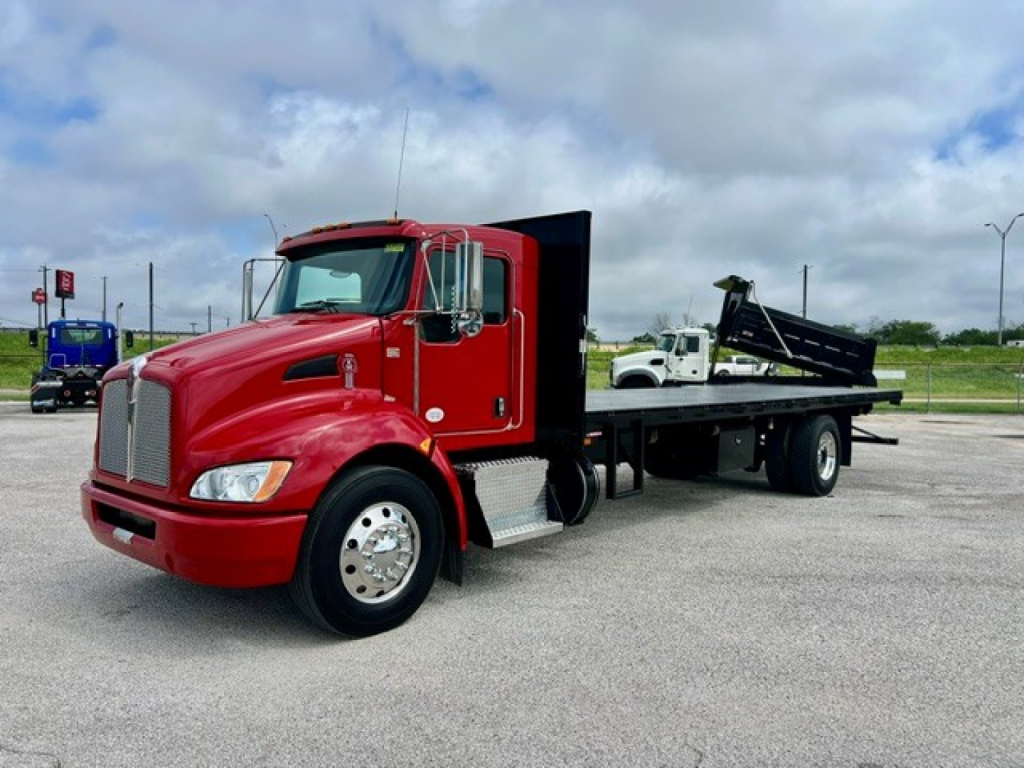
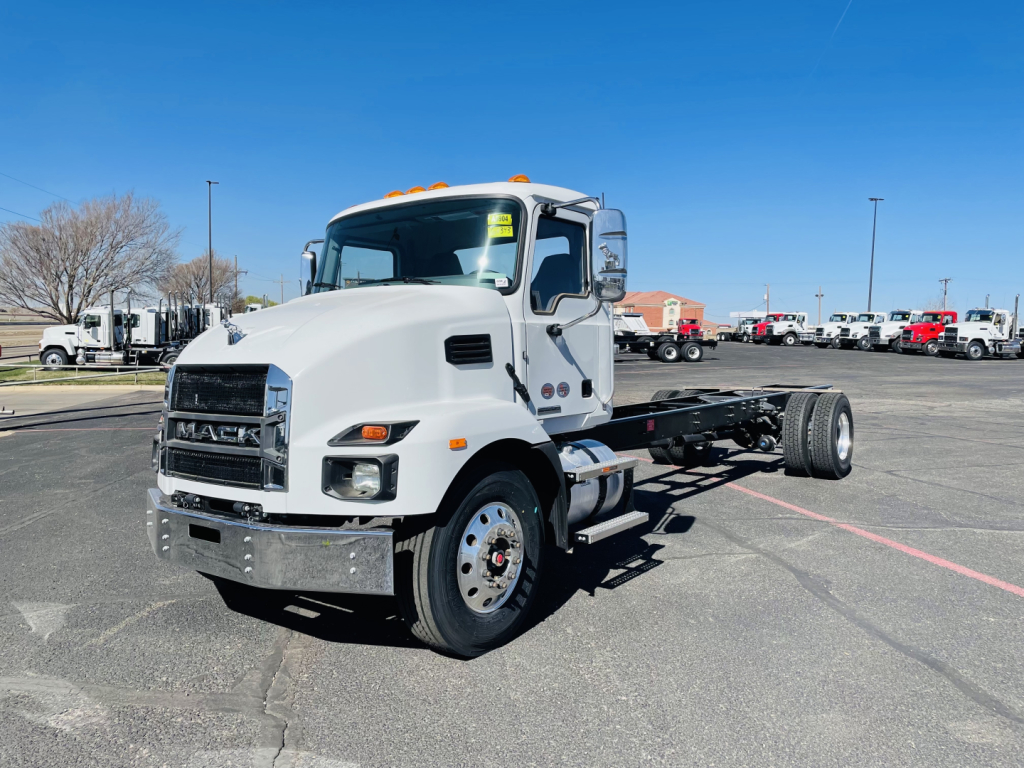
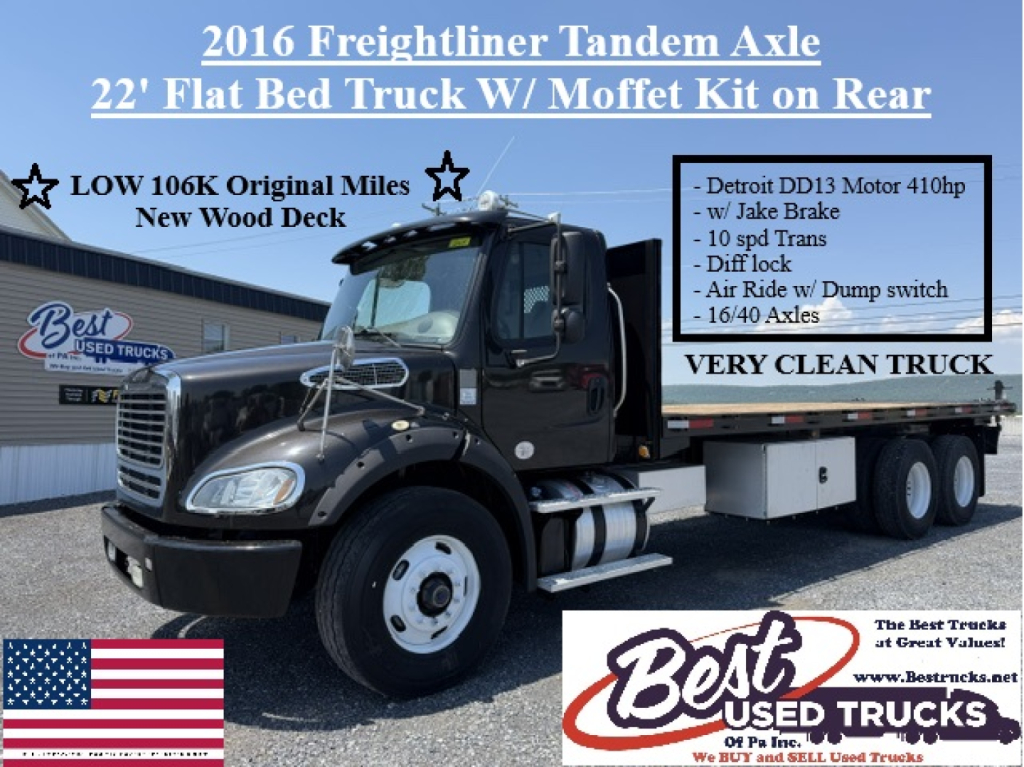
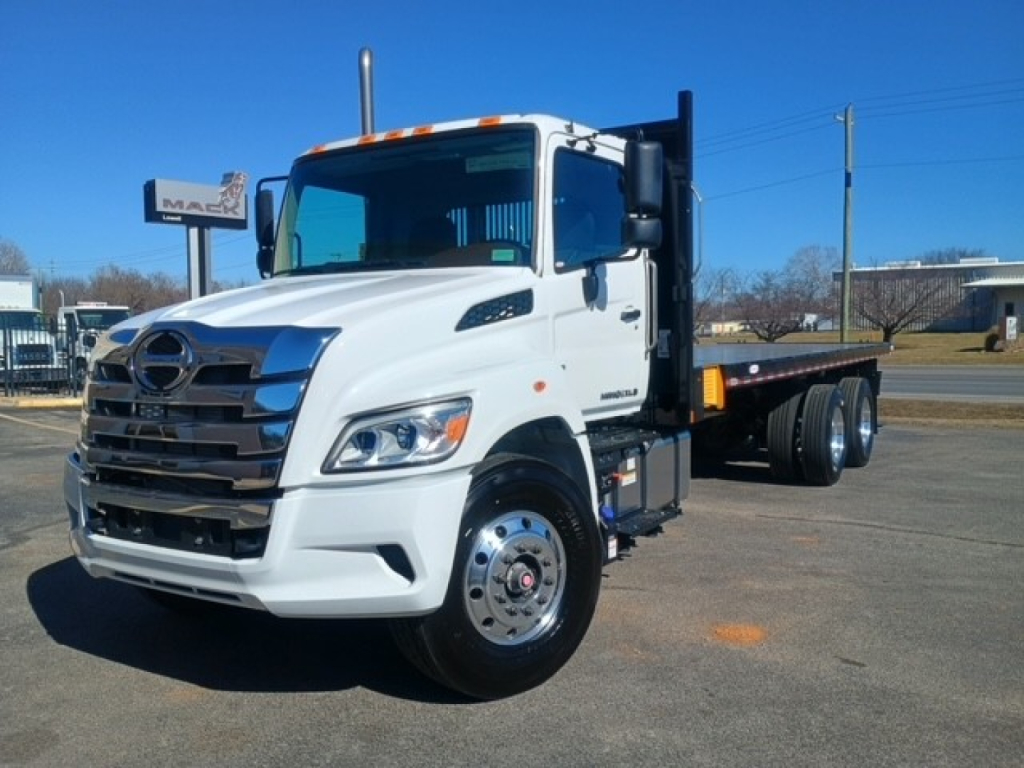
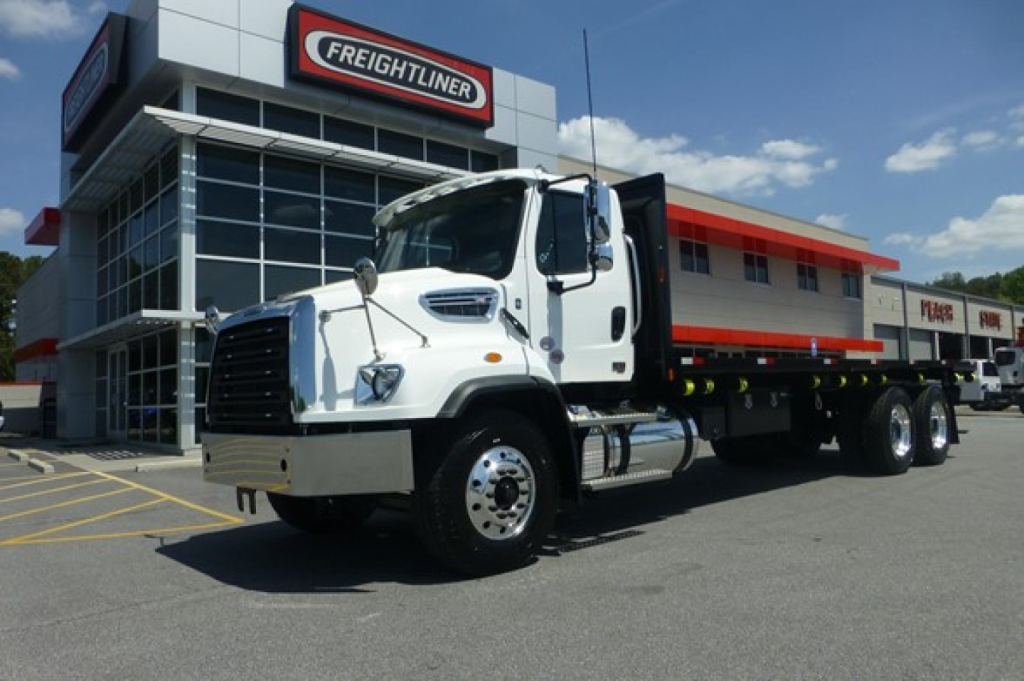
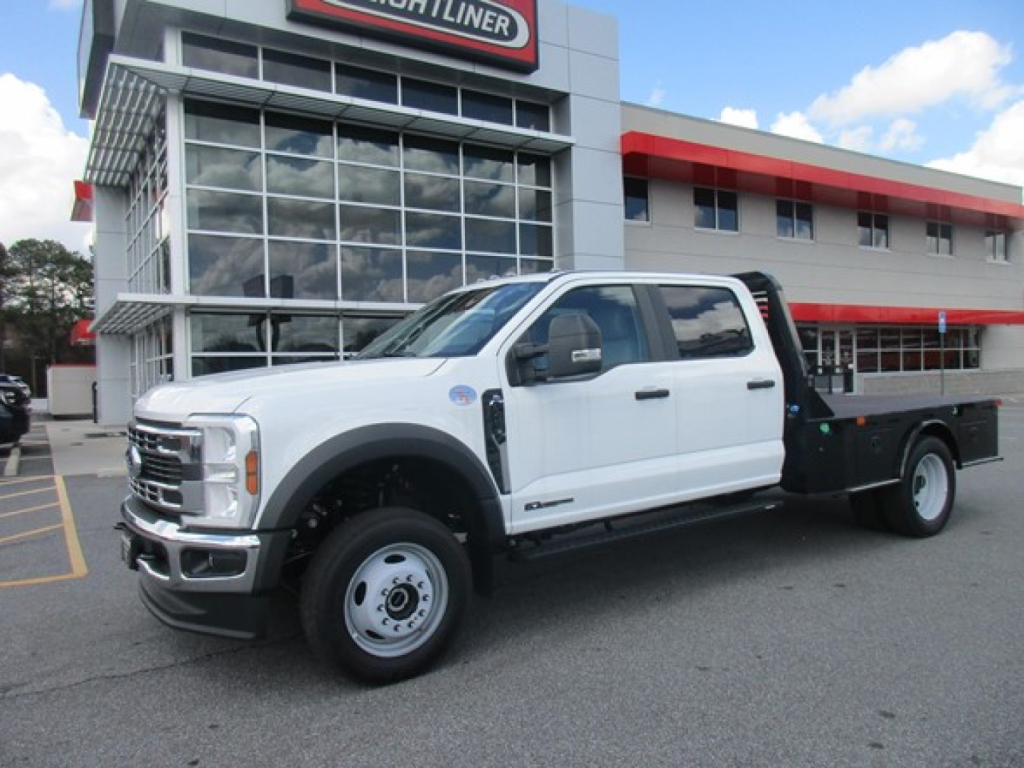
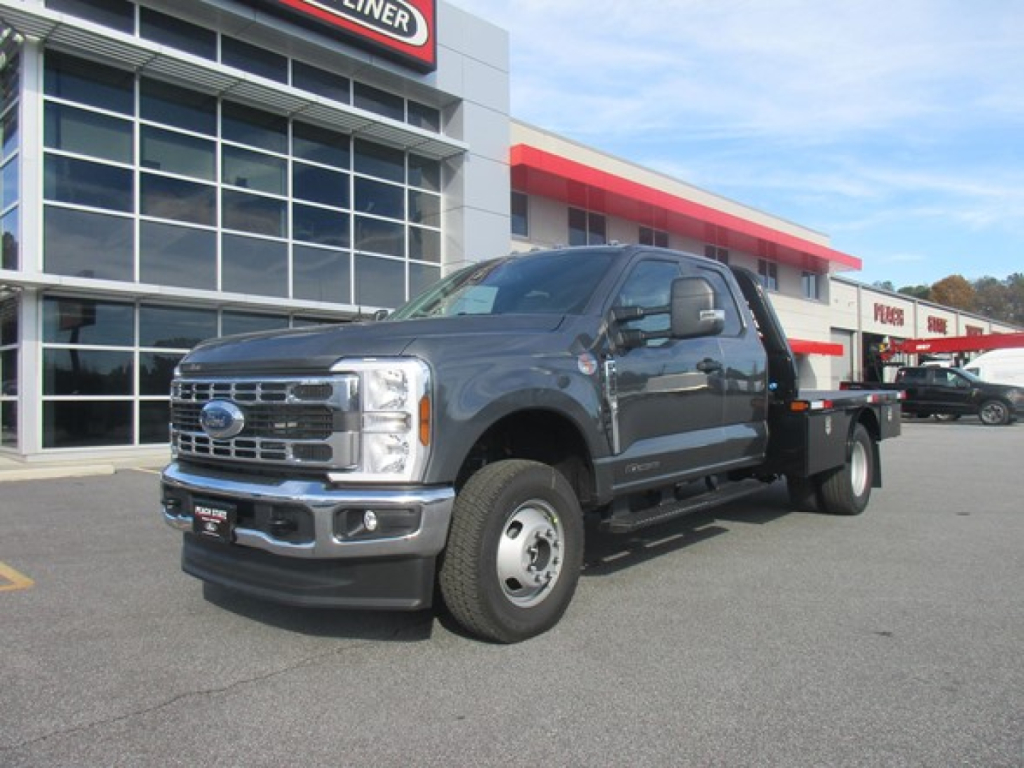
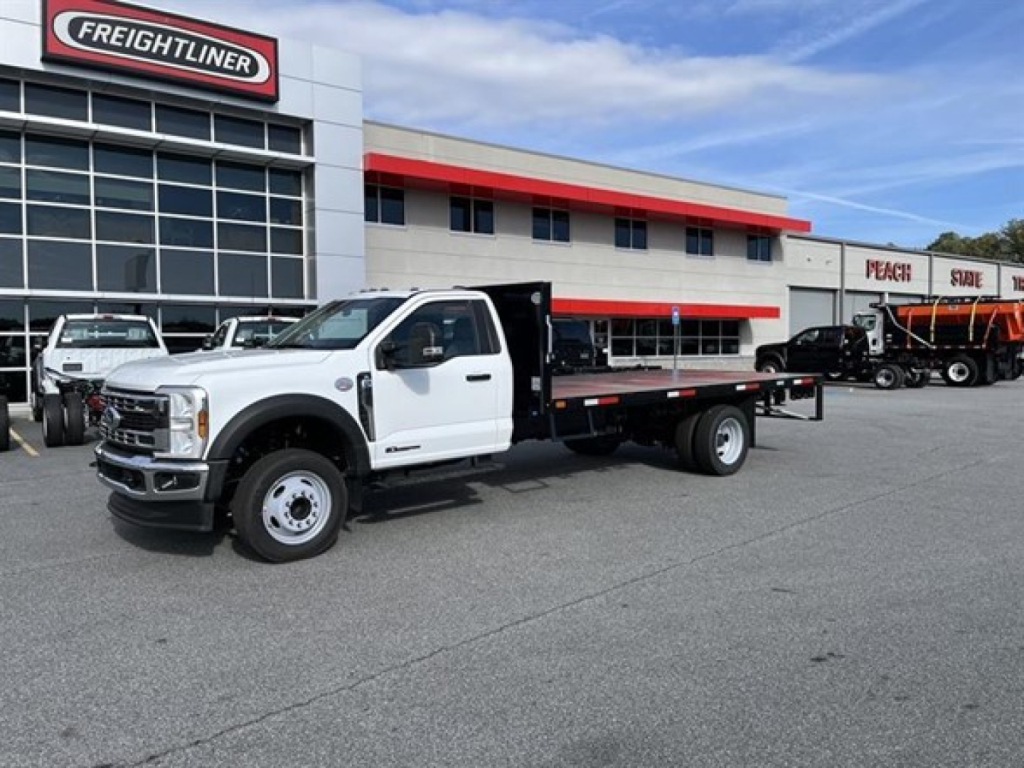

Showing 1 to 12 of 50 results
Have flatbed truck to sell? List it here to reach thousands of buyers.
About Flatbed Trucks
Floor strength starts with crossmember material and spacing, 12 inch centers handle heavier forklift traffic than 16 inch, and a perimeter rub rail with stake and chain pockets makes tie downs faster and safer. Hardwood apitong at 1.25 to 1.375 inches is the industry benchmark for impact resistance and screw retention, it absorbs shock from steel or masonry and tolerates thermal cycling if kept sealed. Aluminum plank decks save weight and shrug off rust, choose T6 heat treated extrusions with interlocking planks and forklift rating that matches your operation, or consider phenolic or composite boards for high point loads and reduced moisture absorption. Specify a solid bulkhead or headache rack, integrated winch tracks or sliding winches, recessed D rings, and coil racks if you haul slit coil, all mounted to a reinforced subframe to preserve frame integrity.
Tare weight and corrosion resistance drive lifecycle cost. Aluminum beds can trim 600 to 1,200 pounds versus steel on medium duty, more on heavy chassis, which turns into extra payload or lower fuel burn. For steel bodies, look for e coat or zinc rich primers under powder coat, sealed seam construction, and hot dip galvanizing on subframes or outriggers for severe road salt. Stainless hardware, sealed LED harnesses with molded connectors, and underbody asphalt based coatings reduce corrosion from brine and calcium chloride. Thermal integrity matters on an open deck too, aluminum in T6 temper maintains yield strength across summer heat and winter cold, apitong resists checking if oiled and protected from UV, and phenolic boards have low thermal expansion and keep fasteners tight across temperature swings; anti slip deck coatings should be rated for high surface temperatures and freeze thaw cycles.
Spec the chassis around how you load and the roads you run. Air ride suspensions protect cargo and decks from shock and help with dock heights, multi leaf spring is lighter and simpler for off road yards. Choose axle ratings and frame reinforcements to support cranes, winches, and Moffett style forklift kits, add a PTO ready transmission if you need hydraulics. Rear ICC bumper and tapered or beavertail with ramps speed equipment loading, liftgates can be rail or tuck away depending on pallet jack use. 19.5 inch wheels reduce deck height on Class 5 to 6, 22.5 inch is standard on heavier trucks, match rear ratios to your route profile. Add side kits or removable stake sides for weather protection, tarp systems with spools and winches for quick covers, and aluminum or stainless underbody boxes to keep chains, binders, and edge protectors organized and dry.
Frequently Asked Questions
What deck material is best for a flatbed truck
Apitong hardwood provides excellent impact resistance, fastener holding strength, and field repairability, which is ideal for rough cargo and frequent forklift traffic. Aluminum plank decks reduce tare weight and will not rust, they are a strong option if you prioritize payload and corrosion resistance, but confirm the plank profile and crossmember spacing meet your forklift wheel load. Phenolic or composite boards handle high point loads, resist moisture, and have stable dimensions across temperature swings, they are a good choice for heavy palletized freight and all weather operations.
How do I calculate real payload on a flatbed truck
Start with the GVWR, subtract the curb weight of the cab chassis, then subtract the installed body and equipment such as boxes, liftgate, crane, and tarping gear. The remainder is your legal payload. Weigh the completed truck on a certified scale to verify front and rear axle loads with typical equipment on board, adjust axle ratings, wheelbase, or body placement if you are close to axle limits. A lighter deck and boxes can add hundreds of pounds of usable payload without sacrificing strength if the crossmembers and planks are properly rated.
What floor rating and crossmember spacing do I need for forklift loading
Match the deck to the heaviest forklift and the smallest tire contact patch you expect to cross the bed. Many medium duty builds use 3 inch steel or aluminum crossmembers on 12 inch centers for routine forklift traffic, 16 inch can work for lighter use. Ask for a published forklift rating that states wheel load and spacing, not just uniform load per square foot, and specify thicker apitong, higher section modulus aluminum planks, or additional outriggers in high traffic zones such as the rear 4 feet and at crane pedestals.
How do aluminum flatbeds hold up in road salt and deicing chemicals
Aluminum beds resist red rust and are a strong choice for northern fleets, but dissimilar metal corrosion can occur at steel interfaces. Look for isolation pads between aluminum and steel, stainless or coated fasteners, sealed harnesses, and a galvanized or e coated steel subframe. Rinse the deck and underbody frequently in winter and reapply anti seize on hardware during PMs. These steps preserve the aluminum finish and prevent galvanic corrosion at contact points.
Is air ride or spring suspension better for flatbed work
Air ride improves ride quality, reduces shock to the deck and cargo, and can help maintain deck height for load and unload, it is preferred for fragile freight, long hauls, and high value cargo. Multi leaf spring is lighter, less complex, and often preferred for construction sites or severe duty where simplicity is critical. Choose based on your route mix and cargo, and verify that the suspension capacity matches your axle ratings and the anticipated center of gravity from cranes or forklift kits.