
Dragon Trailers For Sale
Shop Dragon trailers for crude oil, vacuum, and water hauling. Compare tank construction, code status, capacity, axle setups, and suspension.
Learn moreBrowse Dragon Trailers by Category
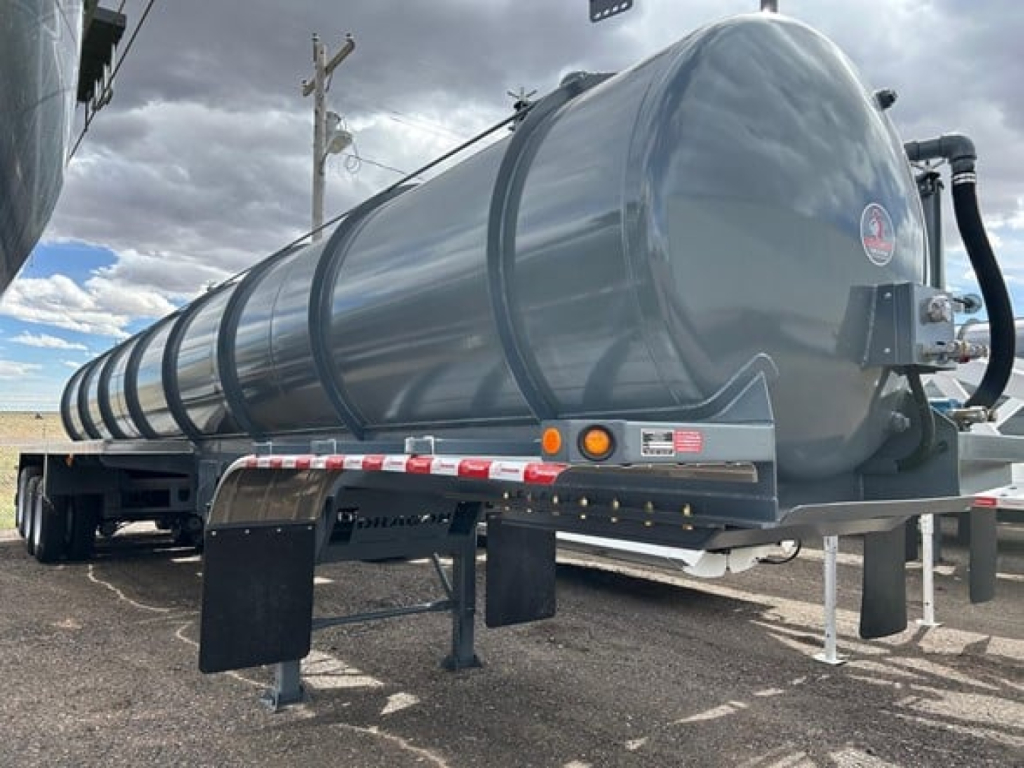
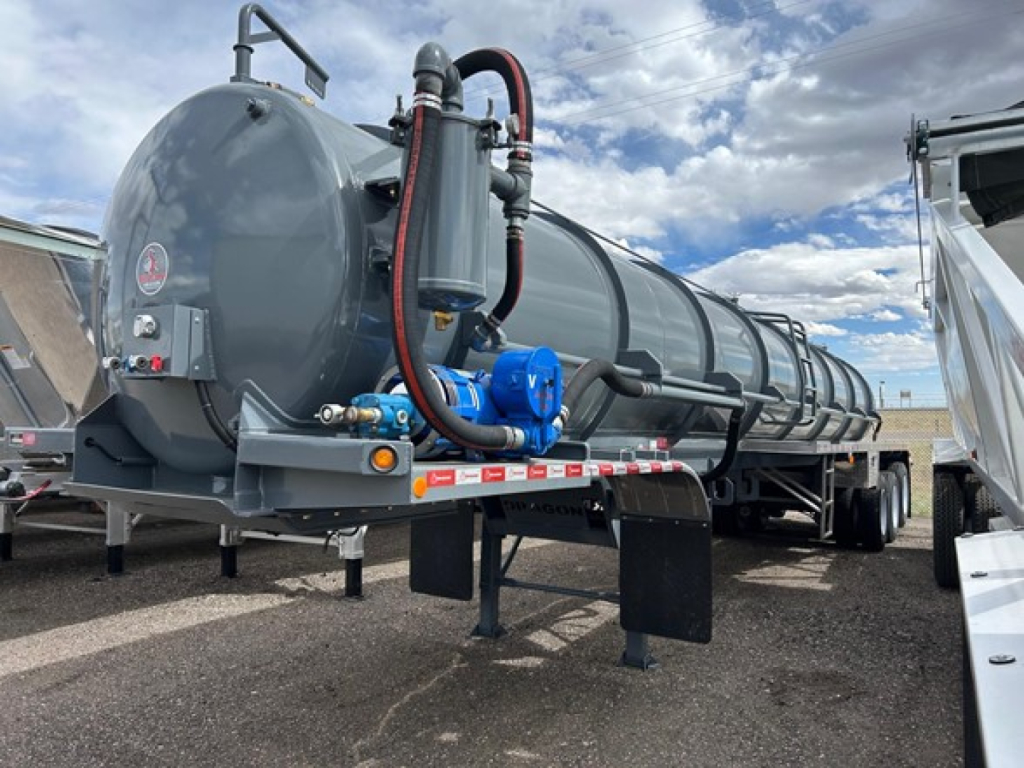
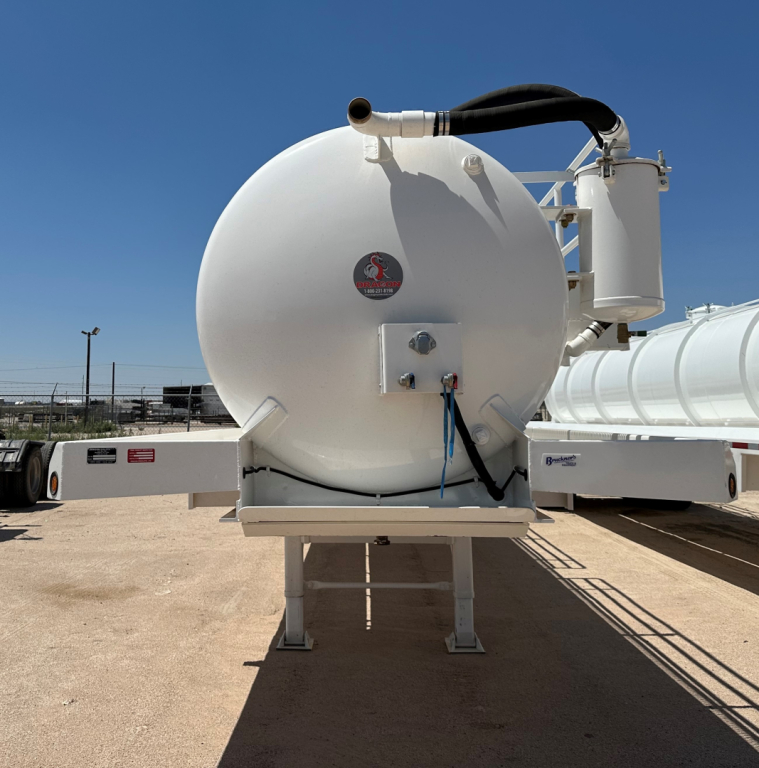
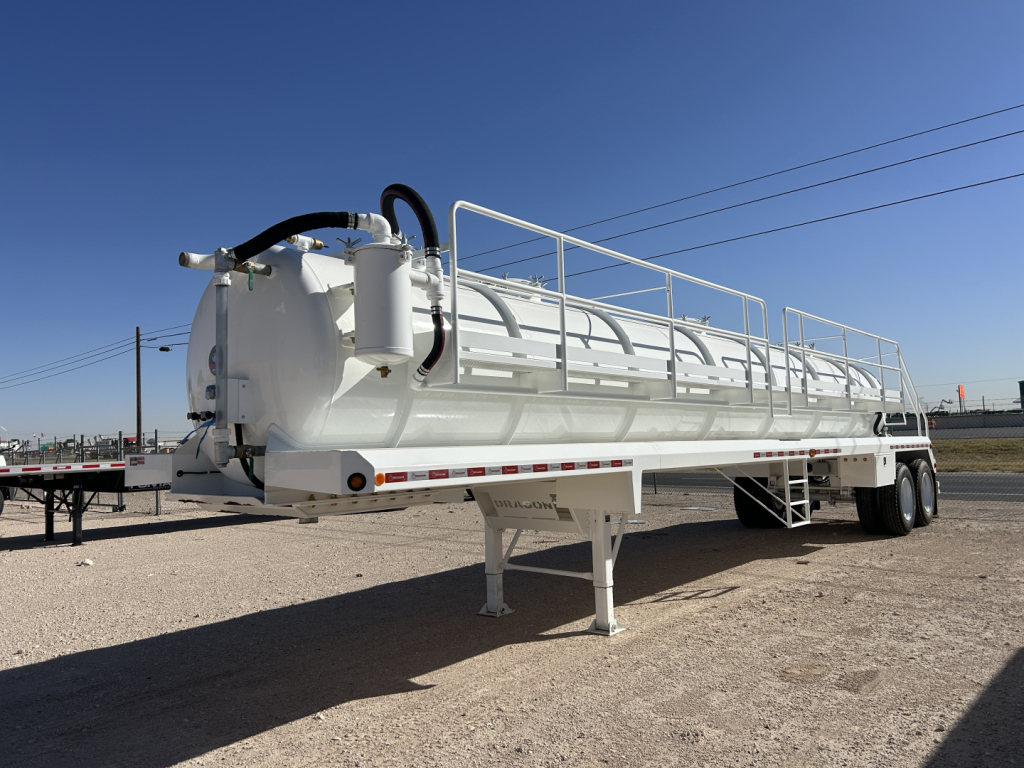
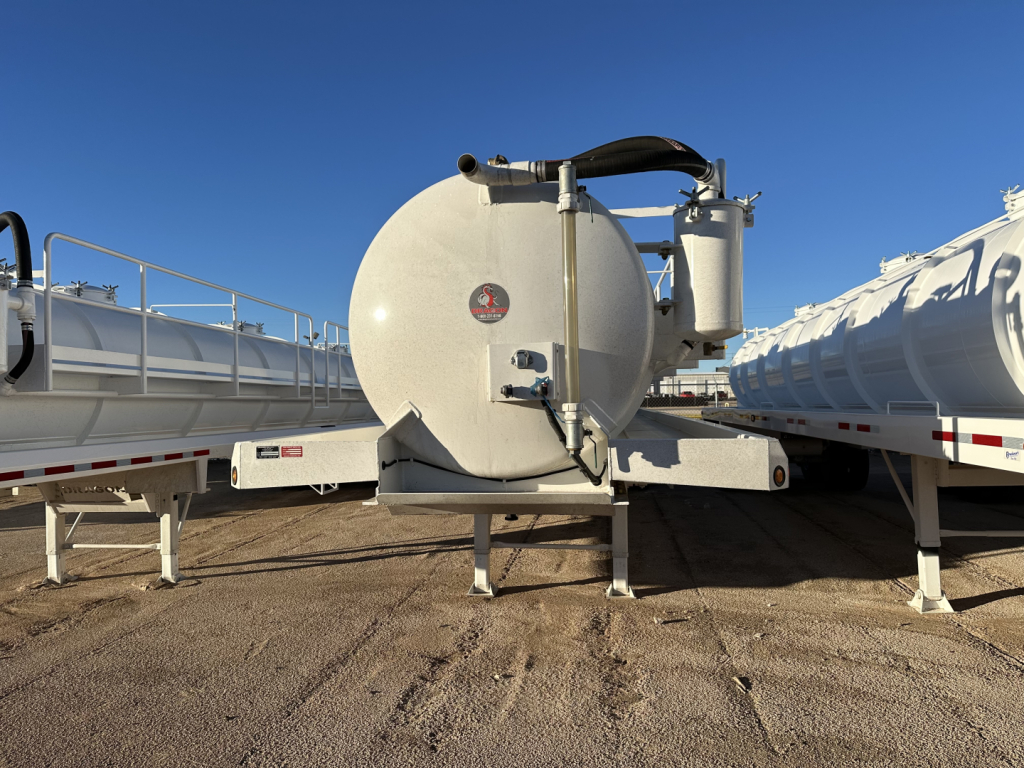
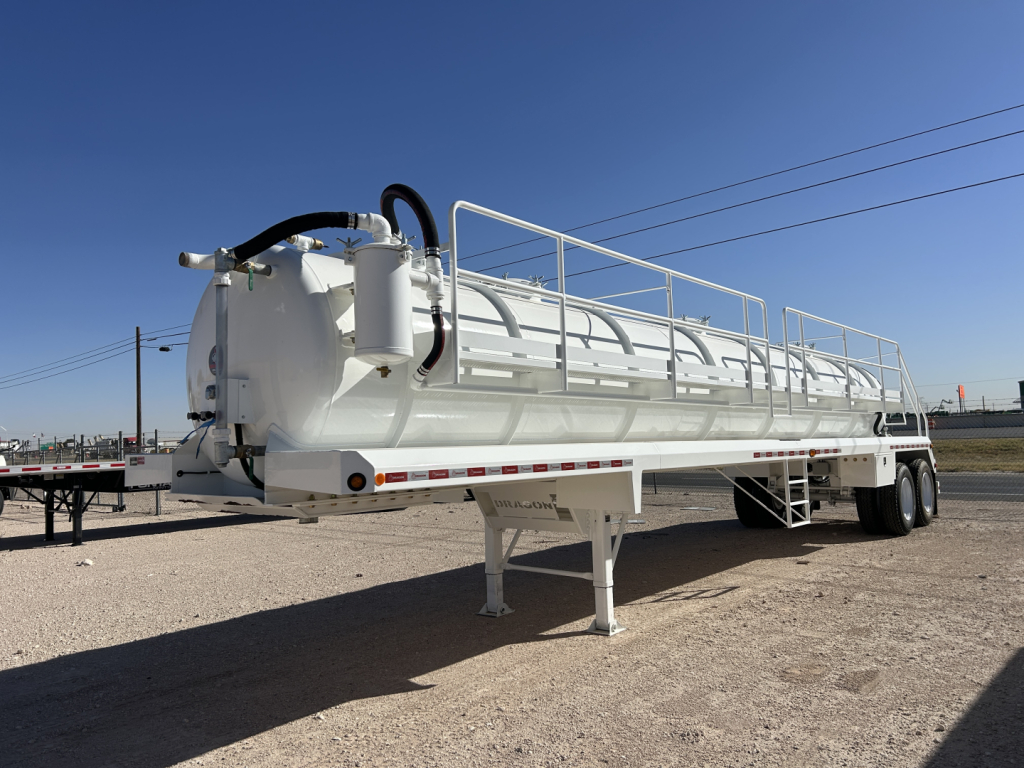
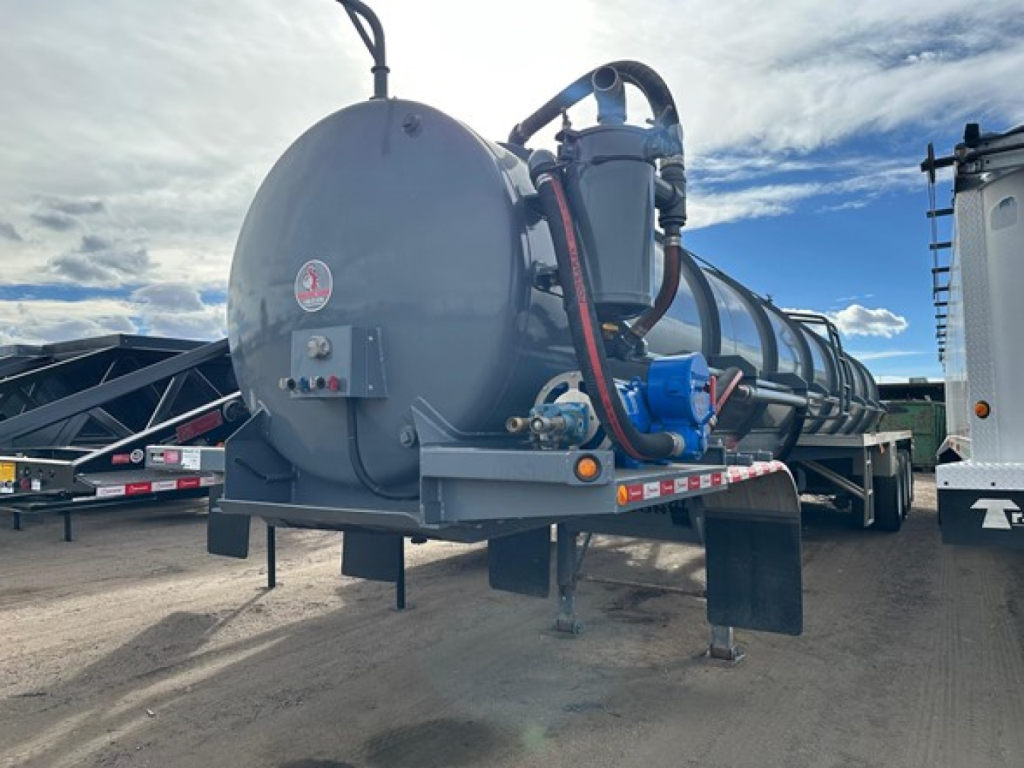
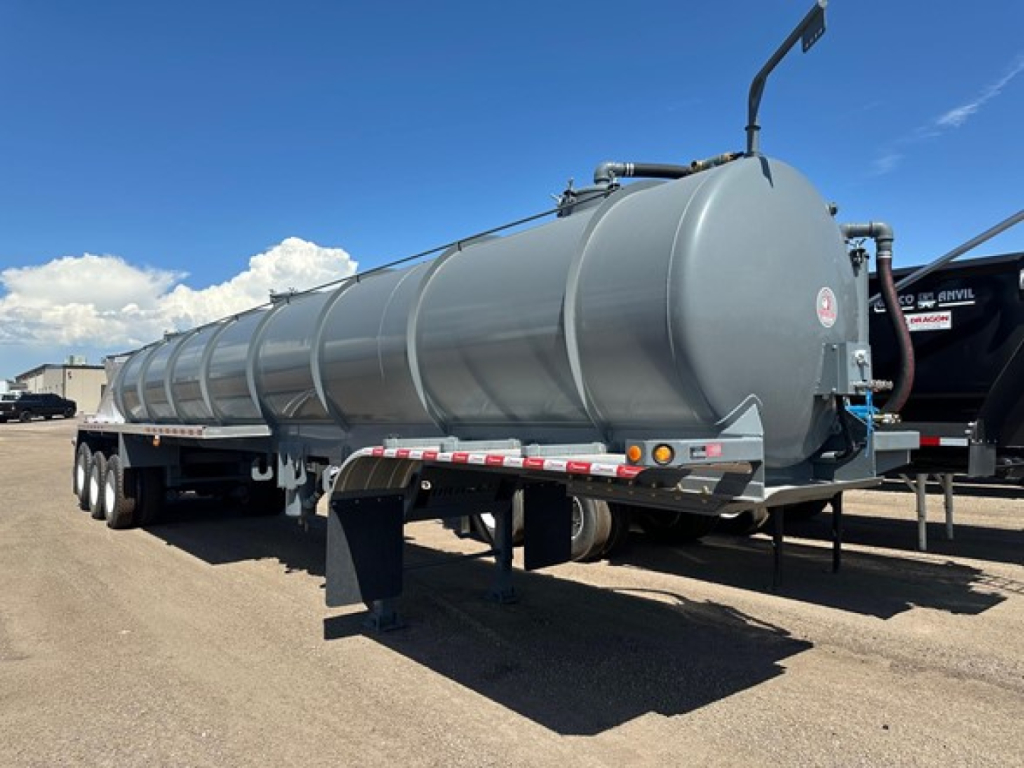
Have dragon trailer to sell? List it here to reach thousands of buyers.
About Dragon Trailers
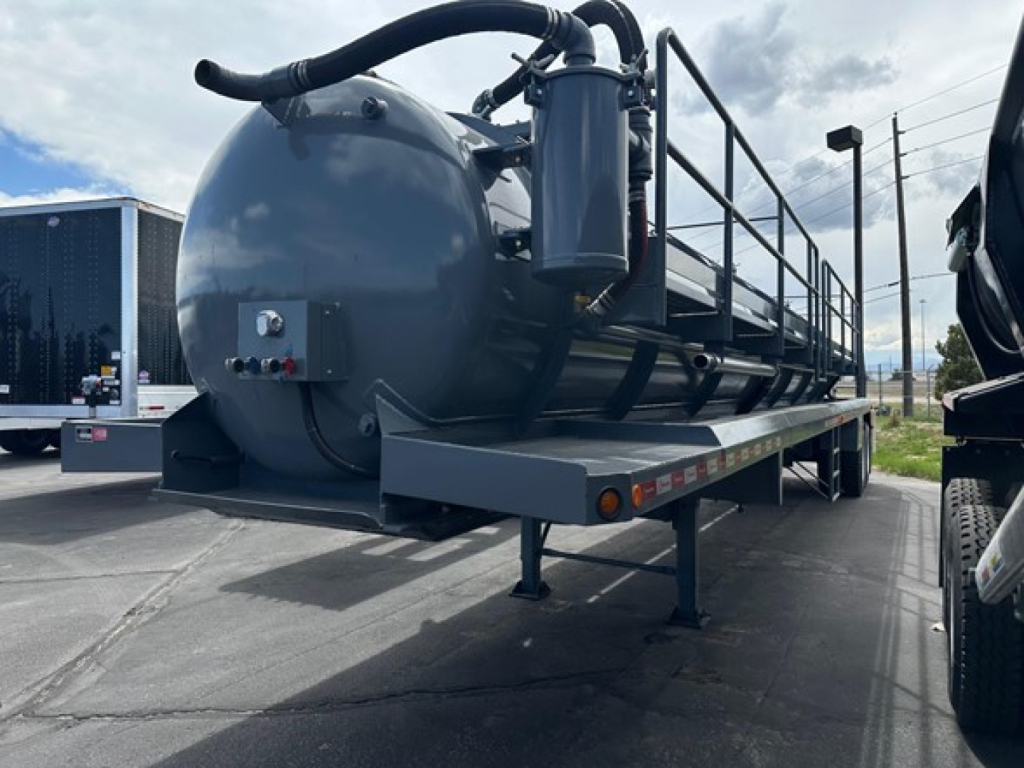
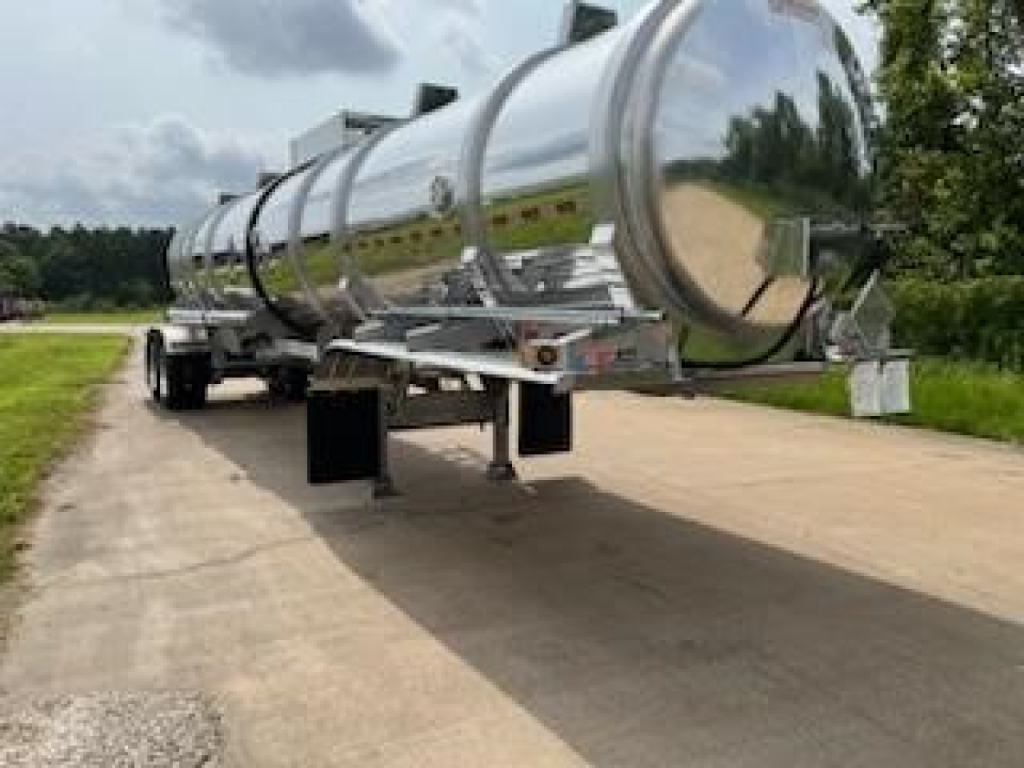
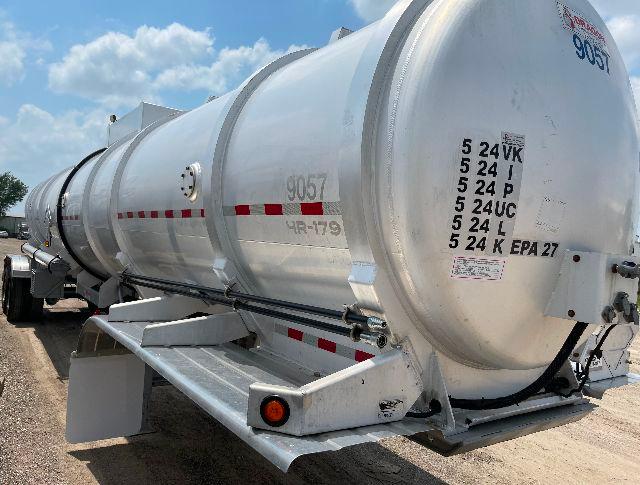
For crude service, pay close attention to whether the trailer is built as a coded aluminum tanker or a non-code steel unit for field use. Aluminum construction helps reduce tare weight and can improve payload, while steel construction is common in vacuum and water service where durability and jobsite toughness matter more than weight savings. Specs that affect day-to-day usability include single versus multiple compartments, bottom-load plumbing, vapor recovery, cleanouts, manway count, insulation or jacketing, and pump setup. Double-conical and straight-round tank designs are both common, and each can influence product flow, cleanout access, and how the trailer fits a specific hauling program.
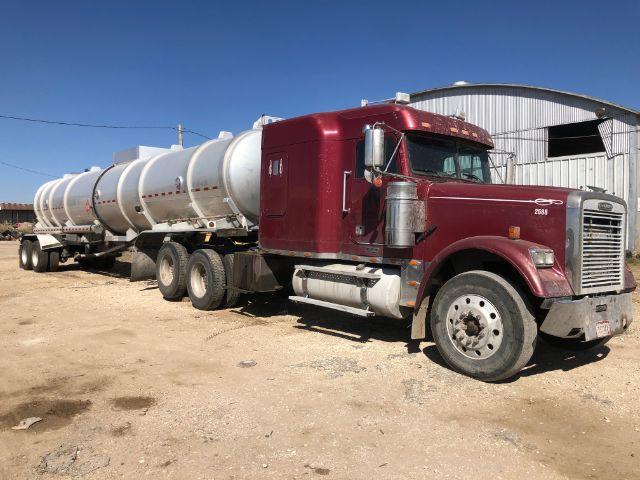
Axle and suspension choices matter on Dragon tank trailers because they directly affect legal payload, roadability, and off-pavement performance. Tandem axles remain common for crude and smaller vacuum applications, while tri-axle setups and lift axles show up on higher-capacity water and vacuum trailers where bridge compliance and load distribution are more critical. Air ride suspension is widely preferred for stability and equipment protection, especially on mixed highway and lease-road service. Tire size, wheel material, landing gear, fenders, walkway design, handrails, work lights, sight glasses, level gauges, and rear protection all deserve a close look because these details influence uptime and driver safety.
A good buying decision comes down to matching the trailer to the product, route, and loading method. Check barrel-to-gallon conversion against local weight limits, verify the required code plate for the commodity being hauled, and inspect the vacuum system or pump package if the trailer will work in oilfield fluid service. Used Dragon trailers should be reviewed for tank shell condition, frame integrity, suspension wear, manway sealing surfaces, plumbing leaks, and evidence of internal corrosion or prior patching. If the trailer will operate across multiple sites or states, confirm the spec matches the regulatory and operational requirements before comparing price alone.
Frequently Asked Questions
What are Dragon trailers commonly used for?
Dragon trailers are commonly used for crude oil hauling, vacuum service, produced water transport, and other oilfield fluid applications. The brand is frequently seen in DOT-coded crude tank trailers and non-code vacuum or water tank trailers. Typical use cases include lease-road service, terminal loading, fluid recovery, and transport between field locations and disposal or processing sites.
What is the difference between a DOT 407 Dragon tanker and a non-code Dragon vacuum trailer?
A DOT 407 trailer is built and certified for specific hazardous liquid transport requirements, which makes it suitable for regulated product hauling such as many crude oil applications. A non-code vacuum trailer is generally intended for field service and bulk fluid movement where a DOT cargo tank specification is not required for the product and route. Buyers should always confirm commodity compatibility, code plate requirements, and state or federal compliance before purchasing.
Should I choose aluminum or steel on a Dragon tank trailer?
Aluminum is typically chosen when lower empty weight and higher payload are priorities, especially in crude hauling. Steel is often preferred in vacuum and water service because it holds up well in demanding field conditions and can be more practical for heavy-duty jobsite use. The right choice depends on the commodity, corrosion exposure, expected payload, repair environment, and the roads the trailer will run.
What capacity range is typical for Dragon vacuum and crude trailers?
Many Dragon vacuum and crude trailers in this class fall in the 130 to 200 barrel range, which is roughly 5,460 to 8,400 gallons depending on the exact configuration. Capacity is only part of the equation, because legal payload also depends on tank material, axle count, suspension setup, and local bridge and weight laws. A larger barrel rating does not automatically mean better productivity if the trailer cannot scale legally on your routes.
What should I inspect on a used Dragon trailer?
Start with the tank shell, frame rails, suspension, axle alignment, brakes, tires, and wheel ends. On tanker applications, inspect manways, gaskets, valves, plumbing, cleanouts, vapor recovery components, and bottom-load equipment for leaks, wear, or damage. On vacuum trailers, evaluate the pump system, baffles, sight glasses, gauges, and evidence of internal corrosion or previous repairs, because those items affect both safety and operating cost.