
Double Drop Deck Trailers For Sale
Shop double drop deck trailers built for low deck height, tall freight, and heavy haul work with detachable neck, tandem, and tridem options.
Learn moreBrowse Double Drop Deck Trailers by Make
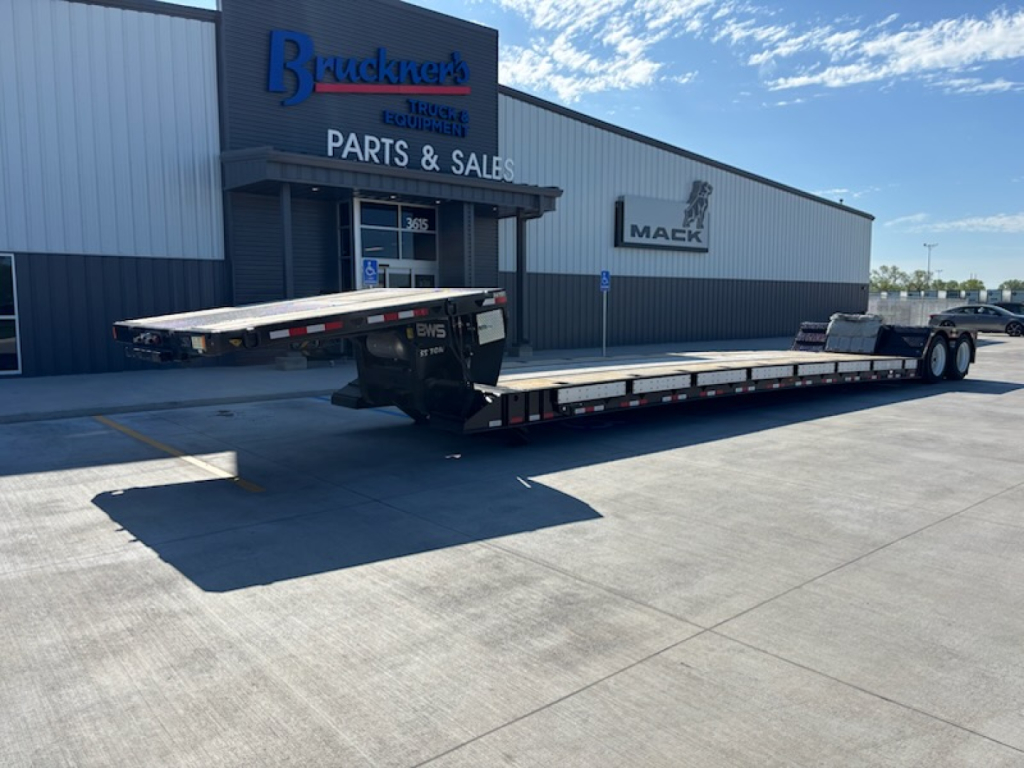
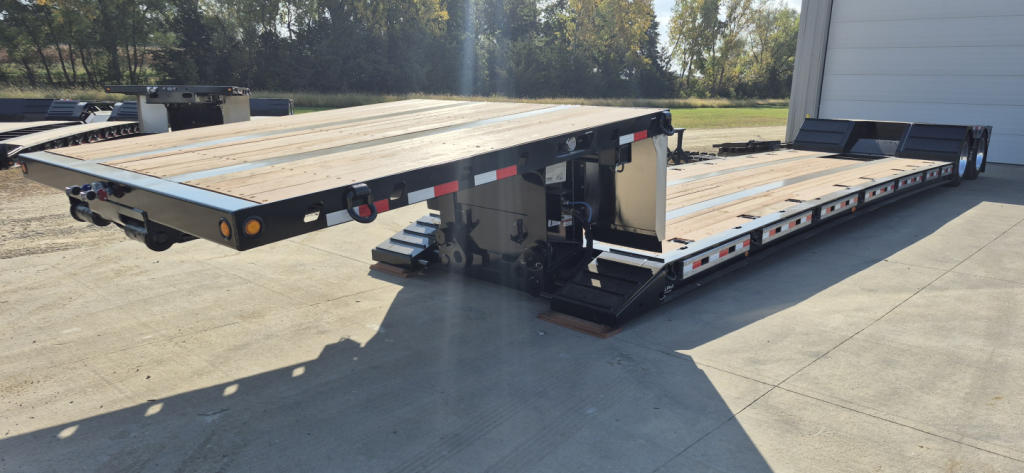

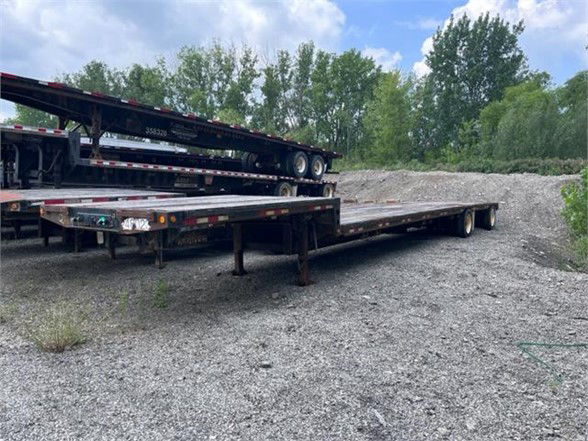
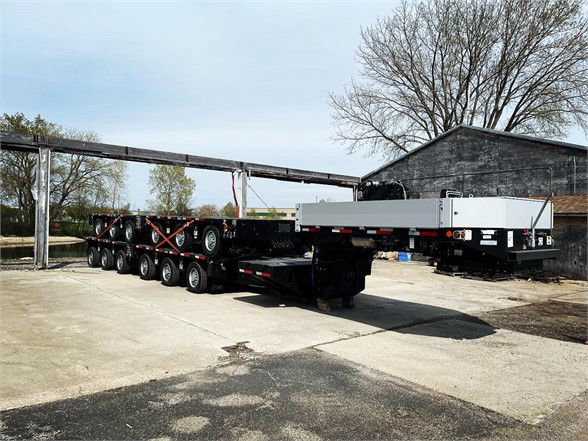
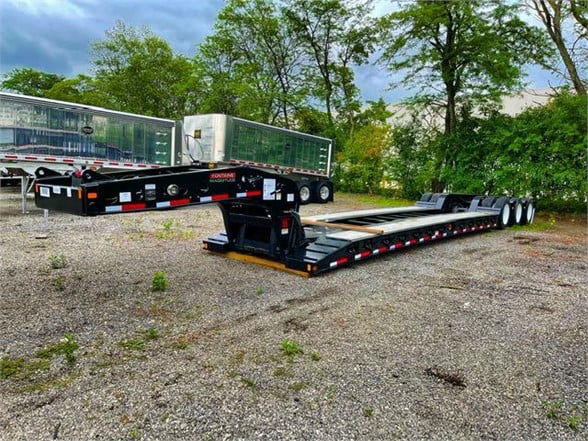
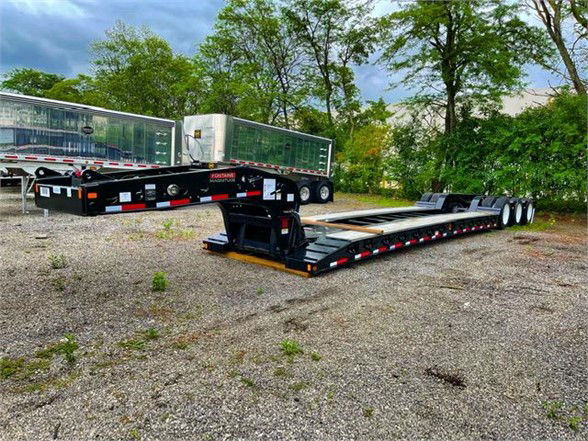
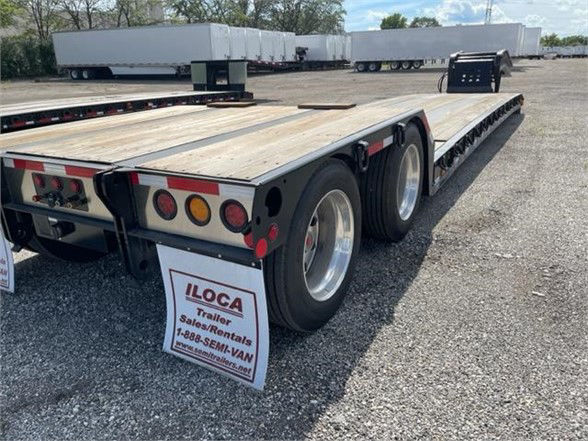
Showing 1 to 12 of 14 results
Have double drop deck trailer to sell? List it here to reach thousands of buyers.
About Double Drop Deck Trailers
Neck style matters because it affects loading method, maintenance, and day-to-day versatility. Mechanical detachable gooseneck trailers are common for fleets that want a simpler setup and lower acquisition cost, while hydraulic detachable neck models speed up loading and unloading for frequent equipment moves. In heavier applications, buyers often look at 40-ton to 55-ton class trailers with tandem or tridem axle groups, air ride suspension, and provisions for a flip axle or jeep. Swing clearance, ground clearance, kingpin setting, axle spacing, and bridge formula considerations all affect what can be hauled legally and efficiently, especially when the work crosses multiple states.
The deck itself deserves close attention. Outriggers are important when hauling machinery with wider tracks or when supporting oversized loads with cribbing or decking accessories. A flat level deck is preferred for certain concentrated loads, while sloped approaches and traction cleats help with loading rubber-tired and tracked equipment. Buyers should also look at deck construction, floor type, crossmember design, rear deck length, and connection points for accessories such as flip boxes, close-coupled flip axles, and spreader bars. Aluminum outside wheels, centralized grease points, and durable coatings can reduce operating cost over time, especially on trailers that see year-round heavy haul service.
A good double drop deck trailer is matched to the freight first, then to the route and permit environment. Capacity rating alone does not tell the whole story because legal payload depends on axle group rating, trailer configuration, and state regulations. If the typical load is a 29-foot excavator, crane component, transformer, or high-profile industrial machine, compare deck opening, loaded deck height, rear deck length, and neck type before focusing on price. The right trailer in this category should load safely, scale predictably, and give enough flexibility to handle both routine moves and the occasional permit-heavy specialized haul.
Frequently Asked Questions
What is the difference between a double drop deck trailer and a step deck trailer?
A double drop deck trailer has two deck drops, one behind the neck and one before the rear axles, which creates a very low center deck. A step deck has one drop from the front deck to the main deck but does not drop again over the axles. The lower center deck on a double drop allows taller freight to ride lower and stay within legal height more easily, which is why this trailer type is common in heavy haul and over-dimensional applications.
What kinds of loads are double drop deck trailers commonly used for?
Double drop deck trailers are commonly used for construction equipment, farm machinery, cranes, loaders, pavers, tanks, generators, industrial process equipment, and fabricated components that are too tall for a flatbed or standard step deck. They are especially useful when the freight has high overall height, concentrated weight, or loading requirements that call for a detachable neck and a low center deck.
How do I choose between a mechanical detachable neck and a hydraulic detachable neck?
A mechanical detachable neck is generally simpler and less expensive, and it works well for buyers who do not detach the neck constantly. A hydraulic detachable neck is faster and more convenient for frequent loading cycles, especially in equipment hauling operations where uptime matters. The choice usually comes down to loading frequency, available tractor wet-line setup, maintenance preference, and how much productivity value the hydraulic system adds to your operation.
What specs matter most when comparing double drop deck trailers?
The most important specs are loaded deck height, well length, overall capacity, neck type, swing clearance, axle configuration, axle spacing, rear deck length, and ground clearance. Buyers should also review outriggers, deck width, suspension type, floor construction, and compatibility with flip axles or jeeps. These details affect legal loading, ease of use, and the range of freight the trailer can handle without permit or clearance problems.
Does a higher ton rating mean I can legally haul more weight in every state?
No. A trailer's ton rating describes its structural capability, but legal payload depends on axle ratings, axle spread, bridge law, tractor setup, and each state's permitting rules. A 40-ton or 55-ton double drop may be built for heavy concentrated loads, but the actual legal gross weight on the road can vary significantly by configuration and route. Buyers should evaluate the complete combination, not just the trailer rating stamped on the spec sheet.