
Digger - Derrick Trucks For Sale
Digger derrick trucks for utility and telecom work. Compare torque, sheave height, outrigger design, body materials, tare weight, and corrosion protection.
Learn moreBrowse Digger - Derrick Trucks by Make

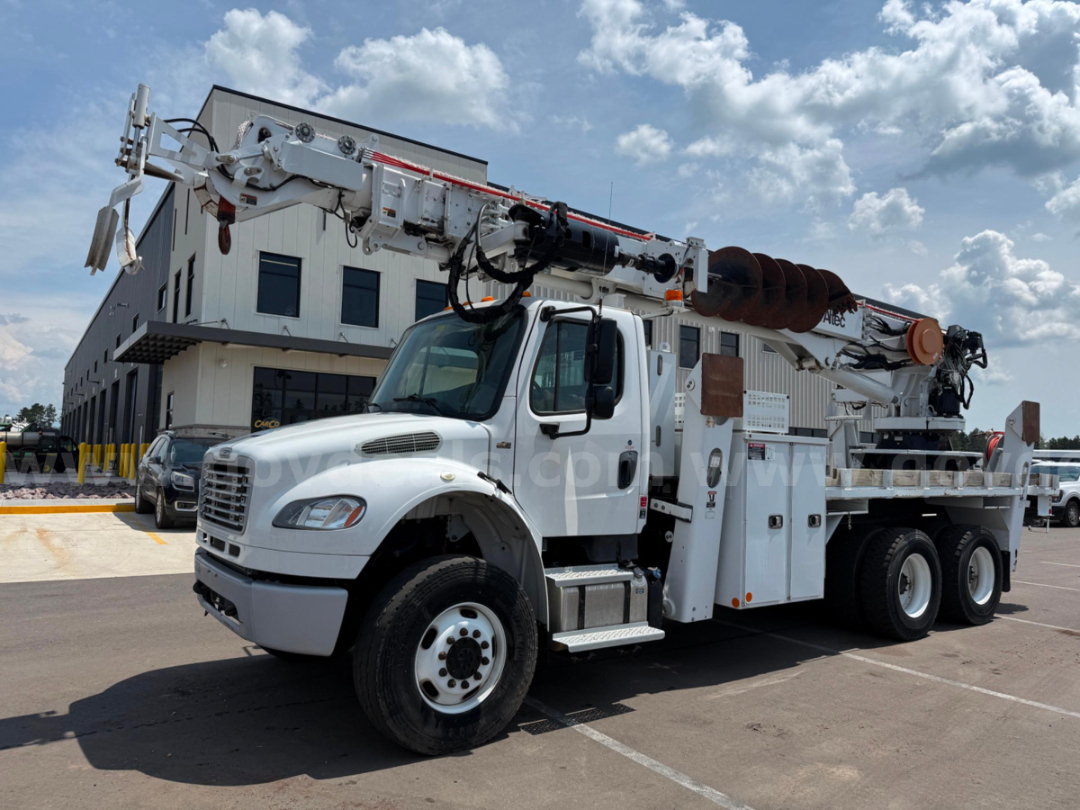
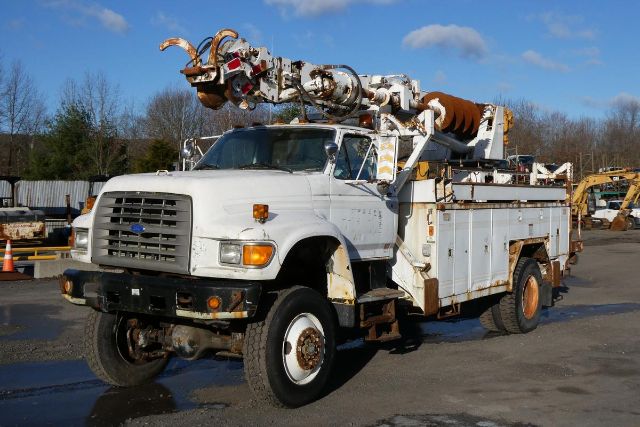
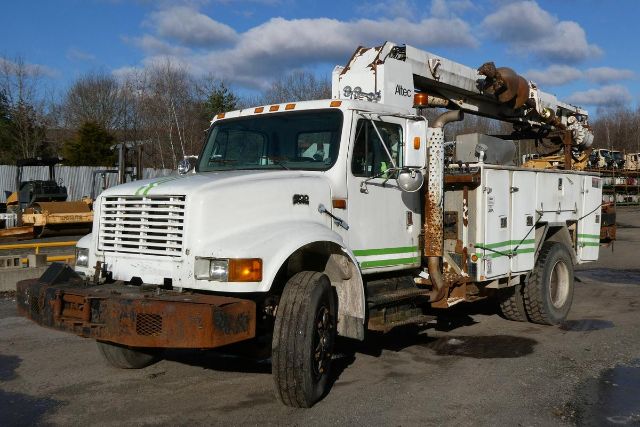
Have digger - derrick truck to sell? List it here to reach thousands of buyers.
About Digger - Derrick Trucks
The backbone of a durable digger derrick is the subframe and deck. Look for a torsion resistant pedestal base that spreads load across double frame rails or a reinforced chassis insert, and inspect how the outriggers are boxed into the sill structure. Floor strength matters because point loads from poles, cribbing, and auger flights concentrate on small areas, so a 3 by 5 crossmember grid or closer, plus 3 over 16 or 1 over 4 inch tread plate floors, resists denting and keeps compartments square. Scuff liners in the rear work area protect sidewalls from augers and poles. Thermal integrity shows up in two places, the fiberglass boom and liners that must keep their dielectric rating under heat and UV, and the hydraulic system that needs adequate cooling so dig speeds and holding power do not fade after long cycles.
Tare weight drives payload and axle loading. Steel bodies and pedestal weldments offer impact resistance and lower upfront cost, but add weight and can rust in salt states. Aluminum or composite service bodies save several hundred pounds, resist corrosion, and keep more payload for poles and tooling, but they need proper isolation washers and reinforced mounting points so the pedestal does not induce cracking. Galvanneal or e coated steel, stainless hardware, sealed electrical connectors, and hot dip galvanized outrigger boxes slow corrosion. Pay close attention to rust jacking under outrigger beams and at body mount sills. For chassis, match GVWR, wheelbase, and front axle rating to boom length and nose weight, and consider 6 by 4 or 6 by 6 with cross locks for off road pole yards.
Operational features affect productivity in the hole. Common auger ranges run 8 to 24 inches with 10,000 to 30,000 foot pounds of torque, and continuous rotation dig motors reduce hose twist. A radial outboard outrigger gives a small footprint in tight alleys, an A frame outrigger gives maximum spread for tall sets. Remote proportional controls improve feathering, load moment indicators and pole guides help protect the structure, and an oil cooler maintains hydraulic temperature to preserve thermal integrity during summer work. Verify ANSI A10.31 compliance, understand that most digger derricks are not intended for energized work unless specifically equipped and tested, and review maintenance records for annual dielectric, rope, and NDT inspections.
Frequently Asked Questions
How do I size boom height and auger torque for my work mix?
Match sheave height to your tallest pole plus a safety margin, then set auger torque to soil conditions. Rocky or hard caliche soils need higher torque and down pressure, while sandy loam can run lower torque with flighting designed to carry spoil. If you routinely set 45 to 65 foot poles, a mid height boom with 35 to 50 foot sheave height and 20,000 foot pounds of torque is common, heavy transmission or rocky work may justify 25,000 foot pounds or more.
Steel, aluminum, or composite body, which offers the best trade off?
Steel delivers high impact resistance and lower initial cost, but adds tare weight and needs aggressive corrosion protection in salt and coastal regions. Aluminum and composite bodies cut weight, increase payload, and naturally resist corrosion, but they rely on proper isolation washers, reinforced pedestal mounts, and correct torque on fasteners to prevent fretting. Many buyers choose aluminum doors and boxes on a reinforced steel subframe to balance floor strength, tare weight, and longevity.
Are digger derrick booms insulated for energized line work?
Most digger derricks are designed for setting and lifting, not for energized work. Some models include fiberglass boom inserts and dielectric isolation at the controls, and can be tested to specific ratings, but many are not certified for live line tasks. Always verify ANSI A10.31 compliance, review dielectric test records if applicable, and follow your utility safety rules before planning any energized contact.
What should I inspect to confirm floor strength and structural integrity on a used unit?
Check the deck for oil canning and soft spots, look underneath for closely spaced crossmembers and intact welds, and inspect the pedestal base for cracked gussets or elongated bolt holes. Cycle the outriggers under load, listen for frame pop, and look for rust jacking around outrigger boxes. Examine boom pins and bushings for play, test winch brake holding power, and review NDT, rope, and annual inspection reports.
How do outrigger styles affect stability and jobsite access?
A frame outriggers provide wide stance stability and high capacity, useful for tall poles and uneven ground, but need more lateral space. Radial or out and down outriggers can fit tighter alleys and urban easements, reduce setup time, and minimize lane blockage, but may offer less spread at maximum extension. Choose based on your typical right of way, then confirm ground bearing pressure with proper pads to protect pavement and soil.