
Conventional Sleeper Trucks For Sale in Utah
Browse conventional sleeper trucks with specs that matter: engine, transmission, wheelbase, bunk, fuel capacity, and long-haul readiness.
Learn more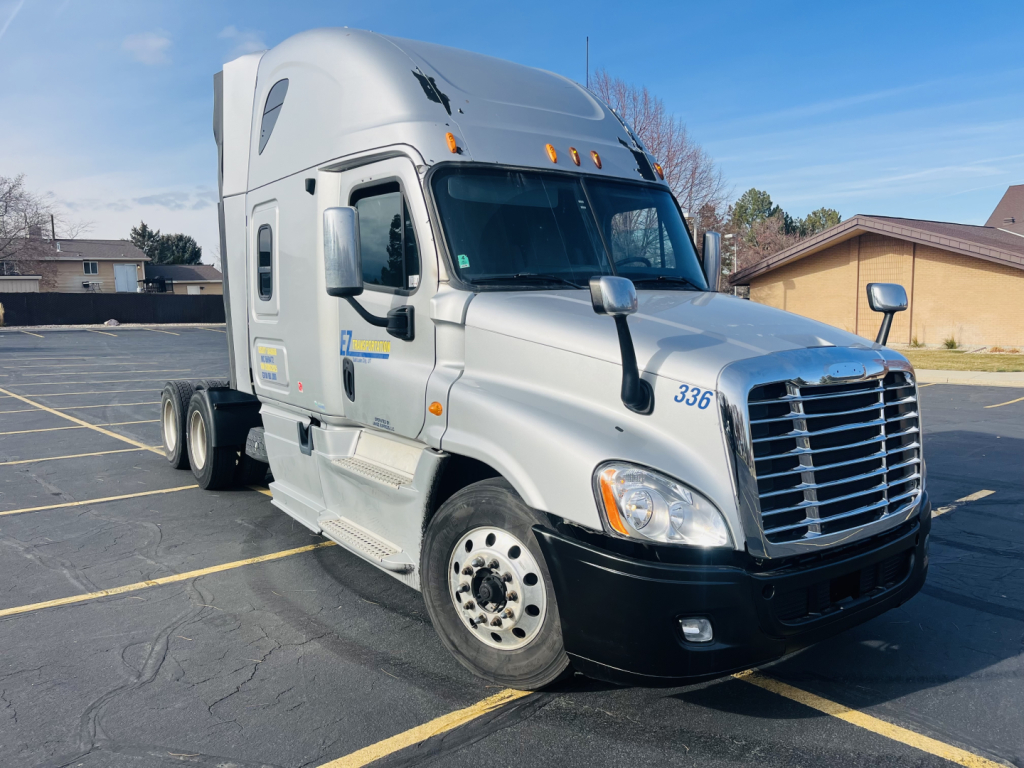
Have conventional sleeper truck to sell? List it here to reach thousands of buyers.
About Conventional Sleeper Trucks in Utah
The first decision is usually engine and transmission. In the used market, you will commonly see Detroit DD13 and DD15, Cummins ISX and X15, Paccar MX engines, and Volvo D13 platforms. Horsepower often falls in the 400 to 505 hp range, with torque commonly between 1,550 and 1,850 lb-ft depending on intended haul weight. Transmissions may be 10-speed, 13-speed, or 18-speed manuals, along with automated manual transmissions that improve consistency and reduce driver fatigue. Manual gearboxes still appeal to some buyers pulling heavy or running mountain corridors, while AMTs are popular for fleet efficiency and easier driver onboarding. Rear axle ratio, wheelbase, and fuel tank capacity also matter because they directly affect gradeability, maneuverability, and total range.
Sleeper configuration should be matched to the work. A mid-roof or raised-roof sleeper may include a single bunk or double bunk setup, cabinet storage, inverter provisions, and space for a refrigerator or microwave. Drivers running multi-day trips usually want more interior height, more storage, and enough bunk space to stay compliant and comfortable on reset periods. On the chassis side, look for suspension type, fifth wheel setup, tire condition, brake history, and signs of proper maintenance in the driveline and aftertreatment system. On older emissions trucks, service records for DPF, DOC, EGR, turbo, injector, and overhead work are especially important. If an overhaul has been performed, buyers should verify who did the work, what components were replaced, and how many miles have been logged since completion.
A good conventional sleeper truck should fit the lane, not just the budget. Regional operations may prioritize lower weight and tighter wheelbase, while long-haul buyers may place more value on larger sleepers, dual tanks, fairing condition, and highway gearing. In Utah and across the Mountain West, cooling system health, strong engine brakes, and dependable drivetrain performance are worth extra attention because terrain and climate can accelerate wear. The best listings in this category usually stand out for documented maintenance, clean chassis condition, stable emissions history when equipped, and a spec that matches the freight being hauled.
Frequently Asked Questions
What is a conventional sleeper truck?
A conventional sleeper truck is a highway tractor with the engine mounted in front of the cab and a built-in sleeping compartment behind the driver area. It is designed for over-the-road and regional applications where the driver may spend one or more nights in the truck. Compared with day cabs, sleeper models provide bunk space, storage, and more comfort for long-distance operation.
What specs matter most when buying a used conventional sleeper truck?
The most important specs are engine model, horsepower and torque rating, transmission type, rear axle ratio, wheelbase, sleeper size, and fuel capacity. Buyers should also pay close attention to maintenance records, emissions system history, suspension type, brake condition, tire wear, and any major engine or transmission repairs. A truck with the right drivetrain spec for the freight and terrain usually performs better than one chosen only by price or mileage.
Are manual or automated transmissions better in a sleeper tractor?
Neither is universally better. A manual transmission can offer more control in steep grades, heavy haul situations, and certain specialized operations. An automated manual transmission is often preferred for fuel economy consistency, reduced driver fatigue, and easier training across multiple drivers. The better choice depends on route profile, driver preference, maintenance support, and how the truck will be dispatched.
What sleeper size should I look for?
Sleeper size should match trip length and driver needs. Shorter regional routes may only require a compact sleeper with basic bunk space, while multi-day over-the-road runs typically benefit from a raised-roof sleeper with more storage, standing room, and room for onboard amenities. Team operations or situations requiring more in-cab living space often make a double bunk sleeper more practical.
Why are powertrain specs especially important for buyers in Utah?
Utah routes often involve sustained highway speeds, mountain grades, elevation changes, and temperature swings. Those conditions make engine torque, cooling system condition, engine brake performance, and proper gearing more important than they might be in flatter regions. A truck that is well spec'd for western terrain will generally be easier to operate, more dependable under load, and less costly to keep productive.