
Conventional Sleeper Trucks For Sale in Ohio
Browse conventional sleeper trucks in Ohio with tandem axles, mid-roof and raised-roof sleepers, diesel power, and highway-ready specs.
Learn moreBrowse Conventional Sleeper Trucks by Make
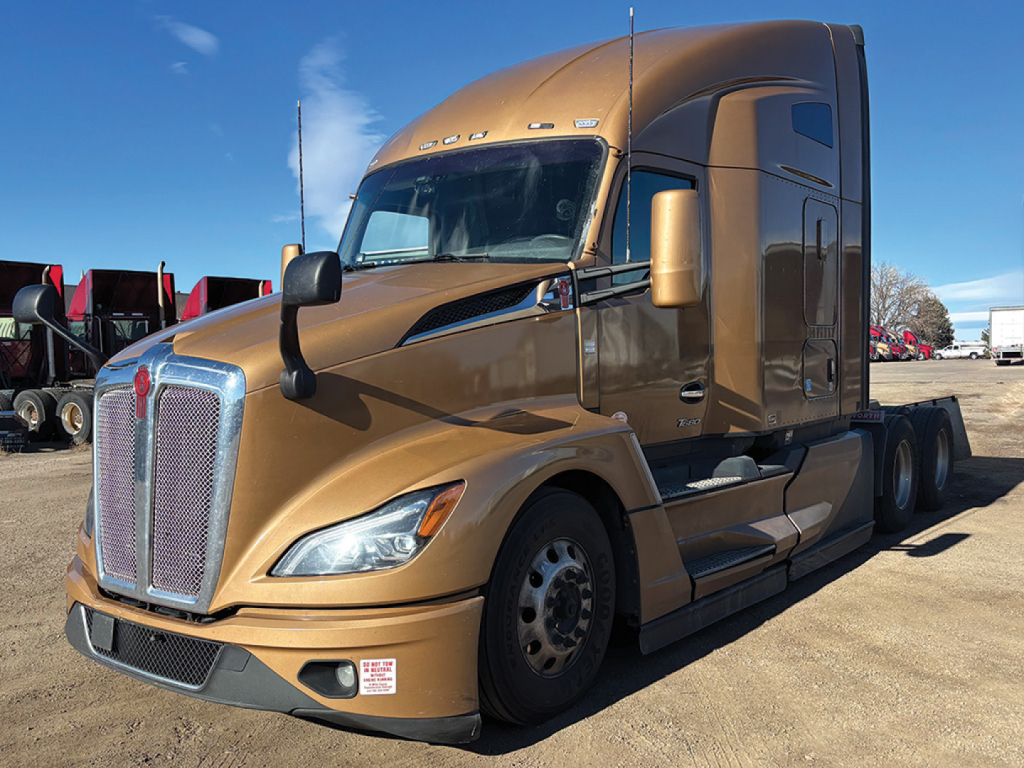
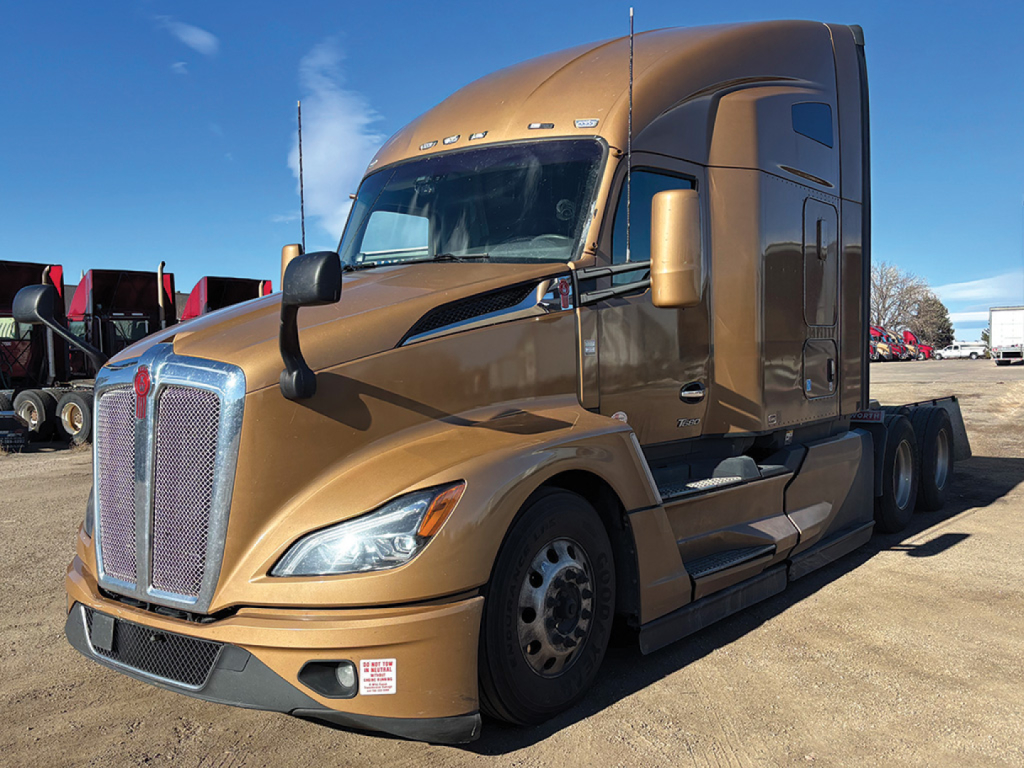
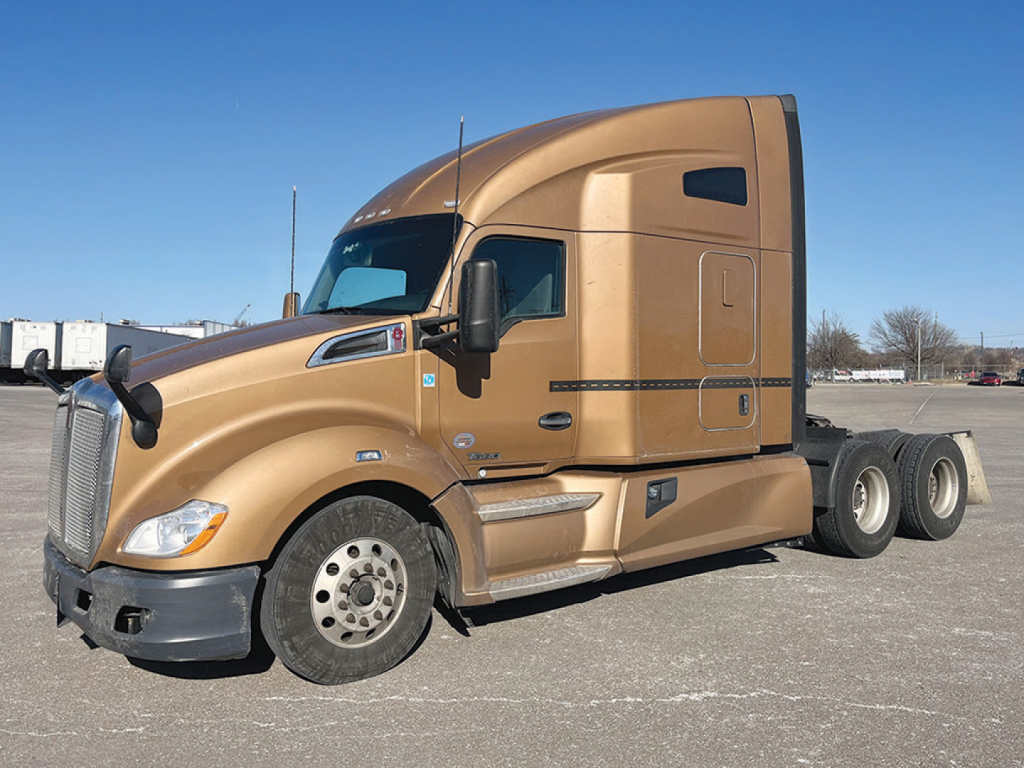
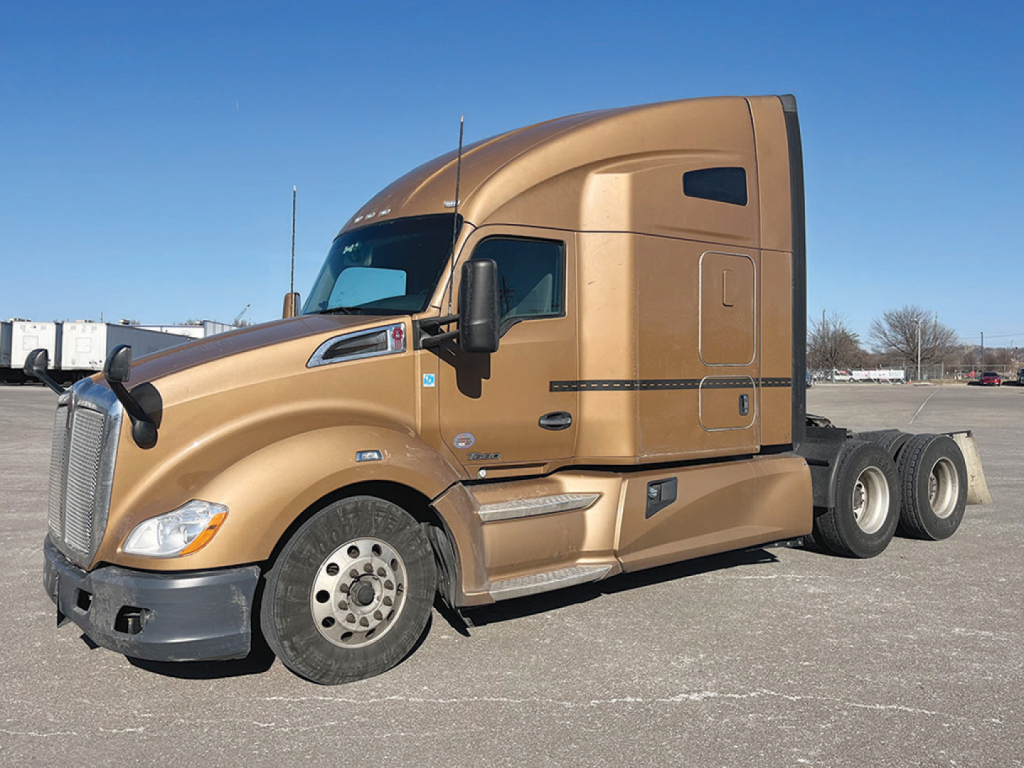
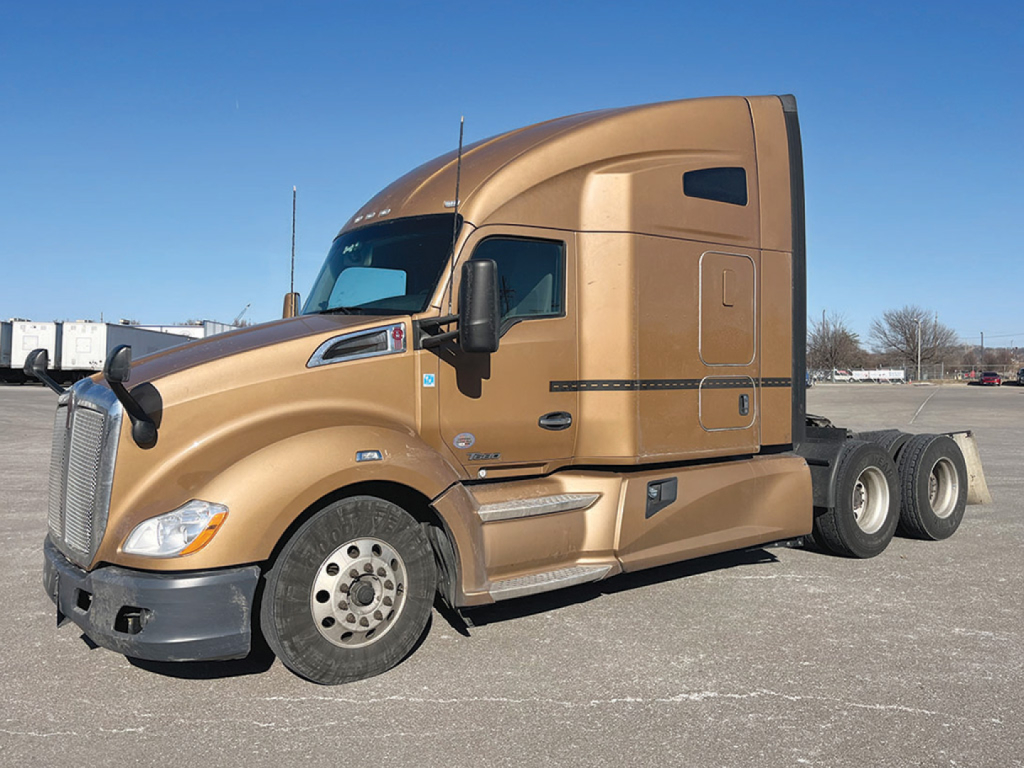
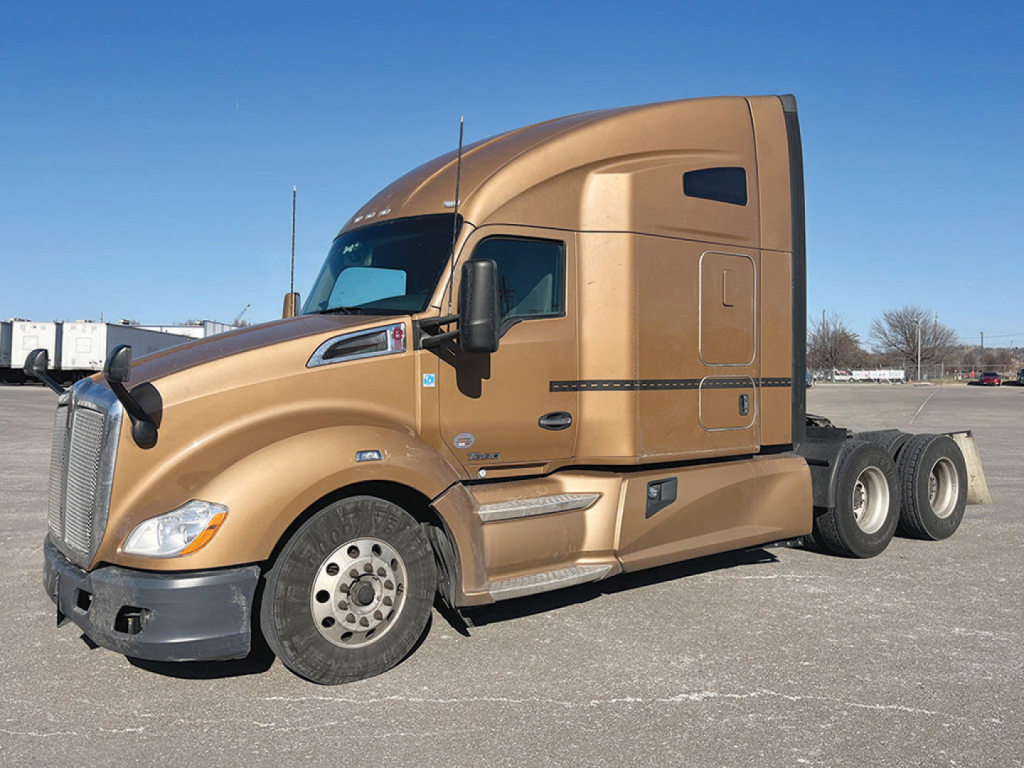
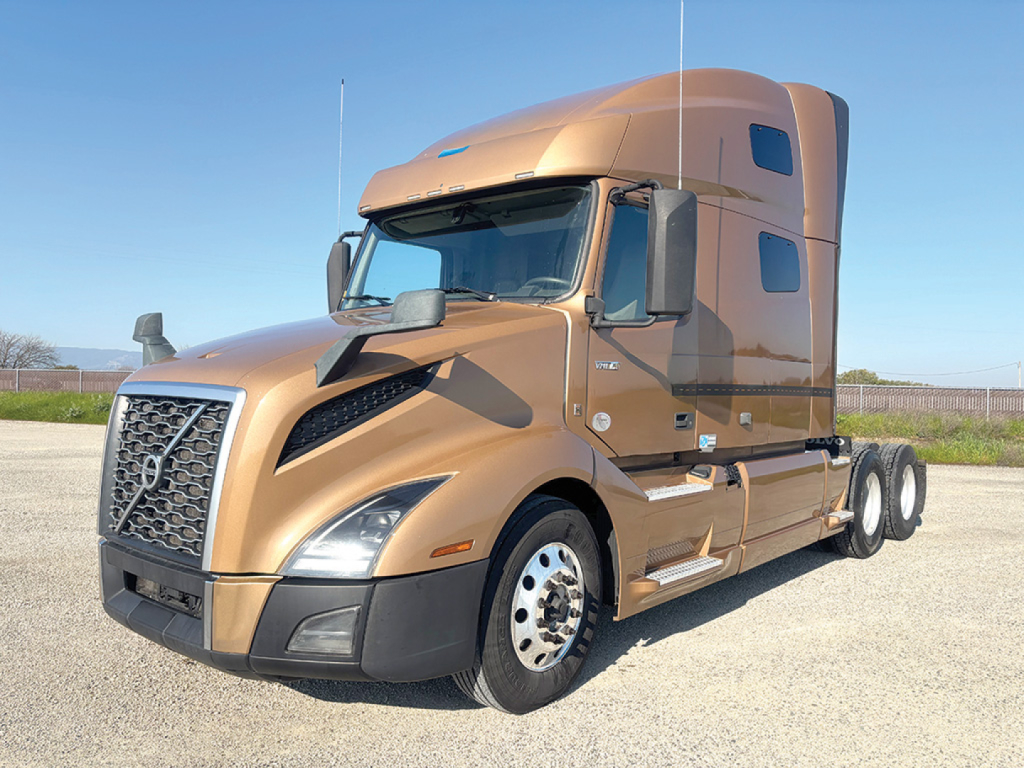
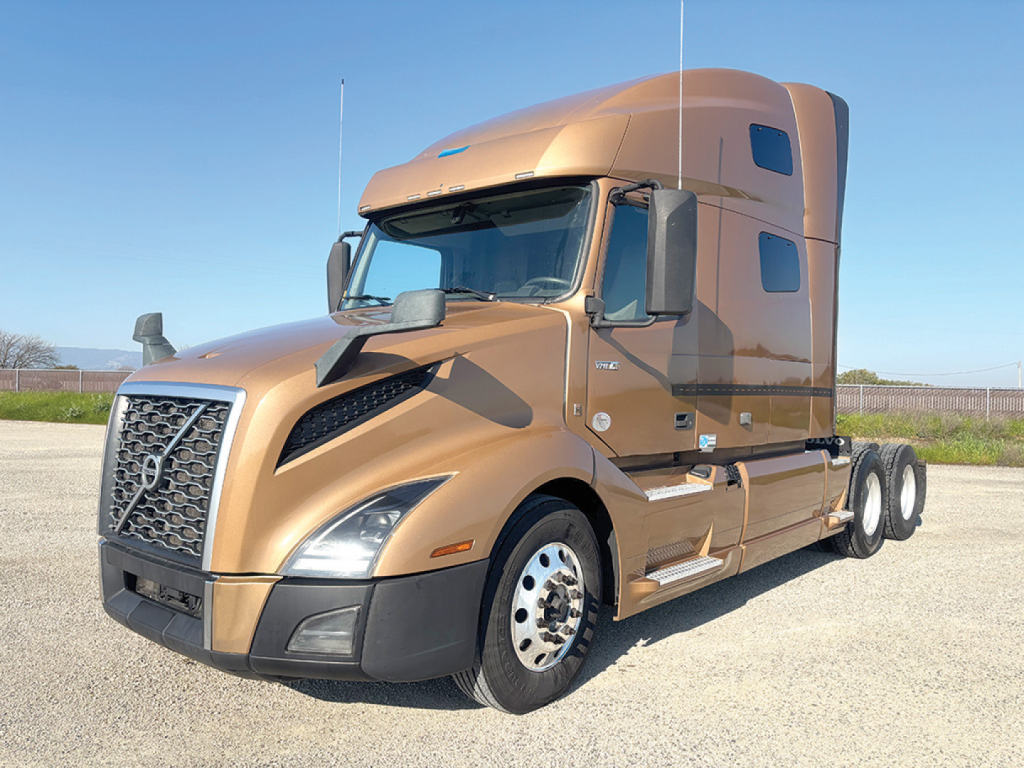
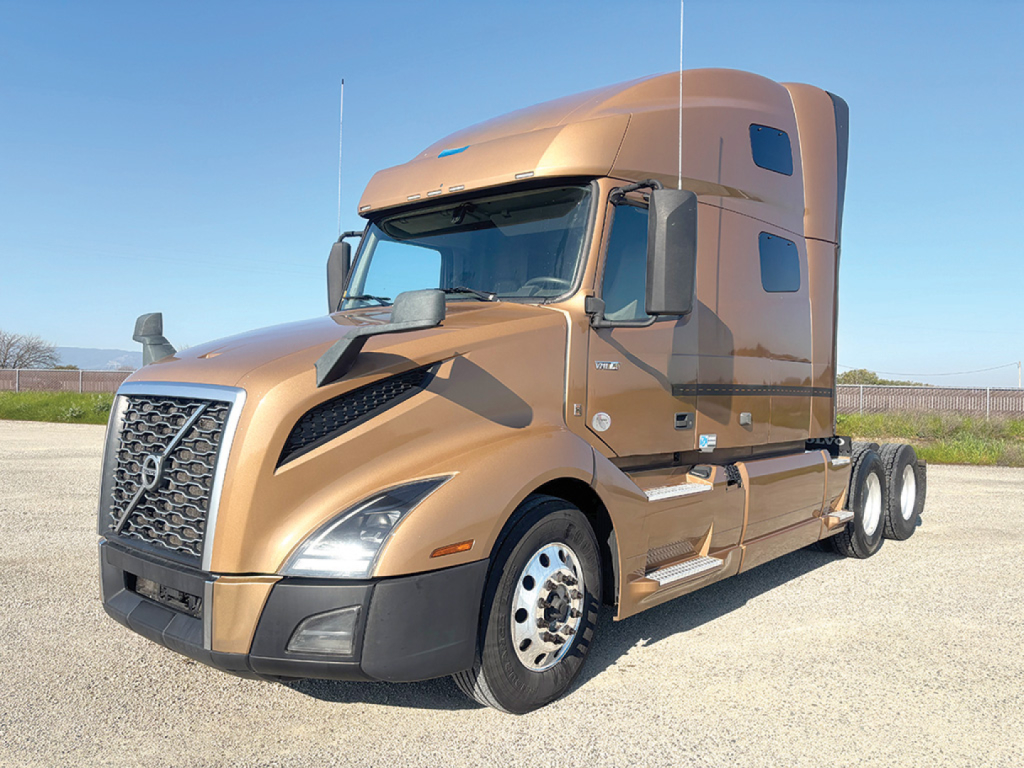

Have conventional sleeper truck to sell? List it here to reach thousands of buyers.
About Conventional Sleeper Trucks in Ohio
The core buying decision is matching the truck to the freight lane and operating model. A conventional sleeper used in Ohio often sees a mix of interstate highway miles, warehouse deliveries, and changing seasonal conditions, so wheelbase, axle ratings, and tire setup matter. Tandem rear axles with air ride suspension remain the most common setup for general van, reefer, and flatbed service. Sliding fifth wheels help adapt to trailer kingpin settings and bridge laws, while aluminum wheels, fairings, and aerodynamic mirrors can help trim weight and improve fuel efficiency. Many late-model sleeper tractors also include APUs, bunk heaters, inverter prep, and driver-assist features that reduce idle time and improve retention.
Engine and transmission specs should be reviewed as a complete package rather than as standalone numbers. A 13-liter platform such as a Volvo D13, Detroit DD13 or DD15, Cummins X15, or PACCAR MX series is common in this segment because it balances horsepower, torque, and fuel economy for general freight. Automated manual transmissions dominate the late-model market due to easier driver onboarding and more consistent shift logic in linehaul service. Buyers should still check rear axle ratio, tire size, and cruise speed because those details have a direct effect on gradeability, fuel burn, and drivability. If the truck will pull heavy loads or run in hilly territory, torque rating and gearing can matter more than peak horsepower.
Cab condition and sleeper layout have a real impact on lifecycle cost. Interior storage, bunk configuration, HVAC performance, insulation, and APU operation affect driver comfort and uptime, especially on multi-day runs. On the chassis side, review wheelbase, frame condition, front axle capacity, suspension type, emissions system service history, and signs of uneven tire wear. Conventional sleeper trucks are built for versatility, but the best value comes from choosing a spec that fits the trailer type, average payload, route length, and maintenance plan rather than simply buying the newest model year or highest horsepower available.
Frequently Asked Questions
What is a conventional sleeper truck?
A conventional sleeper truck is a highway tractor with a hooded conventional cab and a built-in sleeper compartment behind the driver area. It is designed for routes that require overnight stays and is commonly used in dry van, reefer, flatbed, and dedicated linehaul operations. Compared with a day cab, the sleeper adds a bunk area, storage, and often more room for HVAC, power inverters, and driver amenities.
What sleeper size is best for regional versus over-the-road use?
Regional operations often do well with a mid-roof sleeper in the 48-inch to 72-inch range because it provides a bunk and basic storage without adding as much weight or wheelbase. Over-the-road fleets and owner-operators running longer trips typically prefer larger raised-roof sleepers for more standing room, cabinet space, and better livability. The right choice depends on trip length, driver turnover, payload sensitivity, and how much time the truck will spend away from the home terminal.
Are automated manual transmissions a good choice in conventional sleeper trucks?
Yes, automated manual transmissions are the dominant choice in late-model conventional sleepers because they simplify training, reduce shift-related driveline abuse, and help maintain consistent fuel economy. They work especially well in linehaul and regional service where the truck spends a high percentage of time on the highway. Buyers should still confirm transmission model, software support, clutch condition where applicable, and compatibility with the engine and rear axle ratio.
What specs matter most when buying a used conventional sleeper tractor?
The most important specs are engine family, horsepower and torque rating, transmission type, rear axle ratio, wheelbase, axle capacities, suspension, sleeper size, and fifth wheel setup. Mileage and model year matter, but maintenance history often matters more, especially for emissions components, aftertreatment service, and engine overhead intervals. Tire wear, alignment, frame condition, and signs of excessive idle time can also reveal how the truck was operated and maintained.
Is a 6x4 conventional sleeper the most common configuration?
Yes, a 6x4 tandem drive conventional sleeper is the most common setup for general freight because it offers strong traction, broad trailer compatibility, and solid resale appeal. It fits a wide range of applications from van and reefer to flatbed and drop-and-hook service. Other configurations exist, but 6x4 remains the benchmark for buyers who need versatility across changing routes, weather, and payload demands.