
Conventional Sleeper Trucks For Sale in North Carolina
Shop conventional sleeper trucks in North Carolina. Compare sleeper sizes, engine specs, axle ratios, wheelbases, and highway-ready features.
Learn moreBrowse Conventional Sleeper Trucks by Make
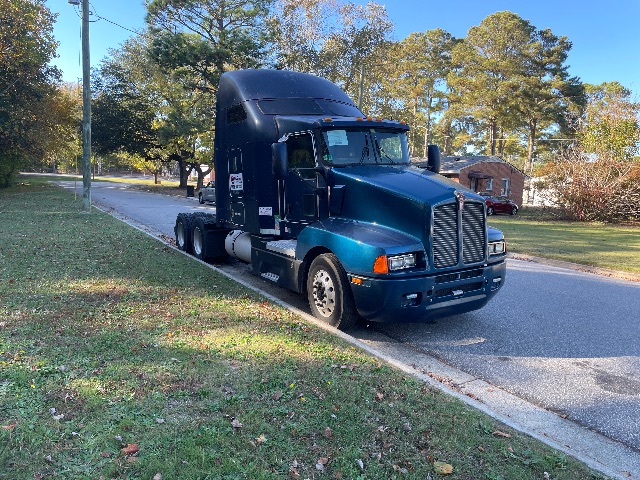
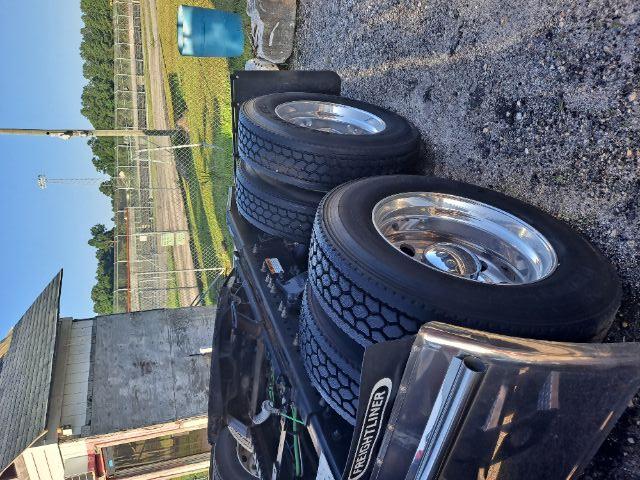
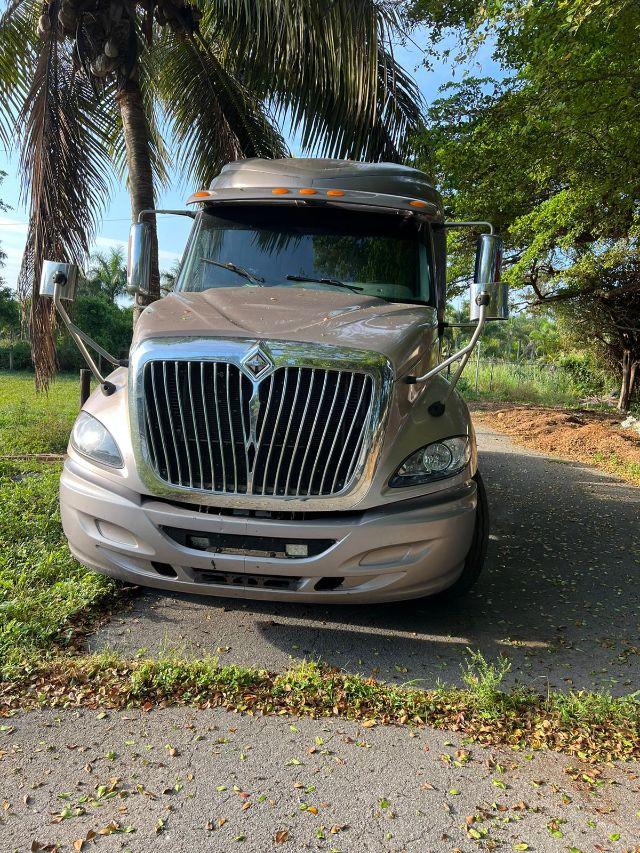
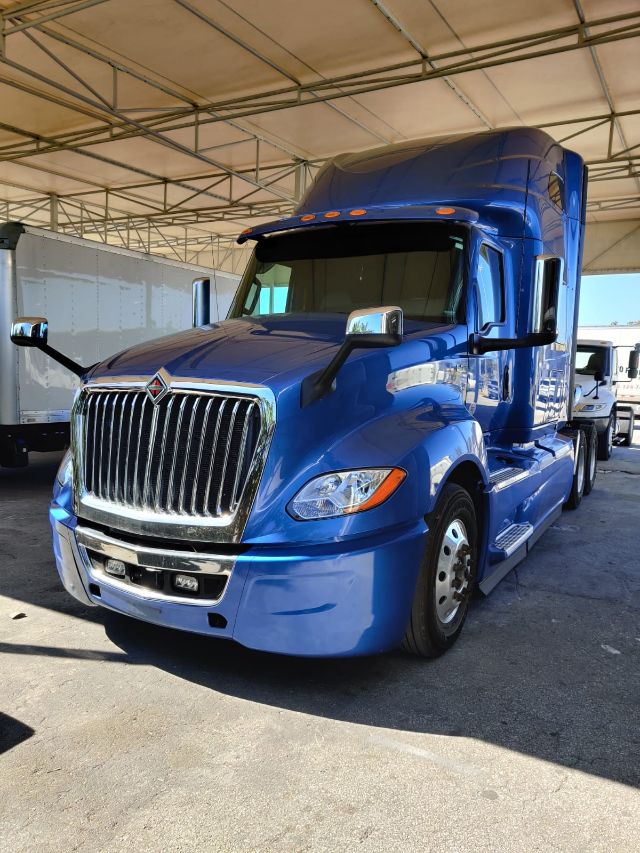
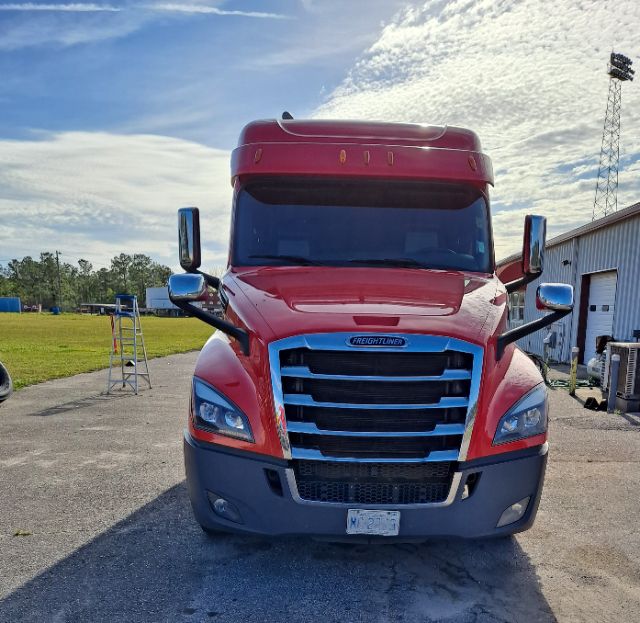
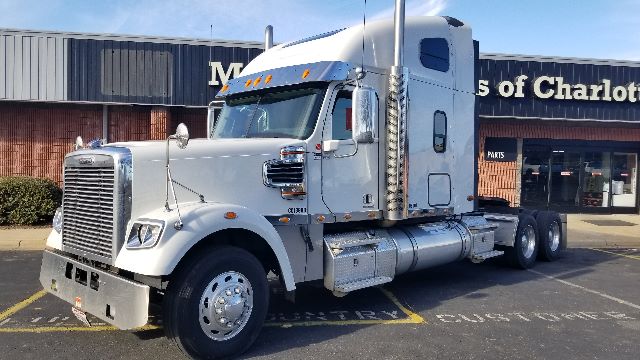
Have conventional sleeper truck to sell? List it here to reach thousands of buyers.
About Conventional Sleeper Trucks in North Carolina
Sleeper size is one of the first decisions to make. A 48-inch sleeper works well for shorter overnight runs and keeps wheelbase tighter for maneuverability and weight control. A 60-inch or 72-inch raised-roof or mid-roof sleeper gives the driver more living space, more storage, and better comfort for extended trips. Common specs in this category include Detroit DD13 or DD15 power, roughly 410 to 505 horsepower, automated manual transmissions like the DT12, 40,000 lb rear axles, and highway-friendly ratios such as 3.08 or 3.23. Buyers should match horsepower, ratio, and tire size to the intended lane. A taller ratio can favor fuel economy on flatter interstate work, while a different spec may be better for heavier gross weights or more stop-and-go terrain.
The most important used-truck checks are usually in the drivetrain, chassis, and sleeper systems. Look closely at engine brake performance, aftertreatment service records, transmission calibration and clutch history on AMTs, suspension condition, fifth wheel wear, and brake type. Disc brakes, air slide or adjustable fifth wheels, aluminum fuel tanks, fairings, cab extenders, and collision mitigation systems are common value points in late-model conventional sleepers. If driver retention matters, features like an APU, bunk heater, upper bunk, premium interior, and good HVAC performance can make a meaningful difference in idle reduction and day-to-day comfort.
A good conventional sleeper should fit the trailer mix and revenue model as much as the driver. Wheelbase affects trailer gap, bridge law flexibility, and turning radius. Fuel capacity matters on long lanes where pricing and stop planning affect operating cost. Aerodynamic packages help on steady interstate miles, while a simpler spec may be easier to maintain in mixed-duty fleets. For many buyers, the best unit is not the one with the most equipment. It is the one with the right sleeper length, axle ratio, engine rating, and maintenance history for the freight it will pull.
Frequently Asked Questions
What is a conventional sleeper truck?
A conventional sleeper truck is a Class 8 highway tractor with a forward hood and a built-in sleeper compartment behind the cab. It is designed for runs that require rest periods, overnight stays, or multi-day trips. Compared with a day cab, a conventional sleeper adds living space, storage, and often more fuel capacity, making it the standard choice for long-haul and many regional applications.
What sleeper size is best: 48-inch, 60-inch, or 72-inch?
The best sleeper size depends on route length, driver needs, and weight sensitivity. A 48-inch sleeper is common for regional work and shorter overnights because it keeps the tractor lighter and more maneuverable. A 60-inch sleeper offers a middle ground with more storage and comfort. A 72-inch sleeper is preferred for long-haul operations where the driver spends more time in the truck and benefits from added headroom, bunk space, and amenities.
Are automated manual transmissions common in conventional sleeper trucks?
Yes. Automated manual transmissions are now common in late-model conventional sleeper trucks because they improve driver consistency, reduce shifting fatigue, and can support fuel economy goals. Systems like the DT12 are widely used in highway fleets. On a used truck, buyers should pay attention to software updates, clutch wear history, calibration, and how the transmission performs under load and during low-speed maneuvering.
What axle ratio works best for highway freight?
Highway freight tractors are often spec'd with ratios such as 3.08 or 3.23, but the right choice depends on gross weight, terrain, engine torque, transmission gearing, and tire size. A numerically lower ratio can help reduce engine rpm at cruise speed and support fuel economy on long interstate runs. Fleets hauling heavier loads, operating in hillier areas, or running more mixed-duty service may prefer a different balance between startability and cruise efficiency.
What should I inspect first on a used conventional sleeper?
Start with service records and then verify the major cost items. Focus on engine and aftertreatment history, oil and coolant condition, transmission operation, axle and suspension wear, brake condition, tire match, and fifth wheel movement. In the sleeper, check the bunk HVAC, heater, APU if equipped, electrical accessories, and signs of water intrusion. A highway tractor can look clean cosmetically and still have expensive drivetrain or emissions issues, so maintenance documentation is often as important as the visible spec.