
Conventional Daycab Trucks For Sale in Illinois
Conventional daycab trucks in Illinois for regional haul, focused on frame strength, tare weight, thermal integrity, and corrosion resistance. Midwest
Learn more
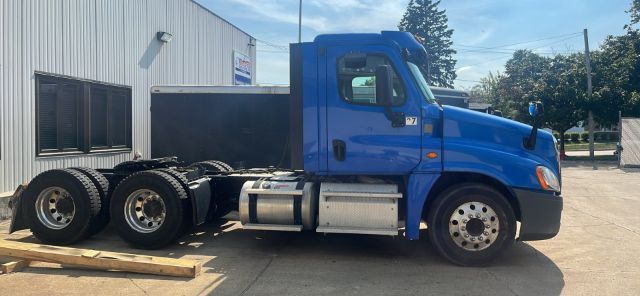
Have conventional daycab truck to sell? List it here to reach thousands of buyers.
About Conventional Daycab Trucks in Illinois
Frame rail section modulus and RBM, crossmember spacing, and fifth wheel mounting determine structural durability, think of this as the tractor’s floor strength. Heavier duty frames and double frame liners resist torsion from frequent docking and off pavement approaches, they add weight. Sliding fifth wheels with long baseplates spread load into the rails and help you fine tune axle weights with different trailer kingpin settings. Spec steer axles in the 12,000 to 14,600 lb range and 40,000 to 46,000 lb tandems according to cargo density, choose air ride for ride quality and spring or vocational air for durability.
Thermal integrity matters in Illinois winters, a tight cab with quality insulation, precise door and windshield seals, and a strong HVAC package keeps the driver comfortable and the windshield clear with less idling. Cold weather packages with block heaters, 3 battery groups with higher reserve, heated mirrors, and winter front options shorten warm up and support aftertreatment performance. Verify DEF lines are heated, look for silicone coolant hoses and quick connect heater fittings that resist leaks in freeze thaw cycles.
Tare weight has a direct impact on revenue payload, consider aluminum wheels, aluminum fuel and air tanks, low mount fifth wheels, compact 13 liter engines, and automated manual transmissions to cut weight while maintaining 1,550 to 1,850 lb ft torque capability. Corrosion resistance is essential with Illinois road salt, aluminum or composite cabs, e coated frames, stainless hardware, sealed electrical connectors, and polymer battery boxes slow rust and preserve resale value. Pay attention to fuel tank placement, wheelbase, and fifth wheel travel so you can scale 12,000 on the steer and 34,000 on the drives with typical van, reefer, or flatbed trailers, verify on a scale after loading.
Frequently Asked Questions
What axle configuration is best for Illinois regional daycab work?
Single axle daycabs save weight and are ideal for lighter freight, intermodal drayage, and tight urban routes where maneuverability is critical. Tandem axle daycabs offer better traction in winter conditions and allow higher legal axle capacity for dense commodities such as steel, grain, or bulk liquids. Match the configuration to target payload, terrain, and traction needs, then confirm that the wheelbase and sliding fifth wheel can legalize axle weights under the 80,000 lb interstate limit.
How do I evaluate structural or floor strength on a daycab tractor?
Review the frame rail RBM rating and section modulus, closer crossmember spacing, and the fifth wheel baseplate and mounting pattern. Heavier RBM rails and double frame liners handle repeated torsion from curbs, ramps, and off pavement work, though they add weight. Inspect frame flanges, crossmember ends, cab mounts, and the fifth wheel pedestal for cracks or elongated holes. A solid structural package preserves alignment, reduces driveline stress, and keeps the cab floor and seat mounts tight over high mileage.
Which specs improve thermal integrity for Illinois winters?
Choose a high capacity HVAC system with good ducting and defrost performance, tight door, glass, and cowl seals, and upgraded cab insulation. Cold weather options such as block heaters, battery blankets or higher reserve batteries, heated mirrors, and a winter front help the engine and aftertreatment reach operating temperature quickly. Heated DEF lines and tanks, silicone coolant hoses, and quality hose clamps reduce cold related faults. Good thermal integrity cuts idle time and keeps drivers productive and safe.
How can I reduce tare weight without sacrificing durability?
Aluminum wheels, aluminum fuel and air tanks, hub piloted axles, compact 13 liter engines with high torque ratings, and automated manual transmissions all remove pounds while maintaining performance. Avoid overspecifying double frames or heavy vocational bumpers unless duty cycle demands it. A shorter wheelbase trims weight but must still allow legal axle distribution with typical trailers. 6x2 drive configurations can remove significant weight, evaluate traction needs carefully for Midwest snow and ice before choosing.
What corrosion resistance features matter for Illinois road salt?
Look for aluminum or composite cabs, e coated or powder coated frame rails and crossmembers, stainless or zinc nickel plated fasteners, sealed electrical connectors, and protected battery boxes. Factory undercoating, well designed splash shields, and drain paths prevent debris from trapping moisture. Regular washing and periodic application of anti corrosive treatments extend service life. A corrosion resistant spec reduces downtime from seized hardware and preserves resale value in salt exposed fleets.