
Construction/Vocational Trucks For Sale
Shop construction and vocational trucks: dump, mixer, roll-off, water, and service rigs. Compare axles, frames, PTOs, and specs to match your job.
Learn moreBrowse Construction/Vocational Trucks by Make
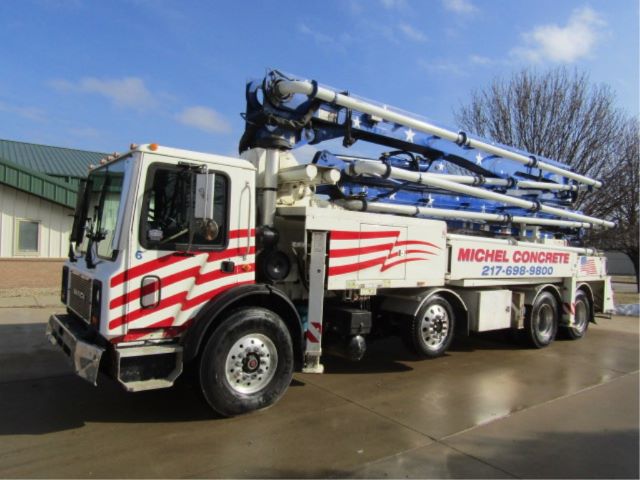
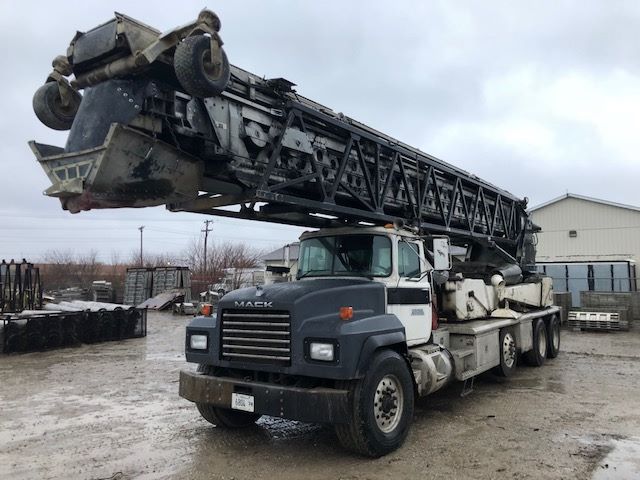
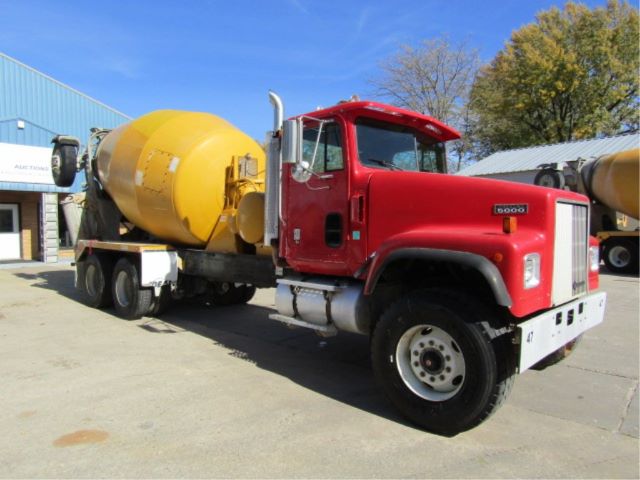
Have construction/vocational truck to sell? List it here to reach thousands of buyers.
About Construction/Vocational Trucks
Bodies and hydraulics define the vocation. Dump trucks benefit from high-tensile or AR steel bodies, 14-20 ft lengths, asphalt gates, vibrator kits, and high-capacity single or dual-stage hoists. Concrete mixers typically run 10-12 yd drums, mid-chassis or front discharge, with pusher axles and heat shields. Roll-off and hooklift trucks handle 20-22 ft containers, so confirm rail size, hoist capacity, reeving condition, and tarp systems. Water trucks use 2k-4k gallon tanks with spray bars and PTO-driven pumps. Mechanics and service trucks pair crane bodies with 6k-14k cranes, air compressors, welders, and auxiliary power. Across these builds, plan the PTO configuration early. Allison RDS automatics with live-drive PTOs are common for start-stop work, while heavy automated manuals and manuals with side-mount PTOs also see service depending on duty cycle and operator preference.
Durability and traction separate on-highway spec from jobsite-ready. Look for high-RBM frames with 110k-120k psi yield steel, double frames or full-length liners where required, crossmember reinforcement at hoist mounts, and front tow provisions. Severe-duty suspensions like walking beam or heavy vocational air improve articulation and stability. Locking differentials, wheel differential locks, and low numerical axle ratios help startability on soft ground, while 315/80R22.5 or 425/65R22.5 steer tires and 11R or 24.5 rears handle rough terrain. Cooling packages, sealed electrical connectors, high-mount intakes, and heavy-duty brakes with engine or transmission braking sustain performance in heat and grades. Balance weight and uptime carefully. Steel bodies and double frames add pounds that reduce payload, and aggressive gearing or wide-base tires can affect fuel burn. High idle and short cycles also increase DPF load, so spec idle management, proper regen access, and driver training.
When comparing listings for construction and vocational trucks for sale, evaluate the upfit as closely as the chassis. Inspect body floors and liners for wear or bowing, hoist cylinders for drift and leaks, hinge pins and bushings for play, and subframes for cracks. On mixers, measure drum thickness and check fins and gearboxes. For roll-offs, verify rails, sheaves, cable or hook wear, and container locks. Confirm lift axle operation, bushing health, brake life, and frame corrosion around body mounts. Test PTO engagement under load and review service records for hydraulics and emissions components. Make sure the VIN build sheet, axle ratings, and upfitter documentation match the posted specs, and that lighting, work lamps, and camera systems meet your site requirements and local regulations.
Frequently Asked Questions
How do I choose the right GVWR and axle configuration for a dump or mixer in my state?
Start with your heaviest typical payload and your state’s bridge formula. Many contractors target 66k-80k GVW with 20k steer, 46k rears, and one or two lift axles. States differ on allowable lift axle spacing, steer weights, and seasonal roads, so verify wheelbase, axle spreads, and tire ratings against your DOT guidance. The correct combination of steer rating, tandem rating, and lift axles maximizes legal payload without risking citations or premature component wear.
Should I spec a set-forward or set-back steer axle for construction work?
Set-forward steer axles help distribute weight for bridge compliance and are favored in aggregate and asphalt applications. Set-back steer axles sharpen turning radius and improve curb-to-curb maneuverability in urban jobsites. Consider approach angle for off-road entries, bumper and plow requirements, and state bridge rules. If tight access dominates your routes, a set-back axle with careful weight management can be the better choice.
Is an Allison automatic better than a manual or automated manual for vocational duty?
Allison torque-converter automatics excel in start-stop, soft-ground, and PTO-heavy work thanks to smooth launch, strong creep control, and live-drive PTO options. Manuals and automated manuals can reduce purchase cost and sometimes fuel burn on longer hauls, but they may be harder on clutches in frequent starts and backing. Evaluate gradeability, startability, operator experience, and PTO needs. For most dump, mixer, and roll-off applications, the Allison RDS or 4000-series is a common, durable choice.
What should I inspect on a used construction or vocational truck before purchase?
Check the chassis for frame rust, bent flanges, and crossmember cracks. Inspect suspension bushings, lift axle function, brakes, and tire wear. Test PTO engagement and hold, run the hydraulic system to temperature, and look for cylinder leaks or drift. On dumps, examine floors, sills, and tailgate seals. On mixers, measure drum and fin wear. On roll-offs, inspect rails, sheaves, hooks, and cables. Review ECM hours, DPF service history, and upfitter documentation to ensure the build matches the posted specs.
Can I repurpose a vocational chassis or swap bodies later?
Often yes, but it depends on wheelbase, cab-to-axle, frame RBM, and PTO provisions. Hooklift systems offer the most flexibility for swapping bodies, while fixed dump or mixer subframes are more specialized. Any conversion must maintain proper weight distribution, driveline angles, and hoist geometry, and will require updated certification and compliance with lighting and braking rules. Consult an experienced upfitter with your VIN build sheet before planning a change.