
Ambulance Trucks For Sale
Explore used ambulance trucks. Compare Type I, II, III specs, gas vs diesel, 4x4, suspension, electrical, module condition, hours and EMS equipment.
Learn moreBrowse Ambulance Trucks by Make
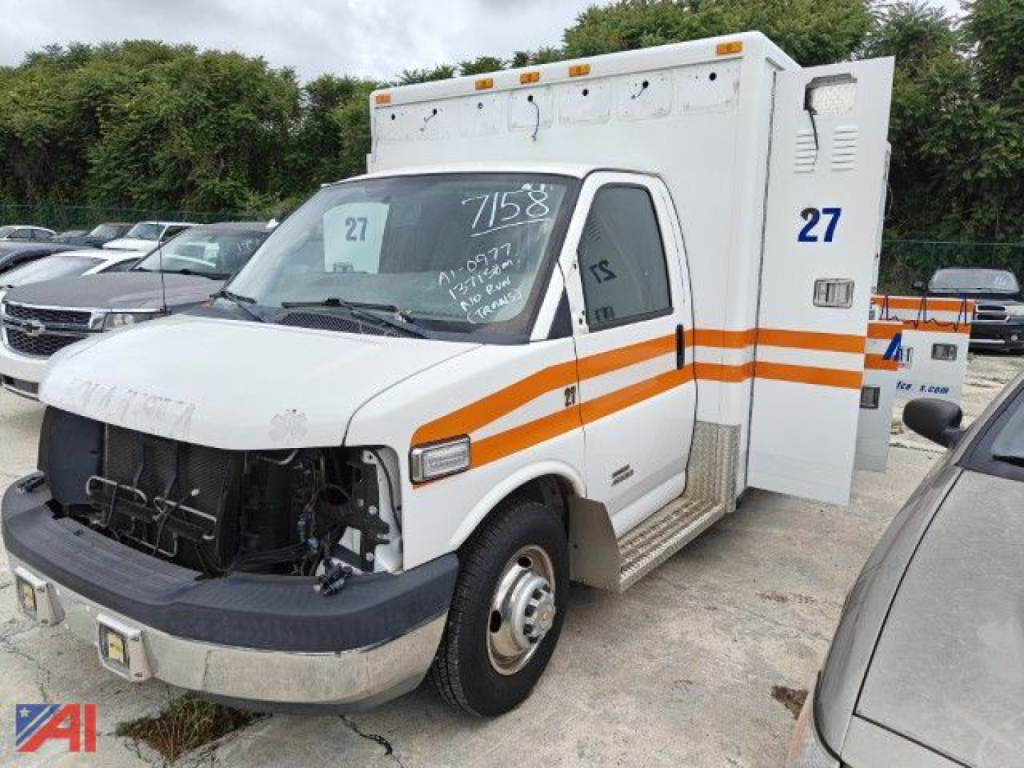


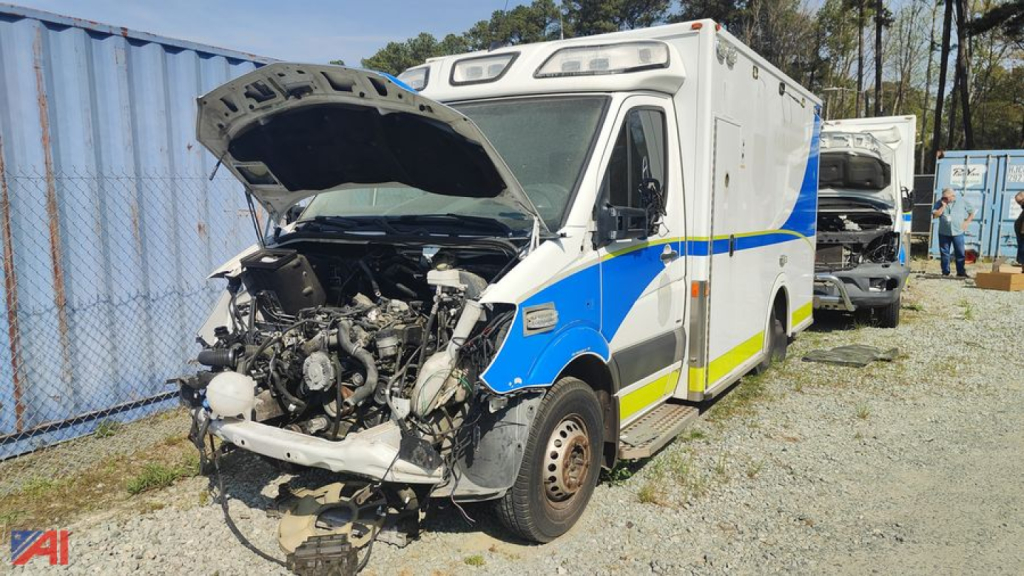
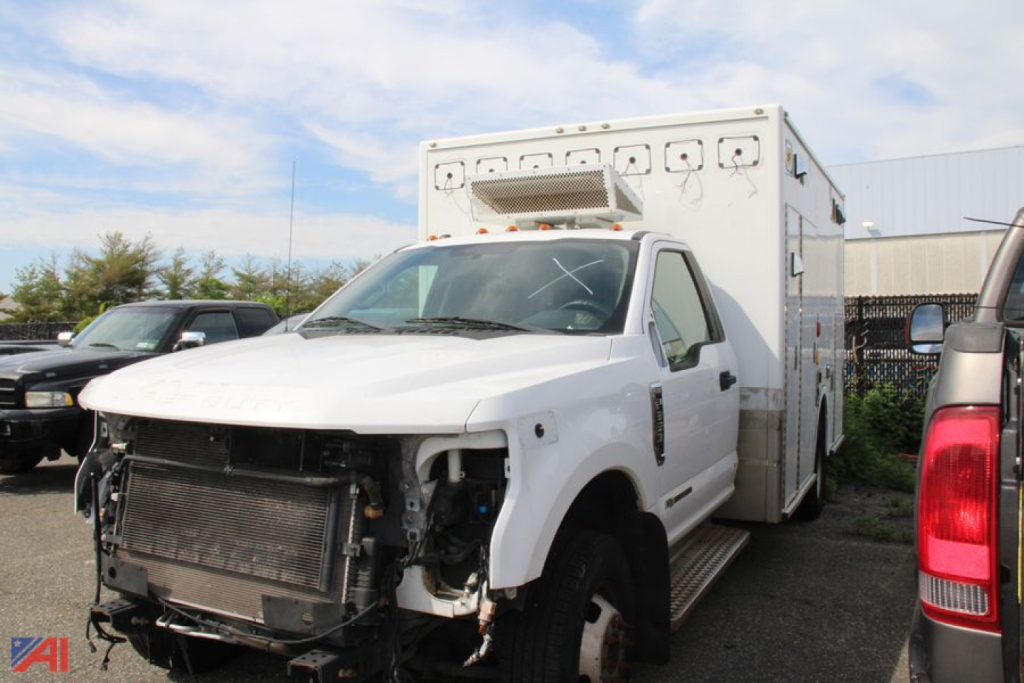
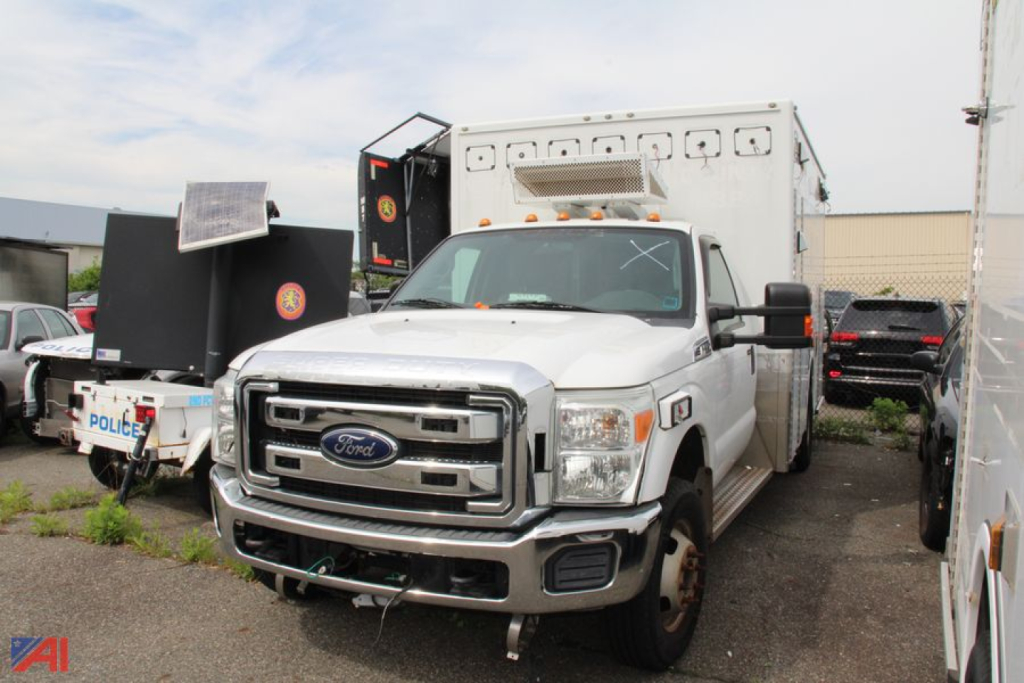
Have ambulance truck to sell? List it here to reach thousands of buyers.
About Ambulance Trucks
Ride and handling affect crew performance and patient comfort. Rear air ride or LiquidSpring smart suspension reduces body roll and harshness compared to leaf springs, especially on Type I and III modules. Axle ratios and transmission gearing influence launch with a loaded module and frequent stop-starts. 4x4 and limited-slip rear differentials add confidence on unplowed roads but raise curb weight and ride height. Turning radius, overall height and wheelbase matter for hospital ramps and tight bays, so compare module length and cab-to-axle dimensions to your stations and service area. Cold-climate packages like block heaters and OnSpot automatic chains are valuable where response continues in ice and snow.
Electrical and HVAC capacity keep an ambulance reliable on scene. Look for high-output or dual alternators in the 240 to 330 amp range, deep-cycle battery banks, multiplexed electrical systems such as Weldon V-MUX and labeled circuit diagnostics. A 1500 to 2000 watt inverter, shoreline inlet with Kussmaul auto-eject and battery conditioners protect electronics between calls. Modern LED warning and scene lighting reduce draw while improving visibility. Rear HVAC in the 40,000 to 60,000 BTU range maintains temperature with doors cycling, and high-idle controls or idle-reduction systems help manage parasitic loads. Siren amplifiers are commonly 100 or 200 watt with integrated traffic preemption where permitted.
Interior layout and safety standards drive daily usability. Common module lengths run roughly 146 to 170 inches with 68 to 72 inch headroom. Smooth, seamless walls, rounded cabinet edges, anti-microbial flooring and removable Lexan doors simplify decon. Oxygen systems typically carry M or H cylinders with regulated outlets and fixed suction. Verify cot compatibility and anchoring, including Stryker Power-LOAD or FERNO iN/X interfaces, and ensure compliance with SAE J3027 cot retention and J3043 equipment mount standards. Restraint-integrated crew seats and compliant layouts to NFPA 1917 or CAAS GVS improve survivability. When evaluating used units, weigh miles against engine hours, since many ambulances idle for power. A common conversion is 25 to 33 miles per hour of idle time. Inspect for electrolytic corrosion on aluminum modules, hinge and door wear, roof and window leaks, electrical repairs and documented maintenance. Quality boxes from builders like Horton, AEV, Wheeled Coach, Life Line, Osage and Braun can often be remounted to new chassis, extending service life and lowering lifecycle cost. For repurpose projects, plan for decal and Star of Life removal, lighting deactivation and any state-specific requirements before road use.
Frequently Asked Questions
What is the difference between Type I, Type II and Type III ambulances?
Type II uses a standard van body like Transit, Sprinter or Express for maximum maneuverability and lower step-in height, but has the least payload and interior volume. Type III is a cutaway van chassis with a modular box that increases cabinet space, payload and serviceability while retaining decent maneuverability. Type I is a pickup-style cab chassis with a modular box, heavier axles and brakes, higher GVWR and available 4x4, best for rural response, fire-based EMS and heavier equipment loads.
How should I evaluate miles versus hours on a used ambulance truck?
Ambulances accrue significant idle time to power HVAC and medical equipment. As a rule of thumb, one engine hour can equal 25 to 33 road miles of wear. Review both odometer and hour meter, request ECM hour data when available and assess maintenance records for oil changes based on hours. Elevated hours with low miles are common and do not automatically disqualify a unit if maintenance, cooling and charging systems have been properly serviced.
What chassis and suspension features improve ride quality and control?
Look for rear air ride or LiquidSpring smart suspension, which reduces body roll and keeps the module level during braking and cornering. Heavier-duty axles and brakes on Type I platforms improve stopping with full payload. Limited-slip differentials and 4x4 help in snow or gravel but add weight and height. Wheelbase and turning radius should match your stations and hospital docks. High-output or dual alternators support stable voltage for lights, HVAC and monitors, which also protects drivability.
How do I confirm cot and equipment compatibility in the patient compartment?
Identify the installed floor plates or cot fasteners and verify they match your cot system, such as Stryker Power-LOAD or FERNO iN/X. Check that mounts meet SAE J3027 for cot retention and SAE J3043 for equipment. Measure interior headroom and aisle width for bariatric use. Ensure oxygen outlets, suction and power receptacles are positioned for your workflow, and confirm that restraint-integrated seats and cabinet latches meet current safety and infection-control expectations.
What regulations and decommissioning steps matter if the unit is for non-emergency use?
Most states require removal or disablement of warning lights, sirens and Star of Life markings before non-emergency operation. Some jurisdictions also require specific color changes or permit processes. Plan for decal removal, wiring changes to warning systems, and insurance classification updates. If the module will be used as a service or clinic vehicle, verify that electrical, HVAC and payload remain adequate after reconfiguration and that the title accurately reflects its new use.