
Trucker Tips
Explore expert trucker tips, industry insights, and practical advice for commercial truck drivers and fleet owners.

How to Sell a Semi Truck Fast Without Getting Scammed
Learn how to price it to move, attract serious buyers, and spot the overpayment scams, fake checks, and lowballers that target truck sellers.

Montgomery v. Caribe Transport: The Supreme Court's Broker Liability Ruling Explained for Truckers
The U.S. Supreme Court just rewrote the rules for the trucking industry. In a unanimous 9-0 ruling on May 14, 2026, the Court decided in Montgomery v. Caribe Transport II, LLC that freight brokers can be sued in state court for hiring unsafe motor carriers. The federal preemption defense that brokers relied on for decades is gone, and the logic of the opinion reaches well beyond traditional brokers to 3PLs, freight forwarders, and digital freight platforms. For owner-operators with clean safety records, it's a quiet competitive advantage. For carriers running with conditional ratings or open violations, the cost of cutting corners just went up. Here's what the ruling actually says, why nine Justices agreed unanimously, what it means for the loads you book next week, and what every trucker should do right now.
FMCSA's New Motus Registration System Is Live: What Every Carrier and Owner-Operator Needs to Know Right Now
FMCSA's legacy registration tools went dark May 14. Motus is the new system. Here's what every carrier and owner-operator needs to do next.
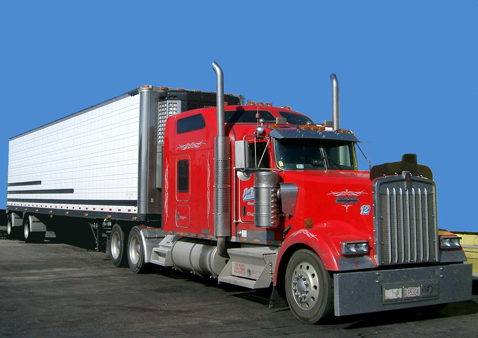
The End of an Era: Kenworth W900's Final Year After 63 Years of Production
After 63 years and 280,000+ trucks, the Kenworth W900 is ending production in 2026. Learn about the Legacy Edition, used W900 values, and why this iconic truck's story isn't over.

EPA 2027 Emissions Standards: What They Mean for Used Truck Prices and Buyers
The EPA 2027 NOx rule is reshaping the used truck market. Learn how the new emissions standards affect Class 8 truck prices, which pre-2027 models to buy, and what every truck buyer needs to know.

Proven Strategies to Cut Fuel Costs on Every Haul
Fuel is your biggest operating expense. Here's how experienced drivers keep more money in their pocket, mile after mile.
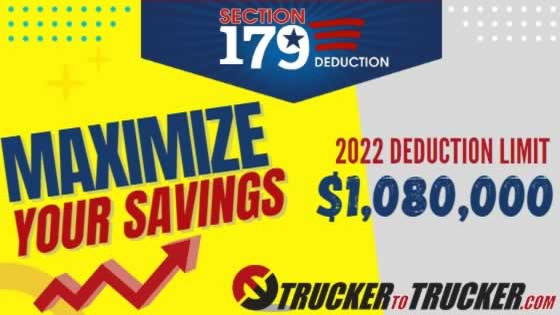
How to Maximize the Section 179 Tax Deduction For Your Trucking Business
We all want to reduce our taxes as much as possible before April 15 arrives. Many truckers and trucking companies are unaware of the Section 179 federal tax deduction. It allows you to write off the entire cost of a capital asset when you buy it. That includes heavy equipment, office furniture and even semi truck & trailer sales.
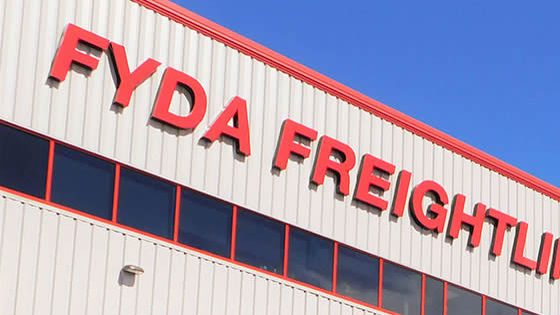
Fyda Freightliner Columbus Holds Building Dedication and Ribbon Cutting Ceremony to Mark Grand Opening
Fyda Freightliner Columbus, Inc. held its Building Dedication and Ribbon Cutting Ceremony on Friday, Sept. 30, 2022. The newly relocated dealership is now at 2700 NE Plain City Georgesville Road in West Jefferson, at exit 85 off I-70.

Welcome Schneider Trucks
Trucker to Trucker welcomes Schneider Trucks, a subsidiary of Schneider National that has a variety of new, and late model trucks & trailers for sale across its 17 locations around the country.
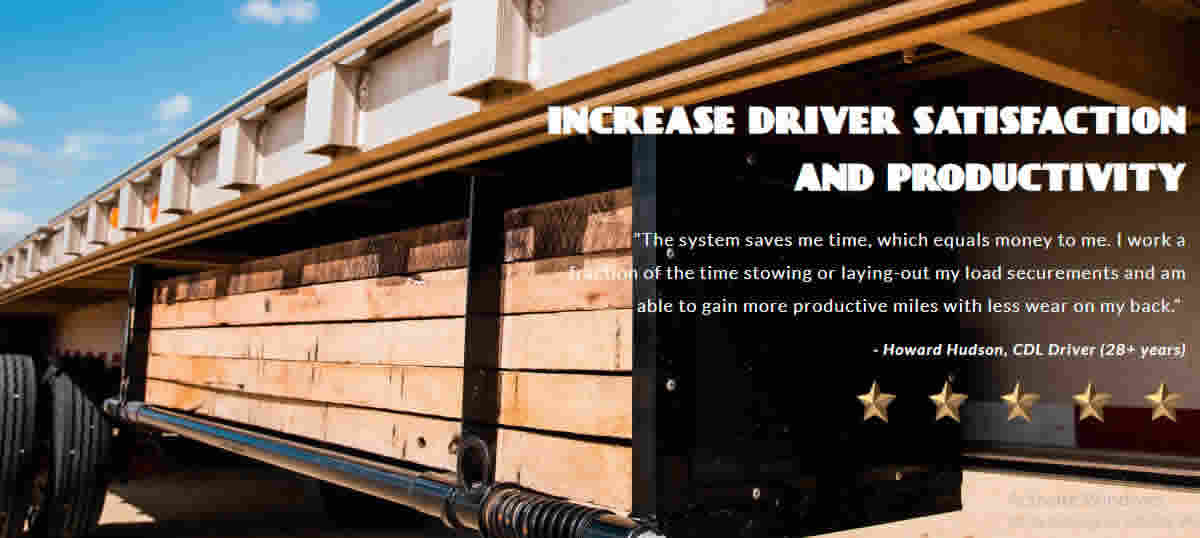
The Dunnage Racks You Never Thought You Needed! Interview with Pat Dowell Co-Owner of BUNKR Trailer
Earlier last month we caught up with Pat Dowell Co-Owner of BUNKR Trailer which is a specialty manufacturer of aftermarket dunnage racks for your semi-trailers to see why his dunnage rack products are getting popular amongst owner-operators, and dealers alike.
Trucker to Trucker Partners With Western Truck Insurance Services To Provide You Truck Insurance For Your Next Rig!
Truck & Trailer Selling in 2022

Online Truck and Trailer Liquidation Auction
Dancor Transit Inc.Liquidation of Trucks & Trailers ONLINE ONLY TRUCK & TRAILER AUCTION 625 Kerr St. Van Buren, AR 72956 TRUCKS: Begin Closing Friday, February 25th at 10:00 AM DRY VANS: Begin Closing Friday, February 25th at 12:00 NOON
Online Only Fleet Reduction Auction
ONLINE ONLY AUCTION!!! Consisting of: (23) Late Model Sleeper & Daycab Tractor Trucks by Peterbilt, Kenworth, & Freightliner. Most trucks are fresh off the road and are ready to go to work!
Dancore Transit Inc Fleet Reduction Sales
ONLINE ONLY AUCTION!!! Consisting of: (28) 2014 & 2015 Sleeper & day cab truck tractors by Peterbilt & Kenworth AND (60) 2004 model semi-trailers. Most of these trucks and trailers are fresh off the road and are ready to go to work!

Used Commercial Trucks For Sale at Truck Source

10 Brave Semi Truck Drivers Saved My Life!
A heart-warming story of a traumatic road accident and the truckers that saved a woman from her crushed vehicle.

Check out this one-of-a-kind used truck deal — now available at participating dealers.
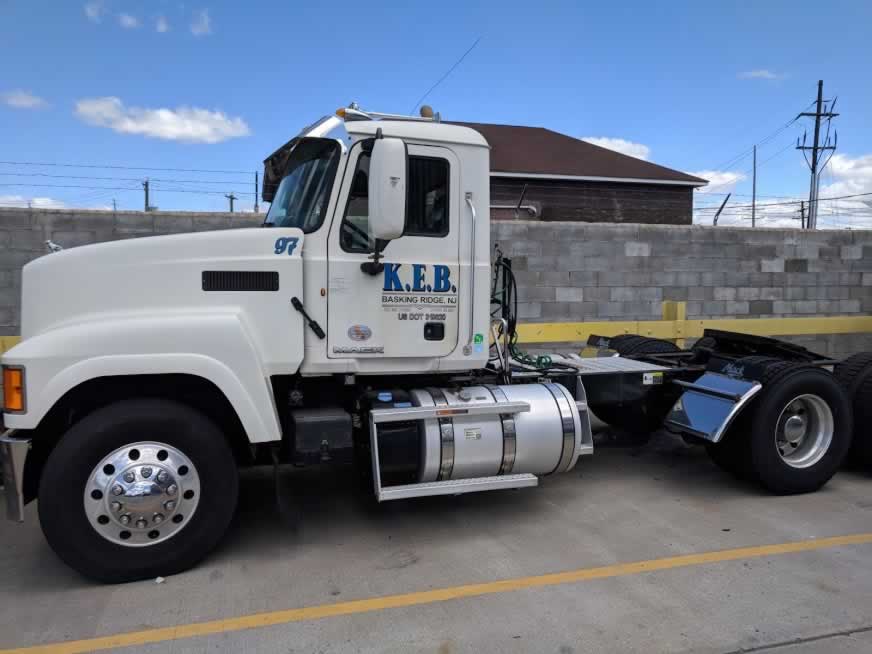
Online Truck Auctions
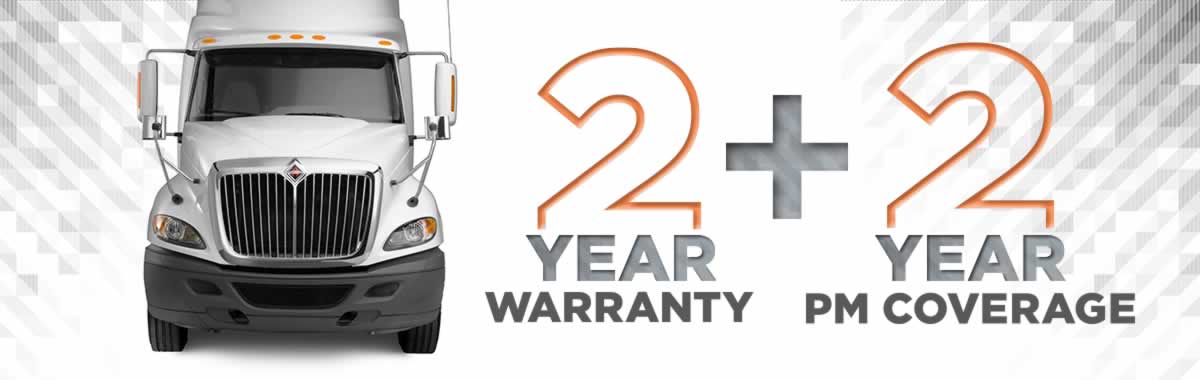
Looking to upgrade your small fleet? Check out this worry-free deal.
How to Buy a Used Semi Truck

Should I Lease-to-Own a Semi Truck?

RDI Logistics Job Openings
U.S. Supreme Court Refuses to Hear ELD Appeal
Showing 1 to 24 of 808 results