
Trucks For Sale Near Mesa, Arizona
Browse trucks for sale in Mesa, Arizona, including pickups, flatbeds, and day cabs with common specs, applications, and buyer considerations.
Learn more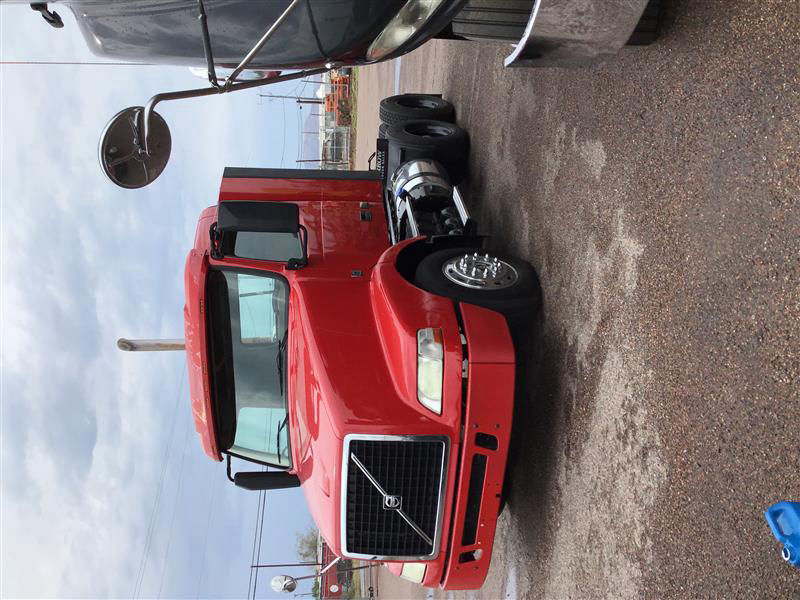
Have truck to sell? List it here to reach thousands of buyers.
About Trucks Near Mesa, Arizona
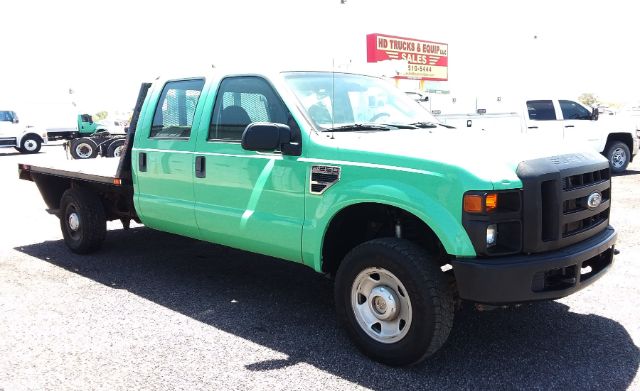
On the lighter end of the market, buyers often compare gas versus diesel engines, 4x2 versus 4x4, cab configuration, and bed layout. Flatbed trucks are especially common for contractors, utility crews, and agricultural work because they simplify loading from the side and rear. Features like steel decks, headache racks, gooseneck balls, receiver hitches, and tool storage matter more than appearance if the truck is being bought to earn. In Arizona, cooling system condition, air conditioning performance, tire age, and signs of sun-related wear in paint, seals, and interiors deserve close attention.
For heavier trucks, the important specs shift toward wheelbase, horsepower, torque, transmission model, rear axle ratio, suspension, and gross axle ratings. A conventional day cab, also known as a daycab semi truck, is commonly used for local delivery, port work, construction material hauling, and short regional lanes where a sleeper is unnecessary. Buyers should look at engine family, transmission speed, tandem capacity, brake type, tire size, and fuel capacity, then match those numbers to trailer type and typical payload. A shorter wheelbase generally improves maneuverability in city work, while the right gearing can make a major difference in fuel economy and gradeability.
Mesa buyers also need to think about operating environment. Desert heat, long highway stretches, and mixed urban-rural routes place real value on dependable cooling, clean electrical systems, strong batteries, and suspension components that have not been beaten up by rough jobsite access roads. Service records, federal or fleet maintenance history, and evidence of consistent preventative maintenance can tell you more than mileage alone. The best truck in this category is the one with specs that fit the work, not simply the newest unit or the lowest-priced listing.
Frequently Asked Questions
What types of trucks are commonly found in this category?
This category can include everything from light-duty pickups and work trucks to flatbeds and Class 8 conventional day cabs. The equipment varies widely by GVWR, bed style, drivetrain, and intended application. Some trucks are set up for contractor or ranch use with flatbeds and towing equipment, while others are built for commercial freight with a fifth wheel, tandem rear axles, and air ride suspension.
What should I look for when buying a used truck in Arizona?
In Arizona, heat exposure is a major factor. Buyers should inspect the cooling system, air conditioning, hoses, belts, batteries, and signs of UV damage on paint, weather seals, and interior materials. Tire condition is also important because age can matter as much as tread in hot climates. A truck that has strong maintenance records and shows consistent care in these areas is usually a better bet than one that simply presents well cosmetically.
How do I choose between a flatbed truck and a day cab semi truck?
The choice depends on the work. A flatbed truck is a strong fit for local hauling of materials, equipment, pallets, and jobsite supplies where easy side loading and trailer flexibility matter. A day cab semi truck is better suited for pulling semi trailers in local or regional service, especially when payload, axle capacity, and commercial trailer compatibility are priorities. The right choice comes down to cargo type, trailer needs, route length, and licensing requirements.
Which specs matter most on a heavier commercial truck?
The key specs are engine horsepower and torque, transmission model and gearing, wheelbase, front and rear axle ratings, suspension type, fuel capacity, and fifth wheel setup. These numbers determine how the truck will perform with a loaded trailer, how well it maneuvers, and how efficiently it runs on your route. Buyers should also confirm brake configuration, tire size, and axle ratio because those details affect maintenance cost and real-world drivability.
Is mileage the most important factor when comparing used trucks?
Mileage matters, but it should not be viewed alone. Maintenance history, idle time, previous application, engine hours when available, and overall component condition can be just as important. A higher-mile truck with documented service and the right specs for the job can be a better purchase than a lower-mile truck with poor maintenance or an unsuitable configuration.