
Trucks For Sale Near Fontana, California
Commercial trucks for sale in Fontana, California. Compare specs, emissions compliance, powertrains, bodies, and options to match your route and payload.
Learn more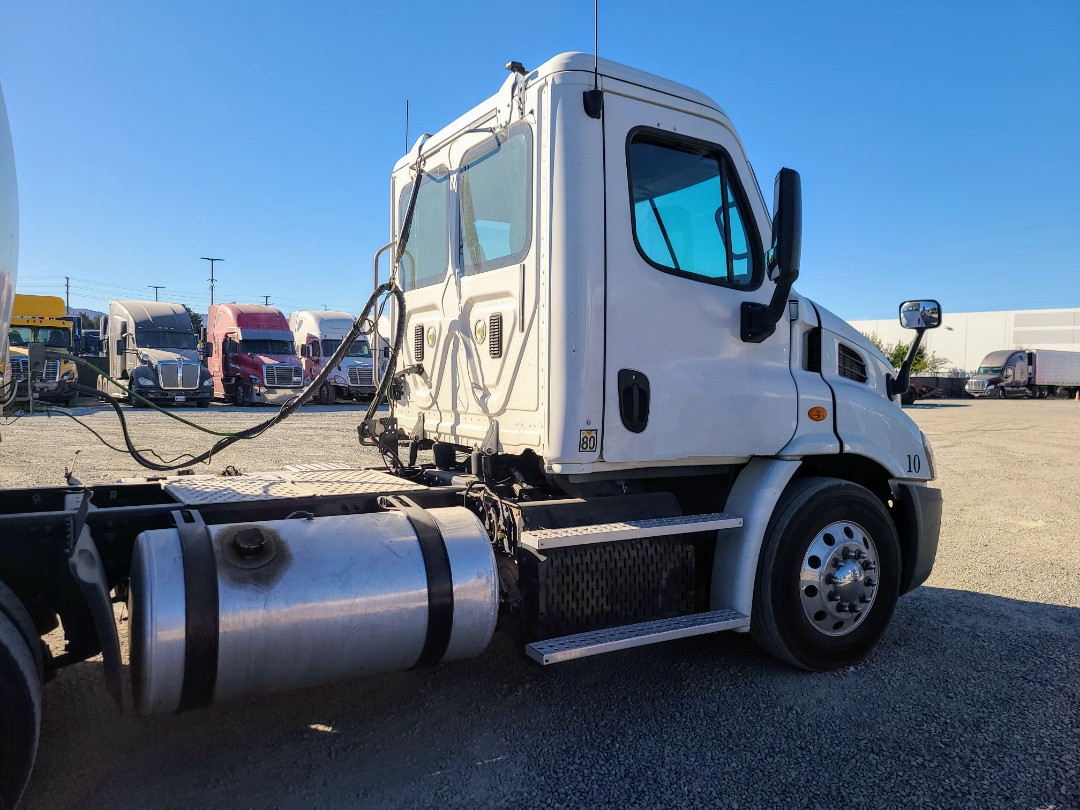
Have truck to sell? List it here to reach thousands of buyers.
About Trucks Near Fontana, California
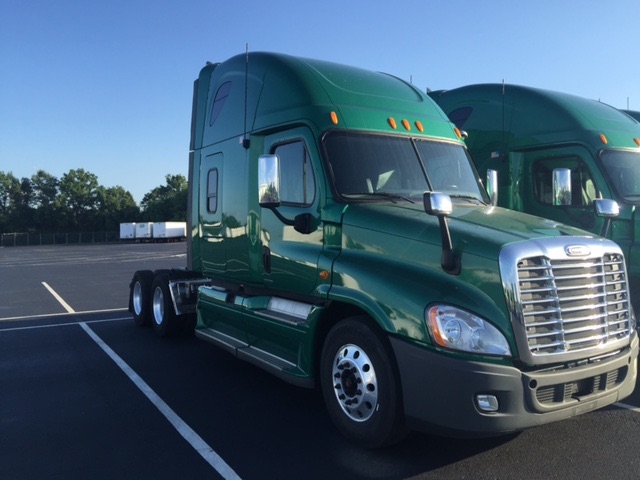
Fontana sits in the Inland Empire’s logistics hub at the crossroads of I-10, I-15, and SR-60, so duty cycles range from last-mile delivery to regional linehaul and construction. For local P&D, Class 6-7 box trucks with 24 to 26 foot dry van bodies, liftgates, and roll-up doors are common; gas and CNG powertrains reduce aftertreatment complexity, while late-model diesel offers better fuel economy at higher GVWs. Regional freight and port shuttles favor day cabs with tighter wheelbases, disc brakes, and robust cooling for Cajon Pass grades, while long-haul sleepers benefit from downsped engine-transmission packages and aerodynamic trims. Reefer work should account for CARB TRU rules that continue to tighten, pushing many buyers toward newer units and electric TRU options.
Chassis and body configuration drive productivity in Southern California traffic. Shorter wheelbases and low-cab-forward designs improve access to dense industrial parks, while conventional cabs ride quieter on highway runs. Air-ride suspensions protect freight and drivers; multi-leaf springs add durability for vocational bodies like dumps, mixers, roll-offs, and service trucks. Match axle ratings and frame reinforcements to your heaviest payload, specify axle ratios around your cruise speed and terrain, and consider air disc brakes for fade resistance on long descents. Safety and uptime features such as collision mitigation, lane departure alerts, tire inflation systems, telematics, and LED lighting reduce incidents and maintenance.
Total cost of ownership in this market hinges on spec alignment and verifiable maintenance history. Confirm GVWR and licensing implications, especially the 26,001-plus CDL threshold and air brake endorsement needs. Review maintenance records, look for even tire wear, check brake lining life, inspect for frame corrosion or cracks, and verify PTO functionality on vocational units. For buyers exploring zero emission or low NOx trucks, evaluate route lengths, charging or fueling access, payload impacts, and incentive eligibility to ensure the truck fits both today’s work and tomorrow’s regulations.
Frequently Asked Questions
What truck specs work best for routes around Fontana and the Inland Empire?
For dense local delivery, prioritize a shorter wheelbase, tight turning radius, automatic or AMT transmission, and a 24 to 26 foot van or reefer body with a liftgate. For regional linehaul, a day cab with a balanced wheelbase, 2.47 to 2.85 axle ratios paired to an AMT, and disc brakes for repeated grades is a strong setup. Construction and waste operations benefit from reinforced frames, full-locking differentials, higher axle ratings, and Allison automatics for start-stop work.
Are older diesel trucks legal to operate in California?
California’s Truck and Bus Regulation effectively requires most diesel trucks over 14,000 GVWR to have a 2010-or-newer engine to operate on public roads, with limited exemptions. Compliance is now tied to periodic testing under the Clean Truck Check program. Always verify the engine model year on the emissions label and confirm status with CARB before purchase.
Should I choose diesel, gasoline, CNG, or electric for local delivery in Fontana?
Diesel delivers the best fuel economy and torque at higher GVWs, but it comes with aftertreatment upkeep. Gasoline is simpler to maintain and works well for lighter Class 4-6 routes with shorter daily miles. CNG offers lower emissions and stable fuel costs where fueling is available, common in Southern California. Battery-electric trucks are gaining traction for predictable urban routes with depot charging, and can qualify for incentives; evaluate payload impacts and charging availability before committing.
What should I inspect on a used truck’s aftertreatment system?
Request an ECM health report for regen frequency and fault histories, check for active or pending codes, confirm recent DPF cleaning or replacement with documentation, and inspect the DEF tank, pump, and dosing module for leaks or crystal buildup. Look for exhaust leaks upstream of the aftertreatment, verify NOx sensor operation, and ensure the dash regen switch and indicators function correctly.
How does GVWR affect licensing and operation in California?
A truck with GVWR of 26,001 pounds or more generally requires a CDL, and air brakes require the appropriate endorsement. Towing a trailer over 10,000 GVWR typically moves you to a Class A CDL. Make sure your intended configuration aligns with your license class, insurance, and route restrictions, and confirm any local municipal weight limits where you plan to operate.