
Caterpillar Motor Graders For Sale
Shop Caterpillar motor graders for road building, site prep, and maintenance. Compare blade size, ripper setup, powertrain, and operating weight.
Learn more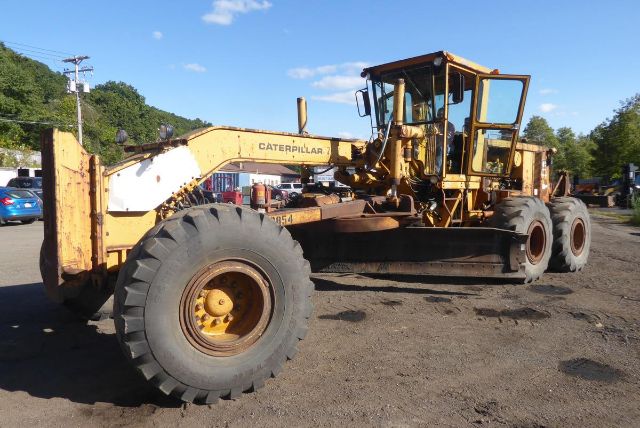
Have caterpillar motor graders trucking equipment to sell? List it here to reach thousands of buyers.
About Caterpillar Motor Graders
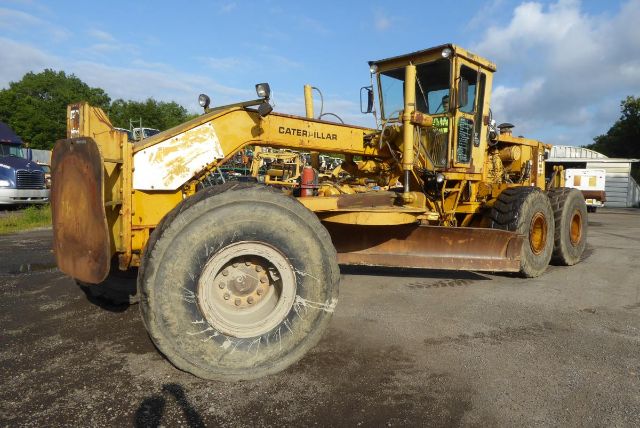
Powertrain choice is a major buying factor on older Caterpillar motor graders. Many used Cat units feature proven mechanical diesel engines and powershift transmissions with multiple forward and reverse ranges, a combination that appeals to buyers who want simpler field service and strong parts familiarity. Look closely at transmission shift quality, differential response, and final drive condition, especially on older machines that have spent years in aggregate, county road, or quarry work. Tire size, rim style, and brake type also matter because replacement cost adds up quickly on a grader, particularly on larger 23.5R25 setups and machines equipped for sustained road travel.
Hydraulics tell you a lot about the condition of a motor grader. Blade lift, circle drive, articulation, steering cylinders, side shift, and any rear ripper or scarifier should operate smoothly without hesitation or excessive seepage. Some older Caterpillar graders show minor cylinder leakage but still function well, so the key is to separate cosmetic seepage from weak hydraulic performance, sloppy circle components, or poor moldboard control. Buyers should also inspect the drawbar, circle, and moldboard for welding, excessive play, cutting edge wear, and evidence of hard impact work. On a larger grader, those wear points can affect grading accuracy and future repair cost more than engine cosmetics.
A Caterpillar motor grader is also known simply as a road grader, and the right machine depends on the type of finish expected. Fine grading contractors may prioritize predictable control response and tight front-end steering, while municipal and heavy civil buyers may care more about ripper configuration, frame strength, and the ability to maintain gravel roads or cut drainage efficiently. Cab condition, visibility, heater and air conditioning function, and overall operator station layout are worth checking because grader productivity depends heavily on long-hour operator comfort. For buyers comparing older Cat graders, a machine with strong articulation, responsive hydraulics, and a solid circle often brings more real value than one that only looks cleaner on first inspection.
Frequently Asked Questions
What should I inspect first on a used Caterpillar motor grader?
Start with the drawbar, circle, and moldboard because wear in those components directly affects grading accuracy and repair cost. Then check articulation, steering, tandem drives, hydraulic cylinder response, and transmission shifting under load. Engine condition matters, but on an older grader, excessive circle play, weak hydraulics, or a tired tandem can be more expensive problems than a cosmetic engine issue.
What are Caterpillar 16-series motor graders typically used for?
Cat 16-series graders are generally used in heavy road construction, mine and quarry road maintenance, large site development, and other applications that need a wide moldboard and substantial operating weight. These machines are suited for long grading passes, shaping haul roads, maintaining crown, and moving enough material to keep production up on broad working surfaces. They are larger than municipal road maintenance graders and are usually chosen for heavier-duty environments.
Are older mechanical Caterpillar motor graders still a practical buy?
Yes, many buyers still prefer older mechanical Cat graders because they are familiar to maintain, parts support is generally strong, and the systems are easier to diagnose in the field than later electronically managed machines. The key is actual condition, not just age. A well-kept older grader with solid hydraulics, a tight circle, and a healthy powershift transmission can be a very practical machine for road maintenance, site work, and support grading.
How important is a rear ripper on a motor grader?
A rear ripper adds versatility by letting the grader break compacted material, loosen road surface, and prepare hard ground before finish grading. It is especially useful in road reclamation, gravel road maintenance, and site prep where the machine needs to do more than trim and shape. Buyers should confirm tooth count, mount condition, cylinder performance, and frame integrity because ripper use puts extra stress on the rear structure.
What operating specs matter most when comparing used motor graders?
Blade width, operating weight, engine model, transmission type, tire size, articulation function, and overall hydraulic performance are the main specs to compare first. After that, look at brake configuration, cab equipment, and any ripper or scarifier setup. On larger used Caterpillar graders, those details have a direct effect on transport planning, job fit, and total cost of ownership.